Syringe filters, chromatography vials, SPE and biotechnology products are produced according to the ISO 9001 standard system. [email protected] +86-15306778688
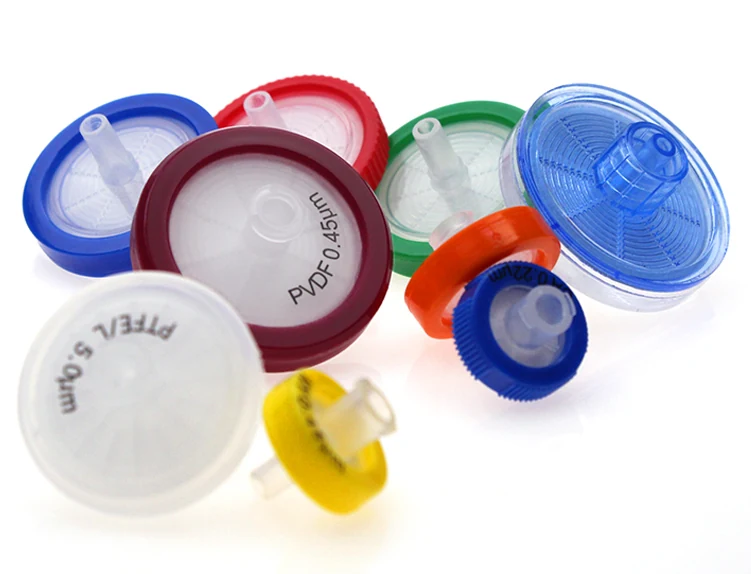
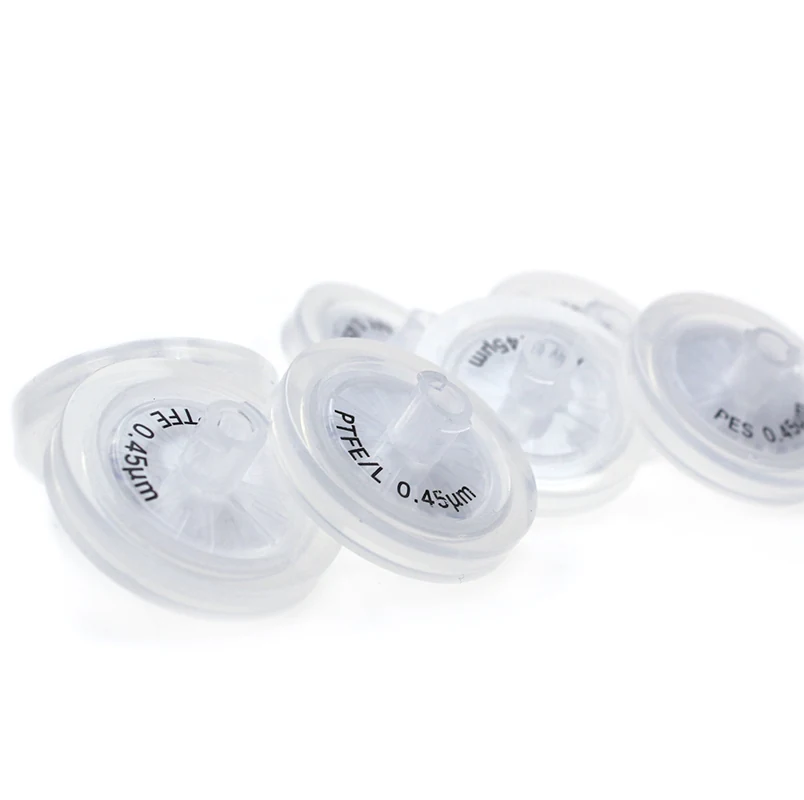
Allfil Syringe Filter product photo 1
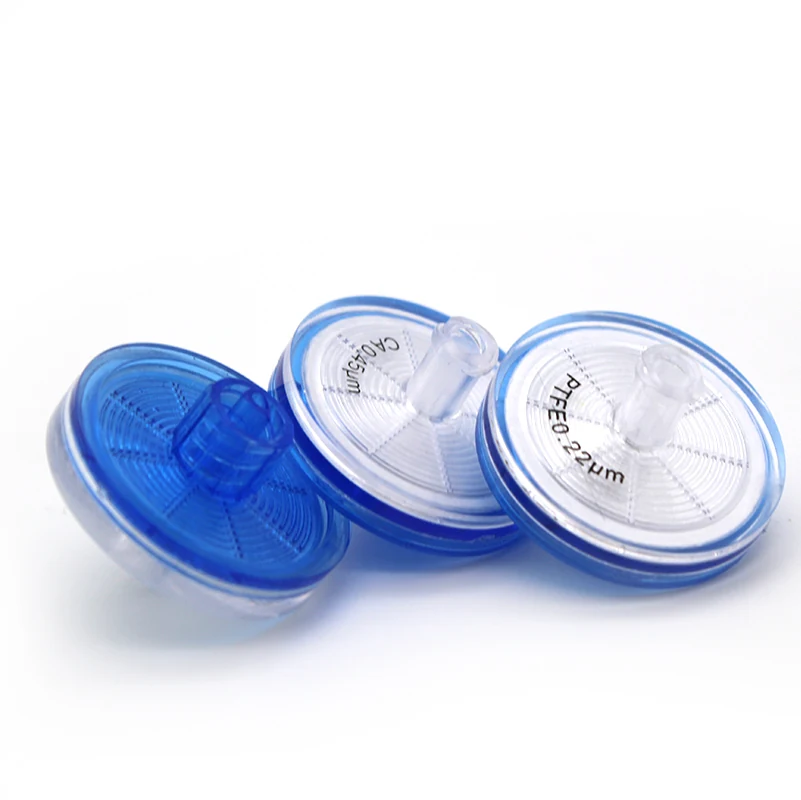
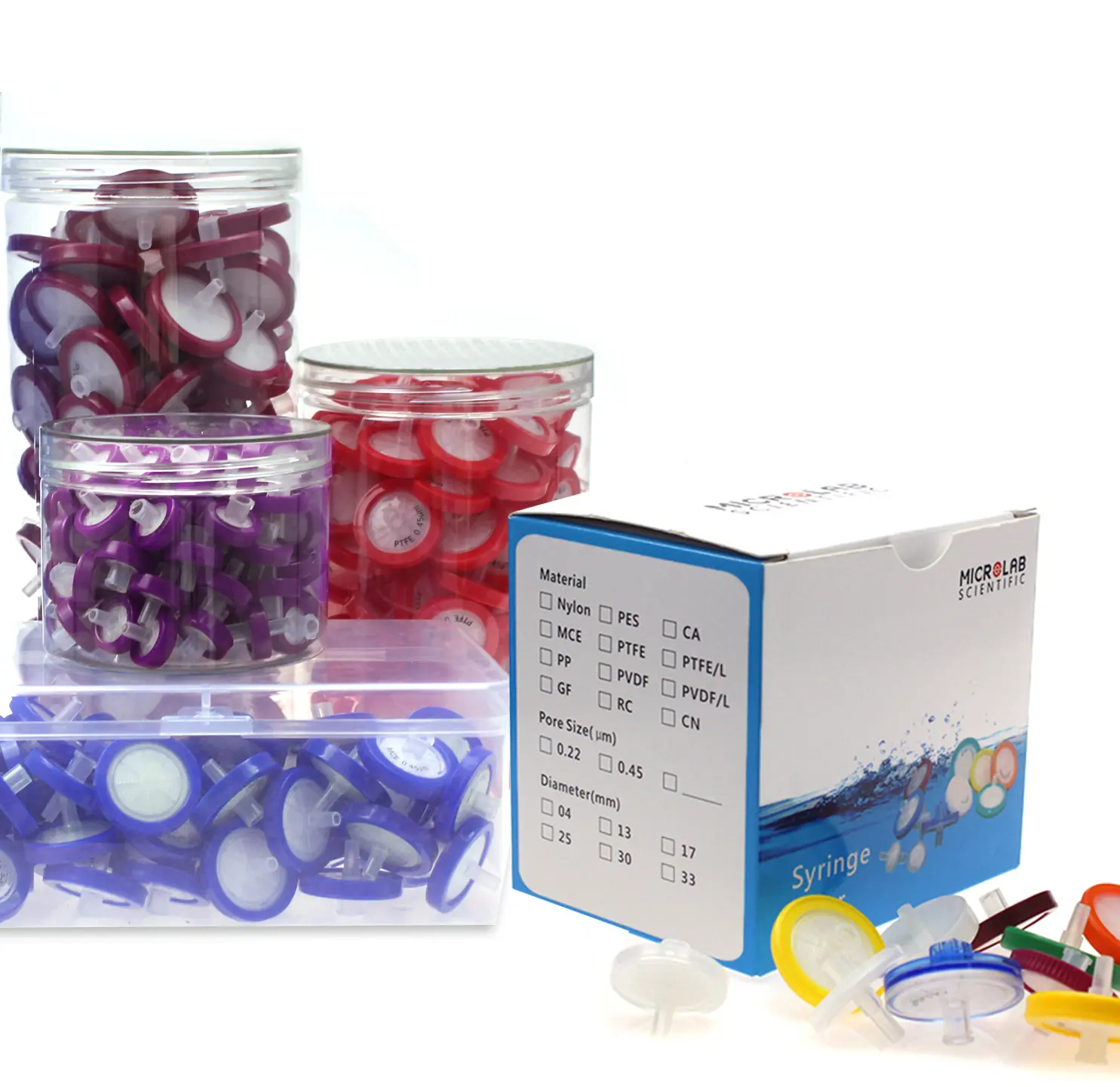
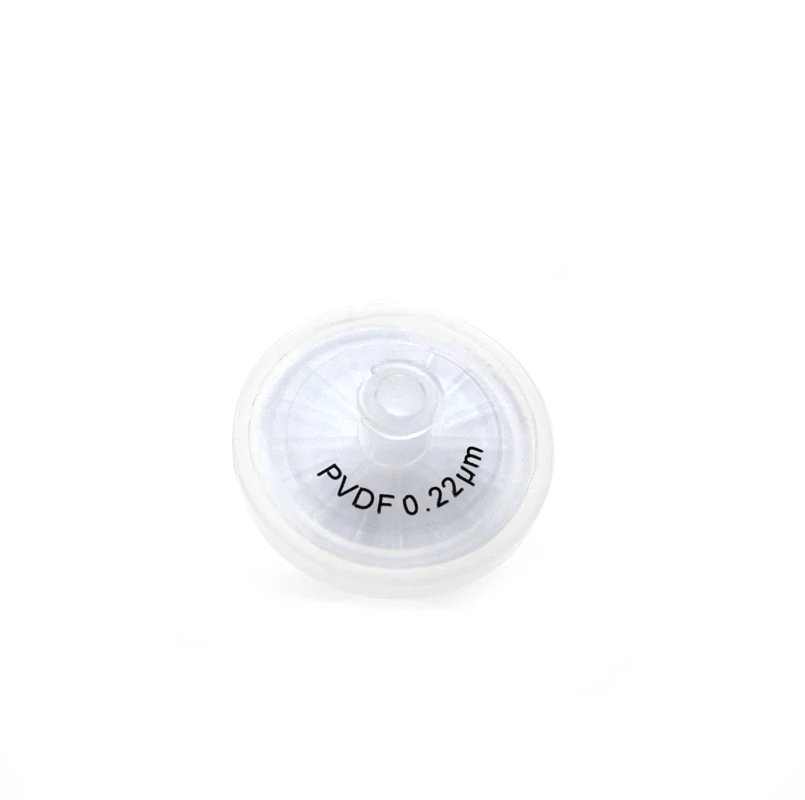
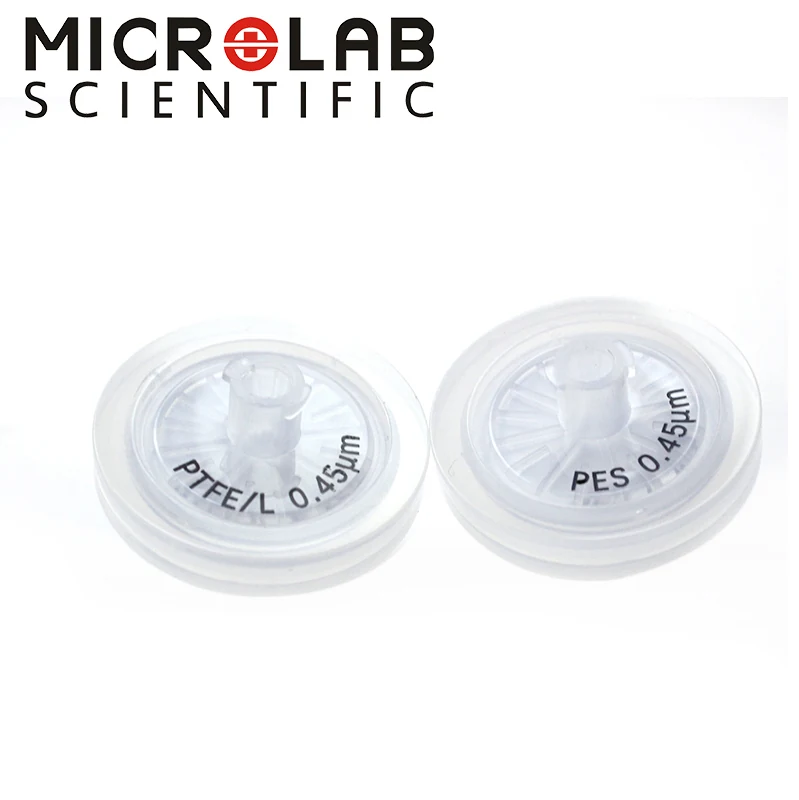
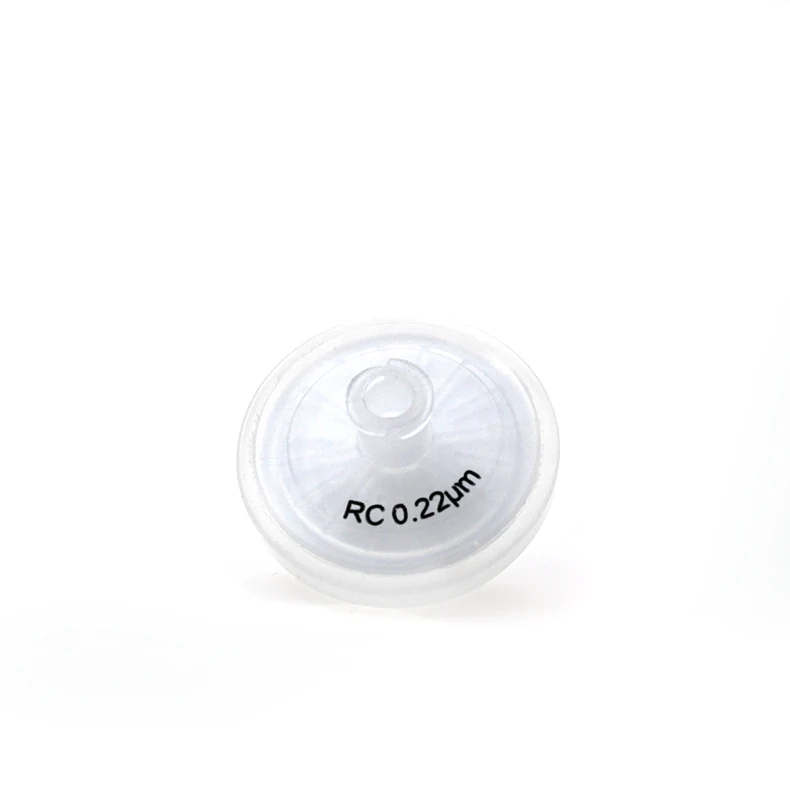
Allfil Syringe Filter product photo 2Allfil Syringe Filter product photo 3Allfil Syringe Filter product photo 4
Syringe Filter

Allfil Syringe Filter

Allfil is a syringe filter designed for routine and demanding sample preparation in HPLC, GC, and biological analysis. The injection-moulded sealing withstands 6 bar at 23 C, making it suitable for viscous or particle-laden samples. The filter supports nine membrane types, covering aqueous, organic, and protein-containing matrices, with pore sizes from 0.1 to 5.0 micron. A consistent geometry across all sizes simplifies method transfer and reduces inventory complexity.

  • Single-layer membrane construction minimises dissolution and extractables, reducing ghost peaks in gradient HPLC runs
  • Injection-moulded sealing provides a 6 bar burst pressure at 23 C, preventing housing failure during high-pressure filtration
  • Three housing diameters (13 mm, 25 mm, 30 mm) allow selection based on sample volume and particle load
  • Nine membrane options cover diverse sample chemistries including aggressive solvents, aqueous matrices, and biological samples
Key Benefits

What This Product Gives You

  • Single-layer membrane construction minimises dissolution and extractables, reducing ghost peaks in gradient HPLC runs
  • Injection-moulded sealing provides a 6 bar burst pressure at 23 C, preventing housing failure during high-pressure filtration
  • Three housing diameters (13 mm, 25 mm, 30 mm) allow selection based on sample volume and particle load
  • Nine membrane options cover diverse sample chemistries including aggressive solvents, aqueous matrices, and biological samples
  • Consistent geometry across sizes supports method transfer without revalidation when switching between diameters
  • Nine membrane options: Nylon, PTFE, Hydrophilic PTFE, MCE, RC, CA, PES, PVDF, Hydrophilic PVDF
  • Three housing diameters: 13 mm, 25 mm, 30 mm, with filtration areas of 0.92 cm², 2.98 cm², and 4.9 cm² respectively
  • Pore sizes from 0.1 to 5.0 micron, including 0.22 and 0.45 micron for routine HPLC clean-up
  • Female luer lock inlet and male luer slip outlet for compatibility with standard syringes
  • Maximum operating pressure of 6 bar at 23 C, achieved through injection-moulded sealing
Where It Is Used

Applications And Buyers

Application Scenarios

  • Filtering mobile phases and standards before HPLC and GC injection to prevent column contamination
  • Preparing protein-rich samples for chromatography without membrane adsorption or sample loss
  • Handling viscous or particle-laden samples such as crude extracts, cell lysates, or environmental suspensions
  • Routine sample clean-up in pharmaceutical QC labs where method reproducibility is critical
  • Filtration of food and beverage samples containing oils, particulates, or high-solids content

Who It Is For

  • Pharmaceutical and biotech laboratories requiring low extractables for HPLC and UHPLC methods
  • Environmental and food testing labs processing mixed aqueous and organic samples with variable particle loads
  • Contract testing organisations managing multiple methods across different instruments and sample types
  • Lab distributors seeking a single supplier for multiple membrane types and housing sizes with consistent packaging

Problems It Solves

  • Ghost peaks in gradient HPLC runs caused by extractables from multi-layer or solvent-bonded filters
  • Filter housing bursting under pressure when processing viscous or high-particulate samples
  • Inconsistent filtration performance due to variable membrane contact area across different housing sizes
  • Inventory complexity from sourcing multiple filter geometries and membrane types from separate suppliers
  • Sample loss or adsorption in biological matrices due to high retention on non-optimized membranes
Data

Specifications

Filter MediaNylon, PTFE, Hydrophilic PTFE, MCE, RC, CA, PES, PVDF, Hydrophilic PVDF
HousingPP
Diameter13 mm, 25 mm, 30 mm
Filtration Area0.92 cm² (13 mm), 2.98 cm² (25 mm), 4.9 cm² (30 mm)
Pore Size0.1, 0.22, 0.45, 1.0, 3.0, 5.0 micron
Sealing TechnologyInjection molding
Max Operating Pressure6 bar at 23 C
Inlet / OutletFemale luer lock / male luer slip
Packing100 pcs per pack

Materials

  • Membrane selected per application: Nylon, PTFE, Hydrophilic PTFE, MCE, RC, CA, PES, PVDF, Hydrophilic PVDF

Customization Options

  • Choice of nine membranes across 0.1 to 5.0 micron pore sizes
  • Three housing diameters: 13 mm, 25 mm, 30 mm
  • OEM printing and private-label packing available through the Microlab OEM division
  • OEM contract manufacturing, membrane die-cut and packing services for filter brands
How It Is Made

Manufacturing And Quality Control

Manufacturing Process

  • Membrane die cutting to precise dimensions
  • Injection-moulded sealing of the membrane into the housing
  • Part number and membrane type printed on each housing
  • Packing at 100 pieces per pack

Quality Control

  • Membrane and housing inspected before assembly
  • Sealing integrity tested to 6 bar at 23 C
  • Pore size and membrane type verified against the printed part number
Comparison

Compared With The Alternatives

Versus Multi-layer syringe filters

The single-layer membrane reduces dissolution and extractables, which is critical for sensitive HPLC methods. Multi-layer filters add prefilter capacity but introduce more contact material into the flow path.

Versus Solvent-bonded housings

Injection-moulded sealing avoids adhesive residues in the flow path and provides a higher burst pressure rating.

Versus Filters with inconsistent geometries

Allfil's consistent design across 13 mm, 25 mm, and 30 mm sizes enables method transfer without revalidation.

Versus Reusable filter holders

Single-use filters eliminate carry-over risk and cleaning validation burden, especially in high-throughput labs.
Use Guide

How To Use It

  • Select membrane based on sample chemistry: PTFE and PP for aggressive solvents, PES and MCE for aqueous samples, Nylon and RC for mixed phases
  • Use 13 mm for sample volumes under 5 mL, 25 mm for moderate loads, and 30 mm for high-volume or high-particulate samples
  • Choose 0.45 micron for routine HPLC clean-up and 0.22 micron for sterile-grade or ultra-fine filtration
  • Attach syringe to female luer lock inlet, expel air, and filter at a steady rate
  • Discard the first few drops if the method is sensitive to membrane wetting solvent
  • Do not exceed 6 bar at 23 C; if pressure rises rapidly, switch to a larger diameter or coarser pore size
Photos

Product Gallery

Also In This Category

Related Products

Read Next

Related Industries And Guides

FAQ

Questions Buyers Ask

Which membrane should I use for organic mobile phase filtration?

Use hydrophobic PTFE or PP for aggressive organic solvents. Hydrophilic PTFE and PES are suitable for mixed aqueous-organic phases.

What is the difference between 13 mm, 25 mm, and 30 mm filters?

The 13 mm filter has 0.92 cm² area and suits small volumes. The 25 mm has 2.98 cm² and handles moderate loads. The 30 mm has 4.9 cm² and is best for high-volume or high-particulate samples.

What is the maximum pressure the filter can handle?

Maximum operating pressure is 6 bar at 23 C. This is achieved through injection-moulded sealing, not solvent bonding.

Can I use Allfil for biological samples like cell culture supernatant?

Yes. The single-layer membrane and low retention design are suitable for biological matrices, especially with PES, PTFE, or PVDF membranes.

How are the filters packed?

All filters are packed in 100 pieces per pack. Each housing is printed with the membrane type and pore size for immediate identification.

Do you offer private-label or OEM options?

Yes. The Microlab OEM division provides OEM contract manufacturing, membrane die-cut and packing, and private-label printing.

Get A Quote For Allfil Syringe Filter

Tell us the membrane, pore size, diameter and quantity you need, or describe the sample and we will specify it.