
Mono or DD Search Coil and What Size to Buy
Winding pattern is decided by your ground, and coil size by your site. Getting either wrong wastes a season.
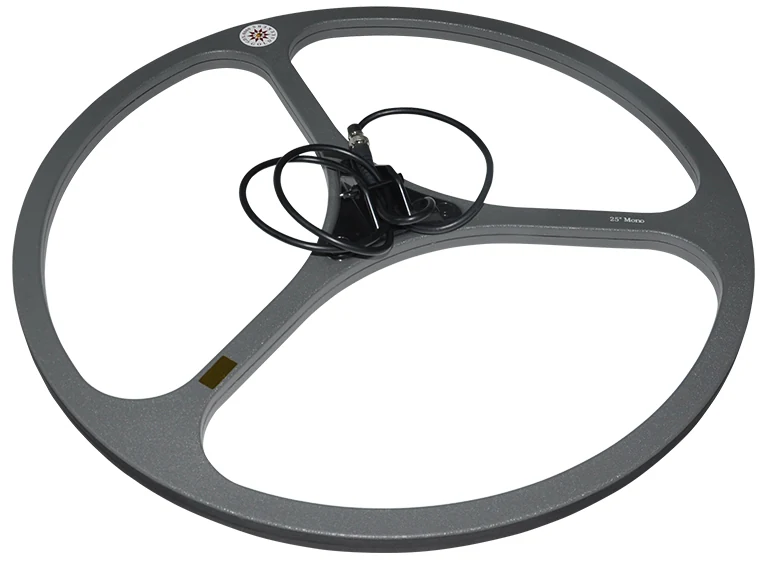
Mono coils on clean ground
A mono coil concentrates its field in a single cone and generally gives more depth on clean, low-mineral ground. It is the traditional choice for open country and for gold prospecting where the soil is not heavily mineralised. The trade is that ground mineralisation feeds straight into the signal, so on difficult ground you end up dropping sensitivity until the coil is no better than a smaller one.
DD coils on mineralised and trashy ground
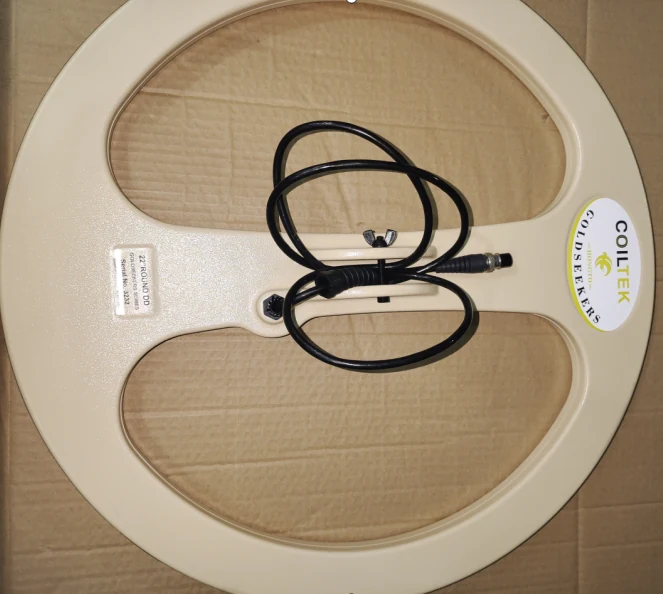
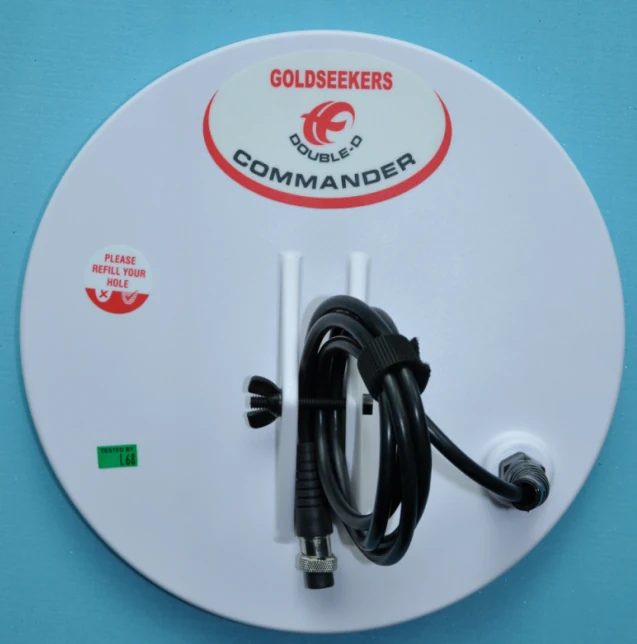
A DD winding uses two overlapping D-shaped windings, which produces a narrower detection blade and far better rejection of ground mineralisation. On mineralised soil, or on sites full of junk metal, a DD coil can be run at a useful sensitivity where a mono coil cannot. It is not that DD is better; it is that DD is usable where mono is not.
Size is about ground covered versus targets separated
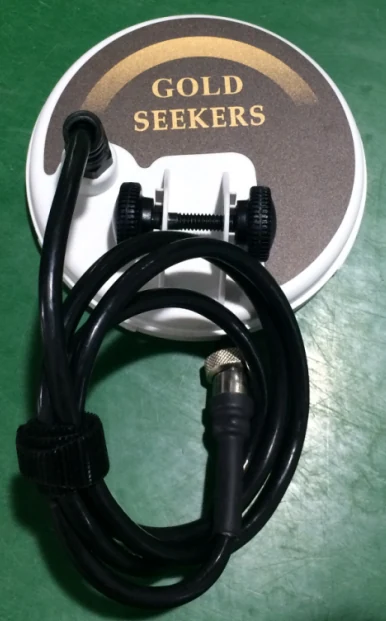
A 22 or 25 inch coil sweeps a lot of ground per pass, which is what you want on open terrain. An 8 or 11 inch coil covers little ground but separates targets that sit close together, which is what you want in a trashy site. A 5 inch DD covers almost nothing per sweep and exists specifically to resolve small gold targets that a larger coil blurs into the background.
Elliptical coils for constrained ground
A 12 x 15 inch elliptical coil gives much of the coverage of a large round coil while staying narrow enough to work between rows, along fences and around obstacles. If your ground has structure in it, the elliptical form is usually more practical than the round equivalent.
Impedance and connector, the part people forget
A coil must match the detector circuit. Some coils in this range publish the figure, such as 2 ohm on the 18 inch mono and 4 ohm average on the 8 inch. Others do not, and it should be confirmed before ordering rather than after. The connector and cable length matter equally: a coil that will not plug in is scrap.
Carrying the weight
Large coils are heavy on the end of a stem for hours. A harness makes a 22 to 25 inch coil workable; without one, most users quietly go back to a smaller coil and the investment is wasted.
Frequently Asked Questions
Mono or DD, in one sentence
Mono for depth on clean ground, DD for usability on mineralised or trashy ground.
What size should a first replacement coil be
Around 11 to 14 inches covers most general use. Go larger only for open ground and smaller only for trashy sites.
Will a coil fit my detector
Send us your detector make and model. We confirm connector, cable length and impedance before you order.
Why buy a 5 inch coil at all
To resolve small gold targets and reach into rock gaps. It is a second coil, not a main one.
Can you make a non-standard size
Yes, coils are made in a range of lengths and diameters. Send your dimensions.
Have a specific requirement
Send the dimensions, throughput and conditions. We will answer against your case rather than in general.