
Handheld Metal Detector Wands What the Specifications Mean
Detection distance, calibration behaviour and battery endurance separate wands that work on a real shift from wands that look the same on paper.
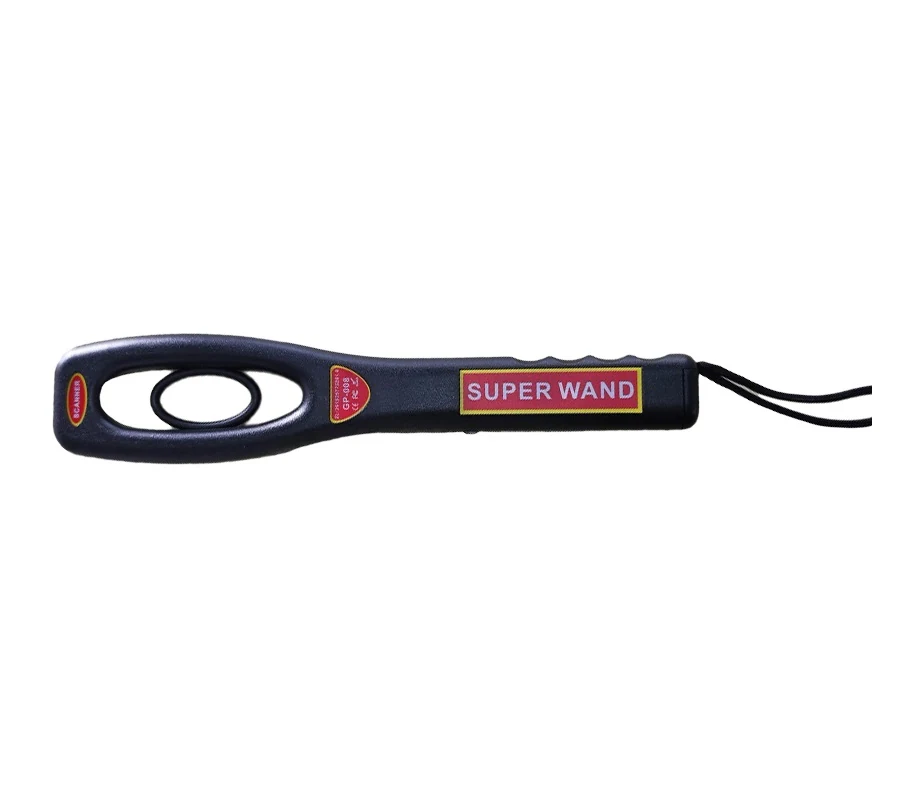
Detection distance by object, not sensitivity claims
Most wand datasheets say high sensitivity and stop there. A few publish what they actually detect and from how far. The GP-008 states a pin at 30 to 60 mm, a 6-inch knife at 160 to 180 mm and a 64-model hand gun at 180 to 195 mm. The GC-3003 and the compact holster wand publish a similar set, and the MD-3003B1 adds a .38 pistol at 20 cm and a coin at 8 cm. When you can compare those figures across suppliers, you are comparing something real.
Calibration drift is the quiet failure
An analogue wand handed between shifts drifts, and nobody notices until something is missed. The digital VA and V series wands are specified as stable without periodic calibration, which is why they behave the same on Monday morning as on Friday night. If your site has no calibration routine, and most do not, this matters more than an extra sensitivity level.
What happens as the battery drains
On cheaper wands, detection distance shortens quietly as the battery falls. Several wands in this range are specified to hold detection distance unchanged from 9 V down to about 7 V, including the GC-1002, GC-3003 and the compact holster wand. Some also give an automatic continuous alarm when the battery is exhausted, so a flat cell announces itself rather than being discovered after a miss.
Endurance is a shift-planning number
Forty hours of continuous work is typical. The VA300, VA360, V006E and PD-240 reach around 100 hours on AA cells and up to 500 hours on a dedicated lithium pack. For a site that screens all day and cannot recharge mid-shift, that difference decides how many spare wands you need to own.
Alert type is an environment decision
Audible alerting is lost in a stadium and unacceptable in a courtroom or examination hall. Almost every wand here offers sound, light and vibration, usually selectable. Some go further: the GC-1002 shifts its LED from green to red with the size of the object, and the VK-2022 changes volume for a small target and both tone and volume for a large one.
Weight over a full shift
The range runs from about 200 g on the V-006 to 500 g on the GC-1001. That sounds trivial until it is swept for eight hours. Lighter wands get used properly; heavy ones get waved.
Products referenced in this guide
GP-008 Super Wand Handheld Metal Detector
View specification →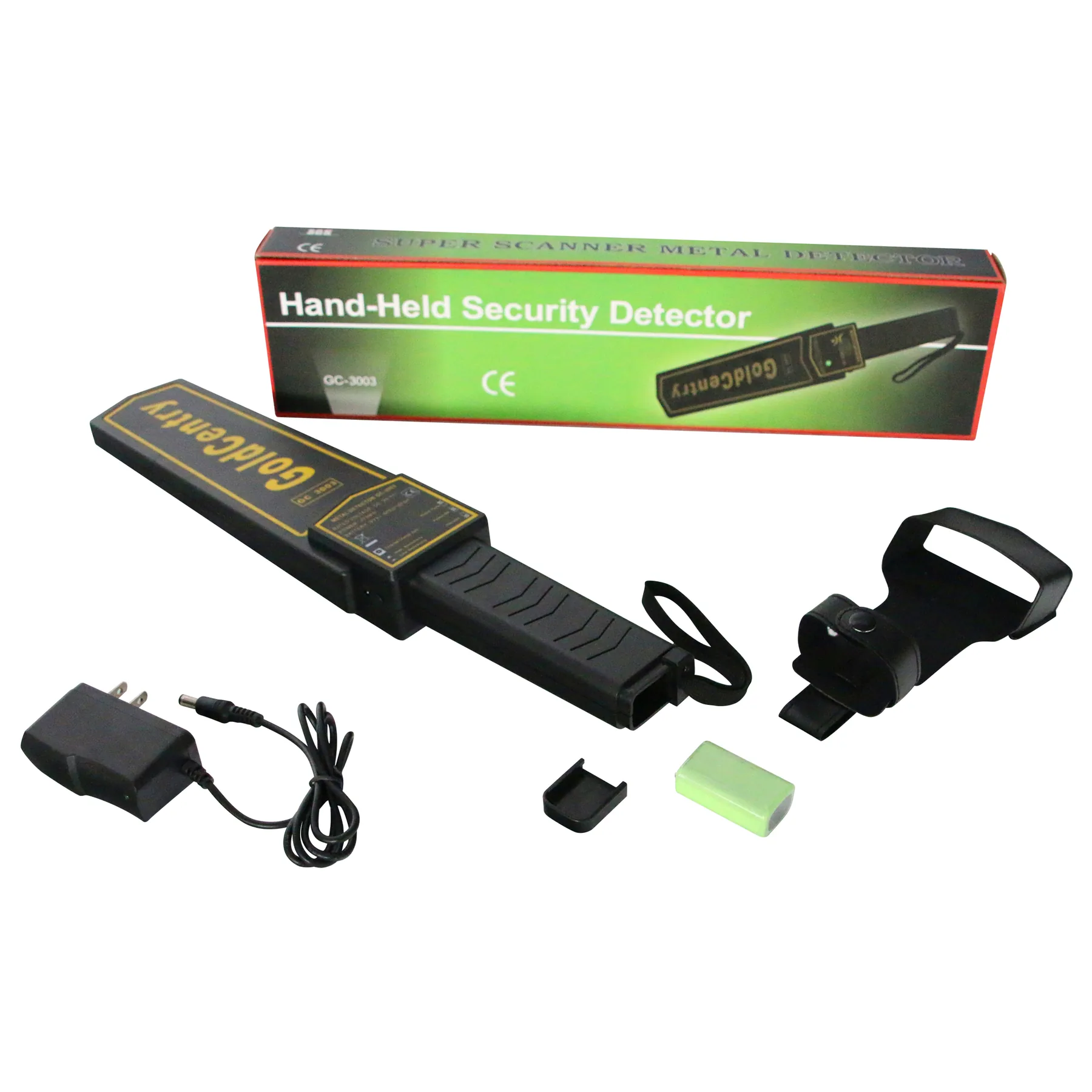
GC-3003 Airport Metal Detector Wand
View specification →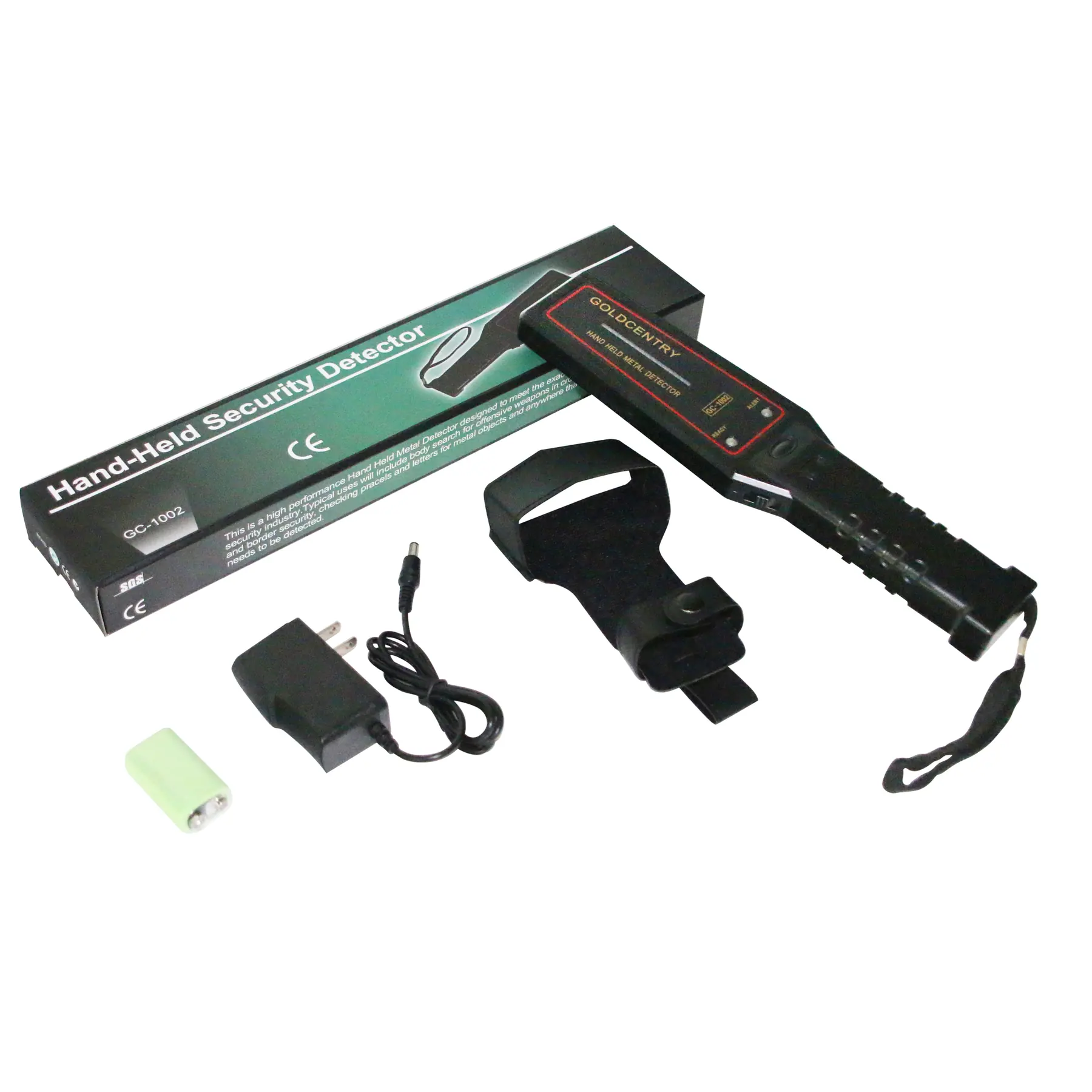
GC-1002 Secure Wand Handheld Metal Detector
View specification →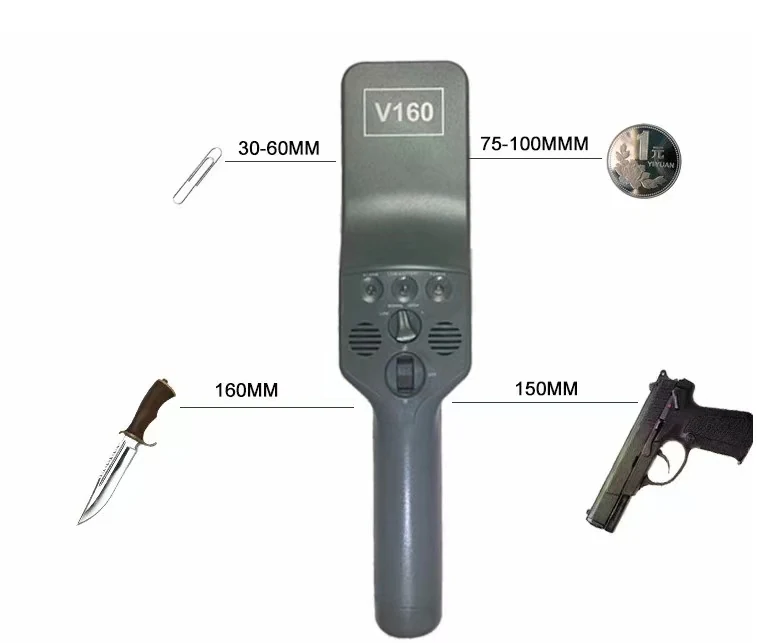
V-006 Handheld Security Metal Detector Wand
View specification →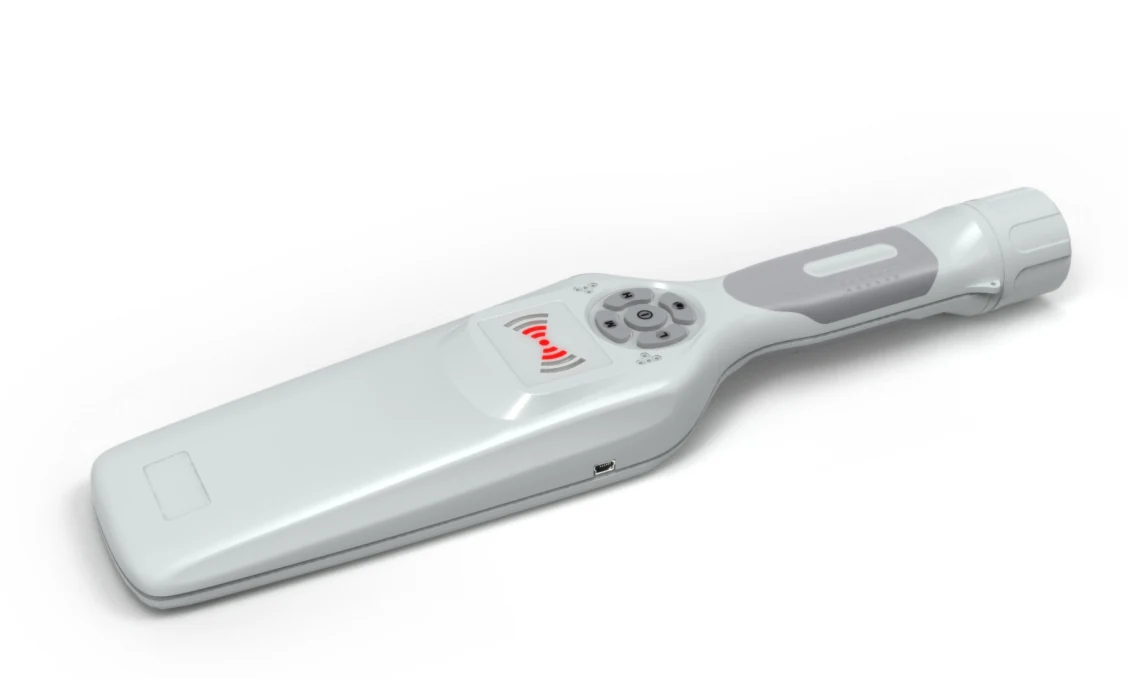
VA360 Ultra-High Sensitivity Handheld Metal Detector
View specification →Frequently Asked Questions
Which wand detects the smallest objects
The VA360 and V-006 are specified as ultra-high sensitivity for extremely small non-magnetic objects, with the V-006 adding a fourth sensitivity level.
Do wands need calibrating
The digital VA and V series are specified as stable without periodic calibration. Older analogue designs can drift.
How long should a wand last on one charge
40 hours is normal, 100 hours on AA cells is good, and 500 hours on a dedicated lithium pack is the top of this range.
Can a wand replace a walk-through gate
No. A wand screens one person at a time. It is the secondary check behind a gate, or a primary check only at very low volume.
What should I ask a supplier for
Detection distance by object type, calibration requirement, battery endurance and weight. If a supplier cannot give those four, the wand is unquantified.
Have a specific requirement
Send the dimensions, throughput and conditions. We will answer against your case rather than in general.