Industrial equipment and custom parts sourced from vetted Chinese factories since 2007
[email protected]Mon-Fri 09:00-18:00 GMT+8
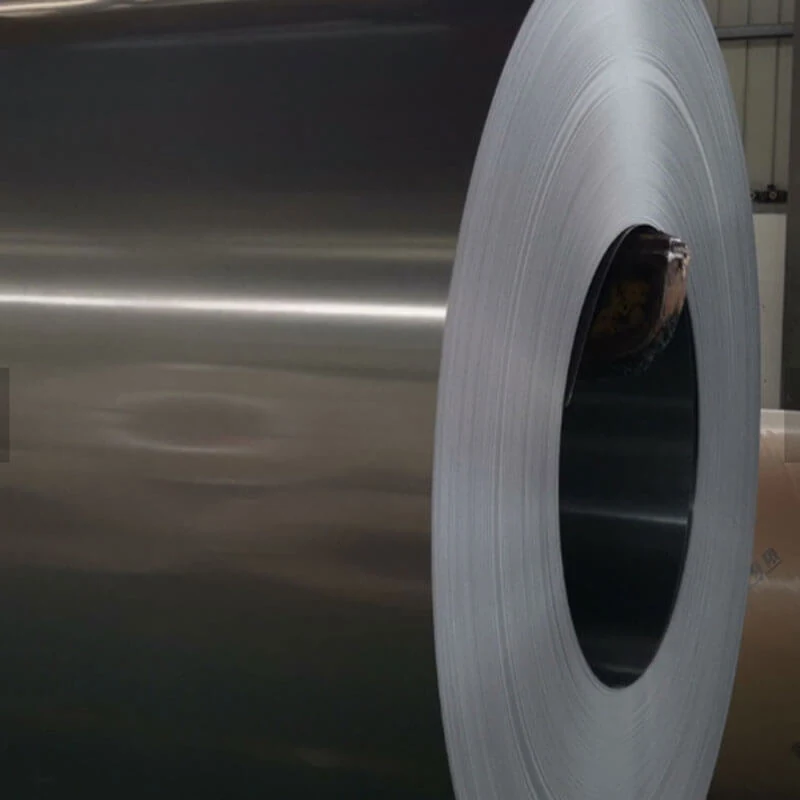
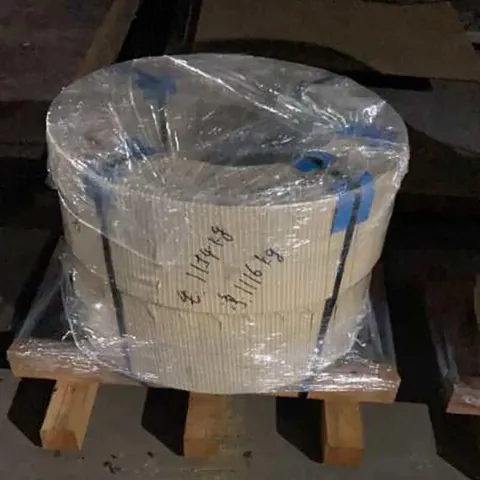
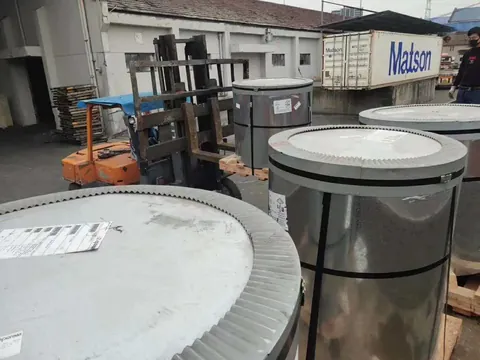
Electrical steel, also called silicon steel, is a silicon-bearing soft magnetic alloy used for transformer and electric motor cores. It is manufactured cold rolled and is typically less than 2 mm thick, and multiple sheets are pressed into stacks to form the cores of transformers and of motor stators and rotors. The silicon content creates the magnetic behaviour the core depends on: a defined hysteresis region, increased permeability and reduced core loss. Material is divided into two main categories, grain oriented and non oriented, and after stacking it is cut and shaped by dimple die, laser or EDM processes.
Reduced core loss keeps the no load loss of the finished transformer inside the efficiency figure you have guaranteed
Higher permeability lets the core reach the design flux without adding stack height
Cold rolled sheet under 2 mm stacks cleanly so the lamination factor stays predictable across a batch
Grain oriented and non oriented grades come from one supply route so transformer and motor cores can be sourced together
Sheet suits dimple die laser and EDM shaping so it fits whatever cutting route your core shop already runs
Core loss above the design value pushes the transformer past its guaranteed no load loss
Low permeability material needs extra stack height and more steel for the same flux
Inconsistent sheet thickness ruins the stacking factor and the finished core dimension
Choosing non oriented material where flux follows one direction wastes magnetic performance
Sheet that cuts badly slows the lamination line and raises burr rework
| Material | Electrical steel also known as silicon steel |
|---|---|
| Form | Cold rolled sheet |
| Thickness | Typically less than 2 mm |
| Categories | Grain oriented and non oriented |
| Application | Transformer cores and motor stator and rotor cores |
| Shaping Methods | Dimple die laser or EDM |
Figures shown are taken from the supplying factory documentation. Anything not listed here is confirmed in writing before order.
Lower loss where flux follows one direction, which is the normal case in a stacked transformer core
Consistent magnetic behaviour in all directions, which suits rotating machine stators and rotors
Silicon steel gives far lower core loss and higher permeability so the core heats less at the same flux
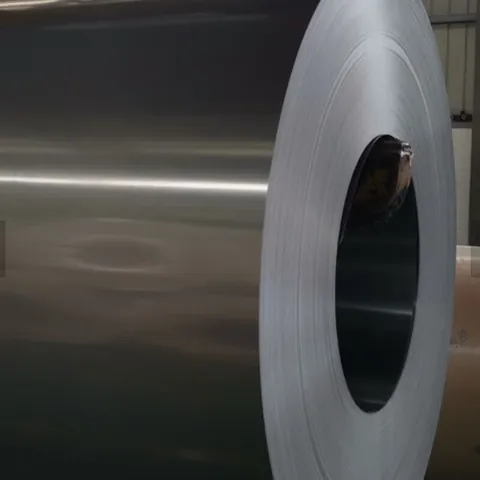
Grain oriented material performs best when the flux follows a single direction, as in a stacked transformer core. Non oriented material behaves consistently in all directions and suits motor stators and rotors.
It is made cold rolled and is typically less than 2 mm thick, with the exact gauge chosen for the loss and stacking factor you need.
Silicon makes the steel a soft magnetic alloy: it creates a hysteresis region, increases permeability and reduces core loss, which is what a transformer or motor core needs.
After sheets are pressed into stacks the steel is cut and shaped using a dimple die, laser or EDM process, depending on the equipment in your core shop.
Yes. Strip width is supplied to suit your lamination cutting line rather than a fixed stock size.
Thickness tolerance follows the grade and standard you nominate and is confirmed in writing with the quotation.
Send the drawing, capacity or duty cycle you need and we will come back with the factory match, the build detail and the commercial terms.
Email Our Sourcing TeamView Category