Industrial equipment and custom parts sourced from vetted Chinese factories since 2007
[email protected]Mon-Fri 09:00-18:00 GMT+8
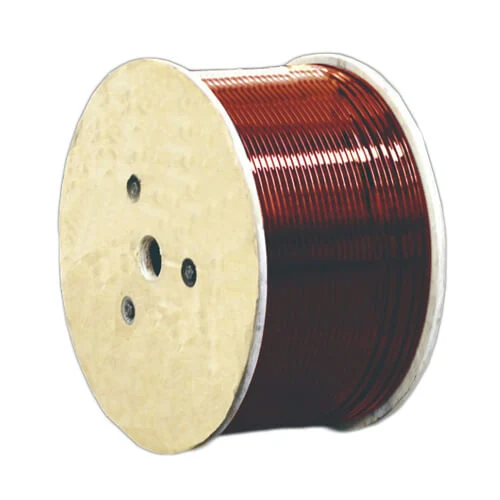
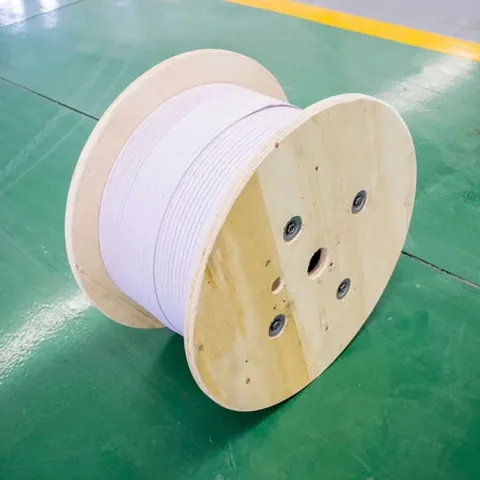
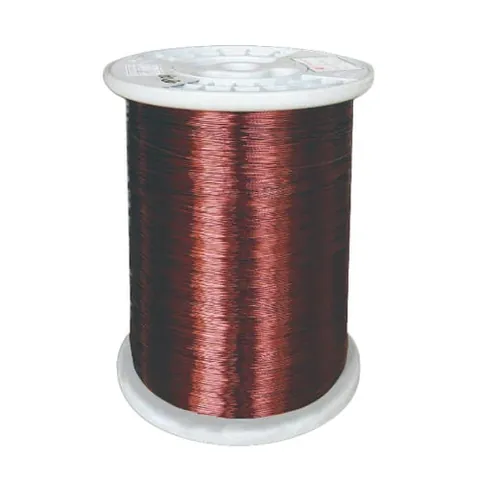
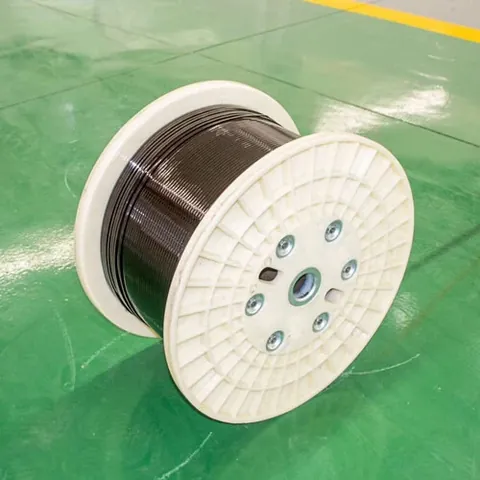
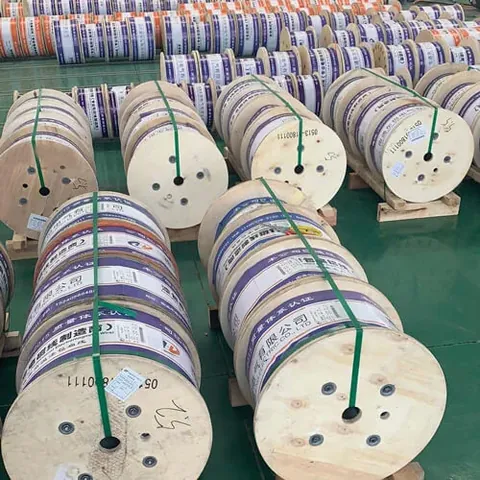
Enameled wire, also known as magnet wire or winding wire, used in transformers. It is made by coating a thin layer of insulation, either enamel or polyurethane, over a conductive core so the turns are electrically insulated and protected against short circuits. The conductor is normally copper or aluminum for their conductivity. Production scope covers conductor thickness a of 0.8 to 5.6mm, conductor width b of 2.00 to 16.00mm and a conductor width ratio of 1.4:1, and the wire can be solid or stranded. Specifications beyond this scope can be discussed before order.
The enamel or polyurethane coating insulates each turn so a winding can be wound tightly without short circuits between turns
Conductor thickness from 0.8 to 5.6mm and width from 2.00 to 16.00mm let the winding cross section follow the transformer design
Copper or aluminum conductor lets the buyer trade conductivity against weight and material cost
Solid or stranded construction covers both rigid winding layouts and those needing flexibility
Insulation with high electrical resistance and thermal stability keeps the winding intact at operating temperature
Bare conductors cannot be wound in close turns without risking short circuits
Standard wire sizes that do not match the design force the winding cross section to be compromised
Insulation with poor thermal stability breaks down at winding operating temperature
A single conductor form does not suit both rigid and flexible winding layouts
| Conductor Thickness a | 0.8 to 5.6mm |
|---|---|
| Conductor Width b | 2.00 to 16.00mm |
| Conductor Width Ratio | 1.4:1 |
| Conductor Material | Copper or aluminum |
| Insulation Material | Enamel or polyurethane |
| Flexibility | Solid or stranded |
| Product Category | 130 polyester enameled wires |
Figures shown are taken from the supplying factory documentation. Anything not listed here is confirmed in writing before order.
Foil winding uses a continuous strip across the winding height while enameled wire builds the coil turn by turn
Copper is chosen where conductivity governs the design
Aluminum is chosen where weight and material cost matter more than the highest conductivity
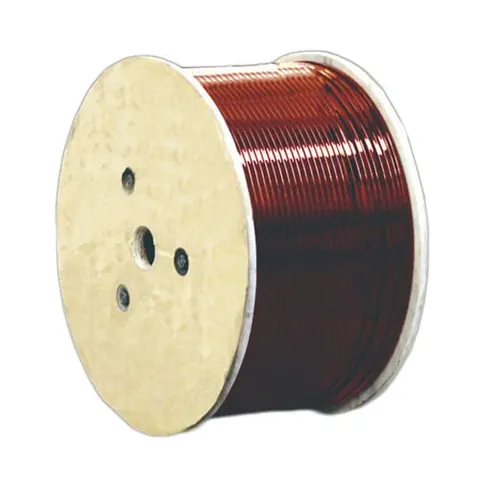
It is a winding wire, also called magnet wire, used in transformers, where the insulation coating provides electrical insulation and protection to prevent short circuits.
Conductor thickness a from 0.8 to 5.6mm and conductor width b from 2.00 to 16.00mm, with a conductor width ratio of 1.4:1.
Copper or aluminum, both chosen for their conductivity.
Enamel or polyurethane, which provide high electrical resistance and thermal stability.
Specifications beyond the production scope can be discussed. Send the required dimensions and we will confirm what can be produced.
They depend on the conductor material, size and insulation specified and are confirmed in writing with the quotation.
Send the drawing, capacity or duty cycle you need and we will come back with the factory match, the build detail and the commercial terms.
Email Our Sourcing TeamView Category