
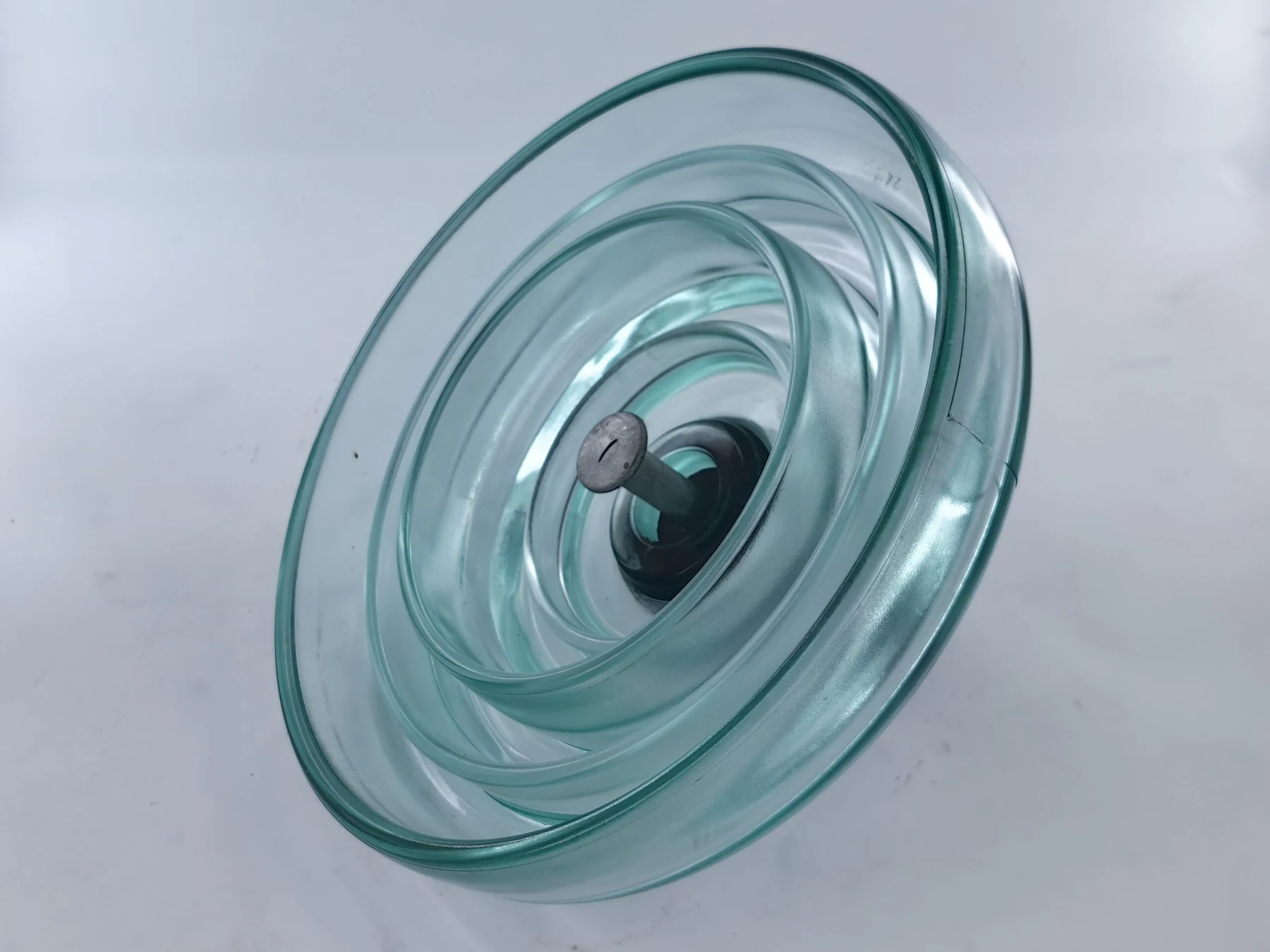
Glass Insulators For Coastal And Polluted Air
Anti-pollution insulation for salt fog coastlines, industrial corridors and chemical plant supply lines.
Pollution flashover has a pattern. Deposits build through a dry spell, the first light rain or heavy dew wets them without washing them off, leakage current rises, dry bands form, and the string flashes over. The countermeasure is leakage distance, and the fog profile delivers it without lengthening the string.
Pain Points In This Environment
- Salt aerosol reaches several kilometres inland and deposits continuously on the shed
- Cement dust, fertiliser and refinery fallout behave like salt once they get damp
- Outages cluster in the first rain after a dry period, which makes them look random
- Live line washing is an operating cost that recurs every season
What Buyers Actually Need
- Creepage matched to a measured or assessed pollution severity level
- A profile change that does not force a change in string length or tower clearance
- Consistent insulation across the whole polluted section, not a partial upgrade
- A record of where flashovers occur so re-insulation can be targeted
Where These Units Are Installed
Salt Fog Coastal Corridors
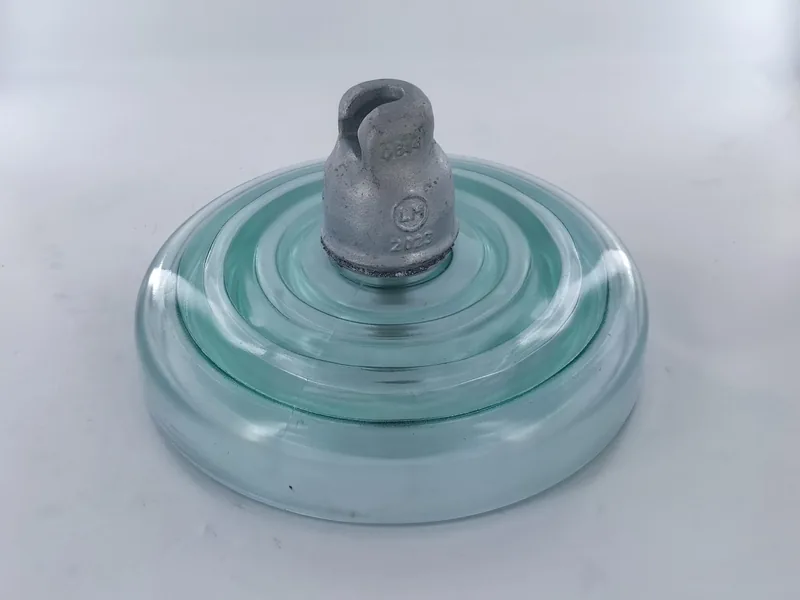
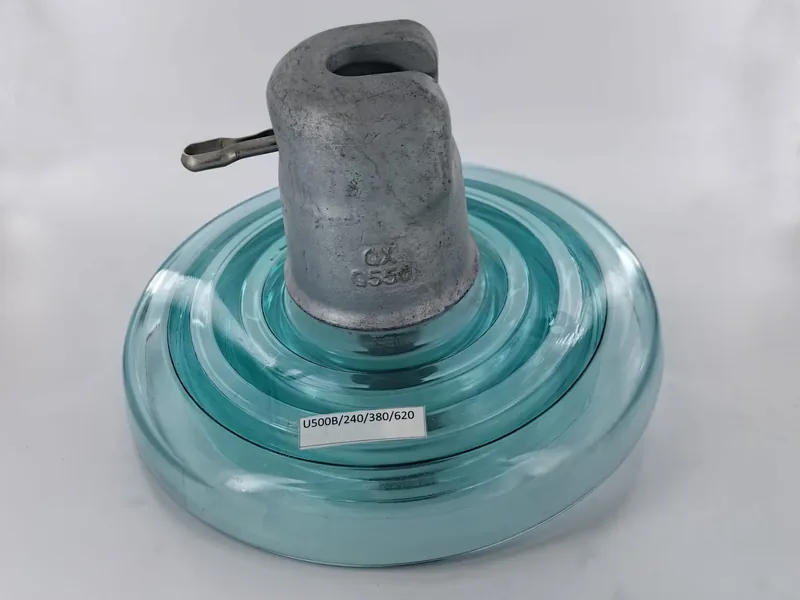
Lines within the salt deposition belt, including port, island and desalination plant connections. Fog profiles give 400 mm or 450 mm of creepage against 320 mm for the equivalent standard class.
Industrial And Cement Belts
Sections passing cement works, smelters, fertiliser plants and refineries. The deposit chemistry differs from salt but the wetting behaviour and the countermeasure are the same.
Targeted Section Re-Insulation
Flashover records usually point at specific spans rather than a whole line. Replacing those sections with fog units on the same 16 mm coupling and 146 mm spacing is a like for like swap.
Reducing Washing Programmes
Where washing is currently scheduled to manage flashover risk, a profile change removes the driver rather than managing it season by season.
Delivery Capability
- Choice of P1 at 400 mm creepage and P2 at 450 mm creepage
- 70 kN, 100 kN and 120 kN mechanical classes in both profiles
- Packing specified against marine and coastal transport
- Standard schedule of 30 days production plus 30 days delivery
Send Us The Line Data
Conductor, span, angle, ice and wind case, plus the pollution assessment for the corridor. That is enough to narrow the class and the profile before anything is quoted.
Coastal And Polluted Air Questions
How far inland does salt pollution matter?
It depends on prevailing wind, terrain and how exposed the corridor is, so it is judged from the site rather than from a fixed distance. If your flashover records show a coastal gradient, that gradient is your answer.
Can I use fog units only on the worst spans?
You can, but the section should be treated as a unit. The lowest creepage in a string governs its performance, and the same logic applies along a corridor with uniform pollution exposure.
Does a wider fog shed increase string weight?
Slightly. A fog P2 unit is 5.8 to 6.0 kg against 3.8 to 4.2 kg for the equivalent standard class. Check the string weight against the tower design when converting.
Guides For This Application
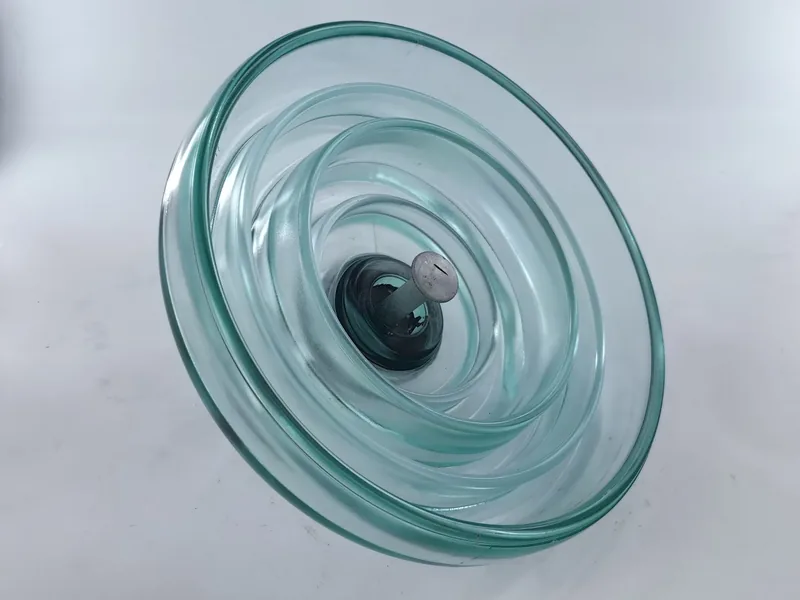
Fog Type Insulators Creepage And Pollution Levels
How 400 mm and 450 mm creepage profiles change a polluted string without changing its length.
Read The Guide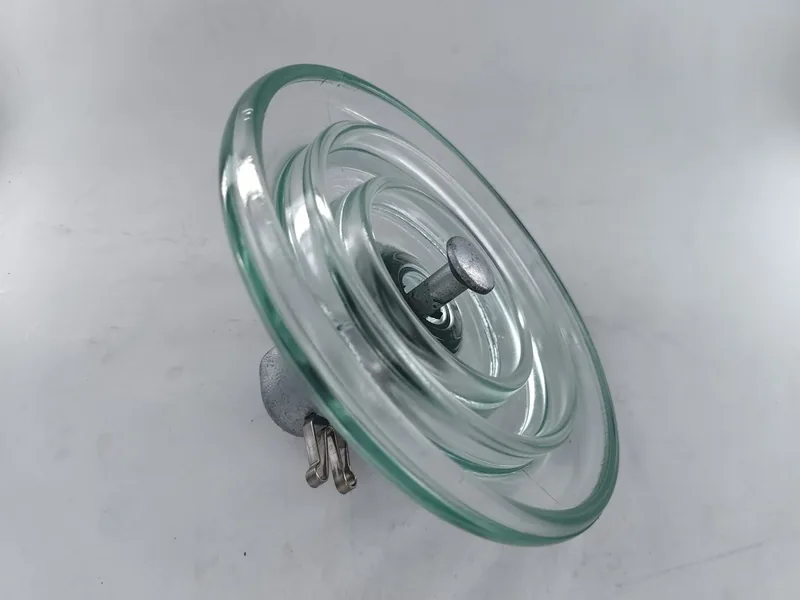
Toughened Glass Versus Porcelain And Composite Insulators
The three materials fail in different ways, and the difference in failure behaviour matters more to an operator than the difference in catalogue specification.
Read The GuideSpecify The Right Profile Before The Strength Class
Profile answers the environment, class answers the load case. Send us both and we will confirm what matches in our published tables.