
Project Supply And Export
From designation review through production, testing, packing and shipment to more than 40 destination countries.
A line project fails on the insulator schedule more often than on the insulator itself. The class is right, the coupling is wrong. The quantity is right, the packing cannot survive the inland leg. This is how an order moves through our plant and what each stage is there to prevent.
Specification Review
What goes wrong. Tender documents name designations from several standards at once, and some of them describe the same unit.
How we handle it. We map every line of the schedule onto a column in our published tables and come back with what matches, what is equivalent and what we do not make.
Class Confirmation
What goes wrong. Sets are sometimes sized on mechanical failing load with no reference to routine test tension.
How we handle it. Our tables publish tension proof load for every class, from 20 kN on a U40B to 275 kN on a U500B, so the set is sized against the value the units are actually proof loaded to.
Production Scheduling
What goes wrong. A line build runs to a tower erection programme, not to a factory calendar.
How we handle it. The standard schedule is 30 days production plus 30 days delivery. We confirm the delivery window against the site programme at order stage rather than after.
Routine Testing
What goes wrong. Site acceptance stalls when documentation does not cover what the inspector asks for.
How we handle it. Mechanical and electrical routine testing is part of production for every unit. Tell us what your acceptance process requires and it travels with the goods.
Packing
What goes wrong. Glass units see more handling between the plant and the tower than they ever see in service.
How we handle it. Packing is specified against destination, transport mode and the number of handling legs, including the inland run to a remote site.
Shipment
What goes wrong. Split shipments and staged deliveries create reconciliation problems on site.
How we handle it. Quantities, marking and carton contents are fixed with the order so what arrives can be checked against the schedule without unpacking every crate.
After Delivery
What goes wrong. Questions about a specific unit arise months later, when nobody remembers the order.
How we handle it. Units are marked with class and year, and the agreed specification stays on file against the project.
Products Covered By This Route
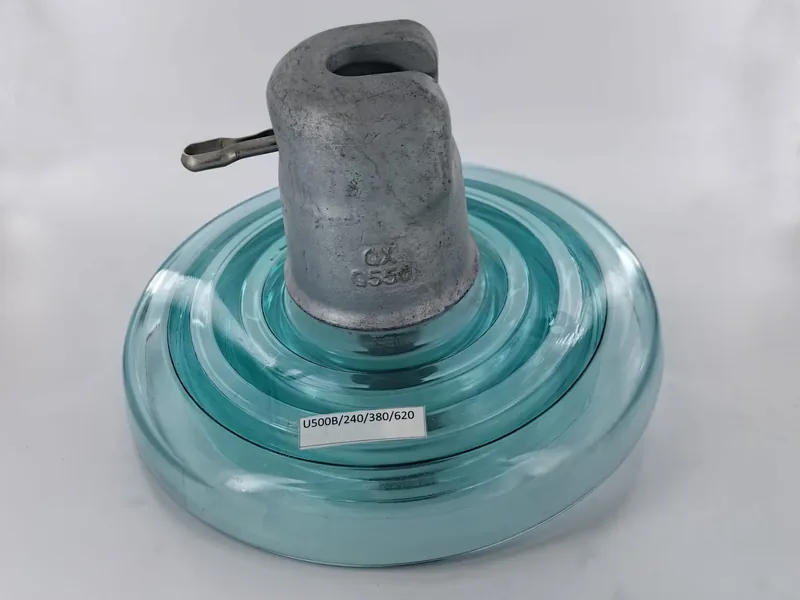
Standard Type LXP-160 To LXP-550
U160BL, U210B, U240B, U300B, U420B, U500B
View Specifications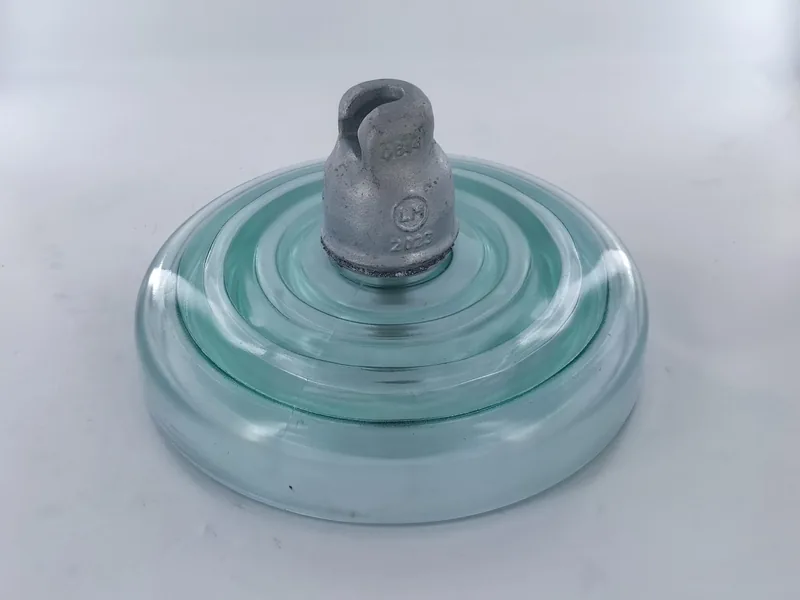
Fog Type LXWP1-70 To LXWP2-120
U70BLP1, U70BLP2, U100BLP1, U120BP1, U120BP2
View Specifications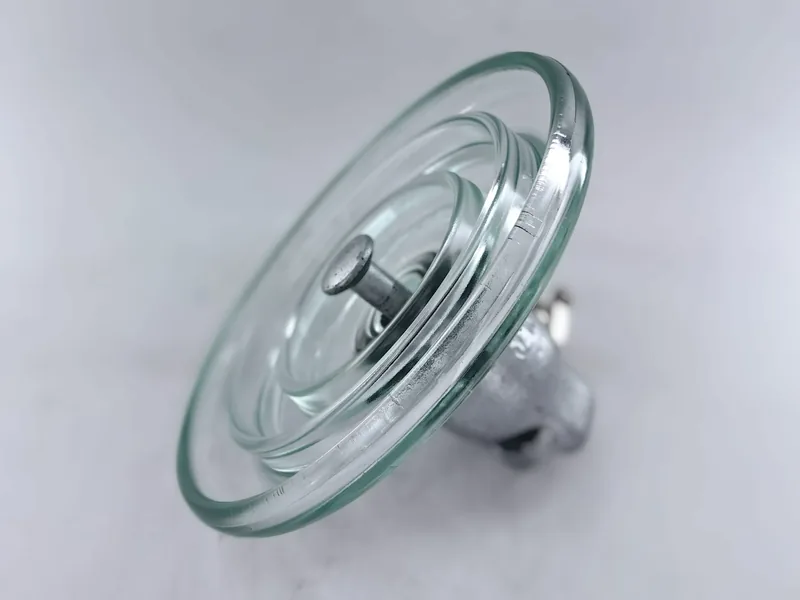
Standard Type LXP40 To LXP1-160
U40B, U70BS, U70BL, U100BL, U120B, U160BS
View Specifications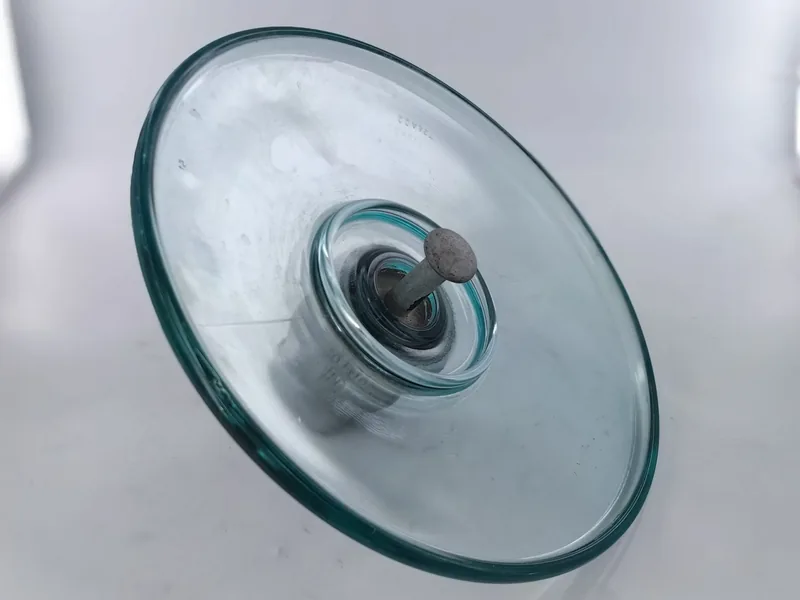
Aerodynamic Type LAXP-70 To LAXP-160
U70BP, U100BP, U120BP, U160BP
View SpecificationsProject Supply And Export Questions
What is your delivery time?
Production 30 days plus delivery 30 days.
Which countries do you already export to?
Huasheng products are exported to more than 40 countries, including Canada, the United States, Ecuador, Argentina, Australia, the United Kingdom, Italy, Viet Nam, Malaysia, Sri Lanka, India, Bangladesh, Lebanon, South Africa and Egypt.
Can we inspect before shipment?
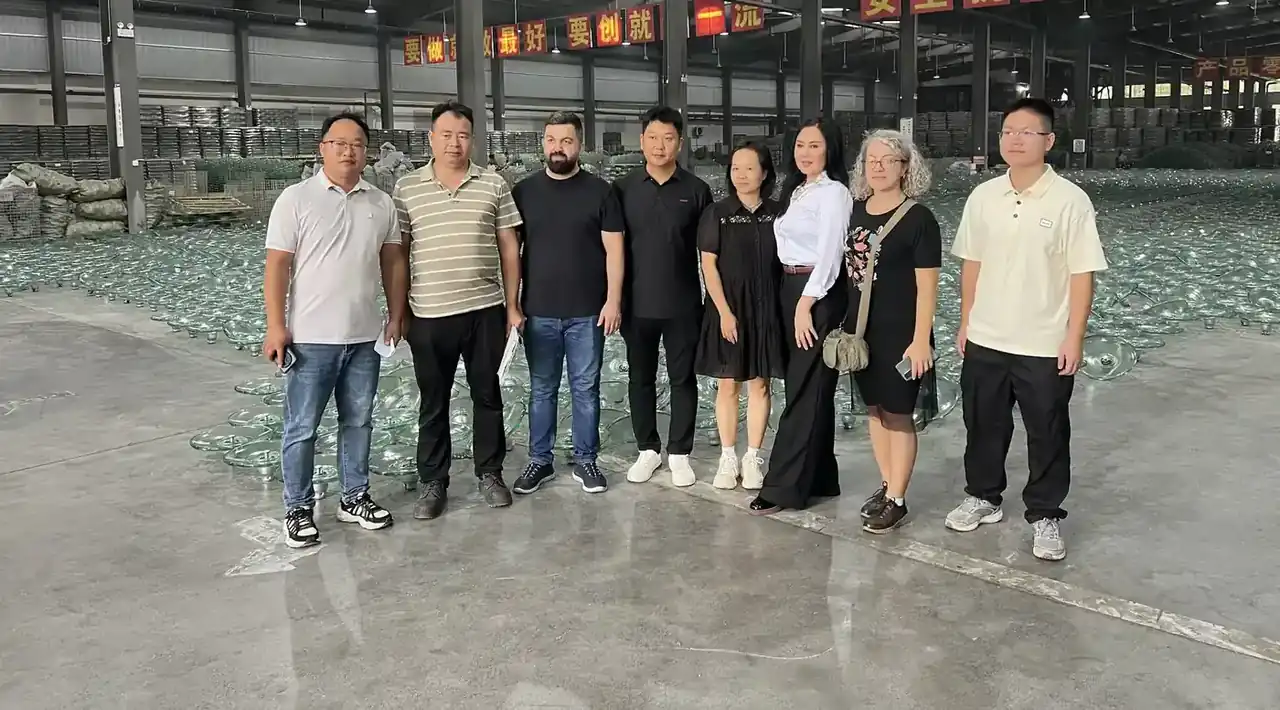
Customers are welcome at the plant in Luxi Industrial Park, Pingxiang, Jiangxi, China. Tell us what you want to see and when, and we will arrange the visit around the production stage you care about.
How do you decide the packing for our destination?
From the transport mode, the number of handling legs and the inland leg at the far end. A container that goes port to port is packed differently from one that transfers to trucks for a long run to a remote site.
Start With A Written Specification
Designation convention, marking, packing and destination fixed before production. That is what makes the second order identical to the first.