
Fog Type Insulators Creepage And Pollution Levels
How 400 mm and 450 mm creepage profiles change a polluted string without changing its length.
What Creepage Actually Measures
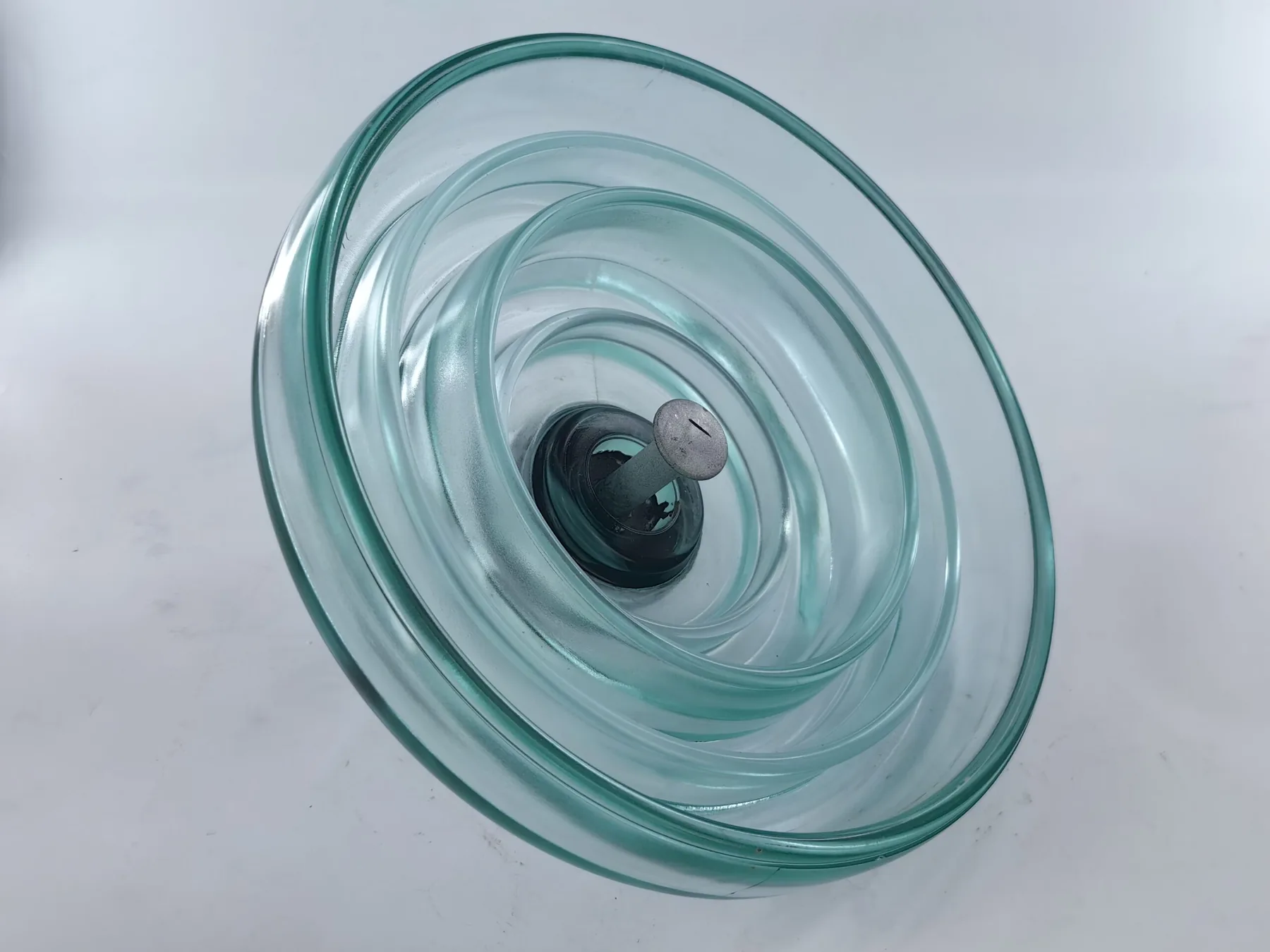
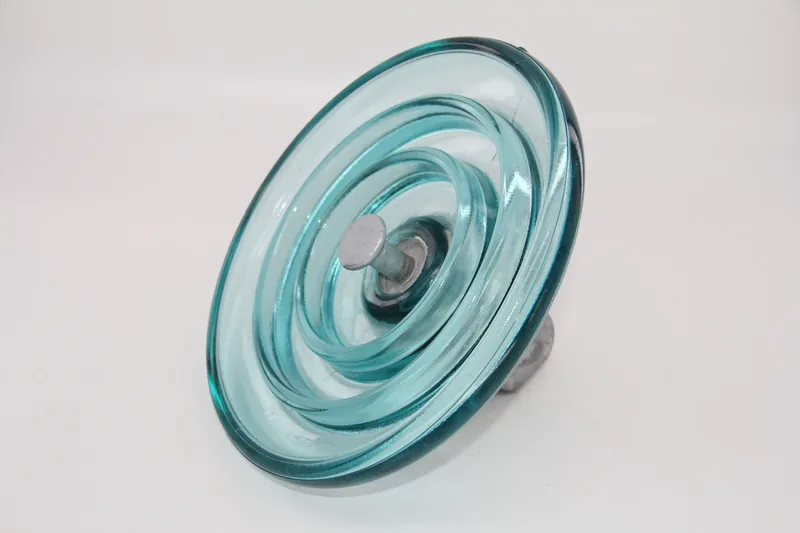
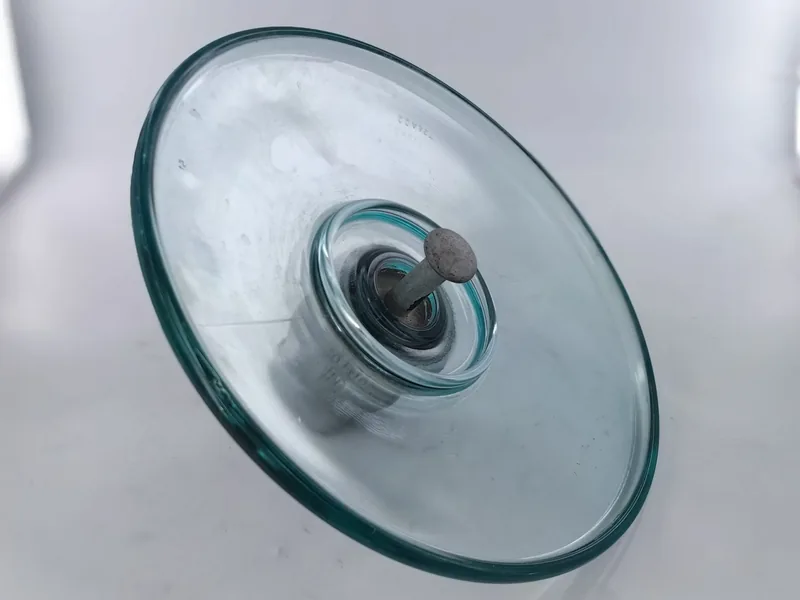
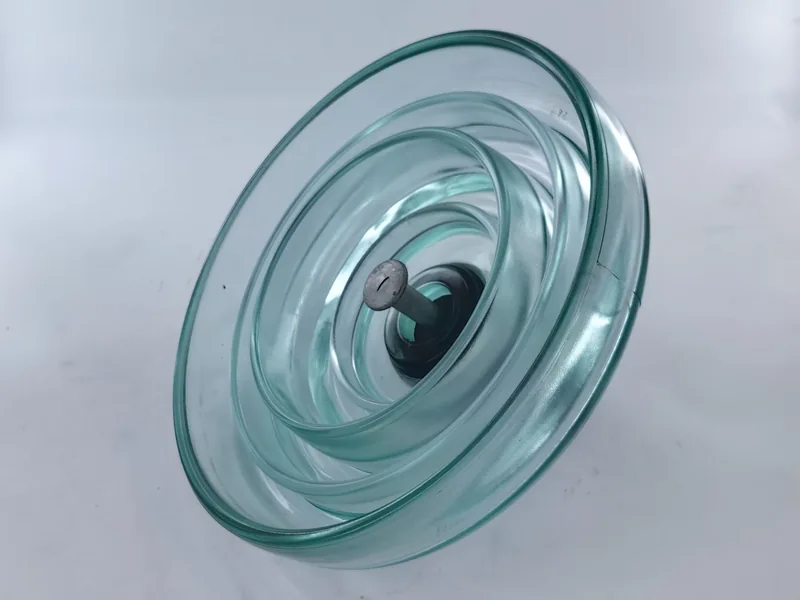
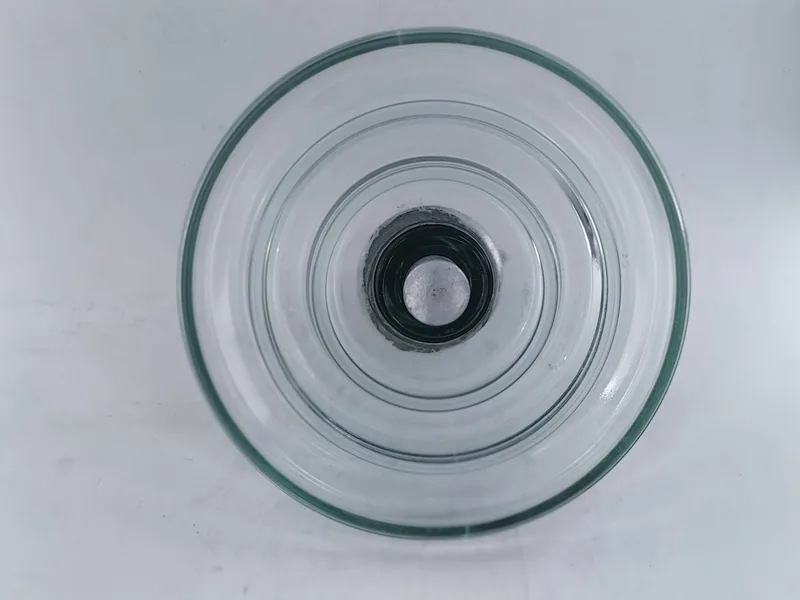
Leakage distance is the length of the path a current would have to travel across the surface of the insulator from the cap to the pin. Adding sheds and underribs lengthens that path without making the unit taller. A standard U70BL runs 320 mm. A fog U70BLP1 runs 400 mm and a U70BLP2 runs 450 mm, all on the same 146 mm spacing.
Why Pollution Turns That Path Into A Problem
Dry deposits are not conductive. Wet deposits are. The dangerous condition is light wetting, dew, fog or the first drizzle after a dry spell, which dissolves the deposit without washing it away. Leakage current rises, the surface dries unevenly, dry bands form, and arcing across those bands can bridge the whole unit. This is why flashovers cluster after dry weather rather than during heavy rain.
The Two Profiles And What They Are For
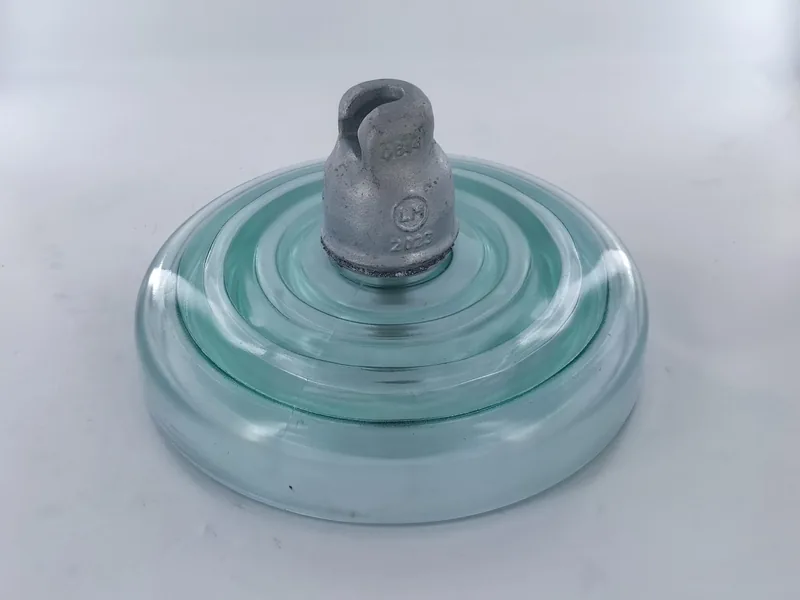
P1 gives 400 mm of creepage on a 255 mm shed. P2 gives 450 mm on a 280 mm shed. Both are available at 70 kN, 100 kN and 120 kN mechanical failing load, all on a 16 mm coupling. P1 suits moderate pollution. P2 suits heavy pollution or a section with a documented flashover record.
Doing The Calculation
Your standard will express the requirement as a specific creepage in mm per kV for the pollution severity level at the site. Multiply that by the system voltage to get the string requirement, then divide by the unit leakage distance to get the unit count. The reason a fog profile is worth specifying is that the same string requirement is met with fewer units, or with the same unit count and more margin.
What Does Not Change
Spacing stays at 146 mm across the whole fog family, identical to a standard U70BL or U120B. The coupling stays at 16 mm. String length for a given unit count is therefore unchanged, tower clearance is unchanged, and the existing hardware still mates. Only the shed geometry and the unit weight differ, 5.2 to 6.0 kg against 3.8 to 4.2 kg.
Treat The Section As One Unit
The lowest creepage link governs the string, and along a corridor with uniform pollution exposure the same logic applies from tower to tower. A partial upgrade leaves the untreated spans as the flashover sites, which makes the improvement look smaller than it is.
Questions On This Topic
Can I mix fog and standard units in the same string?
The couplings mate at 16 mm, but the string performs to its weakest creepage link, so mixing defeats the purpose of specifying the fog profile.
Is more creepage always better?
No. Creepage costs shed diameter and weight, and in dry pollution regions the deep underribs that generate it trap sand. Match the profile to the pollution type first, then to the severity.
How much heavier is a fog unit?
Between 5.2 kg and 6.0 kg depending on class and profile, against 3.8 kg to 4.2 kg for the equivalent standard class.
Related Industry Pages
Apply This To Your Own Line
Send the designation, the load case and the pollution assessment. We will confirm which class fits and which of our tables it sits in.