
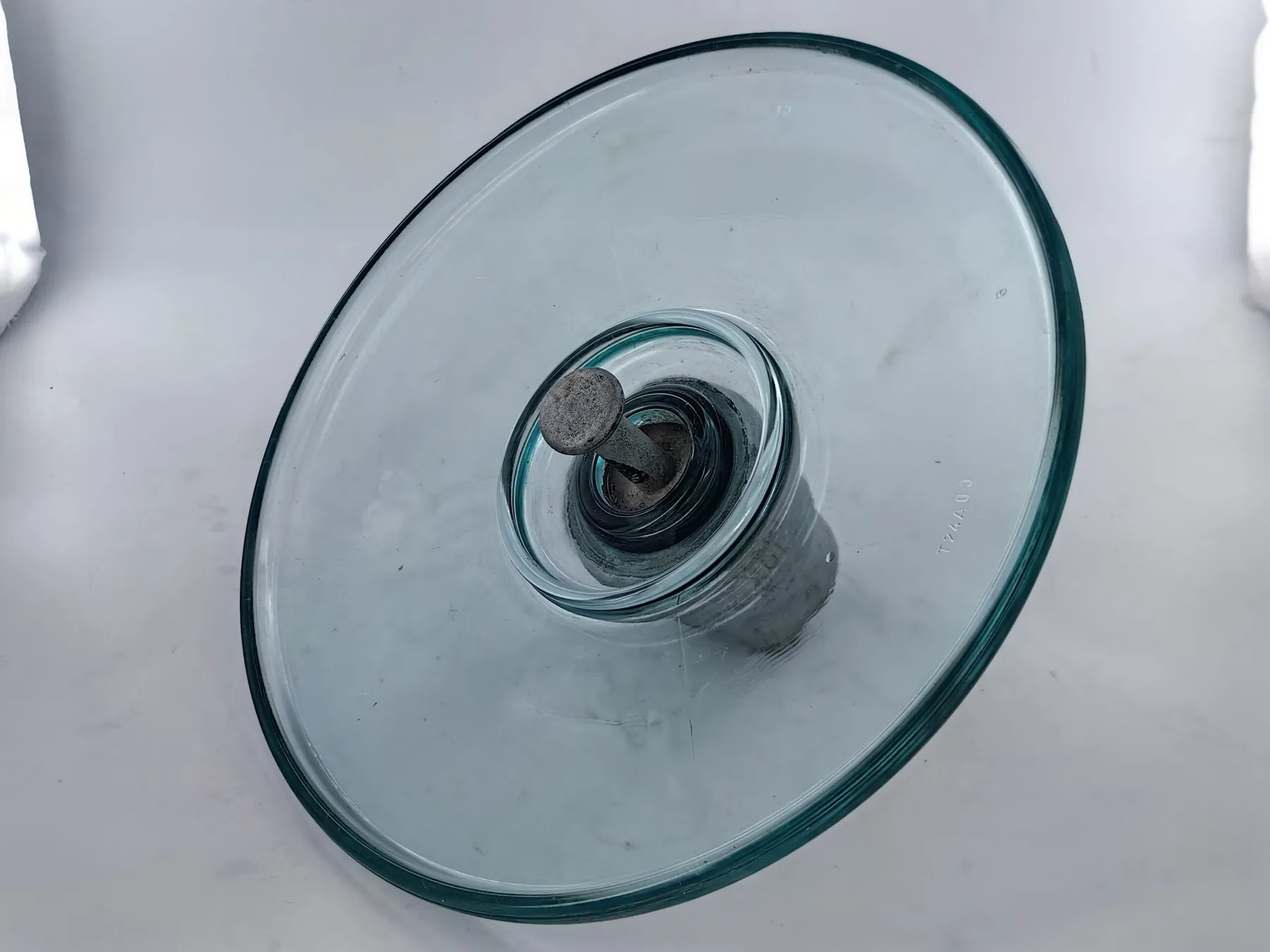
Glass Insulators For Desert And Sandstorm Regions
Open profile insulation for dry pollution, wind-carried sand and long intervals between rain events.
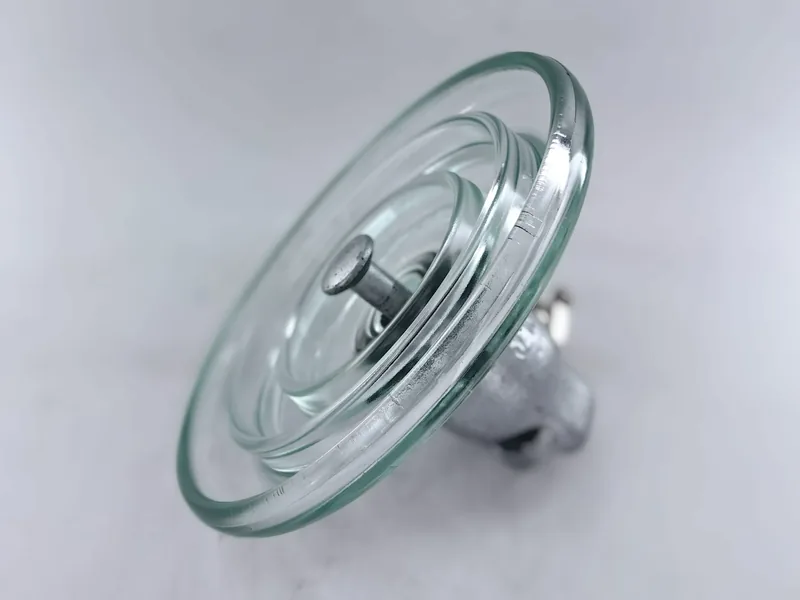
In arid regions the natural wash cycle that ribbed profiles rely on may not arrive for months. Deposits accumulate where the geometry lets them, and the only cleaning agent available most of the year is wind. The aerodynamic profile is designed around that fact.
Pain Points In This Environment
- Wind-carried sand lodges under ribbed sheds and stays through the dry season
- Dry band arcing develops on deposits that never wash off naturally
- Cleaning crews cannot practically reach every tower on a long remote line
- Solar and wind generation is often sited exactly where the dust problem is worst
What Buyers Actually Need
- A shed geometry with nothing for dry deposits to lodge behind
- Mechanical classes covering both light suspension and heavier angle work
- Robust packing for long inland transport to remote sites
- Clear published dimensions so string wind loading can be recalculated
Where These Units Are Installed
Desert Transmission Corridors
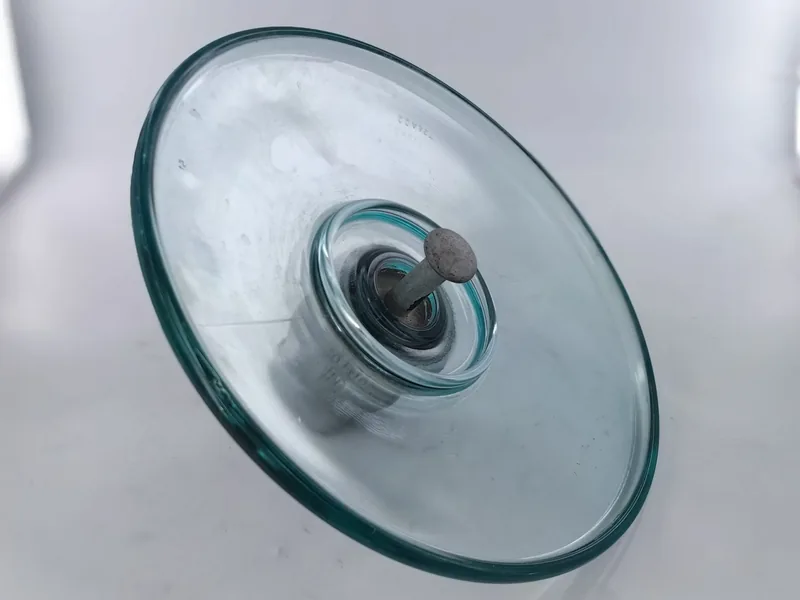
Long lines crossing arid terrain with months between rain events. A 380 mm open shed presents no ledge for sand to settle on.
Renewable Evacuation Lines
Solar plants are built where irradiance is highest, which is usually where dust is worst. The evacuation line inherits that environment from day one.
High Altitude And Icing Sections
An open profile bridges less readily in wet snow and icing than a closely ribbed one, which is why the same geometry appears on some high altitude lines.
Lines Without Practical Cleaning Access
Where a washing programme is not realistic, the geometry has to do the work. That is the whole design intent of this profile.
Delivery Capability
- 70 kN, 100 kN, 120 kN and 160 kN mechanical classes available
- 380 mm shed to the 120 kN class and 420 mm on the 160 kN class
- Packing specified for long road transport and multiple handling legs
- Standard schedule of 30 days production plus 30 days delivery
Send Us The Line Data
Conductor, span, angle, ice and wind case, plus the pollution assessment for the corridor. That is enough to narrow the class and the profile before anything is quoted.
Desert And Sandstorm Regions Questions
Would fog type insulators work in a desert?
They would work against the leakage distance, but their underribs hold dry sand, which is the opposite of what the site needs. Match the profile to the pollution type, not to the severity alone.
Do I need to change my tower design to use a 380 mm shed?
Not usually, but string wind loading and clearance should be checked against the wider disc when converting from a 255 mm standard profile.
What about combined sand and salt exposure near a desert coast?
That case needs a judgement rather than a rule. Send us the pollution assessment and the flashover history and we will tell you which of our profiles fits and where it does not.
Guides For This Application
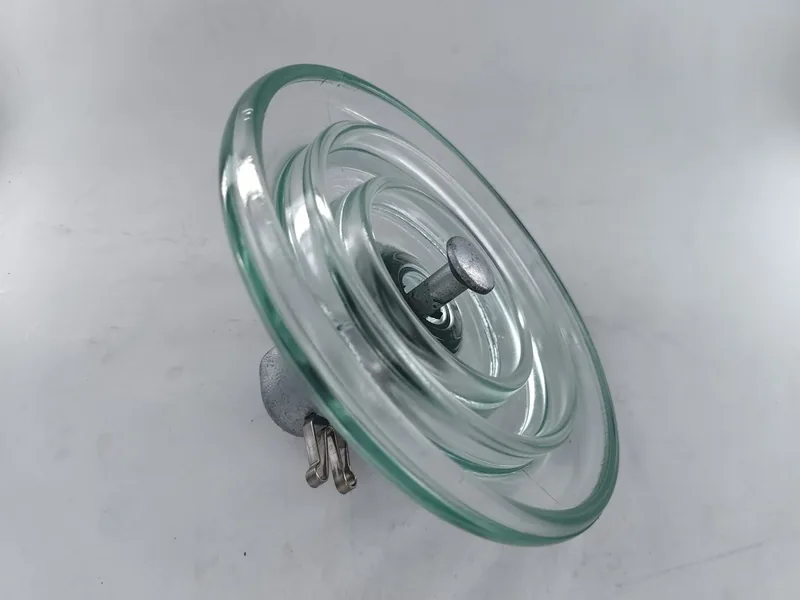
Toughened Glass Versus Porcelain And Composite Insulators
The three materials fail in different ways, and the difference in failure behaviour matters more to an operator than the difference in catalogue specification.
Read The Guide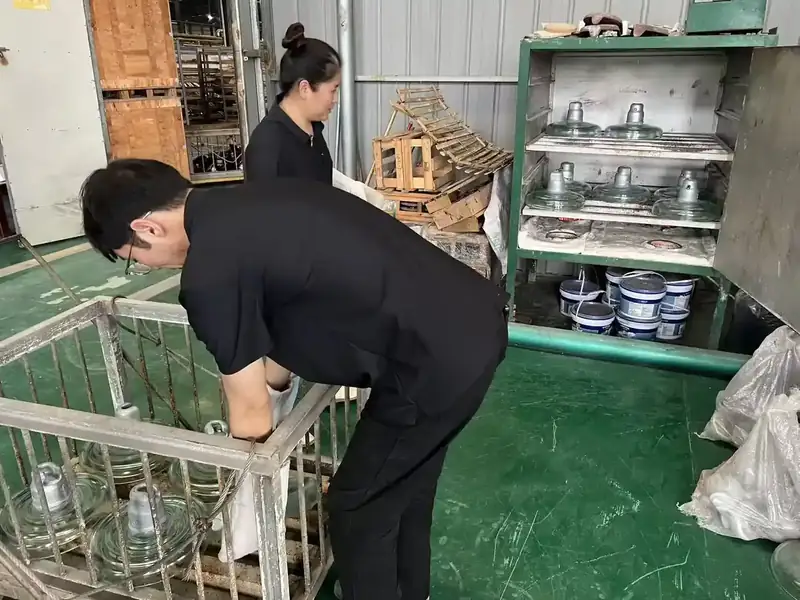
Packing And Shipping Toughened Glass Insulators
Most breakage happens between the plant and the tower, not on it. What to specify with the order so it does not.
Read The GuideSpecify The Right Profile Before The Strength Class
Profile answers the environment, class answers the load case. Send us both and we will confirm what matches in our published tables.