
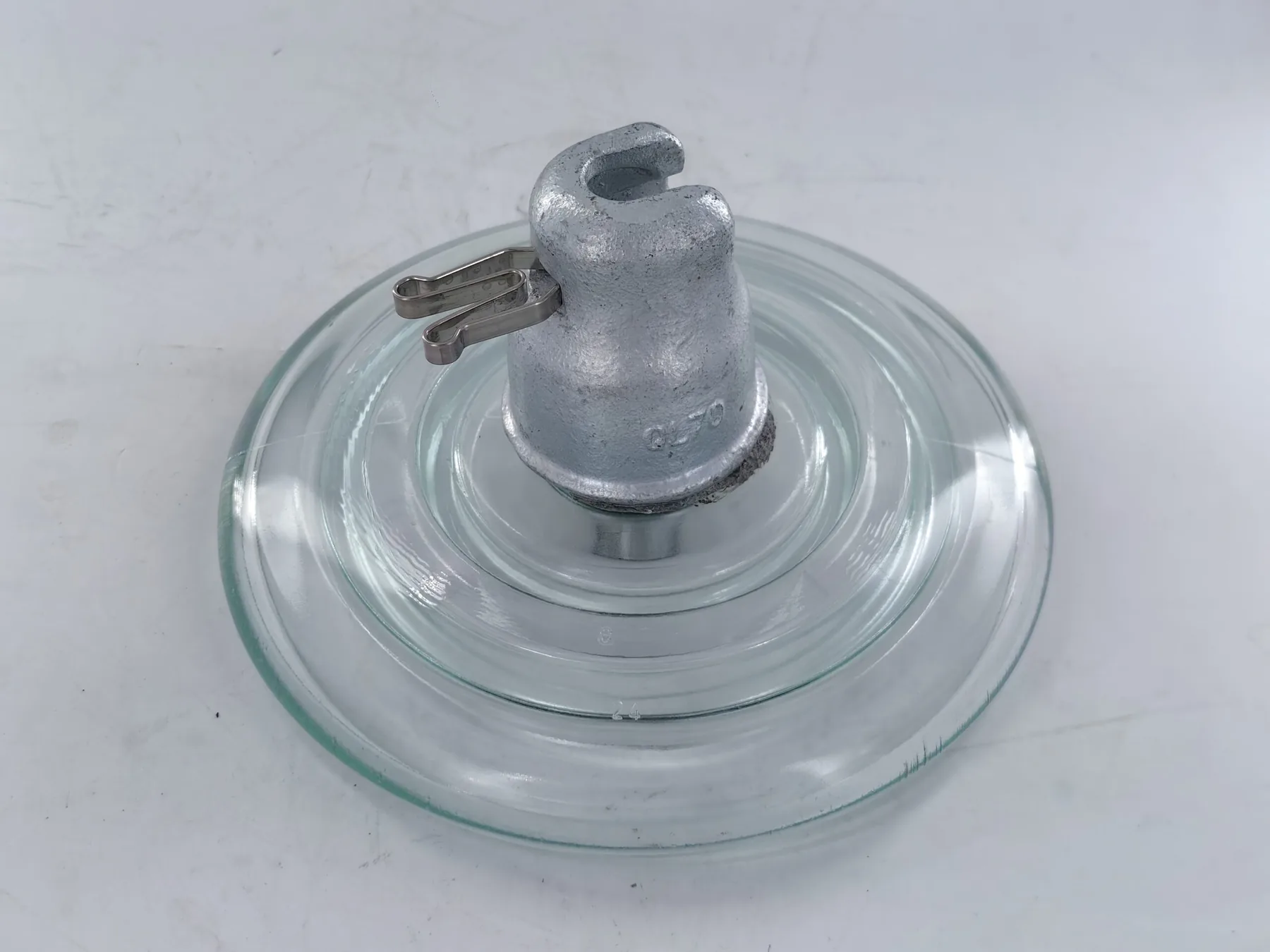
Glass Insulators For Overhead Transmission Lines
Suspension and tension strings for tangent, angle and dead end towers on systems up to 500 kV AC and 400 kV DC.
An overhead line is a chain of decisions about mechanical margin and creepage, repeated at every tower. Huasheng covers that chain with one product family, from a 40 kN unit on a distribution spur to a 550 kN unit on a river crossing dead end.
Pain Points In This Environment
- Punctured units on a porcelain string cannot be found without survey equipment, so faults are located by outage rather than by patrol
- Strings specified on failing load alone give the designer no routine proof value to size against
- Replacement stock has to cover several coupling sizes because legacy strings were bought from different suppliers
- Creepage requirements creep upward as industrial development spreads along the corridor
What Buyers Actually Need
- Designations that match what the utility specification already names, in GB or IEC form
- Published tension proof load for every class, not only mechanical failing load
- Coupling sizes that mate with the yoke plates and hardware already in the inventory
- A failure mode that a line patrol can see from the ground
Where These Units Are Installed
Tangent Tower Suspension Strings
The majority of units on any line. U70BL and U120B classes on 146 mm spacing with 16 mm couplings cover most conventional designs, giving 320 mm of creepage per unit in clean air.
Angle And Dead End Tension Sets
Resultant loads climb fast at angle towers. The U160BL to U500B family carries tension proof loads from 80 kN to 275 kN with couplings up to 32 mm to match heavy hardware.
Long Span And Crossing Structures
River, valley and motorway crossings run long heavy conductors with high static tension. U420B and U500B units combine 420 kN and 550 kN failing loads with 550 mm and 640 mm of creepage.
Re-Insulation Of Existing Lines
Where a section flashes over repeatedly, swapping standard units for fog profiles on the same 146 mm spacing and 16 mm coupling keeps the tower geometry and changes only the creepage.
Products For This Application
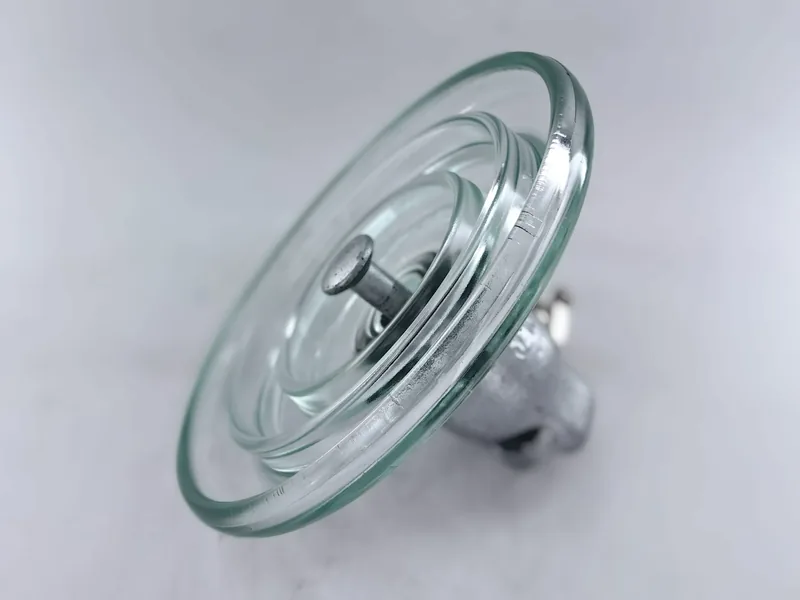
Standard Type LXP40 To LXP1-160
U40B, U70BS, U70BL, U100BL, U120B, U160BS
View Specifications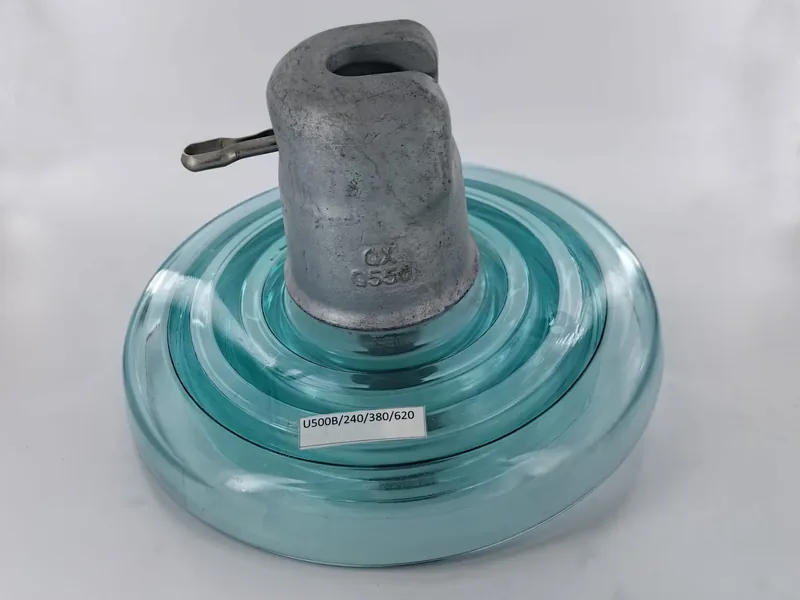
Standard Type LXP-160 To LXP-550
U160BL, U210B, U240B, U300B, U420B, U500B
View Specifications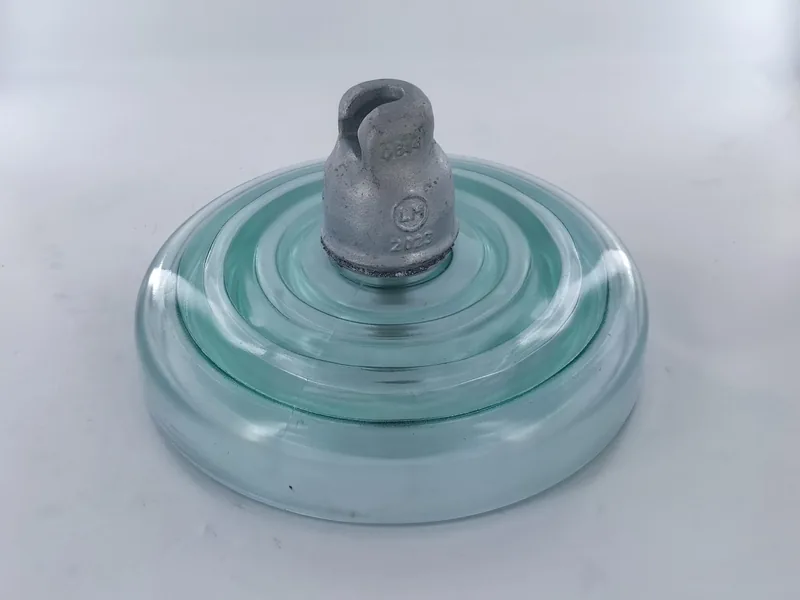
Fog Type LXWP1-70 To LXWP2-120
U70BLP1, U70BLP2, U100BLP1, U120BP1, U120BP2
View Specifications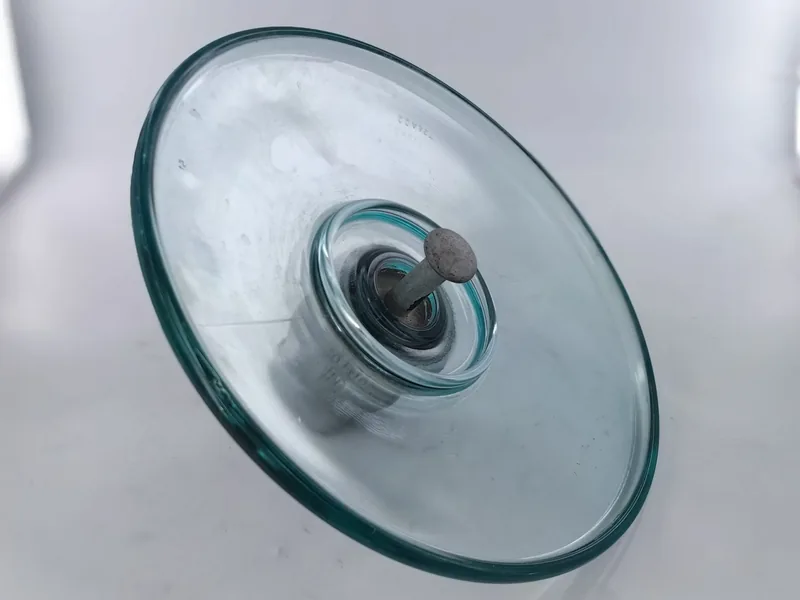
Aerodynamic Type LAXP-70 To LAXP-160
U70BP, U100BP, U120BP, U160BP
View SpecificationsDelivery Capability
- Standard schedule of 30 days production plus 30 days delivery
- Packing specified per destination and transport mode at order stage
- Units marked with class and year for site acceptance
- Private label marking available for utilities and distributors with their own convention
Send Us The Line Data
Conductor, span, angle, ice and wind case, plus the pollution assessment for the corridor. That is enough to narrow the class and the profile before anything is quoted.
Overhead Transmission Lines Questions
Do you supply for DC lines as well as AC?
Huasheng specialises in insulator manufacture for systems up to 500 kV AC and 400 kV DC.
How do I convert a GB designation in an old drawing to what I should order?
Most GB LXP classes have a direct IEC U class equivalent listed in the same row of our specification tables. Send us the designation on the drawing and we will confirm which column of which table it corresponds to.
Can you match the coupling on our existing strings?
Couplings across the range run 11, 16, 20, 24, 28 and 32 mm. Tell us the size stamped on the units you are replacing and we will confirm which classes mate with it.
Guides For This Application
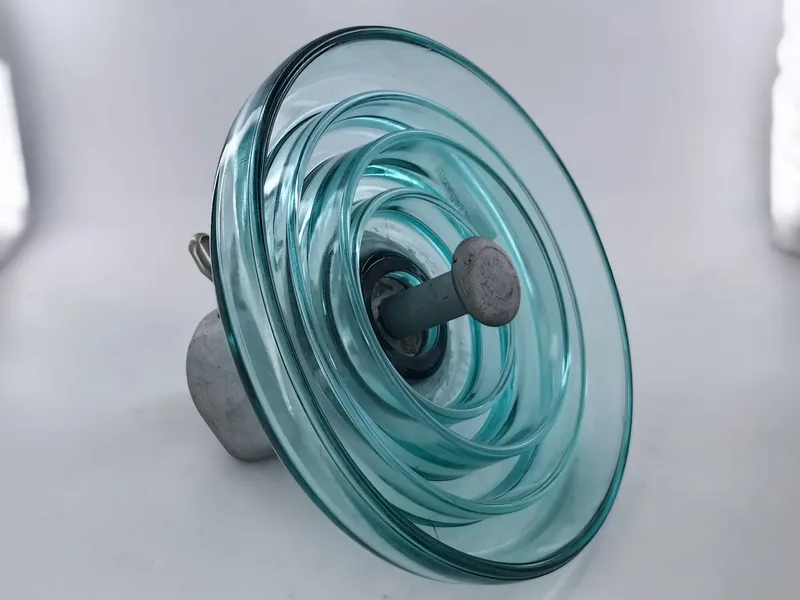
How To Select A Suspension Insulator Strength Class
Mechanical failing load is the number in the class name. Tension proof load is the number you should be sizing against.
Read The Guide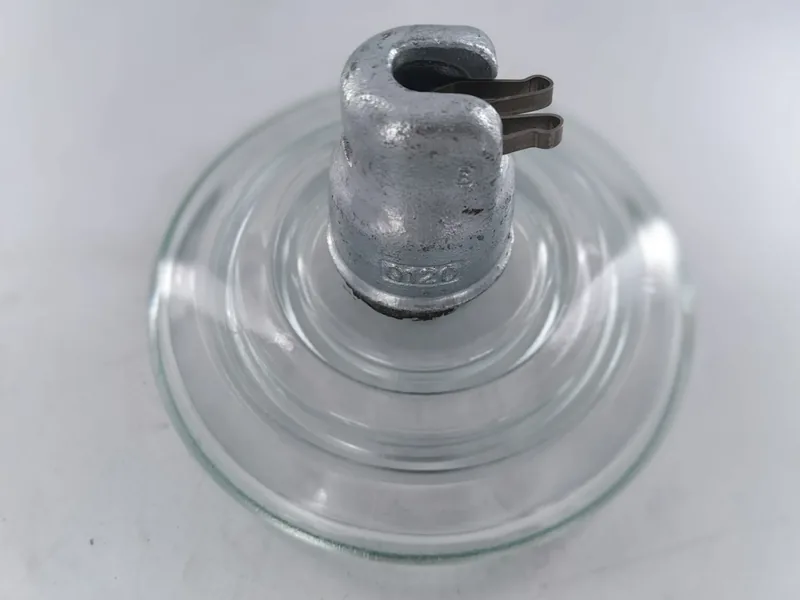
IEC And GB Insulator Designations Explained
How to read LXP-160, U160BL, LXWP2-120 and U120BP2, and why two different codes can describe the same unit.
Read The GuideSpecify The Right Profile Before The Strength Class
Profile answers the environment, class answers the load case. Send us both and we will confirm what matches in our published tables.