
All Toughened Glass Insulator Products
Every product family and every published class in one page, with no pagination and nothing held back. Jump to a family or scroll the whole range.
Glass Insulators
Every unit Huasheng makes sits in this family. The three sub families below split it by shed profile.
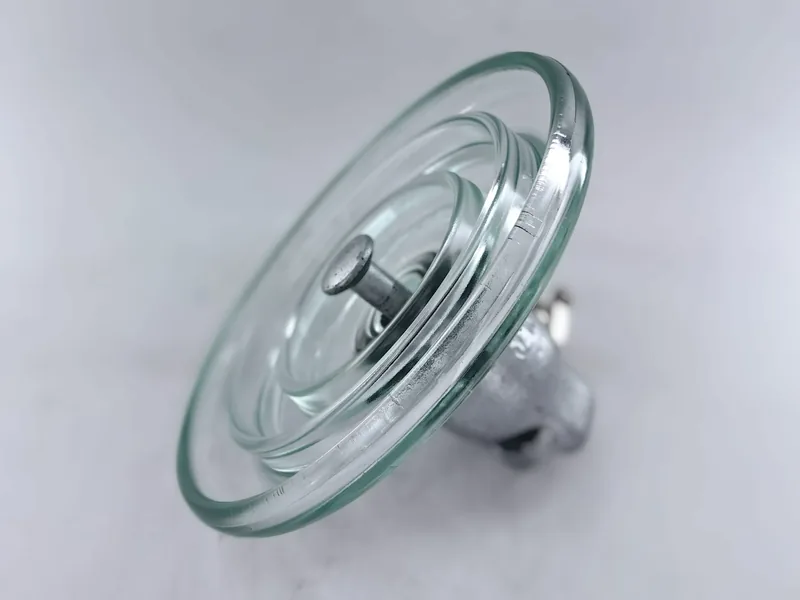
Standard Type LXP40 To LXP1-160
U40B, U70BS, U70BL, U100BL, U120B, U160BS
View Specifications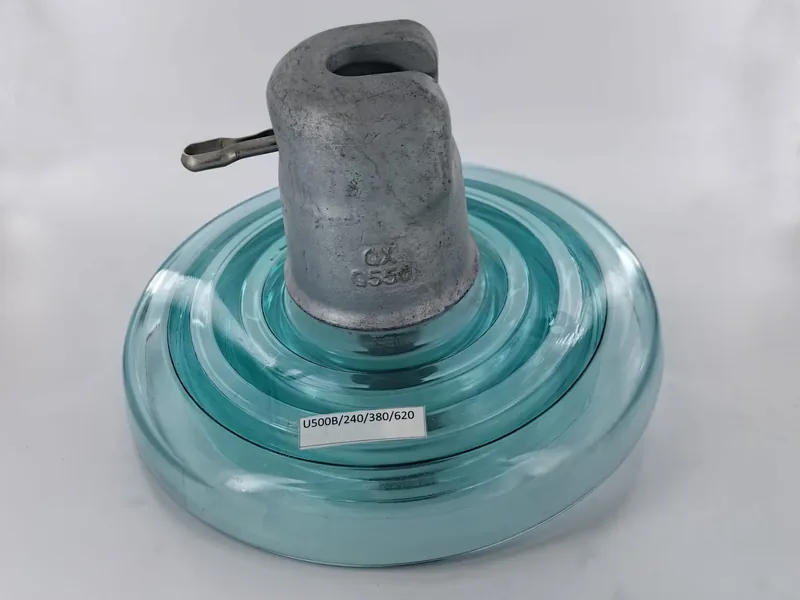
Standard Type LXP-160 To LXP-550
U160BL, U210B, U240B, U300B, U420B, U500B
View Specifications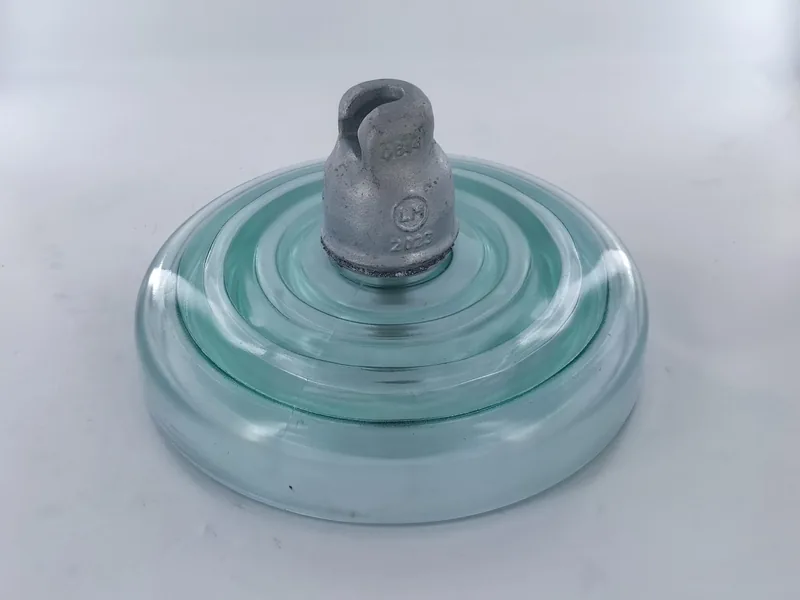
Fog Type LXWP1-70 To LXWP2-120
U70BLP1, U70BLP2, U100BLP1, U120BP1, U120BP2
View Specifications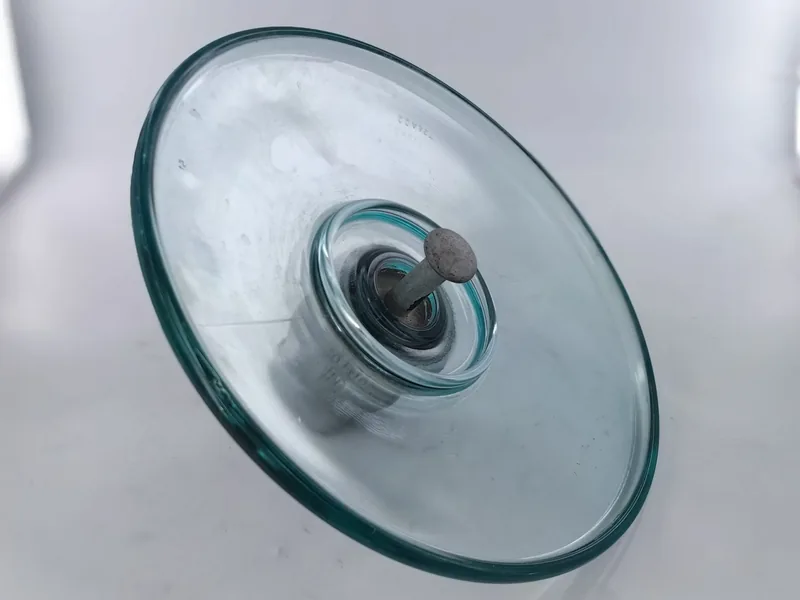
Aerodynamic Type LAXP-70 To LAXP-160
U70BP, U100BP, U120BP, U160BP
View SpecificationsStandard Type Insulator
Ribbed profile cap and pin units covering U40B through U500B, the default choice for clean and lightly polluted line environments.
Fog Type Insulator
Anti-pollution bell profile units giving 400 mm or 450 mm creepage on the same 146 mm spacing as a standard unit.
Aerodynamic Type Insulator
Open flat profile units 380 mm to 420 mm wide with no underribs, so wind and rain clear deposits instead of trapping them.
Frequently Asked Questions
How many products do you actually make?
Four product families covering thirty published classes between them. That is the complete range, there is no separate catalogue held back.
Which family should I look at first?
Start from the site environment. Clean air points at standard type, salt fog and industrial pollution at fog type, dry sand and dust at aerodynamic type. Then pick the strength class from the load case.
Do all four families use the same couplings?
They overlap. 16 mm covers the common 70 kN to 120 kN classes across all three profiles. Above that, standard type continues through 20, 24, 28 and 32 mm couplings.
Are prices listed on this site?
No. Price depends on class, quantity, marking and packing, so it is quoted against a specific enquiry rather than published.
Not Sure Which Class Your Specification Means
Send the designation exactly as written, with the coupling size stamped on the units you are replacing. Those two identify one column in one of our tables.