
Toughened Glass Versus Porcelain And Composite Insulators
The three materials fail in different ways, and the difference in failure behaviour matters more to an operator than the difference in catalogue specification.
The Question Is Not Which Is Strongest
All three materials are made in classes that carry the loads a transmission line puts on them. Porcelain, toughened glass and composite units are all available at 70 kN, 120 kN and 160 kN. Specifying on mechanical class alone will not separate them. What separates them is what happens when a unit stops insulating, and how long it takes the operator to find out.
How Porcelain Fails
A porcelain cap and pin unit can puncture through its dielectric while the shell stays intact and mechanically sound. The string looks normal from the ground and from a helicopter. Locating punctured units means a buzz stick survey on the string, a thermal or E-field scan, or waiting for the flashover that finally takes the section out. The defect exists long before anyone knows about it.
How Composite Units Fail
A composite unit hides its condition inside the housing. Brittle fracture of the core, seal failure at the end fitting and loss of hydrophobicity all develop out of sight. Composite units are far lighter to install, which is a real advantage on a dead end, but the condition assessment problem is harder than porcelain rather than easier.
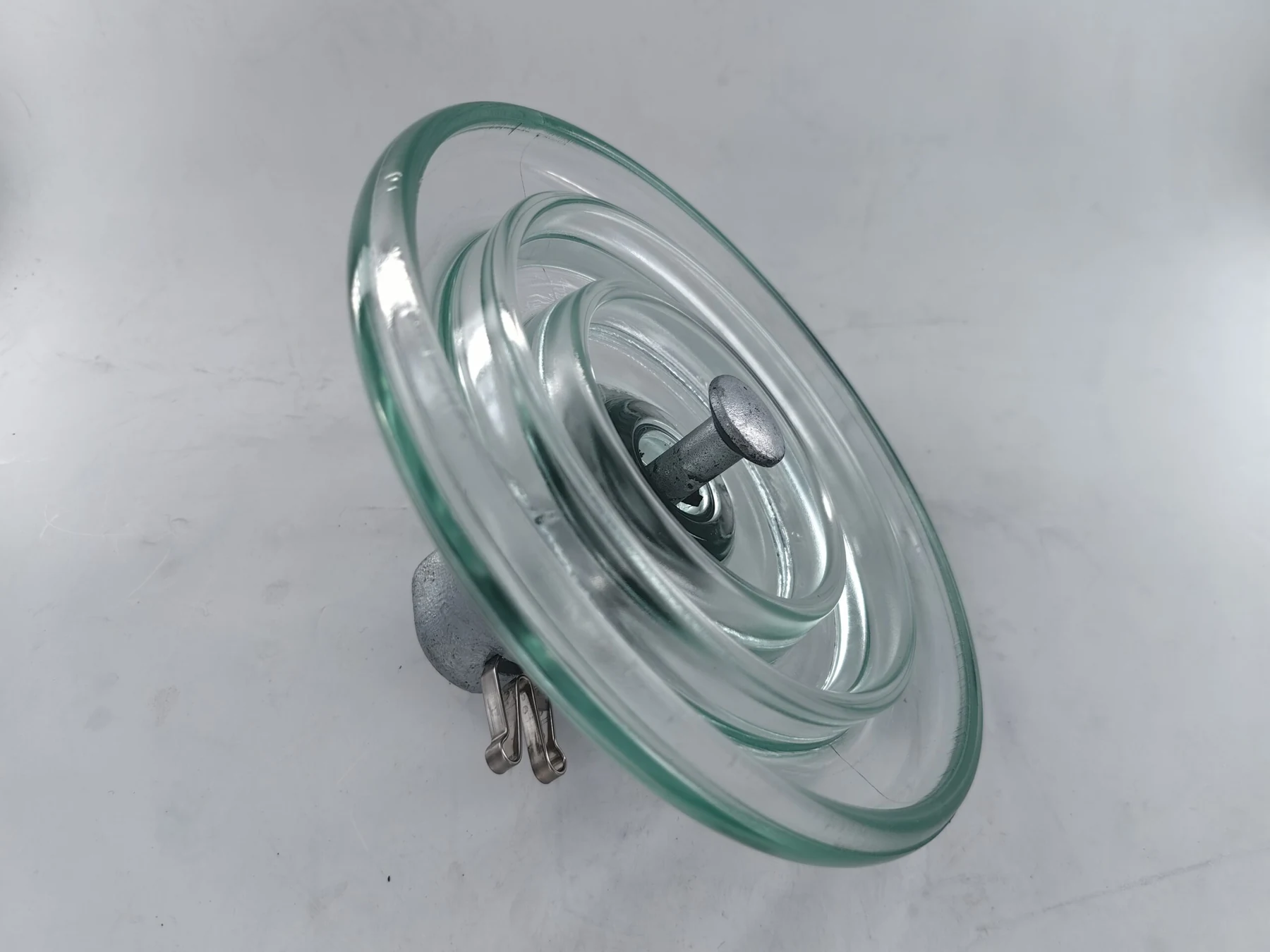
How Toughened Glass Fails
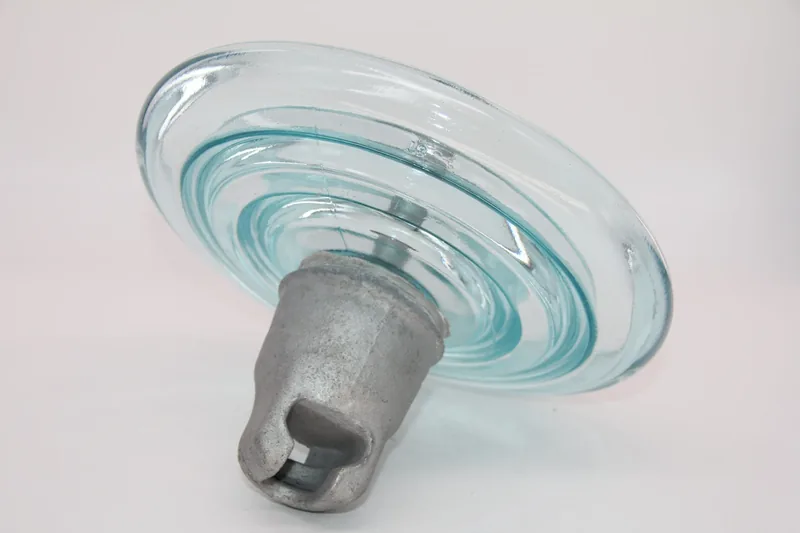
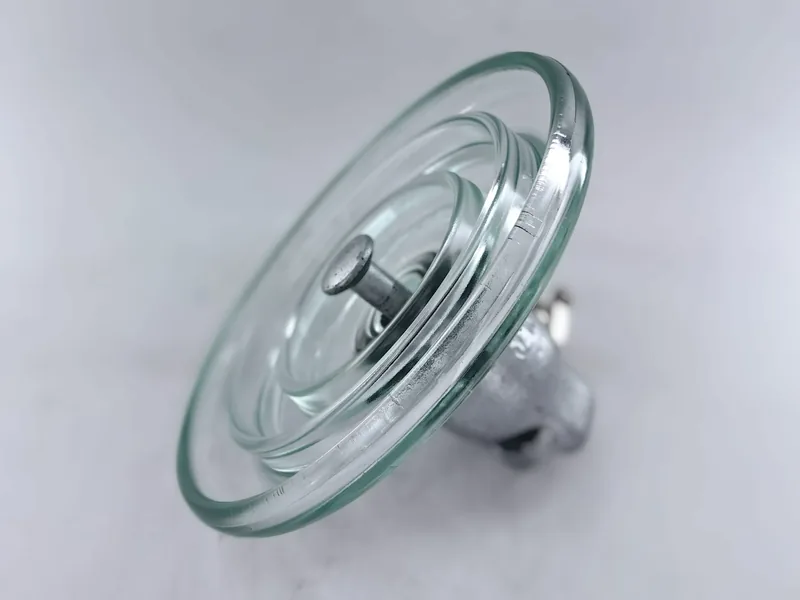
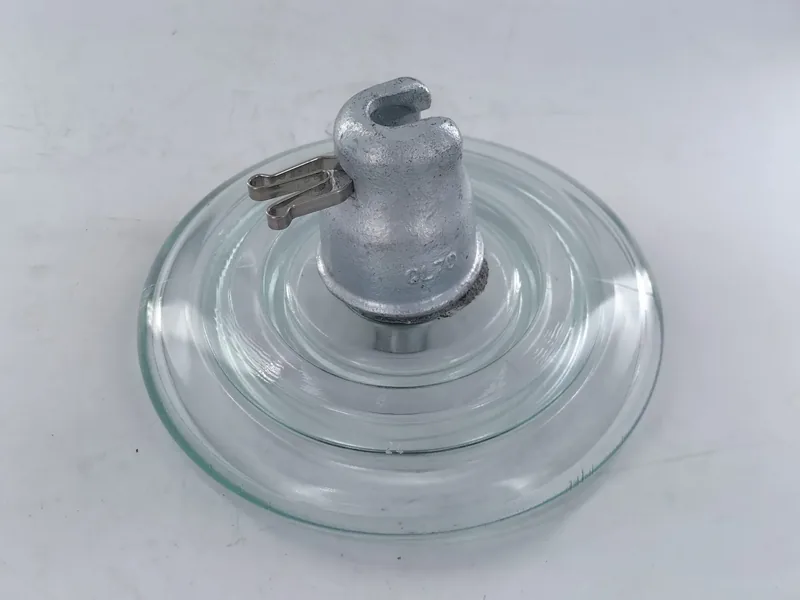
The shell is thermally toughened, which means the surface is in compression and the interior in tension. When the dielectric fails, that stored energy releases and the shell shatters completely, leaving the cap, pin and cement stub in the string. The string keeps its mechanical integrity because the stub still carries load. The defect is visible from the ground on the next routine patrol.
What That Changes For Maintenance
Condition assessment becomes a patrol task rather than a survey campaign. Replacement becomes planned rather than reactive. The operator does not need to own or hire detection equipment, and does not need to schedule a section outage to find out whether a problem exists. On a long line with limited access, this is usually the argument that decides the material.
Where Glass Is The Wrong Answer
Glass units are heavier than composite ones, and on a long heavy dead end that weight is installed by hand. In vandalism-prone areas a glass shell is a target in a way a composite housing is not. And where the line is short, accessible and already surveyed regularly, the visibility advantage is worth less. We would rather tell you that than sell you a string you do not need.
Questions On This Topic
Does a shattered glass unit have to be replaced immediately?
The cap, pin and cement stub continue to carry the mechanical load, and the string retains its integrity. What is lost is that unit's share of the electrical strength, so the string should be restored at the next planned opportunity rather than as an emergency.
Do toughened glass insulators age electrically?
Glass does not carry the ageing mechanisms that a porcelain dielectric or a polymer housing does. That is one of the reasons the material continues to be specified on long-life transmission assets.
Which material is cheapest?
Unit price is only part of the cost. Over the life of a line, the cost of locating defective units and the outages caused by finding them late usually dominate. That is the comparison worth running.

Apply This To Your Own Line
Send the designation, the load case and the pollution assessment. We will confirm which class fits and which of our tables it sits in.