Two Patterns for the Same Job
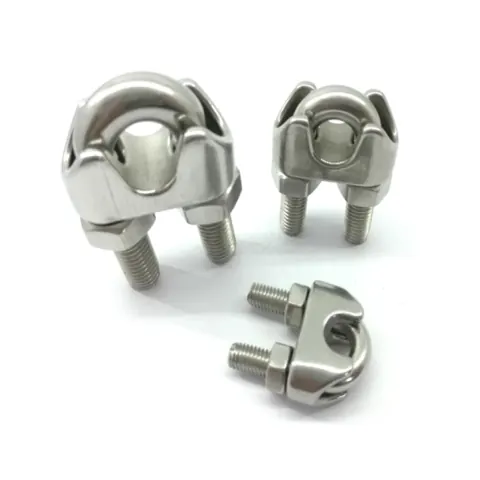
A wire rope clip forms a termination by clamping the dead tail of the rope back against the live part. DIN 741 is the European pattern and the JIS type is common across Asian markets. They do the same job with a different saddle profile, and their sizes are not interchangeable, so one pattern should be used throughout a single assembly.
Fit a Thimble First
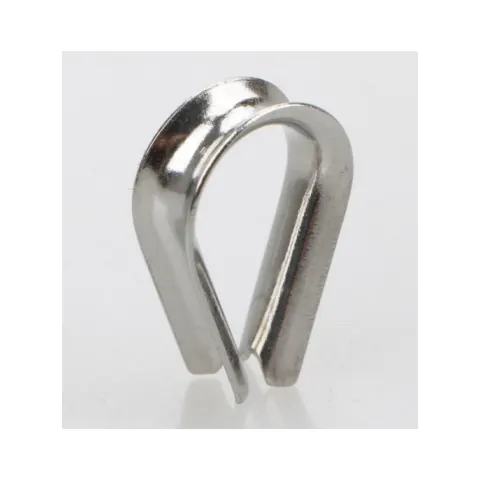
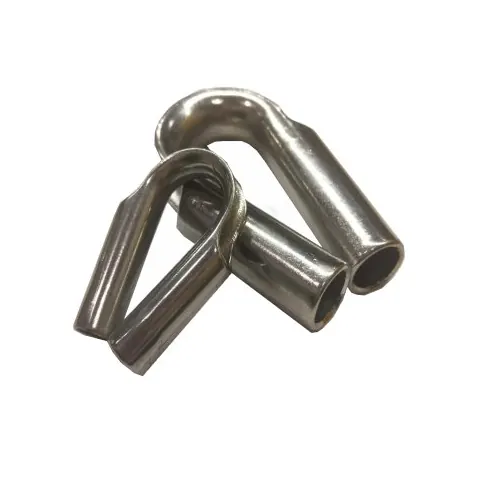
Before any clip goes on, the eye is formed around a thimble. Without one the rope bends tighter than its minimum radius under load, the eye flattens and the rope loses strength exactly where it is carrying most.
Saddle on the Live Part
This is the rule people break most often. The forged saddle sits on the loaded side of the rope and the U bolt sits on the short dead tail. Put it the other way round and the U bolt crushes the live rope. Riggers remember it as never saddle a dead horse.
Use the Right Number of Clips
The number and spacing depend on the rope diameter and the standard your market follows, and it is always more than one. Take the count from the rope maker instruction rather than guessing.
Tighten in Stages and Retighten
Tighten the clips evenly, load the assembly, then check and retighten. Wire rope settles under first load and clips that felt tight will have relaxed.
Match the Material
Stainless clips on stainless rope for balustrade and marine work, galvanised on galvanised for agricultural and utility lines. Mixing them in a permanently wet joint invites galvanic reaction.