Both Grades Are Austenitic Stainless
304 and 316 are both austenitic stainless steels, which means they are non magnetic in the annealed condition, they work harden as they are formed and they resist corrosion through a thin passive chromium oxide layer rather than through a coating. Visually a polished 304 part and a polished 316 part are indistinguishable, which is exactly why the grade has to be agreed in writing before an order is placed.
The Difference Is Molybdenum
316 contains molybdenum, typically around two per cent. Molybdenum makes the passive layer much more stable in the presence of chlorides. Chlorides are what break down that layer locally and start pitting, and they are present in sea water, in coastal air, in swimming pool atmospheres and in de icing salt. That is the whole practical difference.
Where 304 Is the Right Answer
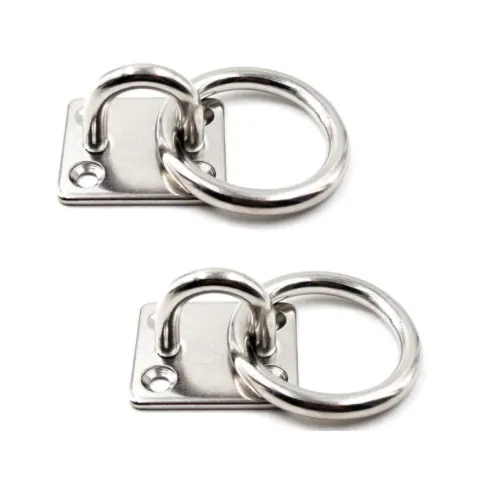
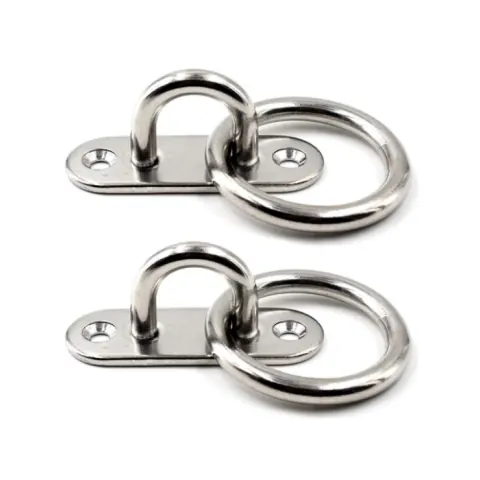
Indoor hardware, general rigging away from the coast, garden and agricultural work, bag and leash hardware, display and shop fitting. In these environments 304 performs well and the price difference goes straight to your margin.
Where 316 Earns Its Price
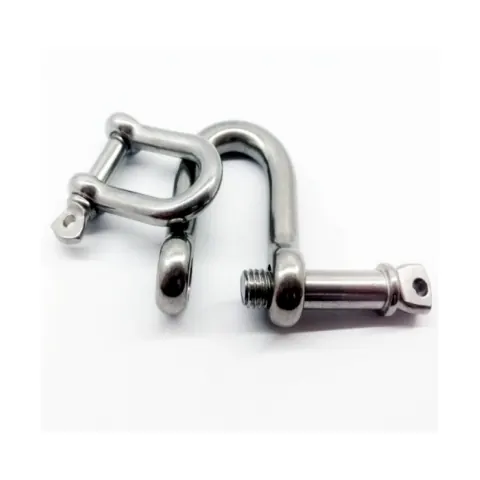
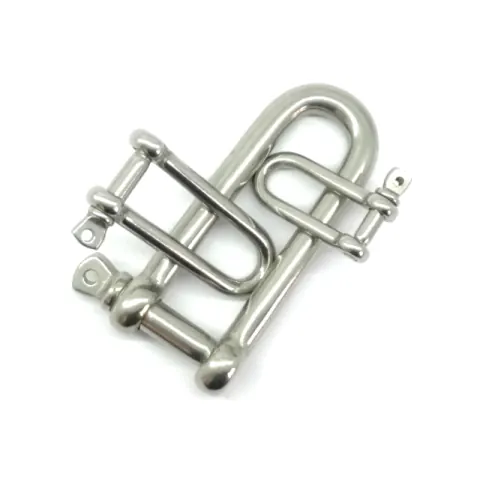
Anything permanently exposed to salt water or spray: deck fittings, mooring hardware, standing rigging terminations, pontoon and dock hardware, and cable railing within sight of the sea. Also pool side installations and coastal balustrade.
Tea Staining Is Not Failure
Both grades can show a light brown surface film called tea staining, particularly in the first months after installation. It is usually free iron picked up during handling, transport or drilling nearby, and it cleans off with a stainless cleaner. It is cosmetic, not structural, but end customers do complain about it, so passing that explanation down the chain saves a lot of returns.
How to Specify It on an Order
Put the grade on the purchase order line, not just in the email thread. Honke supplies both grades across the stainless range, so the part code alone does not tell the factory which one you want.