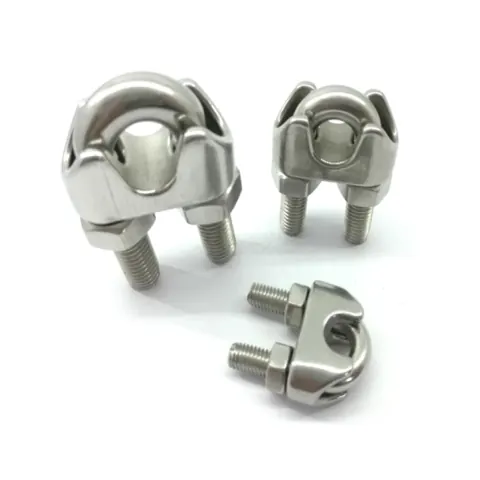
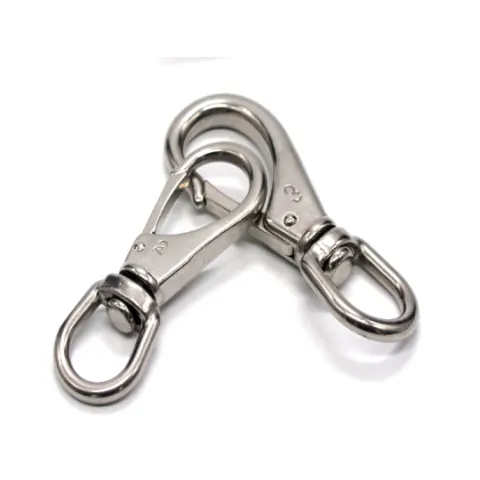
Material Preparation
Stainless, carbon steel or aluminium arrives as bar, wire or forging stock in the grade the order calls for. Grade separation matters more than anything else at this stage, because once parts are polished nobody can tell 304 from 316 by eye.
Forming
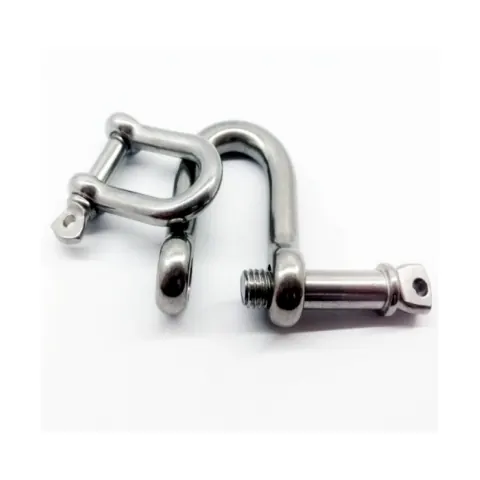
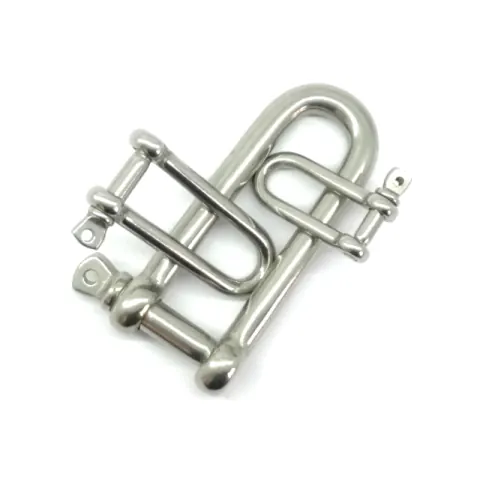
Depending on the part, the metal is cold formed, headed, bent or forged into shape. Shackle bodies, eye bolts and clip saddles are formed on presses. Hooks, rings and screw eyes are formed from wire.
Machining and Threading
Threads on eye bolts, eye nuts, quick links and shackle pins are cut or rolled, and mating faces are machined. This is where the part becomes dimensionally correct rather than just the right shape.
Welding
Welded rings and closed eye parts are joined and then dressed back so the joint is neither visible nor a weak point once the part is polished.
Surface Finishing
Stainless parts are polished. Carbon steel parts go to hot dip galvanising or zinc plating. Aluminium parts are anodised in the required colour.
Assembly
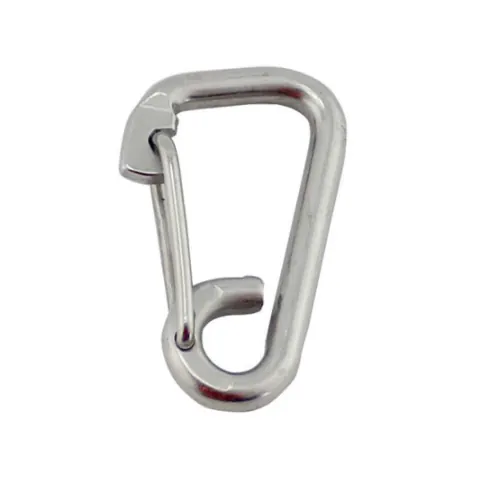
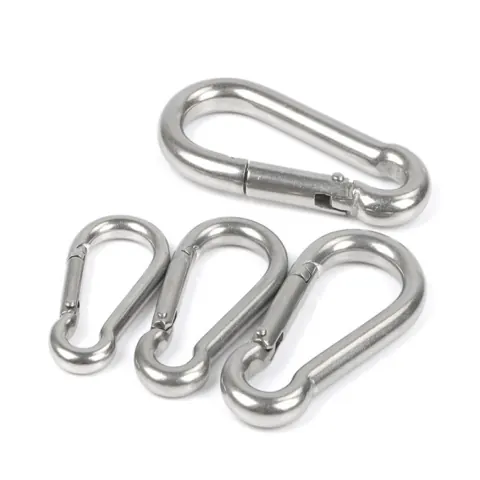
Springs, gates, pins, split rings and swivel bodies are put together. This is hand work on benches and it is the stage where gate feel and swivel action are set.
Inspection and Packing
Parts are checked and then packed to the carton and label format agreed for that market before the shipment is booked.