Rinse Is Most of the Job
The single most effective maintenance action on marine stainless is a fresh water rinse after salt exposure. Salt left to dry concentrates chlorides against the passive layer, which is exactly the condition that starts pitting.
Work the Moving Parts
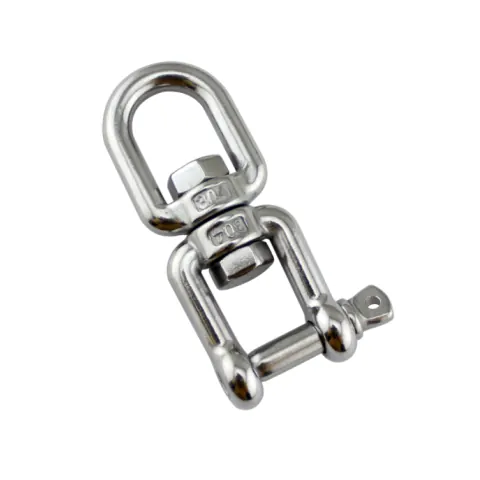
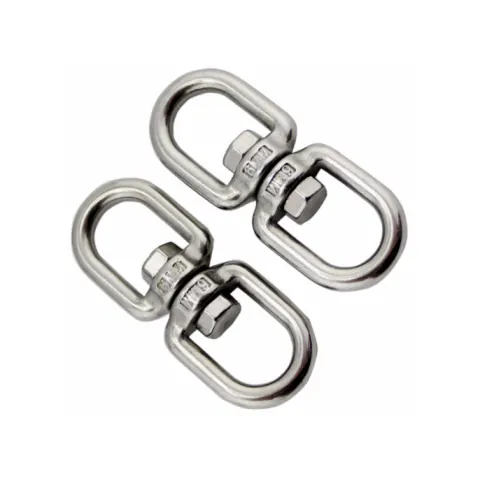
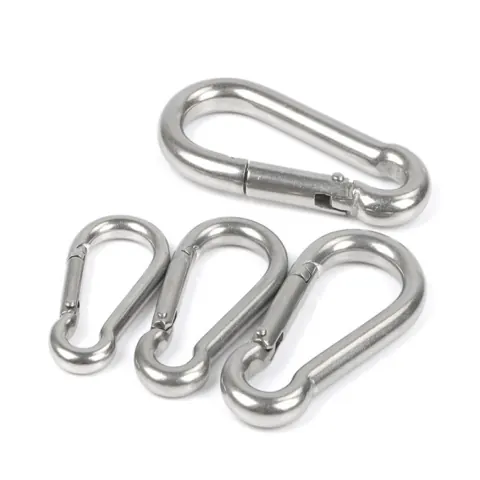
Gates, swivels, screw pins and quick link threads all seize if they are never operated. Turning them through their range during a rinse keeps salt crystals from building up inside the mechanism.
Deal with Tea Staining Early
The brown film that appears on stainless is usually free iron picked up from grinding dust, steel tooling or nearby carbon steel. A stainless cleaner removes it. Left alone it does not eat into the part but it does spread and it looks like failure to a customer.
Watch Mixed Metal Joints
Where a stainless part meets a galvanised or aluminium part in a permanently wet joint, check it more often. Galvanic reaction shows up first as white powder or as pitting on the less noble metal.
Inspect the Wear Points
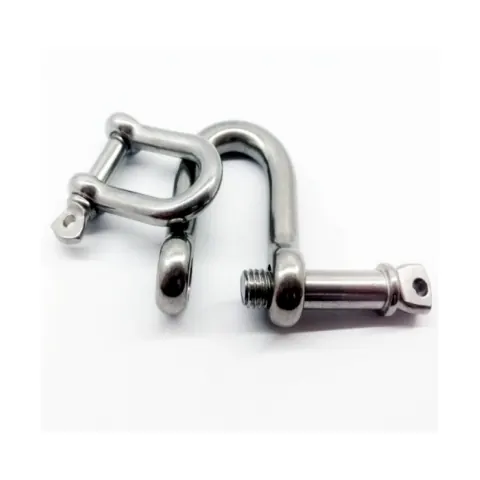
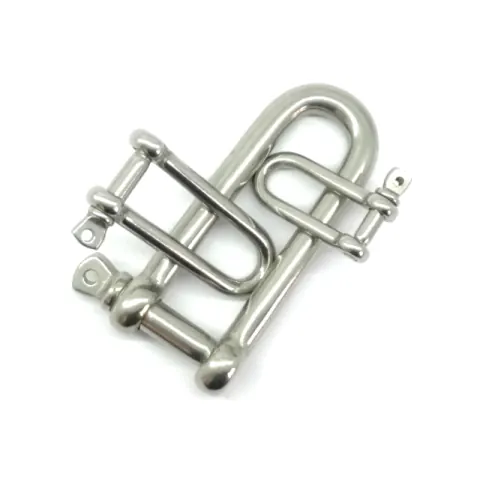
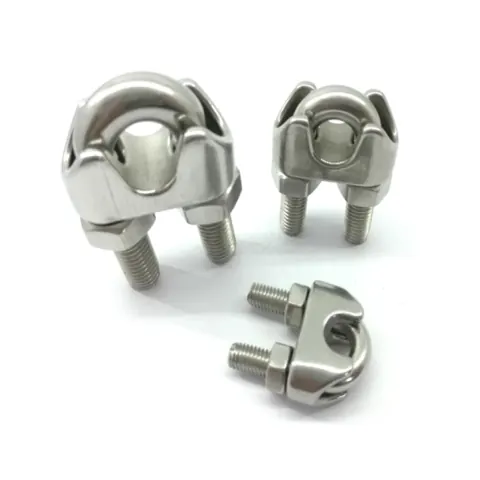
On shackles look at the pin thread and the crown. On snap hooks check gate return and the nose where the gate seats. On wire rope terminations check the clip saddles for movement and the thimble for deformation.
Retire Rather Than Repair
Connecting hardware is cheap relative to what it holds. A gate that no longer springs closed, a pin that will not seat or a deformed thimble is replaced, not adjusted.