
CRI And Why Colour Rendering Decides Retail Lighting
What Ra means, which numbers matter in shops and hotels, and where a low CRI lamp costs you sales.
In This Guide
What The Ra Number Describes
The colour rendering index compares how colours look under a lamp against how they look under a reference source of the same colour temperature. It is expressed as Ra on a scale to 100, where 100 means no difference from the reference.
It is a measure of accuracy, not of brightness or of colour temperature. A 6500K lamp and a 2700K lamp can both have excellent colour rendering, and both can be terrible.
The Numbers That Matter Commercially
Below Ra 70, colours visibly shift and skin tones look unhealthy. That is acceptable in a warehouse aisle and unacceptable anywhere a customer is looking at goods.
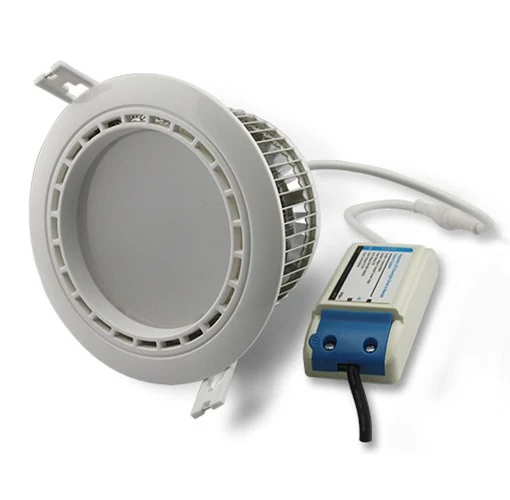
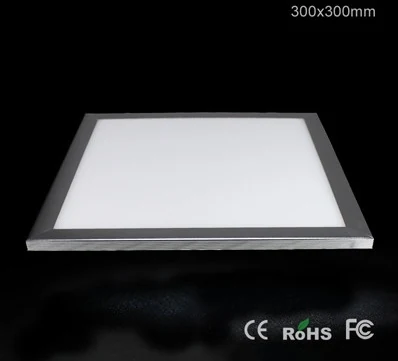
Ra 80 is the working commercial standard for offices and general retail. Our WiFi downlight range publishes Ra above 85, and the panel ranges publish above 85.
Ra 90 and above is specified for galleries, cosmetics, fresh food and anywhere colour accuracy is the product.
Where Low CRI Actually Costs Money
In clothing retail, a low CRI lamp makes navy and black indistinguishable on the rail, which produces returns.
In fresh food, it makes meat look grey and vegetables look tired, which produces waste.
In hospitality, it makes skin tones look ill in bathroom mirrors, which produces complaints the operator never traces back to the lighting.
Reading A Specification Honestly
Ra is an average across eight pastel test colours. It does not include saturated red, which is reported separately as R9 and which matters enormously for skin tone and for food.
A lamp can carry a respectable Ra figure and still render red poorly. If red matters in your application, ask for R9 specifically - and accept that a supplier who cannot produce it is telling you something.
Practical Specification Advice
Specify Ra 80 or better for any space a customer stands in. Specify Ra 90 where colour judgement is part of the transaction.
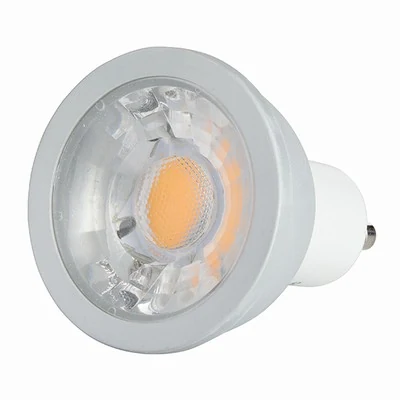
Keep CRI consistent within a sightline. A high CRI spotlight next to a low CRI panel makes the panel look worse than it is.
Ask for the figure in writing on any tender, and ask whether it is a design target or a measured production figure.
Product ranges covered in this guide
Products Discussed In This Guide
Questions About This Topic
What CRI do your products deliver?
Where the source specification states a figure it is published in the product's specification table. The WiFi downlights and the panel ranges publish Ra above 85.
Is Ra 80 good enough for a shop?
For general retail floor lighting, usually yes. For clothing, cosmetics and fresh food, specify higher and ask about R9.
Does higher CRI mean less light?
Historically there was a trade-off between colour rendering and efficacy. It still exists but it is much smaller than it was, and it rarely justifies specifying poor colour rendering in a customer-facing space.
Other Guides In The Knowledge Centre
How To Choose The Right LED Lamp Base For Your Market
E27, E26, B22, E14, GU10 and MR16 explained, with the export mistakes that cost importers money.
Buying GuideLumens Not Watts How To Compare LED Bulbs Properly
Why wattage stopped being a measure of brightness, and what to ask a supplier instead.
Buying GuideLED Colour Temperature Explained From 2400K To 6500K
What kelvin values actually mean, where each band belongs, and how to avoid a room full of returns.
Design GuideHave A Specification Question
Send it by email with the application and the quantity. A written answer from someone who knows the range beats an hour of searching.