
LED Colour Temperature Explained From 2400K To 6500K
What kelvin values actually mean, where each band belongs, and how to avoid a room full of returns.
In This Guide
What Kelvin Actually Measures
Correlated colour temperature describes the colour of white light on a scale borrowed from physics: the temperature to which you would heat a theoretical black body for it to glow that colour. Lower numbers are warmer and more amber; higher numbers are cooler and more blue.
The scale is counter-intuitive because in everyday language we call blue light cold, and the kelvin number goes up as the light gets bluer.
The Bands And Where They Belong
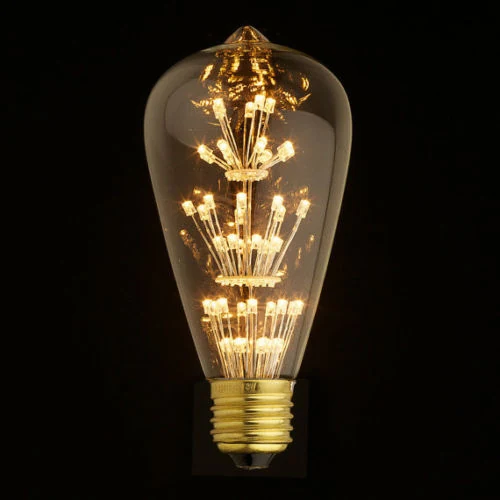
2400K is deep amber and is where our vintage Edison lamps sit. It is a decorative colour, not a working one.
2700K to 3000K is warm white: domestic interiors, hotel rooms, restaurants, anywhere people are meant to relax.
4000K to 4500K is neutral white: offices, classrooms, clinics, retail floors. It reads as clean without feeling clinical.
5500K to 6500K is cool or daylight white: workshops, warehouses, task areas and inspection work. It is alerting rather than comfortable.
Why Mixing Bands In One Room Fails
The eye adapts to a single colour temperature quickly and stops noticing it. Put two bands in one field of view and the adaptation never settles, and the warmer lamp starts to look yellow and broken.
This is why a single failed lamp replaced from the wrong box is so visible, and why relamping a whole run at once is better practice than replacing failures individually.
Tunable White And Why It Sells
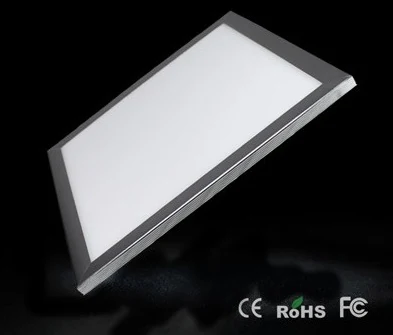
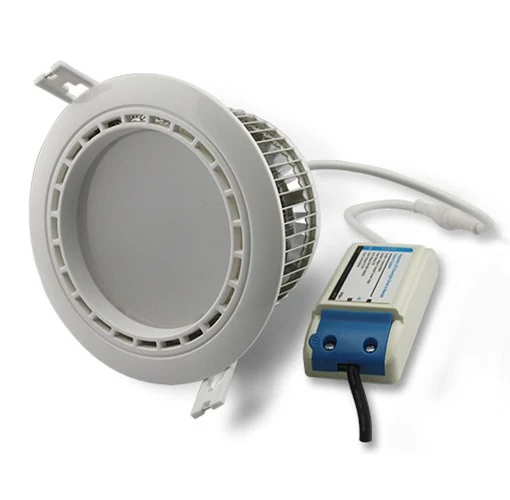
A tunable white product carries both warm and cool emitters and mixes between them. Our CCT adjustable panels and the WWCW smart bulbs and downlights work this way, covering roughly 2700K to 6500K on the smart range.
The commercial argument is simple: it removes the colour temperature decision from the specification stage, where it causes arguments, and gives it to the occupant, where it causes none.
Specifying Colour Temperature On An Order
State the band, not the adjective. 'Warm white' means different things to different factories; '2700K to 3000K' does not.
Keep one band per space and order the whole space together so the lamps come from one batch.
Where a range publishes a wide band such as 2700K to 8000K, confirm the specific point you want at order stage rather than assuming the middle.
Product ranges covered in this guide
Products Discussed In This Guide
Questions About This Topic
What colour temperature should a hotel room be?
2700K to 3000K in almost every case. Guests expect warm light in a bedroom, and cooler light reads as institutional.
Is 6500K bad for interiors?
Not bad, just specific. It suits workshops, inspection areas and task lighting. In a living or dining space it usually feels harsh.
Can one fitting do warm and cool?
Yes, on a tunable white product. Our CCT adjustable panels and the WWCW smart bulbs and downlights are specified for this.
Other Guides In The Knowledge Centre
How To Choose The Right LED Lamp Base For Your Market
E27, E26, B22, E14, GU10 and MR16 explained, with the export mistakes that cost importers money.
Buying GuideLumens Not Watts How To Compare LED Bulbs Properly
Why wattage stopped being a measure of brightness, and what to ask a supplier instead.
Buying GuideCRI And Why Colour Rendering Decides Retail Lighting
What Ra means, which numbers matter in shops and hotels, and where a low CRI lamp costs you sales.
Design GuideHave A Specification Question
Send it by email with the application and the quantity. A written answer from someone who knows the range beats an hour of searching.