Stainless Steel 303 304 and 316L
For parts that carry load, cycle threads or need corrosion resistance, in 303, 304 and 316L, finished by passivation.
Why Choose This Material
Stainless is chosen when the part has to survive handling, threading and weather rather than just look right.
- Holds threads that are cycled repeatedly without wearing
- Corrosion resistant without a coating
- 303 machines more freely; 304 and 316L are the general corrosion grades
- Passivation is the standard treatment rather than a coating that can chip
What To Watch For
- Slower to machine than aluminum or brass, which affects small-batch pricing
- Noticeably heavier — check the weight budget for carried parts
- Powder coating stainless is possible but passivation is usually the right answer
Every point above is a design decision, not a warning. Raise it while the drawing is still open and it costs nothing to solve.
Stainless Steel 303 304 and 316L Machining Data
| Grades machined | 303, 304, 316L |
|---|---|
| Typical use | Threaded hardware, shafts, pocket clips, load-carrying parts |
| Standard tolerance | ±0.05 mm |
| Tight tolerance | ±0.01 mm |
| Standard treatment | Passivation |
| Other finishes | Mirror polish, brushed, electroplating |
| Minimum order quantity | 1 piece |
| Material certificates | TBC — request with your order |
Stainless Steel 303 304 and 316L Questions
Which stainless grade should I specify?
303 is the easier grade to machine. 304 and 316L are specified where corrosion resistance matters more. Mark the grade on your drawing or ask before ordering.
How are stainless parts finished?
Passivation is the standard treatment offered for stainless steel. Mirror polishing, brushed finishes and plating are also available.
Is stainless more expensive to machine?
It takes longer to cut than aluminum or brass, which shows in the quote. Send the drawing and the difference will be priced before you commit.
Related Pages
 Capability
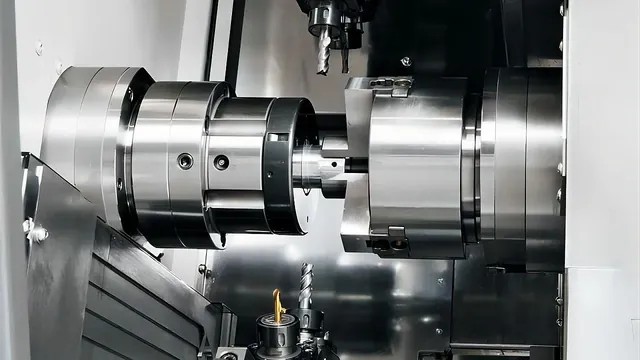
CNC Turning
Turned bodies, sleeves, emitters, bushings and threaded fittings in brass, aluminum and stainless steel, with knurling and threading in the same setup.
Explore capability →
Capability
CNC Turning
Turned bodies, sleeves, emitters, bushings and threaded fittings in brass, aluminum and stainless steel, with knurling and threading in the same setup.
Explore capability →
 Capability
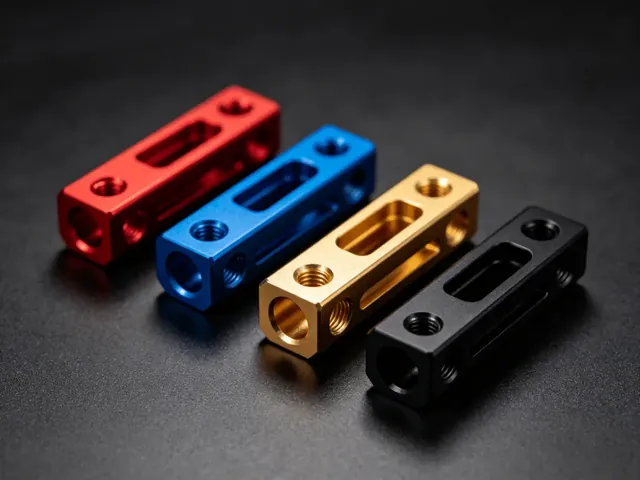
Surface Finishing
Anodizing Type II and Type III, electroplating in nickel, chrome or zinc, powder coating, mirror polishing, brushed finish and passivation for stainless steel.
Explore capability →
Capability
Surface Finishing
Anodizing Type II and Type III, electroplating in nickel, chrome or zinc, powder coating, mirror polishing, brushed finish and passivation for stainless steel.
Explore capability →
 Other Applications
Specialty and Mechanical Parts
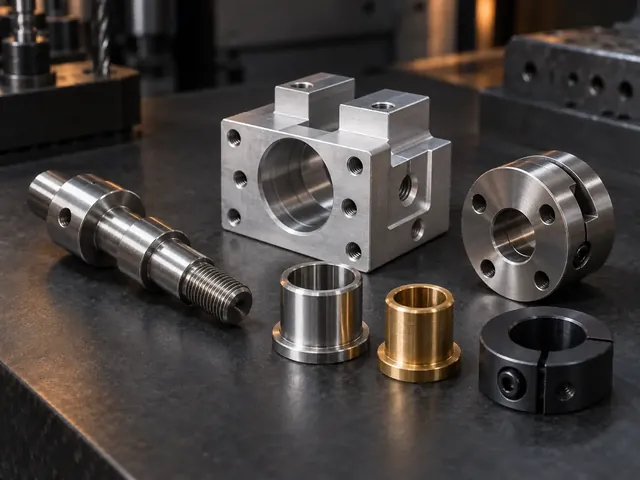
Made-to-drawing functional parts for prototypes, custom assemblies and specialized applications.
See components →
Other Applications
Specialty and Mechanical Parts
Made-to-drawing functional parts for prototypes, custom assemblies and specialized applications.
See components →
 Other Applications
EDC Components
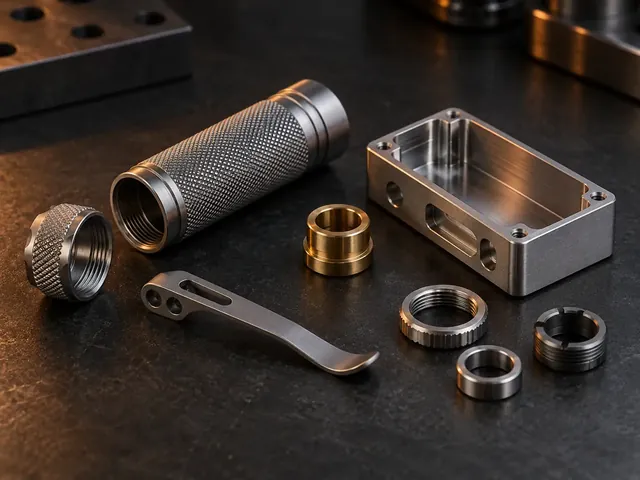
Precision-machined components for custom EDC projects, prototypes and small-batch products.
See components →
Other Applications
EDC Components
Precision-machined components for custom EDC projects, prototypes and small-batch products.
See components →Quote A Part In Stainless Steel 303 304 and 316L
Send the drawing with quantity and finish. If the material is wrong for the application you will be told before the part is cut, not after.