Six options, not one default
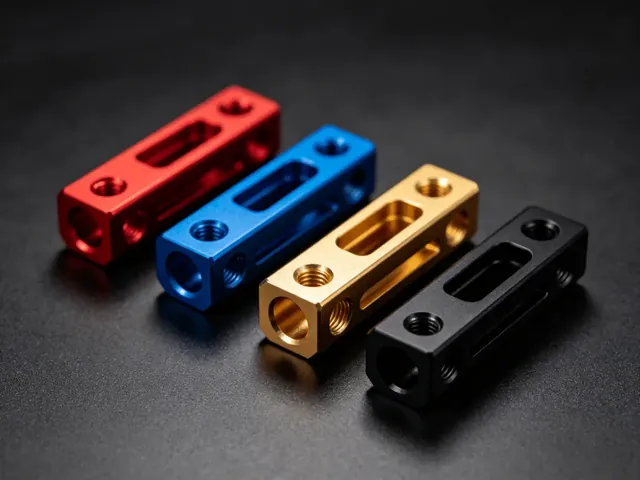
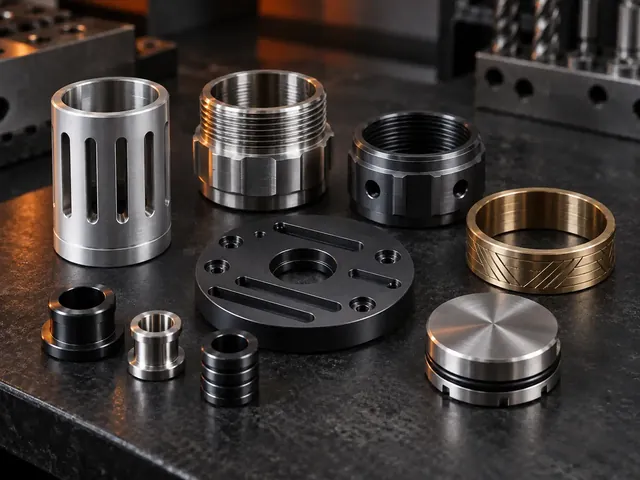
The finishes offered are anodizing in Type II and Type III, electroplating in nickel, chrome or zinc, powder coating, mirror polishing, brushed finish, and passivation for stainless steel. They are not interchangeable, and the right one depends as much on the alloy as on how the part should look.
Anodizing belongs to aluminum
Type II and Type III anodizing are the colour options for aluminum parts. Type III is the harder of the two. Both build thickness on every anodized surface, so a bore or thread that has to stay dimensional should be masked or machined with an allowance.
Plating covers more substrates
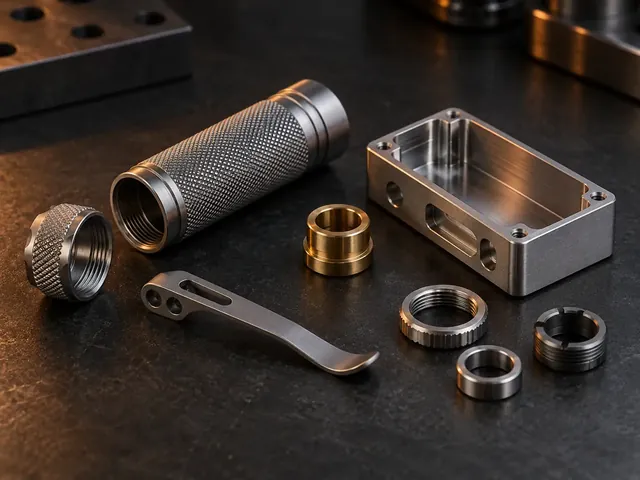
Nickel, chrome and zinc plating are available where the look or the surface behaviour of a plated part is wanted, including on brass and steel parts that cannot be anodized. Like anodizing, plating adds thickness.
Polished and brushed are mechanical
Mirror polishing and brushed finishes change the surface texture rather than adding a layer. They suit parts judged by hand and eye, and they show machining marks that a coating would hide — which is a reason to specify them early, not late.
Passivation is the stainless answer
Passivation is the standard treatment for stainless steel. It does not add colour and does not build a coating that can chip at an edge. Choose a coating on stainless only when you want colour, not when you want corrosion behaviour.
Decide the finish before the part is cut
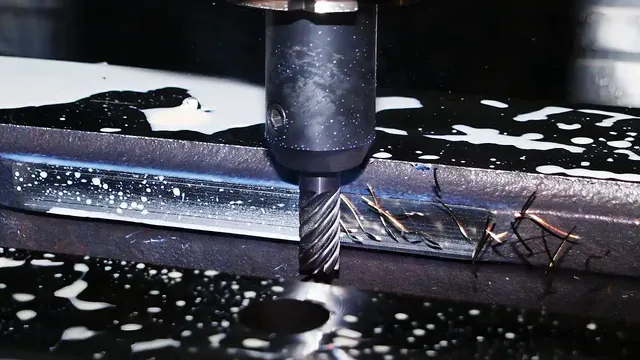
Every finish on this list interacts with the machining: masking, allowances, and whether engraving happens before or after. Naming the finish on the drawing lets the whole sequence be planned in one go instead of reworked afterwards.