
Container GPS Tracker
Every GOTOP tracking device, grouped by the way it is fitted and the job it does.
60 products, every model published on the GOTOP catalogue.
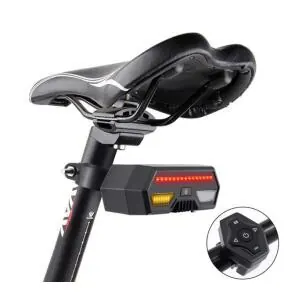
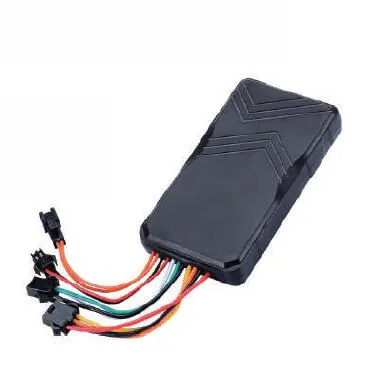
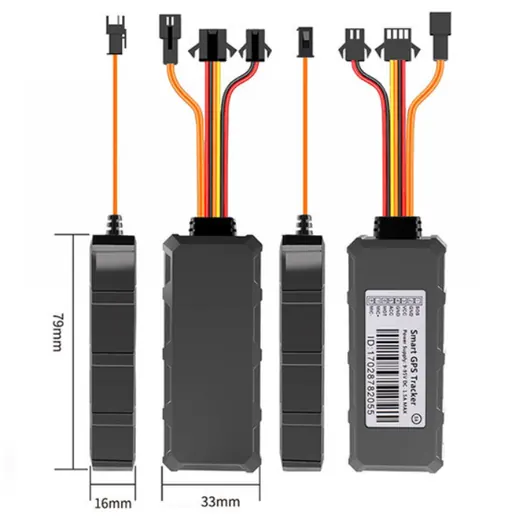
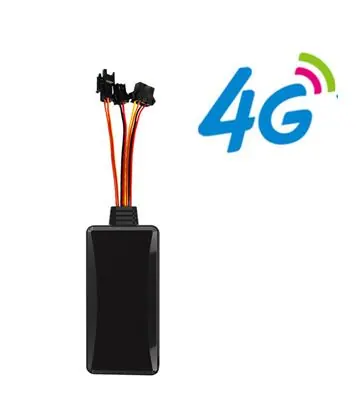
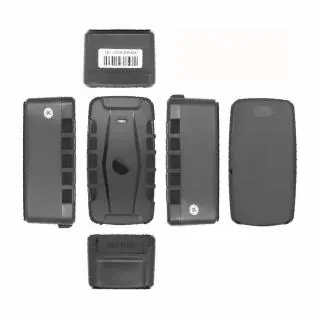
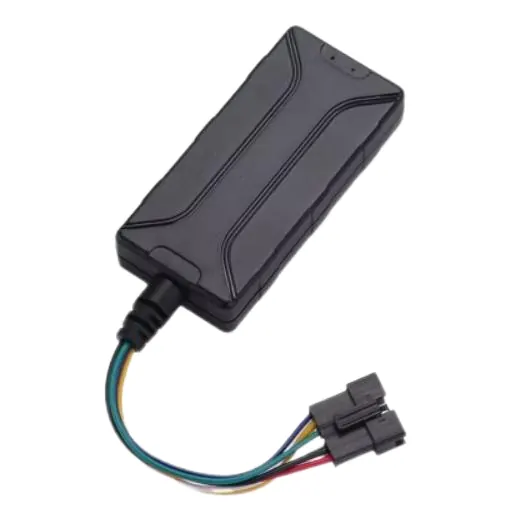
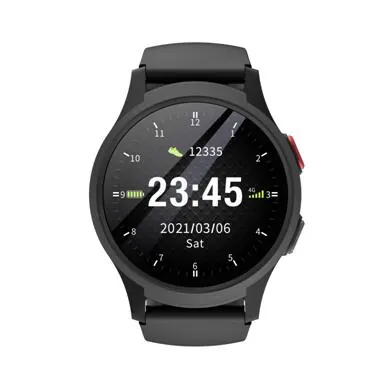
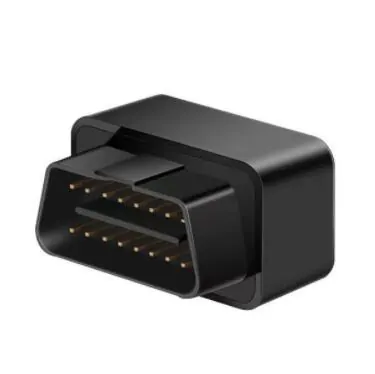
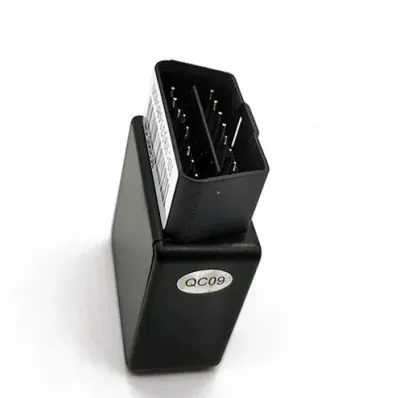
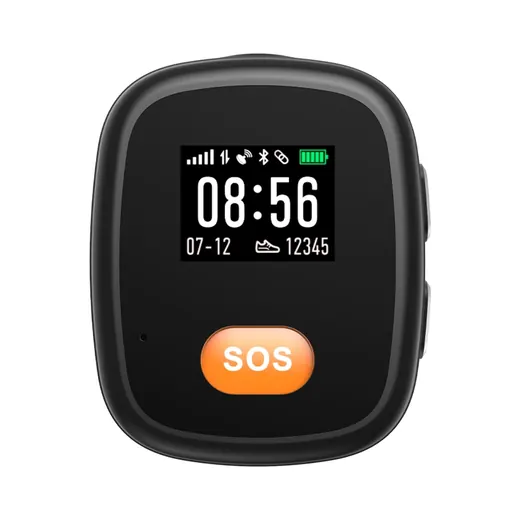
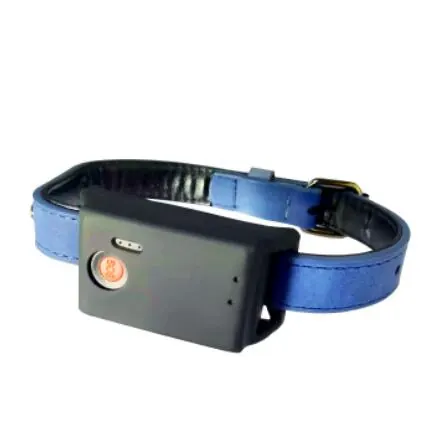
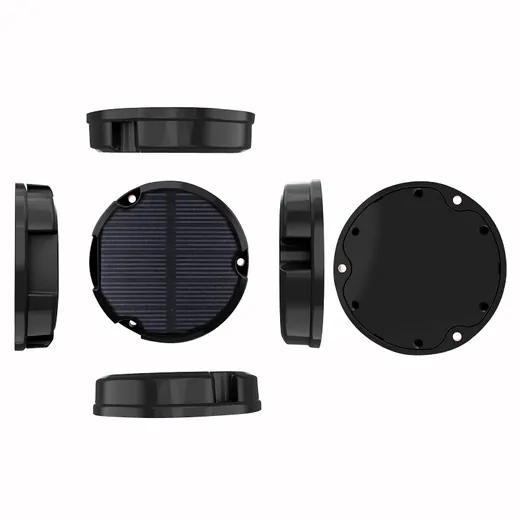
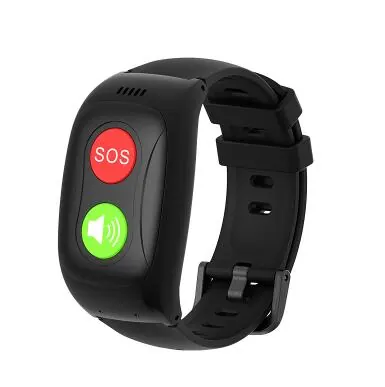
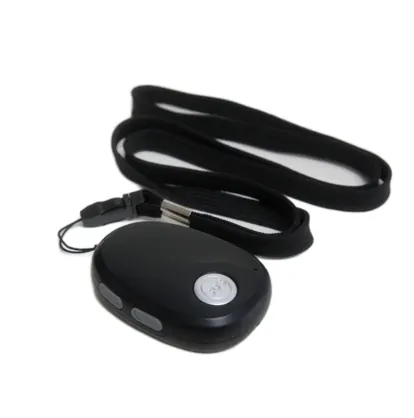
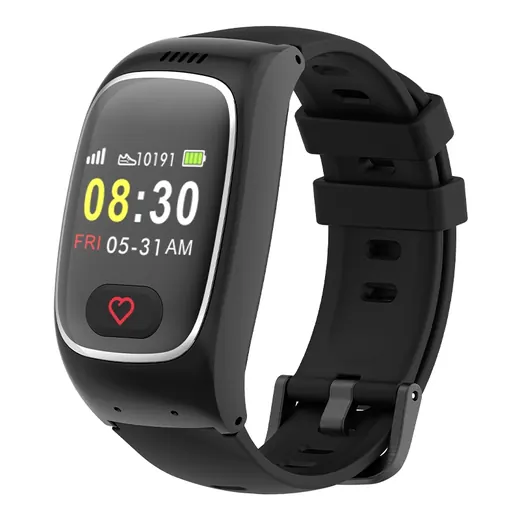
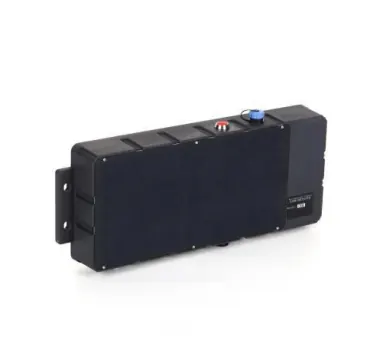
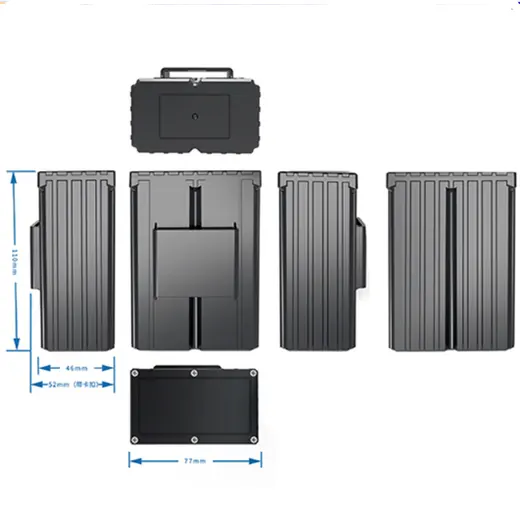
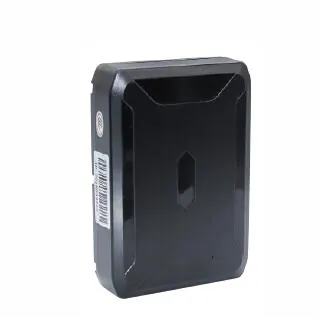
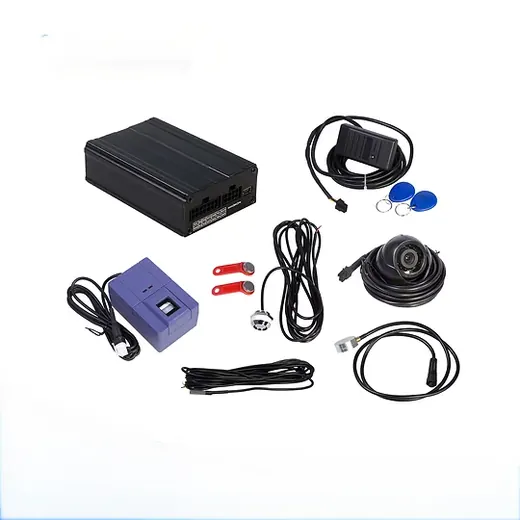
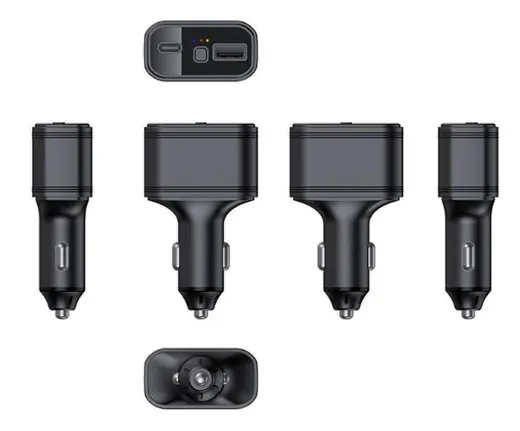
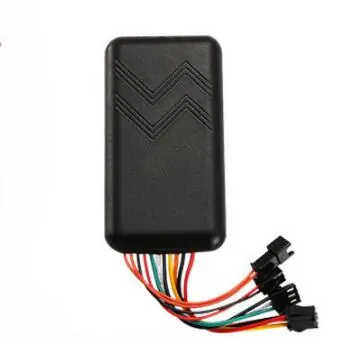
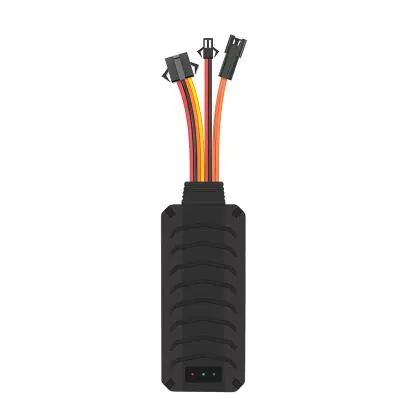
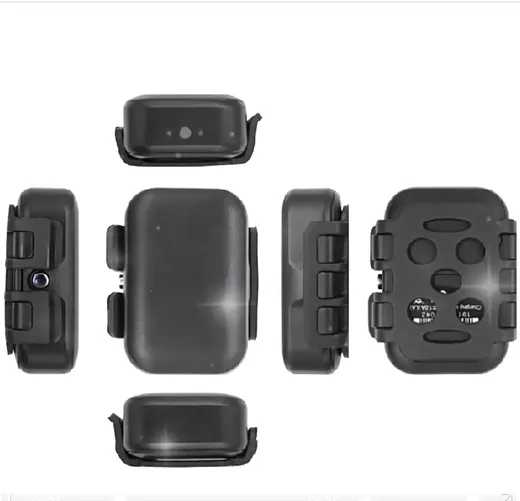
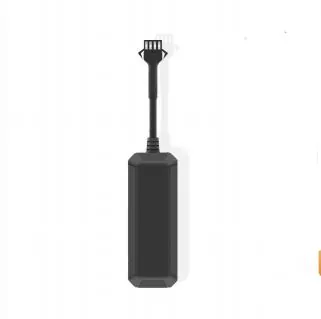
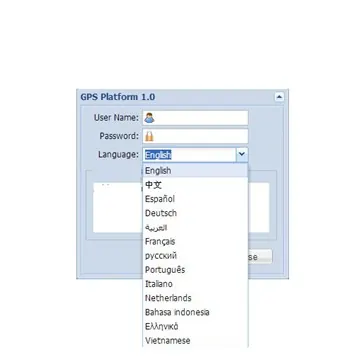
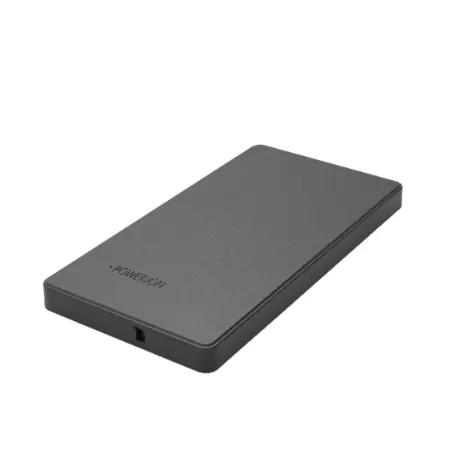
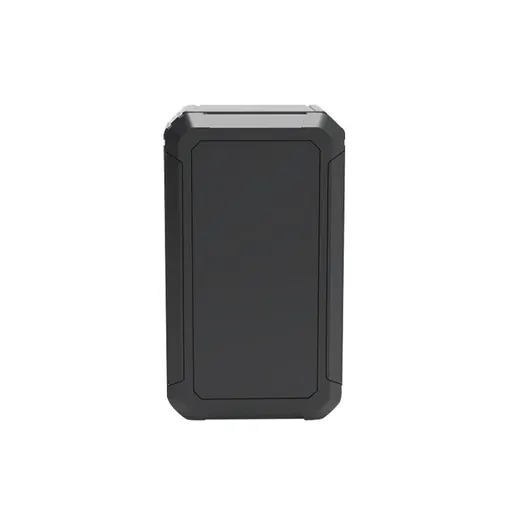
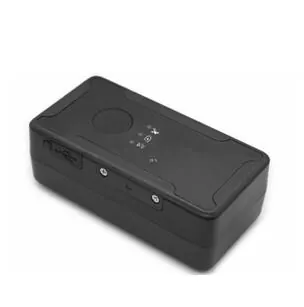
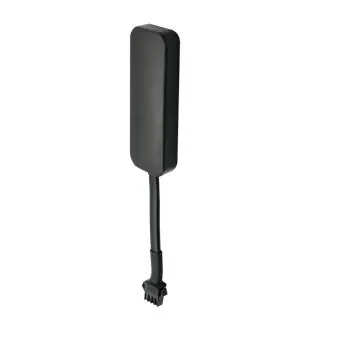
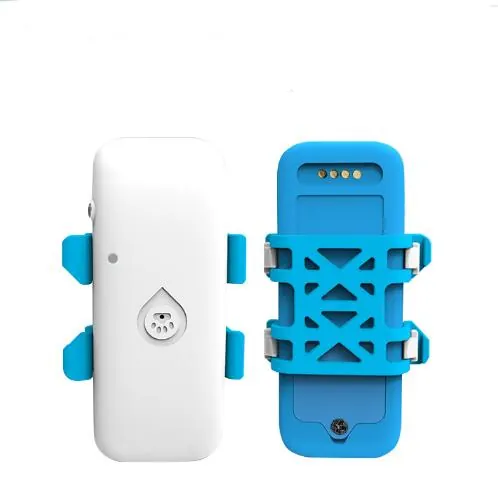
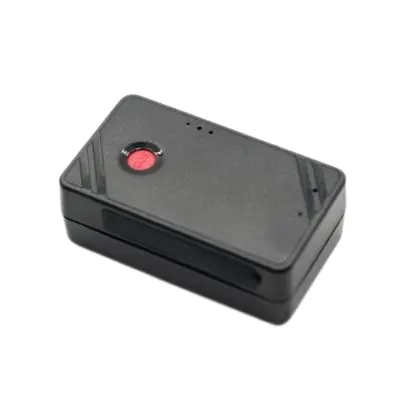
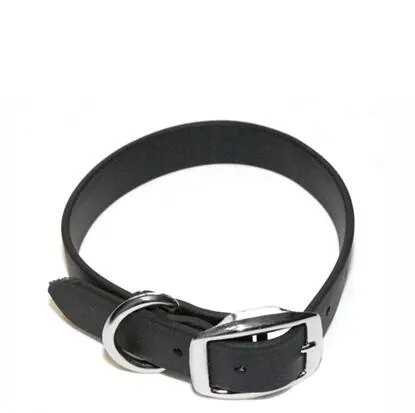
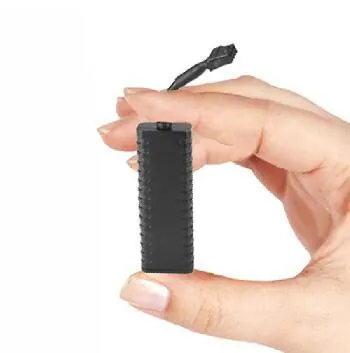
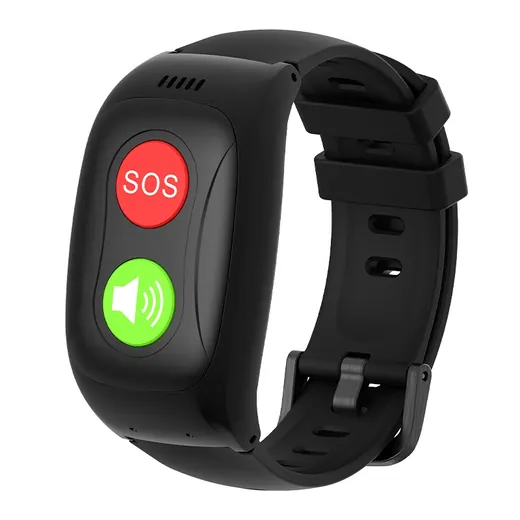
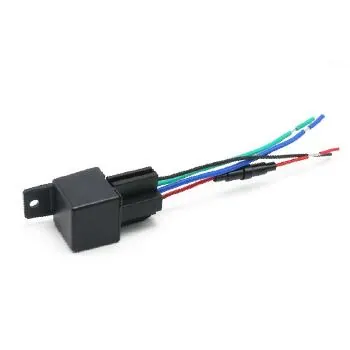
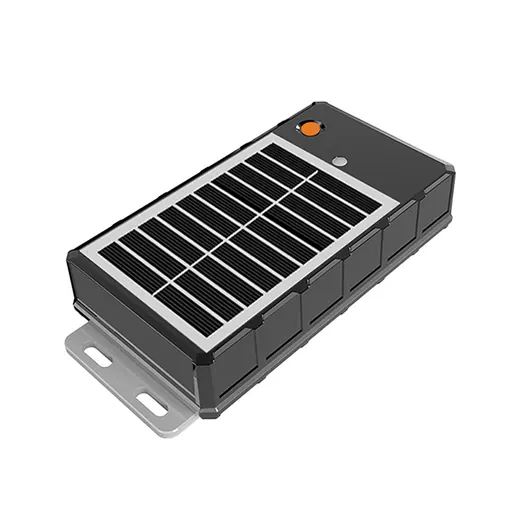
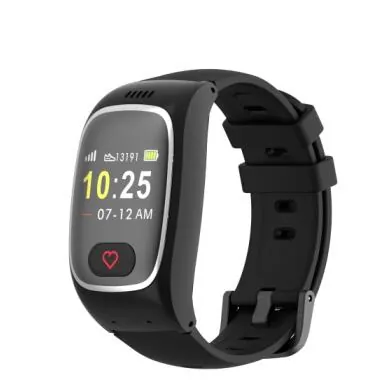
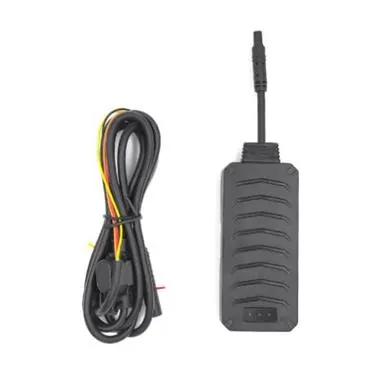
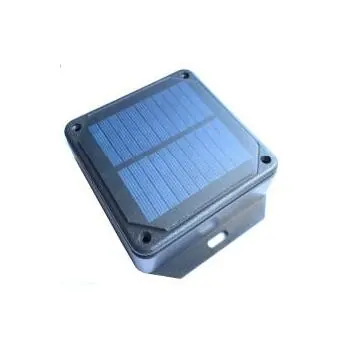
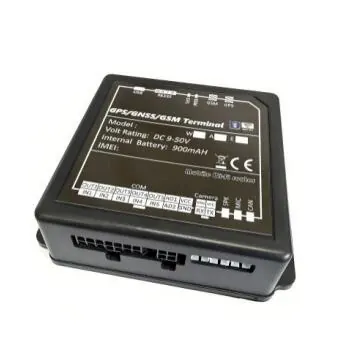
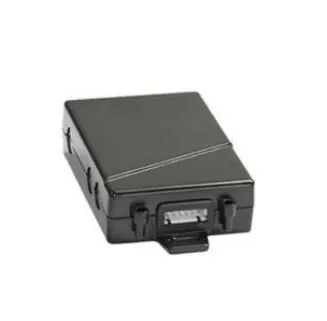
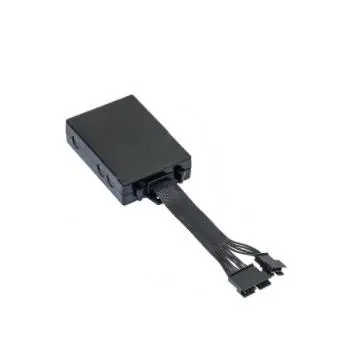
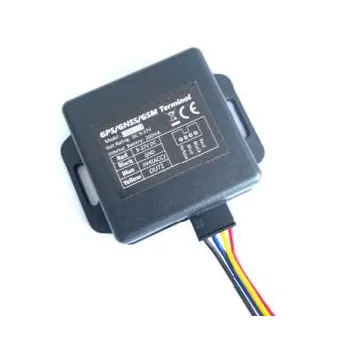
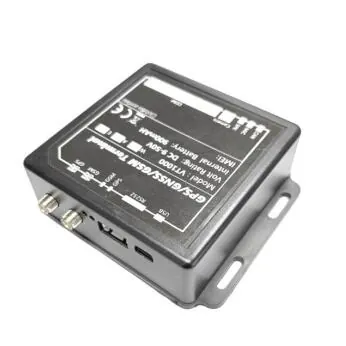
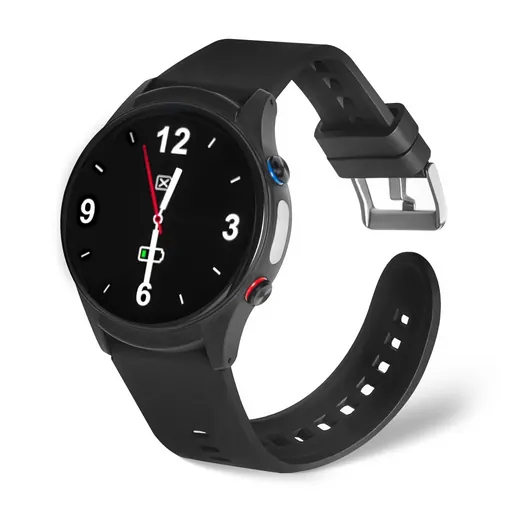
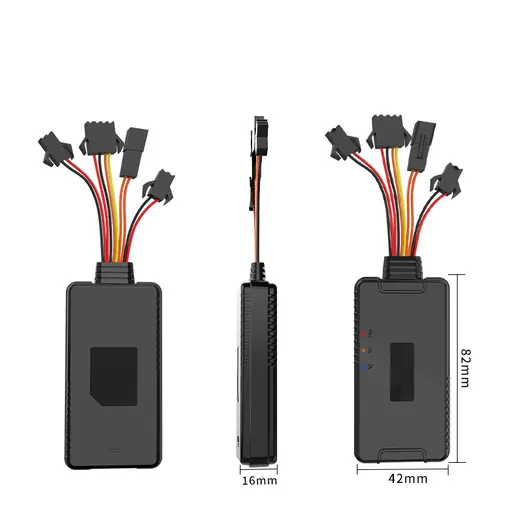
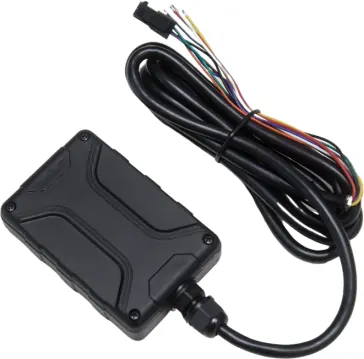
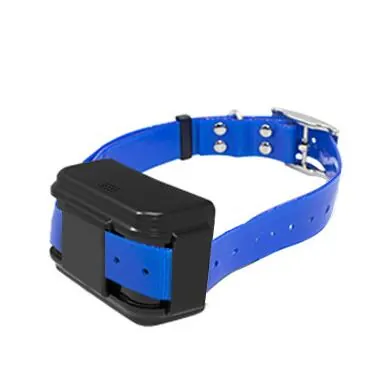
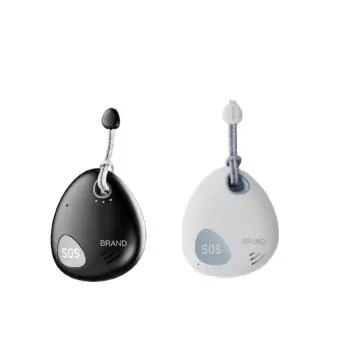
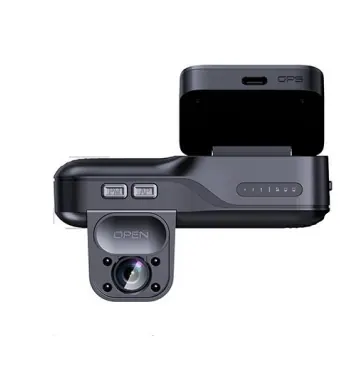
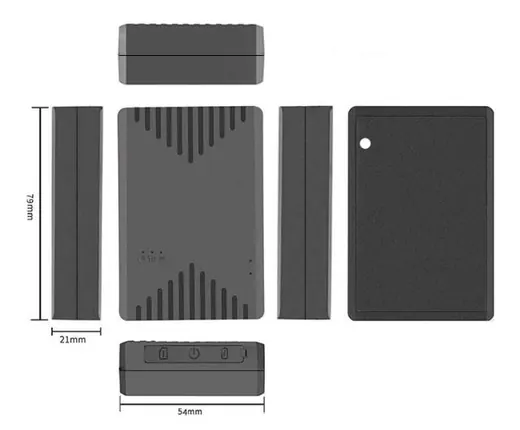
Ask for the current product list with specifications for the models you are interested in.
FAQ
Wireless Networks - GSM/GPRS For Real-time GPS tracking, the wireless network is used to communicate the GPS data from the vehicle/asset, so location, speed and stop times can be viewed in Real-time. Think in terms of how mobile phones work. There are two types used; (1) Digital Cellular and (2) Satellite. Obviously, digital cellular is more popular due to cost. This is the same with communicating real-time GPS data for vehicle tracking. Wireless Networks: Cellular vs. Satellite Due to the facts that (1) hardware is less expensive (2) monthly service fees are less expensive (3) superior network reliability; a digital cellular-based system is the best way to go for the vast majority of companies that want to use a real-time system for nearly any type of tracking. Digital Wireless Networks If you are looking to purchase a 1st tier GPS tracking system, then you should be looking for a system that operates on a 1st tier digital wireless network. All of the 1st tier wireless communications companies is the market have moved to digital wireless networks. There are two types of types of digital wireless protocols that the major communication companies have utilized for the build-out of their wireless networks: GSM/GPRS CDMA (1xrt) There is an on-going debate as to which of these protocols is superior for cell phones, but for live data feeds for devices used for GPS tracking, mobile email, and wireless forms, the "always on" technology of GPRS is clearly superior. GPS devices that use this network are "pay as you go" type devices. One should only consider using GPS devices on these networks for applications where only a few location records per day are required. GPS devices that use these networks should never be considered for fleet management applications due to the fact that reporting vehicle activity for a sound fleet management system requires between 1000-3000 records generated per month. The cost of this many records on these networks would be far above the flat fee you would pay with a superior, digital GSM/GPRS.
In order for GPS tracking to work, it is necessary to have both access to the Global Positioning System and have a GPS receiver. The GPS receiver is able to receive signals that are transmitted by GPS satellites orbiting over head. Once these satellite transmissions are received by the GPS receiver, location and other information such as speed and direction can be calculated. A GPS receiver needs to receive transmissions from at least three or more GPS satellites to calculate its position effectively. GPS receivers usually measure the time delays between the transmission and reception of each of the satellites GPS radio signal. This technique of calculating distance using three separate transmissions is called trilateration.
The devices communicate on the cellular network of GSM/GPRS through wireless provider communicates via the Satellite network, globally. All devices have a GPS chip set included in them as well. This allows the devices to get location coordinates from the 24 GPS satellites orbiting the Earth. The location specific information is then transmitted over the cellular network allowing device to place the vehicles location on our mapping system.
Since the devices utilize both cellular technology as well as GPS technology, there are certain instances where the device is out of cellular coverage, thus requiring to "store and forward" its locations until cellular communications are reacquired. Once reacquired, all stored data is transferred automatically. In regards to the limitations of GPS technology, if the line of sight to the GPS mounted antenna is obstructed, GPS communications can be lost. It is important that antenna installation is done properly to avoid complications.