
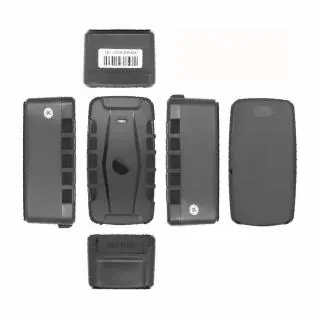
 4G GPS tracker G25C-4G
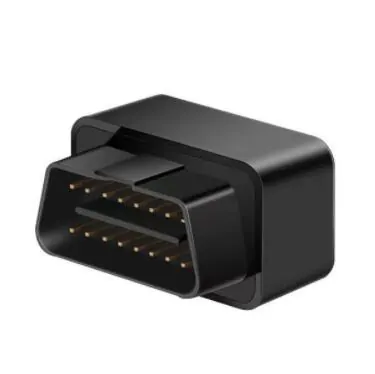 4G OBD GPS Tracker D08-4G
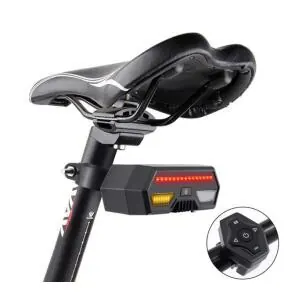 4G Bike GPS tracker D16
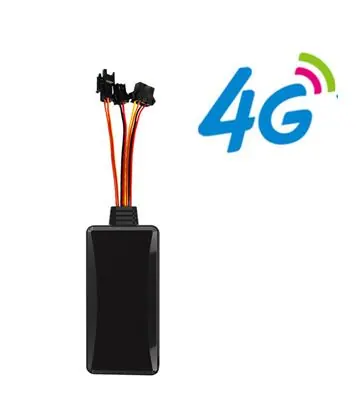 4G GPS tracker D06-4G
Vehicle GPS Tracker
Fuel monitoring for fleets, where fuel is a mission-critical and hard-to-manage asset.
Fuel is the life-blood of any fleet or transit organization, but as a mission-critical asset, it can be difficult to manage. Unlike other consumable commodities, the price of fuel is hypersensitive to market influences. As a result, fuel is often the most significant expense incurred by fleet and transit organizations, and tracking fuel costs and consumption becomes essential to controlling the bottom line.
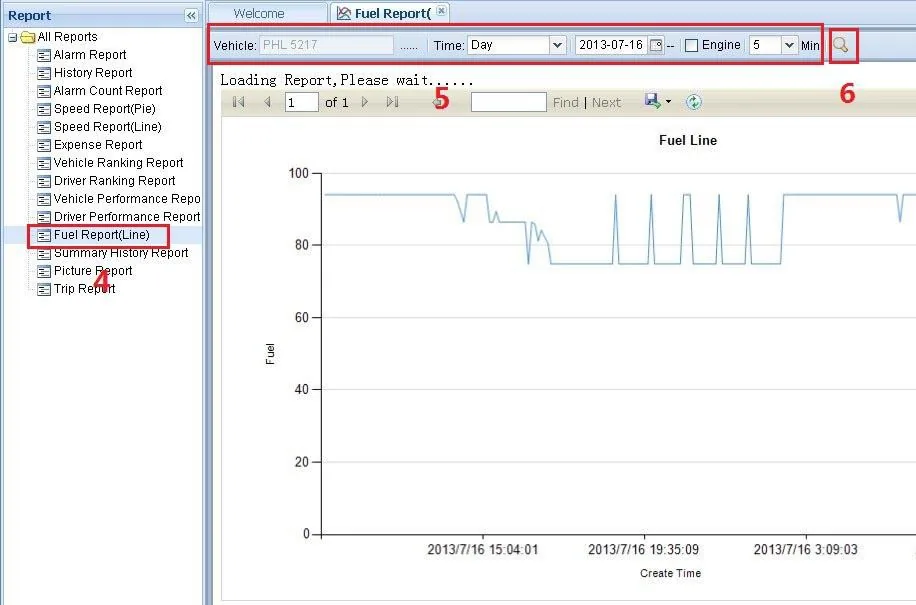
GPS Tracker working with fuel sensor gives user chance to monitor the usage of fuel. It dramatically avoids the manipulation of fuel and consequently reduces the operation costs. Information on raising or lowering the level of fuel comes from fuel level sensor, and GPS tracking system determines the location and time. Fuel theft control is carried out technically similarly to fueling control. GPS tracking device installed on vehicle receives data about changes of fuel level in the tank from the fuel level sensor. User of the tracking device knows about the unauthorized fuel draining almost immediately.
With fuel monitoring graph, management teams can easily view the fuel consumption when, where and why, so as to detect violations of technology, such as decreasing of duration of heating burners. Fuel tracking provides exact information about real fuel consumption and prevents fuel draining, fuel fraud and fuel over consumption.
Related Products
Tell us the market, the platform and the volume. We will recommend the device and the firmware setup that fits.
FAQ
Answers published by GOTOP for its tracking devices.
Wireless Networks - GSM/GPRS For Real-time GPS tracking, the wireless network is used to communicate the GPS data from the vehicle/asset, so location, speed and stop times can be viewed in Real-time. Think in terms of how mobile phones work. There are two types used; (1) Digital Cellular and (2) Satellite. Obviously, digital cellular is more popular due to cost. This is the same with communicating real-time GPS data for vehicle tracking. Wireless Networks: Cellular vs. Satellite Due to the facts that (1) hardware is less expensive (2) monthly service fees are less expensive (3) superior network reliability; a digital cellular-based system is the best way to go for the vast majority of companies that want to use a real-time system for nearly any type of tracking. Digital Wireless Networks If you are looking to purchase a 1st tier GPS tracking system, then you should be looking for a system that operates on a 1st tier digital wireless network. All of the 1st tier wireless communications companies is the market have moved to digital wireless networks. There are two types of types of digital wireless protocols that the major communication companies have utilized for the build-out of their wireless networks: GSM/GPRS CDMA (1xrt) There is an on-going debate as to which of these protocols is superior for cell phones, but for live data feeds for devices used for GPS tracking, mobile email, and wireless forms, the "always on" technology of GPRS is clearly superior. GPS devices that use this network are "pay as you go" type devices. One should only consider using GPS devices on these networks for applications where only a few location records per day are required. GPS devices that use these networks should never be considered for fleet management applications due to the fact that reporting vehicle activity for a sound fleet management system requires between 1000-3000 records generated per month. The cost of this many records on these networks would be far above the flat fee you would pay with a superior, digital GSM/GPRS.
In order for GPS tracking to work, it is necessary to have both access to the Global Positioning System and have a GPS receiver. The GPS receiver is able to receive signals that are transmitted by GPS satellites orbiting over head. Once these satellite transmissions are received by the GPS receiver, location and other information such as speed and direction can be calculated. A GPS receiver needs to receive transmissions from at least three or more GPS satellites to calculate its position effectively. GPS receivers usually measure the time delays between the transmission and reception of each of the satellites GPS radio signal. This technique of calculating distance using three separate transmissions is called trilateration.
In today economy, business management is at the forefront of all business owners minds. Being able to determine driver patterns, eliminate moonlighting, side jobs, and weekend use of company vehicles will affect the company bottom line directly. Limiting gasoline expenses, employee overtime, wear and tear on vehicle engines and tires are real costs that can have a huge effect on the business going forward. Idle time monitoring is another huge feature that limits gas guzzling as well as monitoring driver speed.