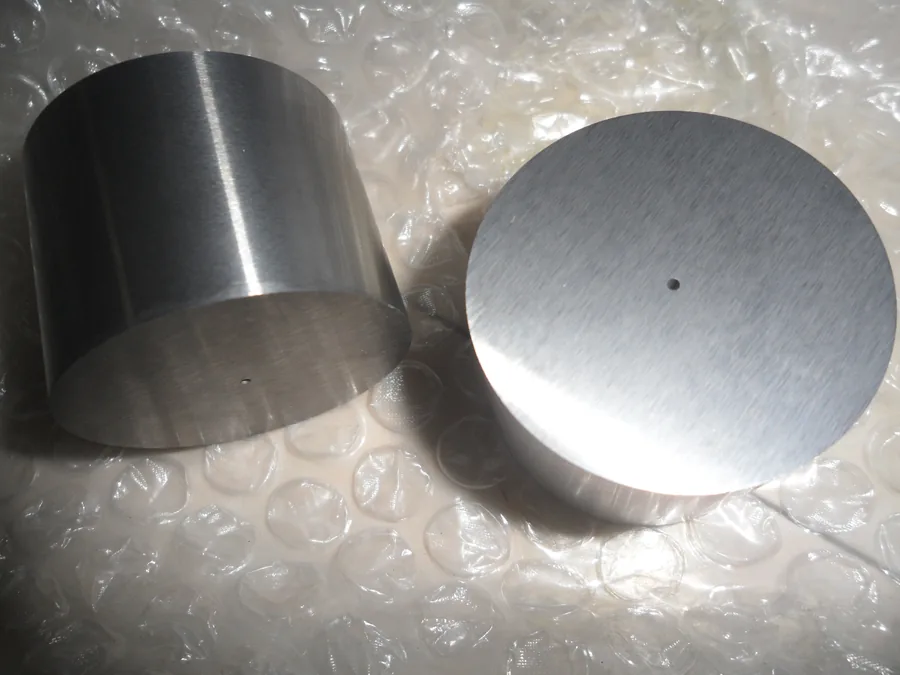
The Production Route
Our production procedure for tungsten carbide products runs in this order.
- WC powder
- Ball milling
- Spray drying
- Mixed powder
- Pressing
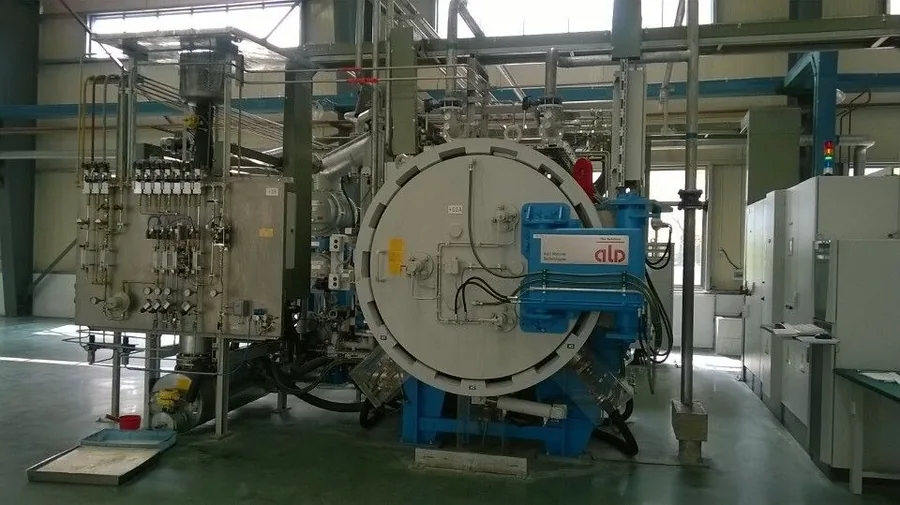
- Sinter-HIP
- Machining
- Finished product
Each step limits what the following step can achieve which is why a carbide part cannot be rescued at the grinding stage if the powder preparation was wrong.
Powder Preparation
Ball milling brings the tungsten carbide powder and the binder into a uniform mixture. Spray drying then turns that slurry into a free flowing granulate.
The reason this matters is simple. A granulate that flows evenly fills the pressing die evenly and a die that fills evenly produces a blank with consistent density. Density variation in the blank becomes distortion after sintering.
Why Sinter-HIP and Not Only Sintering
Conventional sintering leaves a small amount of residual porosity inside the part. Those pores are stress concentrators and under repeated impact they are where cracks start.
Sinter-HIP applies isostatic gas pressure during the sintering cycle. The pressure closes porosity that sintering alone would leave behind. For forging dies heading tools and large wear parts that difference shows up directly as service life.
This is why our carbide dies are described as produced with Sinter-HIP for good lifespan.
Machining After Densification
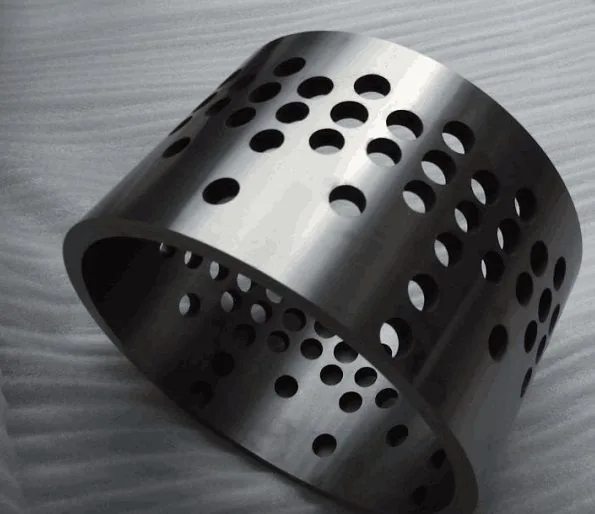
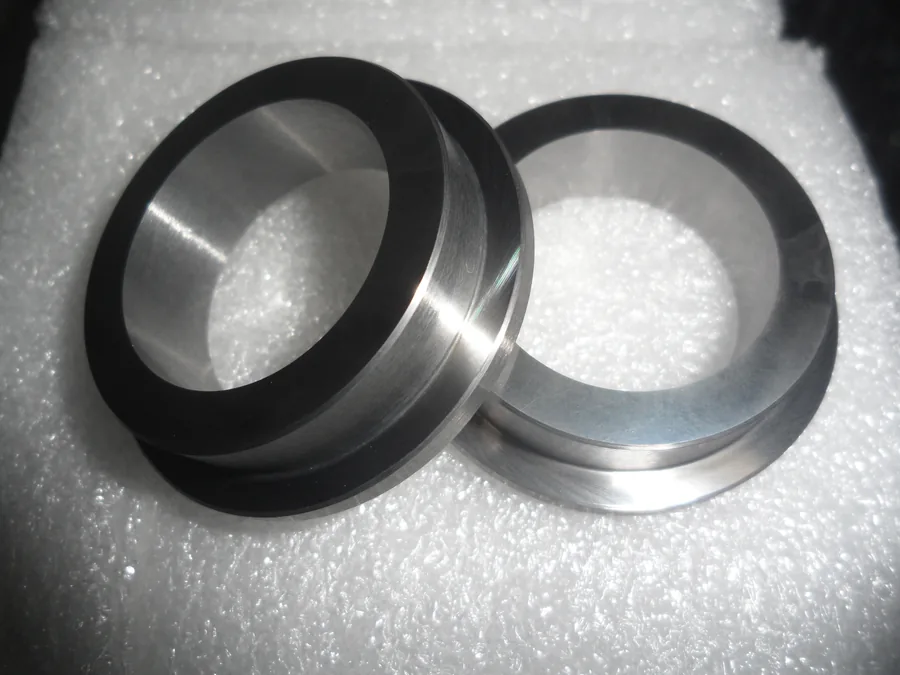
Carbide is machined by grinding EDM and lapping rather than by conventional cutting. Bores keyways hole patterns cutting edges and sealing faces are all produced at this stage.
Geometry that looks trivial on a steel drawing can be difficult in carbide. Thin walls sharp internal corners and dense hole patterns are all worth discussing before the drawing is frozen. See the design guide.