
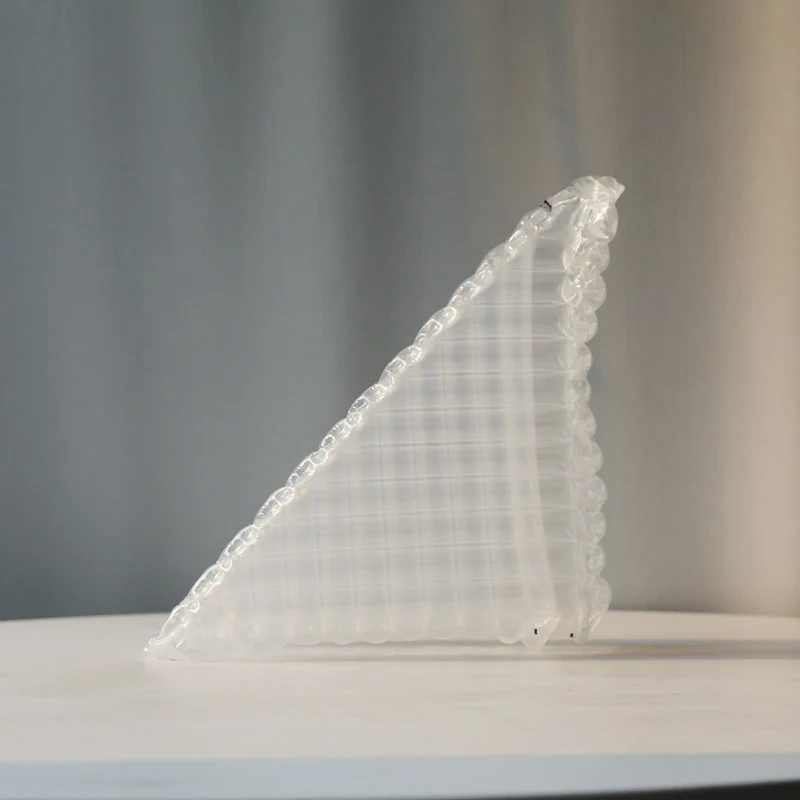
Air Column Bags Compared With Moulded Foam Inserts
Tooling, storage, redundancy and cost per unit, for buyers deciding how to protect a high value fragile product.
The Decision Is Rarely About Protection Alone
Both moulded foam and a shaped air column jacket will hold a product still. The decision usually comes down to what happens around the protection: how quickly you can respond to a product revision, how much warehouse space the inserts occupy, and what happens when the pack is damaged in transit.
Tooling and Product Revisions
A moulded insert is tooled to a specific product geometry. When the product changes, the tool changes. An air column bag is made to your dimensions in any shape and any size, so a product revision means a new film format rather than a tooling programme.
Storage Is the Hidden Cost of Foam
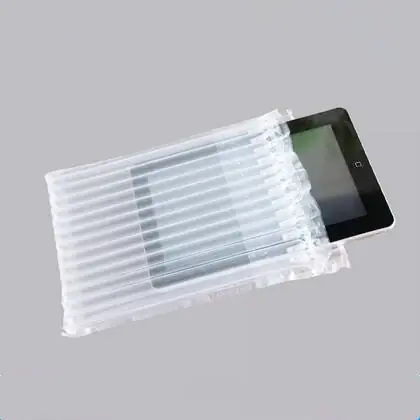
Foam inserts are stored at their finished volume, and a business with many models stores many inserts. Air column bags are stored flat and are inflated when you need them, which is why buyers with a wide model range usually see the space saving before they see any material saving.
Redundancy Is the Technical Argument
The failure that matters is a puncture. In a single-chamber air bag, one puncture removes all protection. In an air column bag, each air column is designed and sealed separately, so a damaged column does not influence the safe packaging of the rest of the pack. Foam does not fail this way at all, which is a genuine point in its favour, but foam also compresses permanently after a heavy impact where an intact column does not.
Load Capacity
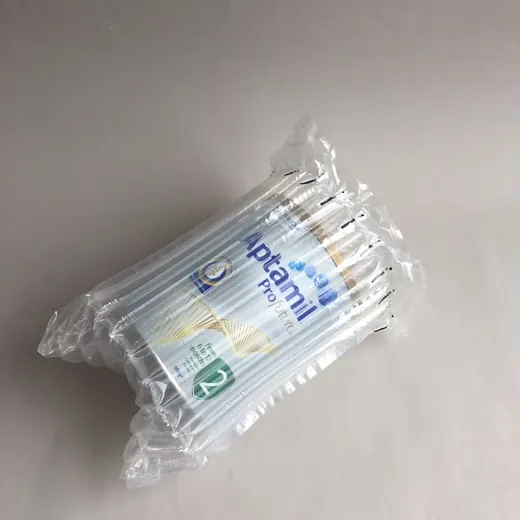
The inflated columns stand 60 to 120 kg. For most consumer electronics, bottled goods and instruments that is well inside what the pack has to resist during stacking and handling.
Material and End of Life
The bags are multi-layer PE and PA co-extrusion film, recyclable, reusable and water resistant. The end customer can deflate and flatten the pack, which is usually easier to dispose of than a moulded foam insert.
The Practical Way to Decide
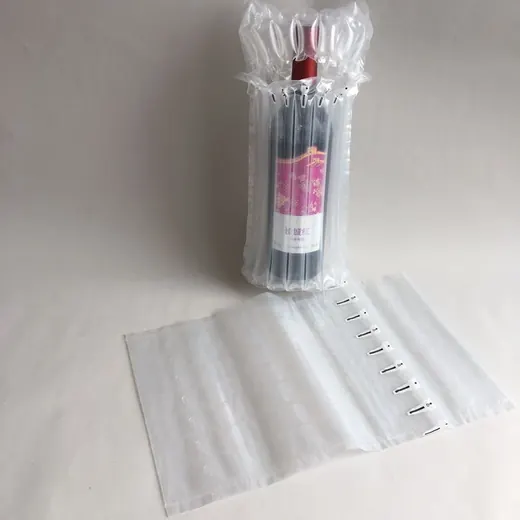
If you ship one high-volume product that will not change for years, foam tooling can be justified. If you ship several models, revise them, or need to add a new SKU quickly, the air column format is almost always the lower total cost, and it can be inflated at your own bench with a Q, L and U type filling machine.
What This Guide Refers To
The items behind the numbers used above, each with its own specification table.
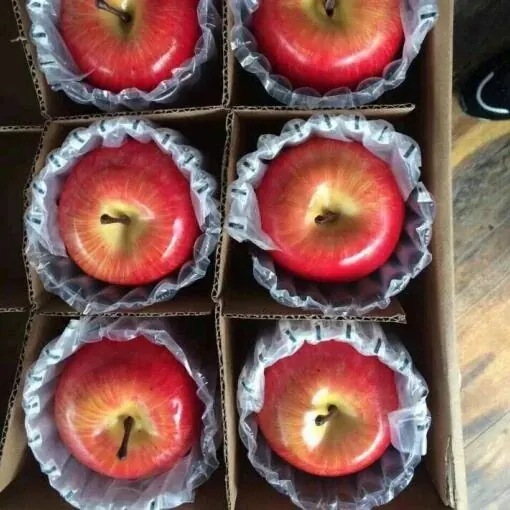 Air Column Bag
Air column bag for fruit is a flexible, inflatable packaging solution made from co-extruded PE/PA film. It inflates on demand using a simple machine, providing…
View Product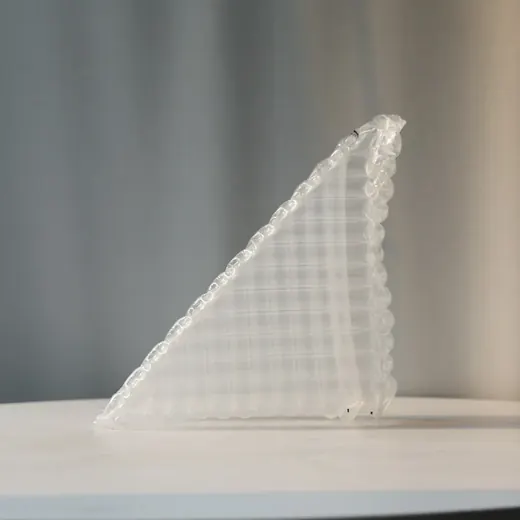 Air Column Bag
Air filling bag for LCD TV and computer monitor is a custom-shaped, multi-layer co-extrusion film bag with individually sealed air columns. It inflates on demand…
View ProductAir Column BagInflatable air bag for electronic product packing is a continuous roll of co-extruded PE/PA film with sealed air columns that inflate on demand at the packing…
View Product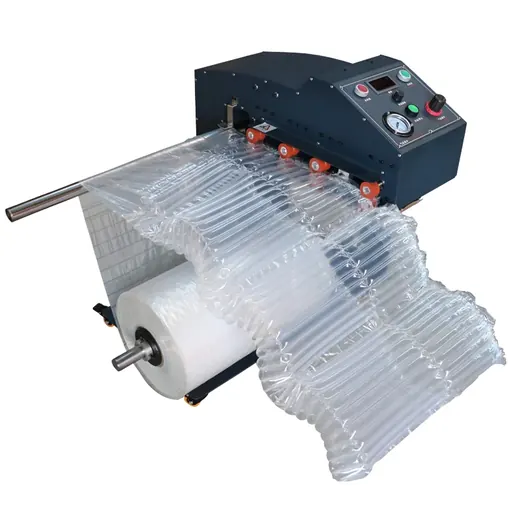 Air Column Machine
Q/L/U type airbag filling machine AWPACK-008 inflates air column bags from continuous rolls on demand. The machine handles film widths from 200 mm to 1150 mm and…
View Product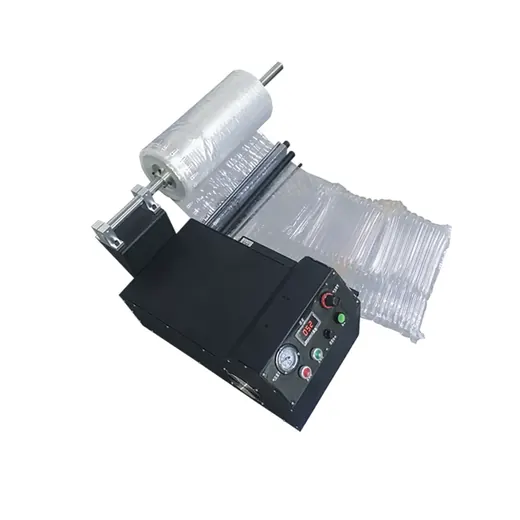 Air Column Machine
High speed industrial air column bag making machine AWPACK-007 automatically inflates air column rolls into U, L, or straight column bags. It runs at up to 20 m/min…
View Product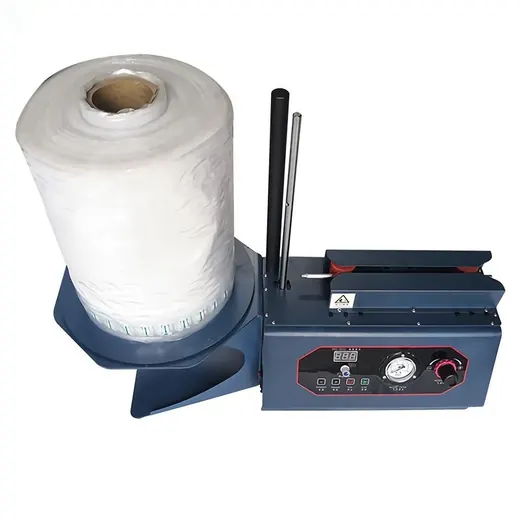 Air Column Machine
Air column machine is an automatic inflating system that converts flat air column film into sealed, pressurised bags in U, L, or straight tube formats. The machine…
View ProductWhere This Fits Next
Where This Fits Next
Questions From This Guide
How much load does an air column bag take
The columns stand 60 to 120 kg after inflation.
What happens if a column is punctured
Each column is sealed separately, so a damaged column does not affect the rest of the pack.
Do we need a machine to use them
Yes, an airbag filling machine. It handles Q, L and U type formats with single button operation.
Can the bag be made to our product shape
Yes. Any size and shape can be customised. Send dimensions or a drawing with your enquiry.
Have the Guide Applied to Your Own Pack
Send your product, your carton and your volumes and we will apply the selection procedure above to your case.