
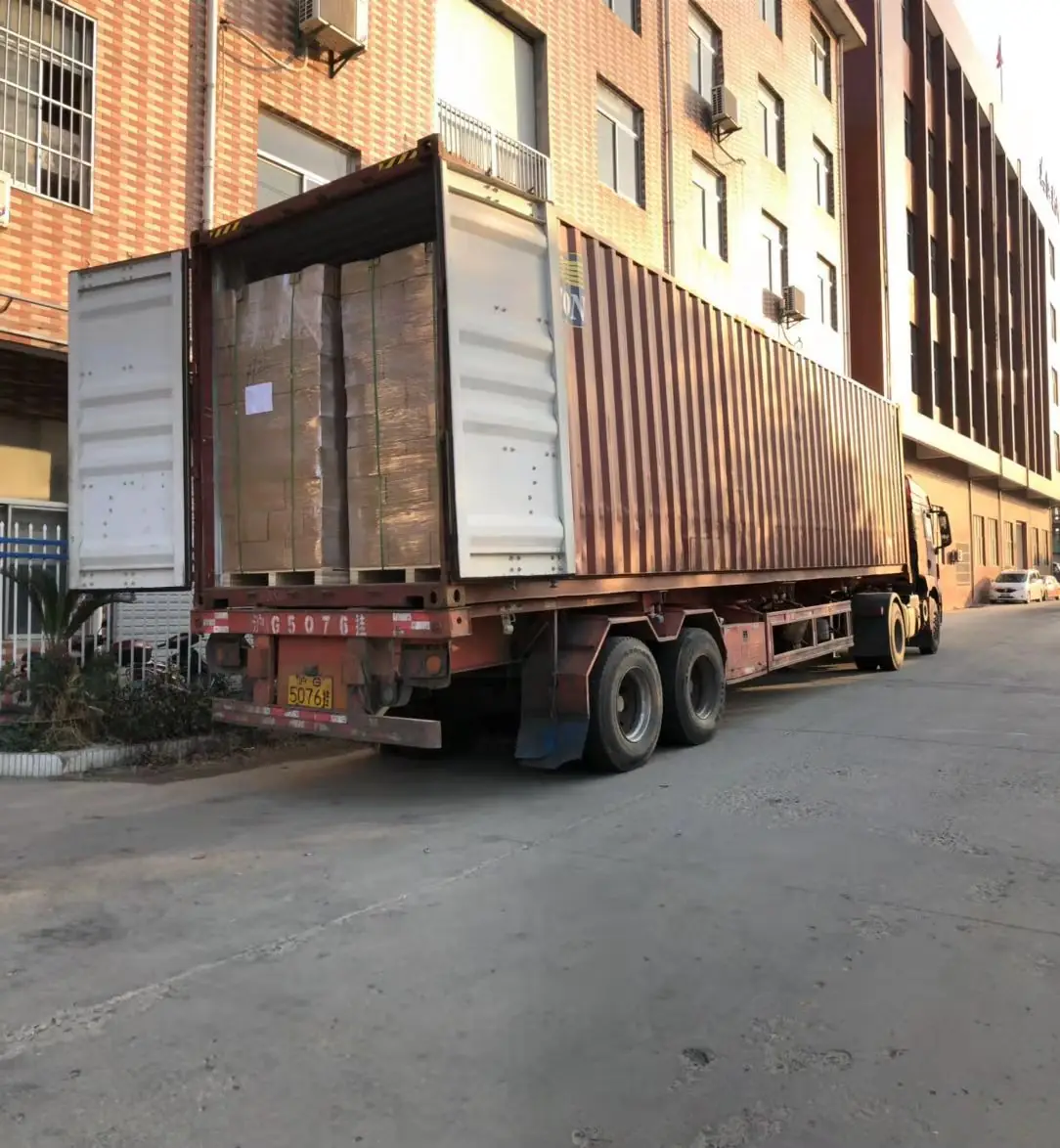
Container Load Securing: The Damage Happens in the Gap Between Pallets
Most container damage is not caused by the goods being under-packed. It is caused by the void between pallets letting the load move when the box is lifted, braked or rolled. Dunnage bags fill that void in minutes and are chosen by the size of the gap you actually have.
Exporters loading FCL and LCL containers, and road freight operators securing trailer loads.
Every Stage Where This Usually Goes Wrong
Each stage names the problem first, then what we actually do about it. Nothing here depends on a claim we cannot show you.
Bags are bought by habit or by price, not by the void pattern of the actual load plan.
How we solve it. We work from your pallet dimensions and container type to identify where the voids fall and how wide each one is.
An undersized bag cannot brace the load and an oversized bag cannot be inflated correctly.
How we solve it. Twenty models from AW-0510 to AW-1224 cover void fill from 100 mm to 600 mm and cargo heights from 900 mm to 2300 mm, so the bag is chosen to the gap.
Buyers default to one material without knowing where each one belongs.
How we solve it. Kraft paper suits ocean containers and recycles with paper waste. PP woven suits repeated use and rougher handling.
Over-inflation bursts bags and under-inflation leaves the load loose, and both come from having no pressure standard.
How we solve it. Working pressure must not exceed 0.2 Bar, 20 kPa or 2.8 PSI. We supply inflators so the same pressure is applied at every gap.
A failed valve takes a reusable bag out of service.
How we solve it. Dunnage bag valves and inflators are stocked as separate items, so a valve is replaced instead of the bag.
Nobody verifies the bracing before the container doors close.
How we solve it. We supply a simple loading sequence with the order, so the operator inflates, checks and records before the doors close.
A claim after arrival is too late to be useful.
How we solve it. Send loading photos on WhatsApp and we will comment on bag placement and sizing before the next container goes out.
What Changes After the Switch
- Pallets are braced against movement rather than relying on strapping alone
- Bag size is matched to the actual gap, so bags stop bursting or sitting loose
- Bags with a multi-use valve are deflated and used again on the return leg
What This Solution Is Built From
Real catalogue items, not a concept. Each one has its own specification table.
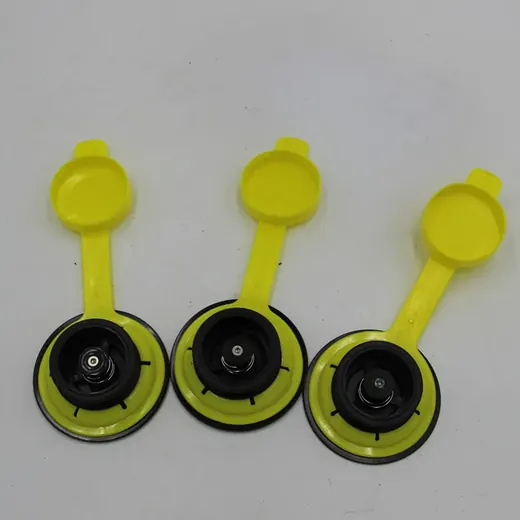 Air Dunnage Bag
Air bag dunnage inflation valve is a fast-acting, spring-loaded valve designed for large dunnage bags used in container and pallet loading. It enables rapid…
View Product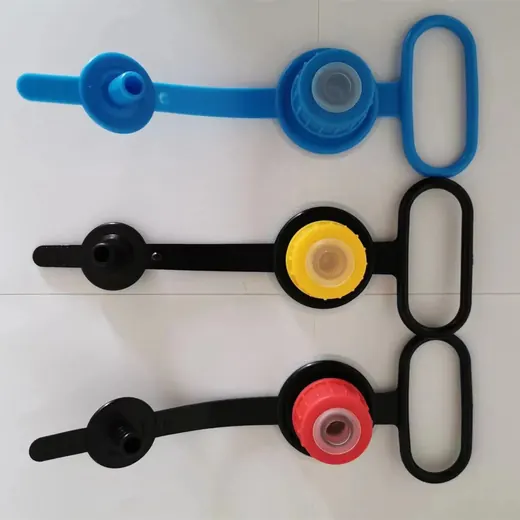 Air Dunnage Bag
Air dunnage bag valve is a high-speed inflation and deflation valve designed for large air dunnage bags used in container and pallet loading. The valve enables…
View Product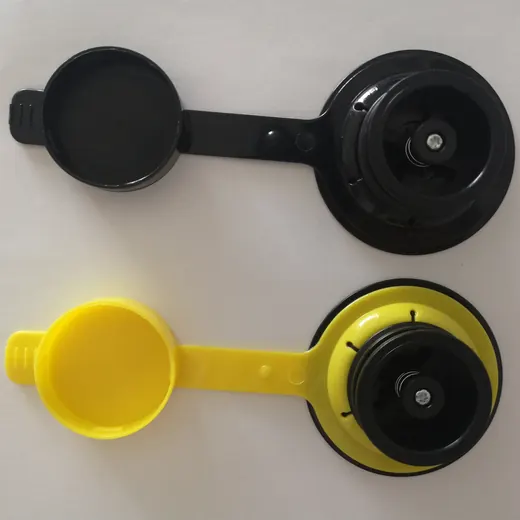 Air Dunnage Bag
The dunnage bag air valve enables rapid inflation and deflation of air dunnage bags during loading and unloading. Its large size and spring-loaded mechanism allow…
View ProductWhere This Fits Next
Container Load Securing Questions
How do I pick the right dunnage bag size
Measure the gap. Void fill capability runs from 100 mm to 600 mm by model, and cargo height from 900 mm to 2300 mm. Pick the model that spans your actual void.
How much load can a dunnage bag hold back
The bags are used with loads up to 20 tons, with bearing strength from 2.5 T to 7 T by model.
What pressure should the bags be inflated to
Working pressure must not exceed 0.2 Bar, which is 20 kPa or 2.8 PSI.
Can the bags be reused
Yes. The multi-use valve lets you deflate and reuse the bag, and both kraft paper and PP woven versions are recyclable.
Start With a Short Call About Container Load Securing
Send your current pack, your volumes and the constraint you are working against. We will tell you where the change pays and where it does not.