
Plastic Free Packaging: Take the Plastic Out Without Losing the Protection
Marketplaces, retailers and packaging waste rules are all pushing plastic out of the outer pack. The problem is that most plastic-free swaps protect less. A paper pack works when the cushioning is structural — honeycomb rather than flat sheet — and when the seal is paper too.
Brands and exporters with recyclability commitments or customers who specify a plastic-free outer pack.
Every Stage Where This Usually Goes Wrong
Each stage names the problem first, then what we actually do about it. Nothing here depends on a claim we cannot show you.
Plastic-free is usually stated as a target without anyone checking which parts of the pack are actually plastic.
How we solve it. We list every component in your current pack, from cushioning to tape, and mark which ones have a paper equivalent that performs.
Flat kraft paper on its own barely cushions once the carton is stacked.
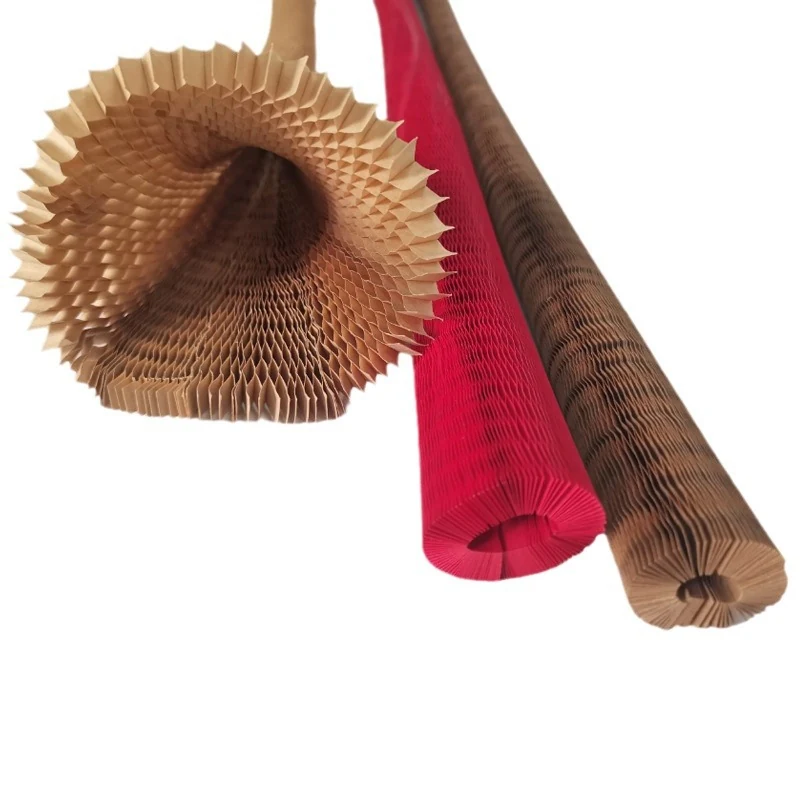
How we solve it. Honeycomb paper is slit and expanded so it grips the product and absorbs impact, which is the structural difference between paper that protects and paper that just fills.
One paper format cannot cover bottles, flat goods and loose gaps.
How we solve it. Sleeves for bottles and jars, honeycomb padded envelopes for small items, kraft void fill pads for gaps and fanfold paper for bulk filling.
A paper pack closed with plastic tape is still a mixed material pack for the recycler.
How we solve it. Water activated gummed paper tape uses a kraft carrier and starch adhesive, so the whole carton goes into one recycling stream.
Paper takes longer to apply by hand than pulling a strip of bubble wrap.
How we solve it. Paper cushion machines, honeycomb dispensers and gummed tape dispensers bring the paper bench back to plastic bench speed.
Incoming cartons are thrown away while void fill is bought in.
How we solve it. A cardboard perforator in 325 mm, 425 mm or 500 mm cutting width converts used cartons into cushioning on site.
A change that looks right on paper can fail the first drop test.
How we solve it. We send samples in the formats you shortlisted so the drop test happens before the purchase order, not after.
What Changes After the Switch
- The outer pack becomes a single recyclable material stream
- Tamper evidence improves, because gummed tape shows any attempt to reopen a carton
- Incoming cartons become outgoing void fill instead of waste
What This Solution Is Built From
Real catalogue items, not a concept. Each one has its own specification table.
 Paper Cushion
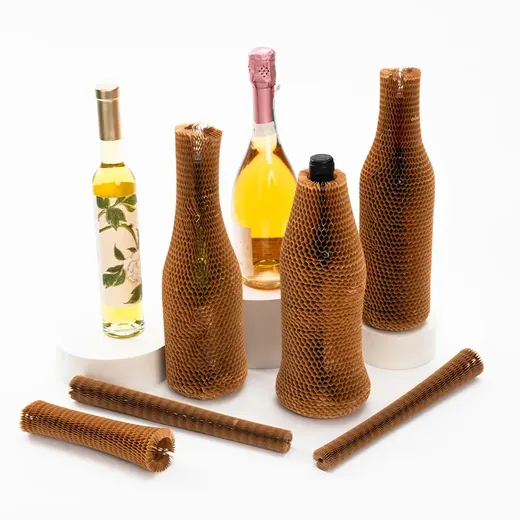
Honeycomb paper sleeve is a 100% biodegradable and recyclable protective wrap made from high-quality Kraft paper with a honeycomb structure that absorbs shock and…
View Product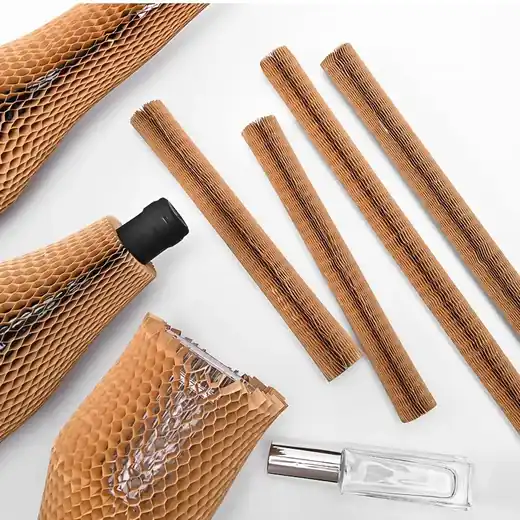 Paper Cushion
Honeycomb kraft wrapping paper sleeve is a continuous roll of corrugated paper formed into a honeycomb structure that provides shock absorption and cushioning when…
View Product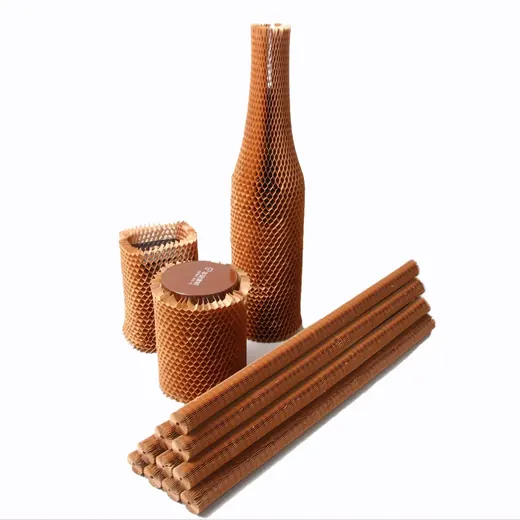 Paper Cushion
Honeycomb paper sleeve is a continuous roll of corrugated paper with a honeycomb structure that provides shock absorption and cushioning when wrapped around fragile…
View Product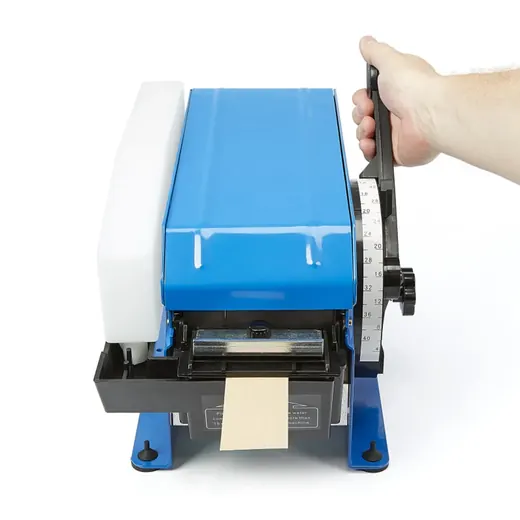 Paper Tape
Manual gummed paper tape dispenser is a heavy-duty, portable device that applies pre-moistened, precut paper tape with one lever stroke. It delivers consistent tape…
View Product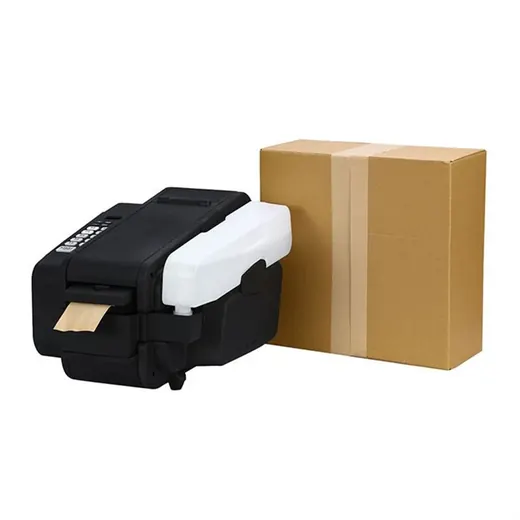 Paper Tape
Gummed paper tape dispenser is an electric machine that applies adhesive paper tape to cartons with consistent tension and precision. It operates at high speed and…
View Product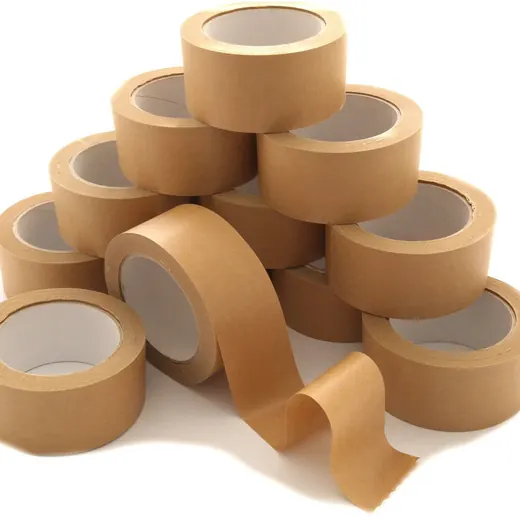 Paper Tape
Self adhesive paper tape is a pressure-sensitive tape that bonds instantly to cardboard without water or heat. It forms a strong, tamper-evident seal that visibly…
View ProductWhere This Fits Next
Plastic Free Packaging Questions
Is honeycomb paper actually as protective as bubble wrap
For bottles and flat fragile goods it performs well because the expanded structure grips the product. For deep voids in large cartons an inflatable cushion still fills the space more efficiently, so some packs stay mixed.
Does gummed paper tape need a special dispenser
Yes, water activated tape needs a dispenser that wets the adhesive. We supply manual and bench versions. Self adhesive paper tape runs in a standard tape gun.
Will the change slow the packing bench down
Not if the paper is dispensed rather than cut by hand. Paper cushion machines and honeycomb dispensers are what keep the throughput.
Can we switch part of the pack rather than all of it
Yes, and most buyers do. Tape and outer cushioning usually change first because they are the parts the end customer sees and recycles.
Start With a Short Call About Plastic Free Packaging
Send your current pack, your volumes and the constraint you are working against. We will tell you where the change pays and where it does not.