
Monitoring Instruments
Vibrating Wire Load Cell
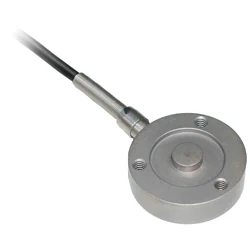
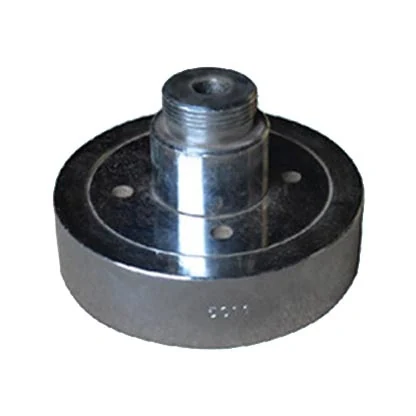
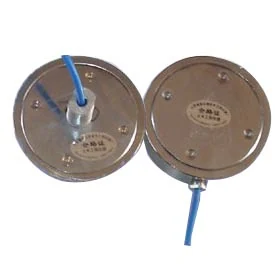
Two earth pressure load cell models are supplied. AT-LC-2020 is a vibrating wire load cell for the pressure stress between soil and structures such as earth rock dams, revetments, wharf walls, high-rise buildings, piers, retaining walls, tunnels, subways, airports, highways, railways and cut-off walls. AT-LC-2030 is a strain type micro earth load cell for model tests, soft soil subgrade, asphalt pouring, retaining walls and pipeline fluid contact pressure.
ISO 9001:2015 production Samples available Small orders accepted
Product Overview
Two earth pressure load cell models are supplied. AT-LC-2020 is a vibrating wire load cell for the pressure stress between soil and structures such as earth rock dams, revetments, wharf walls, high-rise buildings, piers, retaining walls, tunnels, subways, airports, highways, railways and cut-off walls. AT-LC-2030 is a strain type micro earth load cell for model tests, soft soil subgrade, asphalt pouring, retaining walls and pipeline fluid contact pressure.
Materials
- Sealed metal sensor body
- Vibrating wire element on AT-LC-2020 and strain type element on AT-LC-2030
Key Benefits
- Ten pressure ranges from 0.1 MPa to 6.0 MPa so the cell can be matched to the expected stress
- Resolution of 0.08 percent FS or better on AT-LC-2020 and 0.05 percent FS or better on AT-LC-2030
- Working range minus 25 degrees C to plus 60 degrees C for outdoor and buried installation
- Micro cell at 28 by 7 mm for model tests and thin interfaces
- Identification recognition can be added so instruments stay traceable after a cable break
Application Scenarios And Who It Is For
Application Scenarios
- Earth pressure between soil and earth rock dams, revetments and wharf walls
- Contact stress at piers, retaining walls, tunnels, subways and cut-off walls
- Airport, highway and railway subgrade monitoring
- Model tests and soft soil subgrade research
- Asphalt pouring, bucket quicksand and pipeline fluid interface pressure
Who It Is For
- Dam and embankment owners running instrumentation programmes
- Tunnel and metro contractors monitoring lining pressure
- Highway and railway subgrade monitoring teams
- Research institutes running scale model tests
Problems It Solves
- Earth pressure that is assumed in design but never verified in service
- Sensors sized to the wrong range giving poor resolution at the real load
- Instruments that cannot be identified after a cable is cut during construction
- Thin interfaces where a standard pressure cell will not fit
Technical Features
- AT-LC-2020 measuring ranges 0.1 to 6.0 MPa across ten specification steps
- AT-LC-2020 resolution 0.08 percent FS or better and total error 1.5 percent FS or better
- AT-LC-2030 total range 0 to 1.0 MPa, customisable, with resolution 0.05 percent FS or better
- AT-LC-2030 size 28 by 7 mm, impedance 350 ohm, insulation resistance at least 200 megohm
- AT-LC-2030 connection input to output AC to BD
- Working temperature minus 25 degrees C to plus 60 degrees C
Specifications
Values below are taken from our published product data. Our tables note that figures are general averages for reference and that actual data should be confirmed by testing within the applicable scope.
| Models | AT-LC-2020 vibrating wire load cell and AT-LC-2030 strain type micro earth load cell |
|---|---|
| Specification Steps | 1 2 4 6 8 10 16 25 40 60 |
| Measuring Range AT-LC-2020 | 0.1 0.2 0.4 0.6 0.8 1.0 1.6 2.5 4.0 6.0 MPa |
| Resolution AT-LC-2020 | 0.08 percent FS or better |
| Total Error AT-LC-2020 | 1.5 percent FS or better |
| Total Range AT-LC-2030 | 0 to 1.0 MPa, customised to requirement |
| Resolution AT-LC-2030 | 0.05 percent FS or better |
| Size AT-LC-2030 | 28 by 7 mm |
| Impedance AT-LC-2030 | 350 ohm |
| Insulation Resistance AT-LC-2030 | at least 200 megohm |
| Working Temperature | minus 25 degrees C to plus 60 degrees C |
Quality Control
- Each range calibrated and checked against the published FS error
- Insulation resistance verified on the strain type cell
- Sealing checked before shipment for buried service
- Identification code recorded against each instrument
Customization Options
- Range selection across the ten specification steps
- Custom total range on AT-LC-2030
- Identification recognition function on request
- Cable length to the installation
Comparison With Other Products
| Compared With | Why This Product |
|---|---|
| Vibrating Wire Strain Gauge | The load cell reads earth or contact pressure while the strain gauge reads structural strain |
| AT-LC-2030 versus AT-LC-2020 | Choose the micro cell for model tests and thin interfaces, the vibrating wire cell for long-term field embedment up to 6.0 MPa |
Use Guide
- Select the range so the expected pressure sits in the upper part of the span
- Bed the cell so the sensing face is in full contact with the soil or interface
- Record the initial reading before backfilling
- Protect and route the cable to the readout position
Questions Buyers Ask
Vibrating Wire Load Cell FAQ
What pressure ranges are available
AT-LC-2020 covers 0.1, 0.2, 0.4, 0.6, 0.8, 1.0, 1.6, 2.5, 4.0 and 6.0 MPa. AT-LC-2030 is 0 to 1.0 MPa and can be customised.
How accurate are the cells
AT-LC-2020 resolution is 0.08 percent FS or better with total error of 1.5 percent FS or better. AT-LC-2030 resolution is 0.05 percent FS or better.
What is the operating temperature range
Minus 25 degrees C to plus 60 degrees C.
Can the instrument be identified after the cable is damaged
Yes. An identification recognition function can be added so the original instrument code can be recovered after disconnection.
Which model suits a laboratory model test
AT-LC-2030, the strain type micro earth load cell at 28 by 7 mm.
Do you supply matching readouts and cable
Tell us the instruments and run lengths on WhatsApp and we will quote the cable and readout together with the cells.
Related
Related Products And Pages
In Place Inclinometers
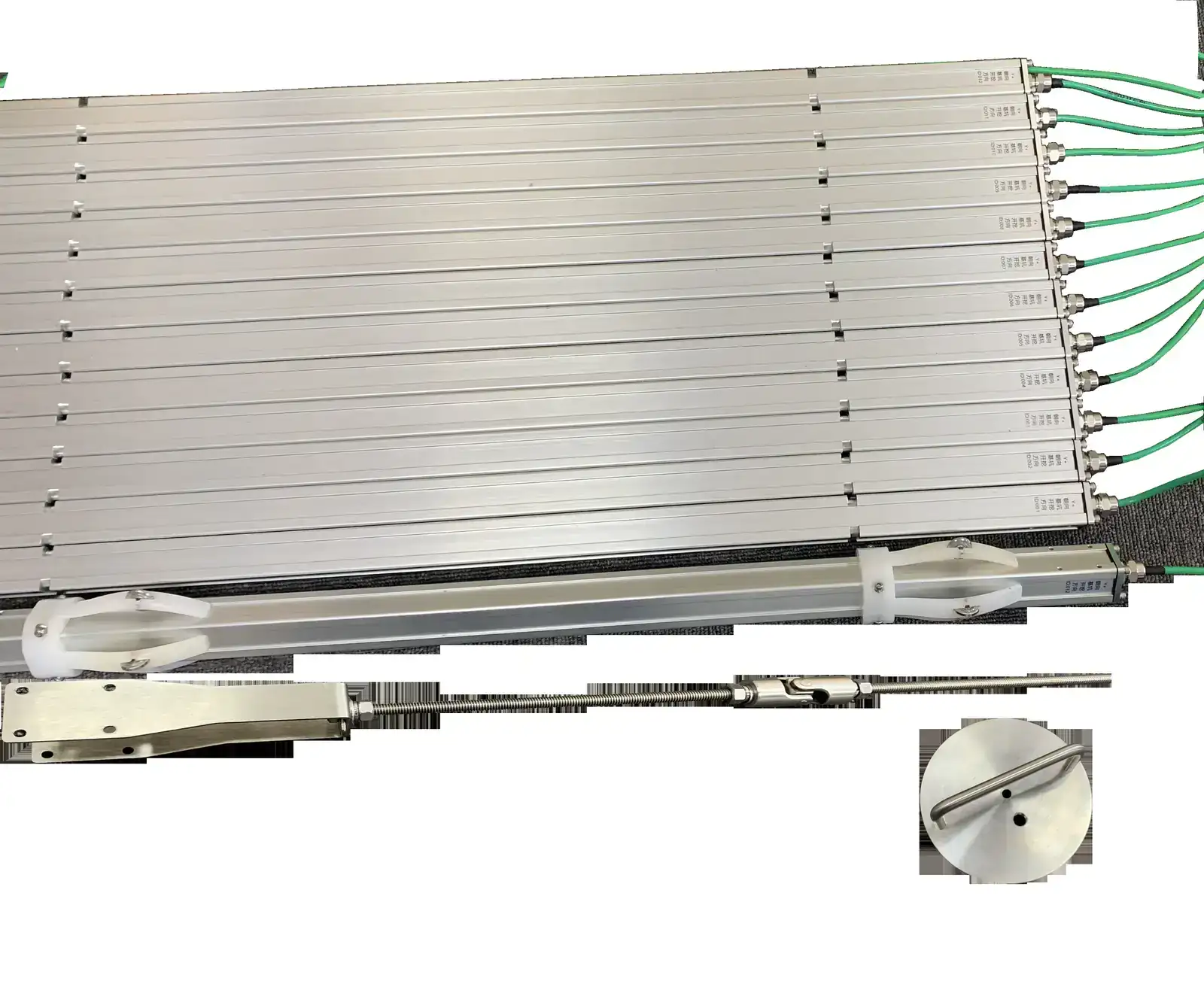
In place inclinometers are left installed in the casing so a borehole is read continuously instead of being surveyed by hand. The...
View Specifications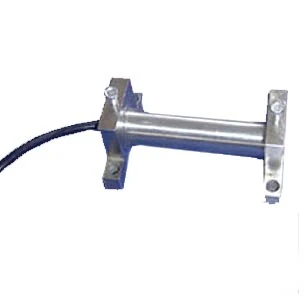
Vibrating Wire Strain Gauge
Two vibrating wire strain gauge models are supplied. AT-SG-4051 is a concrete strain gauge for welding to steel structures such as...
View Specifications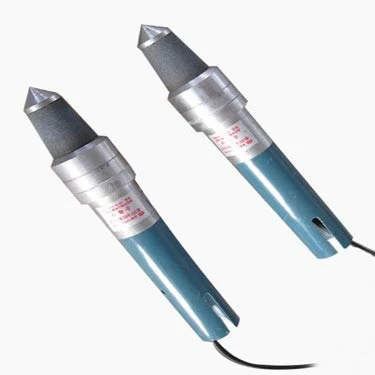
Vibrating Wire Piezometer
Vibrating wire piezometers in the AT-PIE30 series measure pervious pressure in the foundations of dams, hydraulic structures and...
View Specifications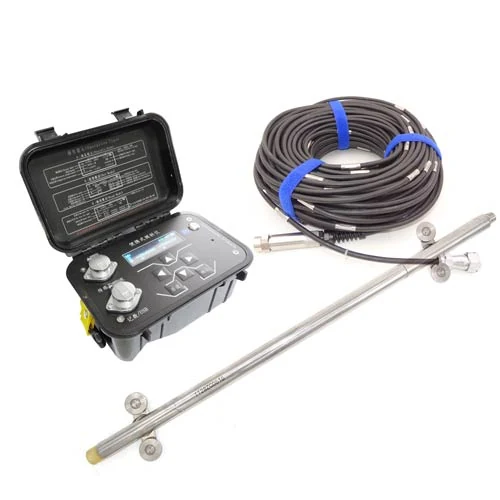
Geotechnical Inclinometer
The geotechnical inclinometer is a traversing probe lowered through grooved casing to survey lateral movement with depth. The probe...
View SpecificationsRelated Industries
Related Solutions
Related Articles
Ask About Vibrating Wire Load Cell
Send the model, quantity and destination port and we will reply with a quotation, packing detail and lead time.