Why Does Silver Need To Be Refined
Silver is one of the most versatile precious metals, applied from electronics through to renewable energy. Raw silver from mines, scrap or recycled material contains impurities that degrade its functionality and market value. This article explains why refining is a non-negotiable step for businesses that need durability, conductivity and compliance.
What Is Silver Refining
Silver refining is the process of removing impurities such as gold, platinum, copper, lead and sulfur from raw or recycled silver to achieve high-purity metal at 99.9% or higher. Techniques including electrolysis, chemical precipitation and cupellation bring the metal to industry-specific standards.
- Unrefined silver may contain 5-20% impurities.
- Global refined silver demand reached 1.2 billion ounces in 2023 (Source: Silver Institute).
Eliminate Contaminants For Industrial Reliability
Impurities such as copper and zinc reduce the electrical conductivity of silver, which matters in three places in particular.
- Electronics: circuit boards, switches and semiconductors require 99.99% pure silver to prevent short circuits.
- Solar panels: silver paste in photovoltaic cells loses efficiency if contaminated.
- Batteries: refined silver ensures stable performance in EV and grid-scale energy storage systems.
Enhance Durability In Jewelry And Silverware
Unrefined silver tarnishes rapidly because of sulfur compounds.
- Refining prevents blackening and corrosion.
- It maintains lustre on luxury products.
- It reduces customer complaints and returns.
Meet Regulatory And Safety Standards
- Medical applications: surgical tools and antibacterial coatings require biocompatible, impurity-free silver under ISO 13485 standards.
- Food-grade equipment: NSF-certified kitchenware demands less than 0.1% lead content.
- Environmental law: refining minimises toxic waste such as cyanide residues in compliance with EPA and REACH regulations.
Maximise Economic Value
- Refined silver trades at premium prices on commodity markets, for example LBMA-certified 99.99% bars.
- Jewellers and mints pay up to 15% more for high-purity silver.
- Recycling scrap with refining recovers 95%+ of the silver, reducing raw material cost.
Enable Advanced Technological Applications
Emerging technologies rely on ultra-pure silver.
- Nanotechnology: silver nanoparticles for sensors and catalysts require 99.999% purity.
- 5G infrastructure: high-frequency antennas use refined silver for minimal signal loss.
- Hydrogen fuel cells: contaminant-free silver electrodes optimise energy conversion.
Traditional Versus Modern Silver Refining Methods
| Method | Process | Purity | Drawbacks |
|---|---|---|---|
| Cupellation | Melting with lead at high temperature | 95-98% | Toxic fume, low efficiency |
| Chemical | Acid leaching and precipitation | 99% | Hazardous waste, slow |
| Electrolytic | Electrolysis with anode and cathode | 99.99%+ | High upfront cost |
Why Electrolytic Refining Dominates
- Zero chemical additives.
- Closed-loop systems recover 98%+ of the silver.
- Scalable for industrial volumes.
Conclusion
Silver refining is not only a technical process but a strategic necessity for quality, profitability and sustainability. Whether you are a miner, a recycler or a manufacturer, refining technology decides whether your silver meets the demands of cutting-edge industries.
Machines Mentioned In This Article
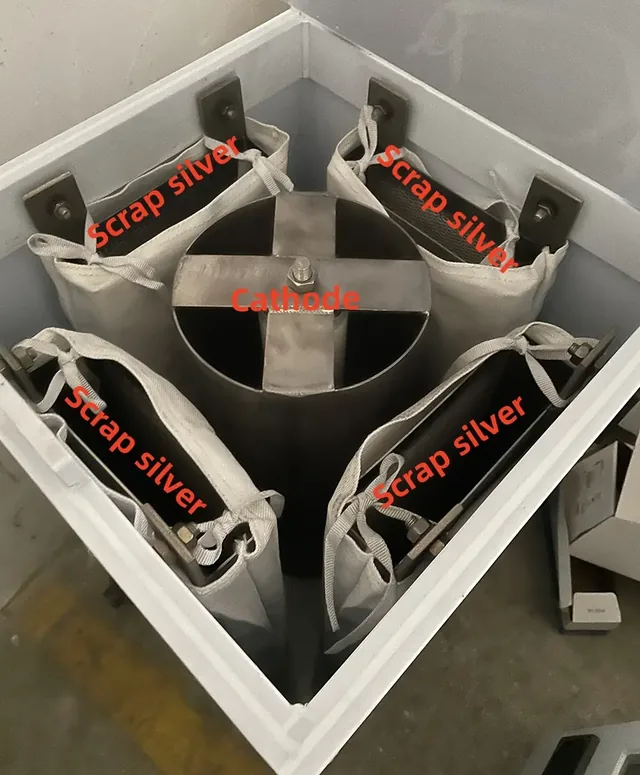
Equipment For This Process
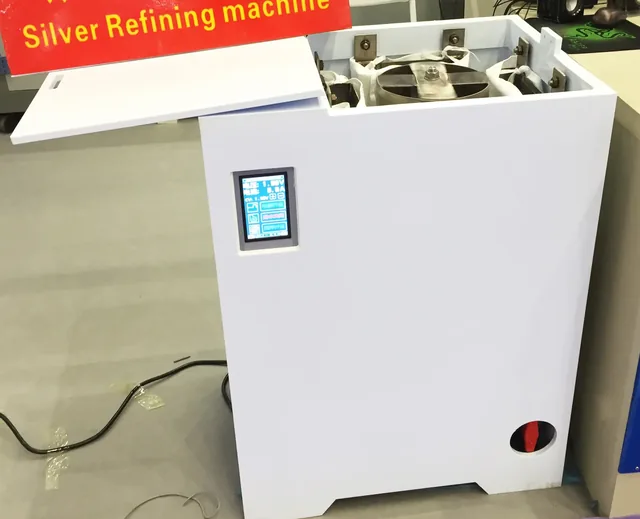
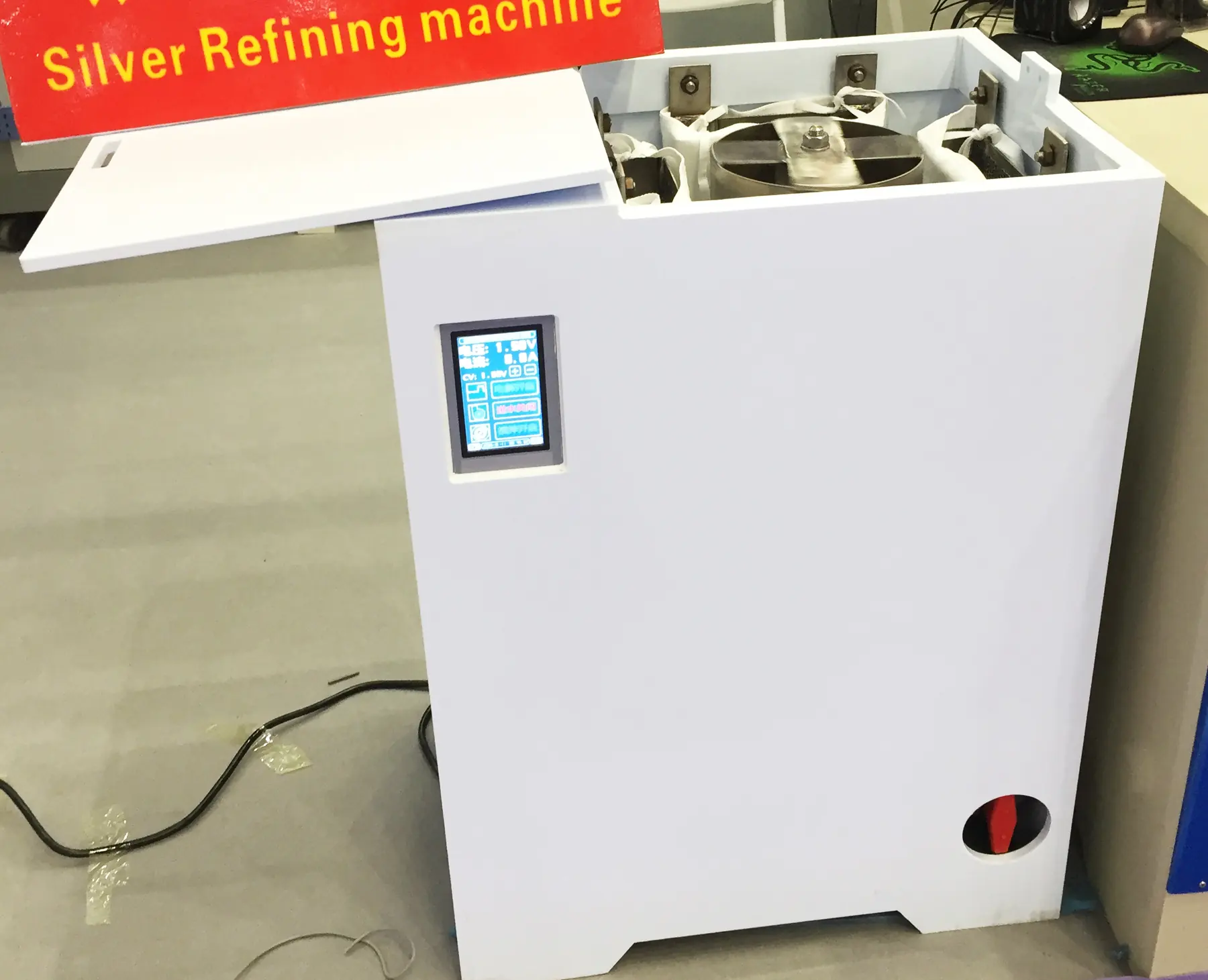
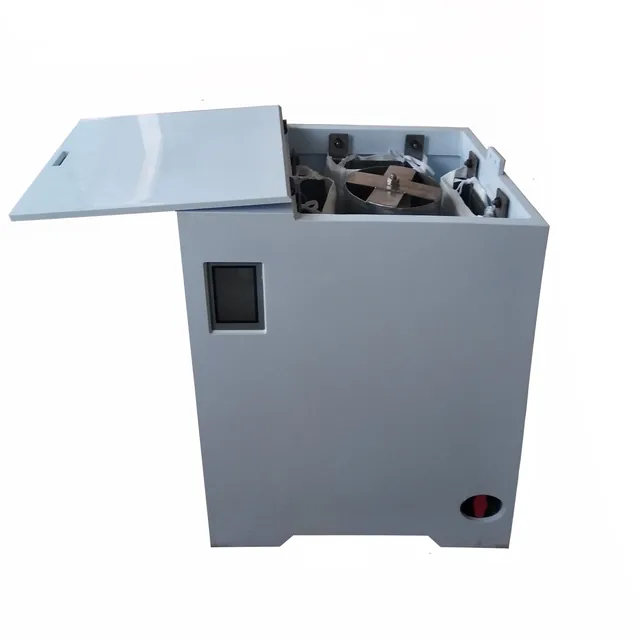
Silver Electrolysis Refining Machine 10kg Per 24h
Workshop scale silver cell for 80-90% silver bars and old jewelry
View machine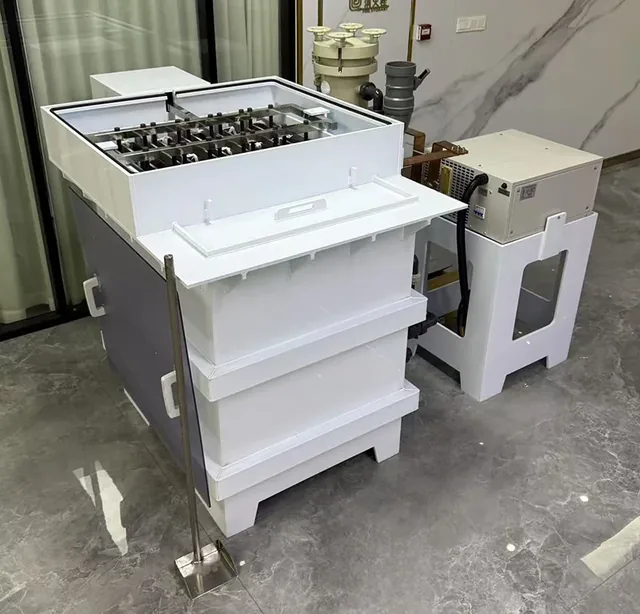
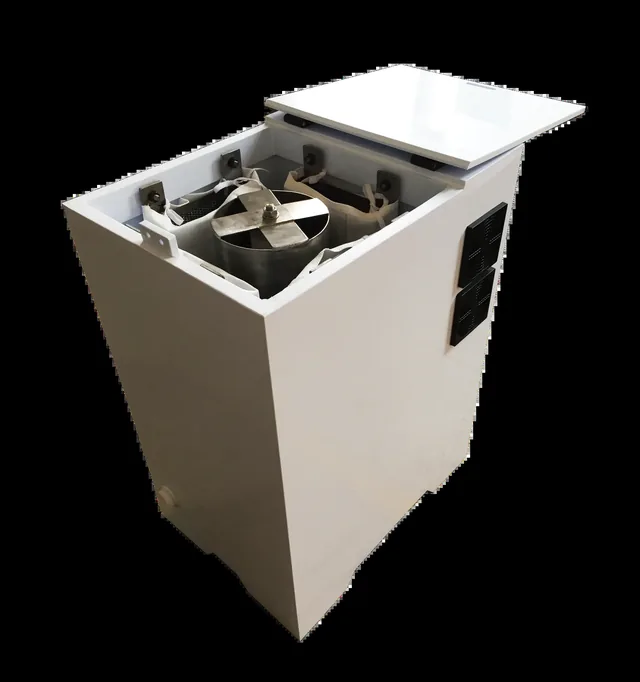
Silver Electrolysis Refining Machine 50kg Per 24h
Sloped bottom cell with automatic scraper and electrolyte filtration for production scale silver refining
View machine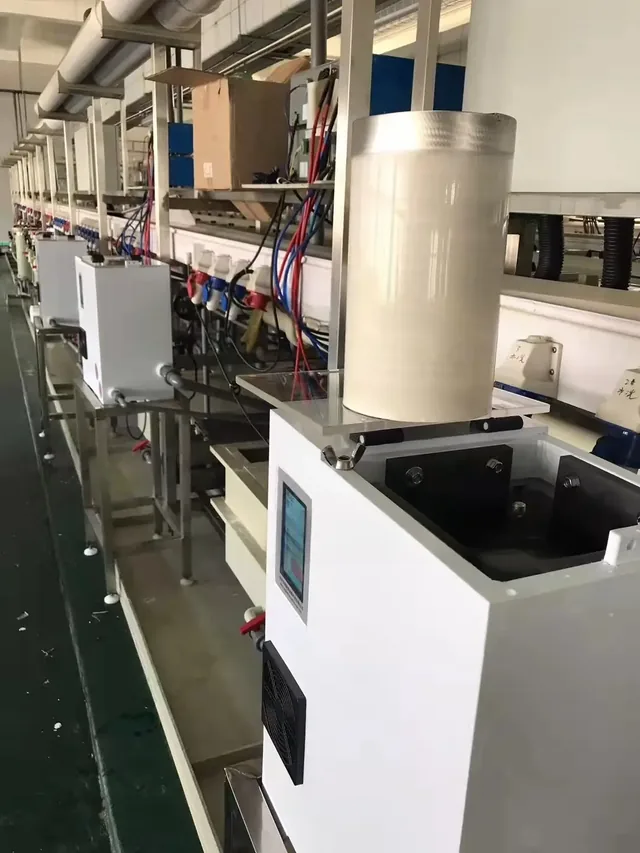
Silver Electrolytic Recovery Machine For Silver Plating Solution
Dedicated silver electrowinning for semiconductor, PCB and jewelry plating lines
View machineQuestions About This Topic
Can I reuse silver without refining?
No. Recycled silver from e-waste or jewelry retains contaminants, so refining is mandatory for reuse.
How much silver is lost during refining?
Advanced electrolytic machines reduce losses to under 2%, while outdated methods waste 10-15%.
Is refined silver eco-friendly?
Yes. Modern refining minimises carbon footprint and landfill waste compared with mining virgin silver.
Talk To Us About This Process
Our engineers answer WhatsApp messages directly, including the technical ones.