
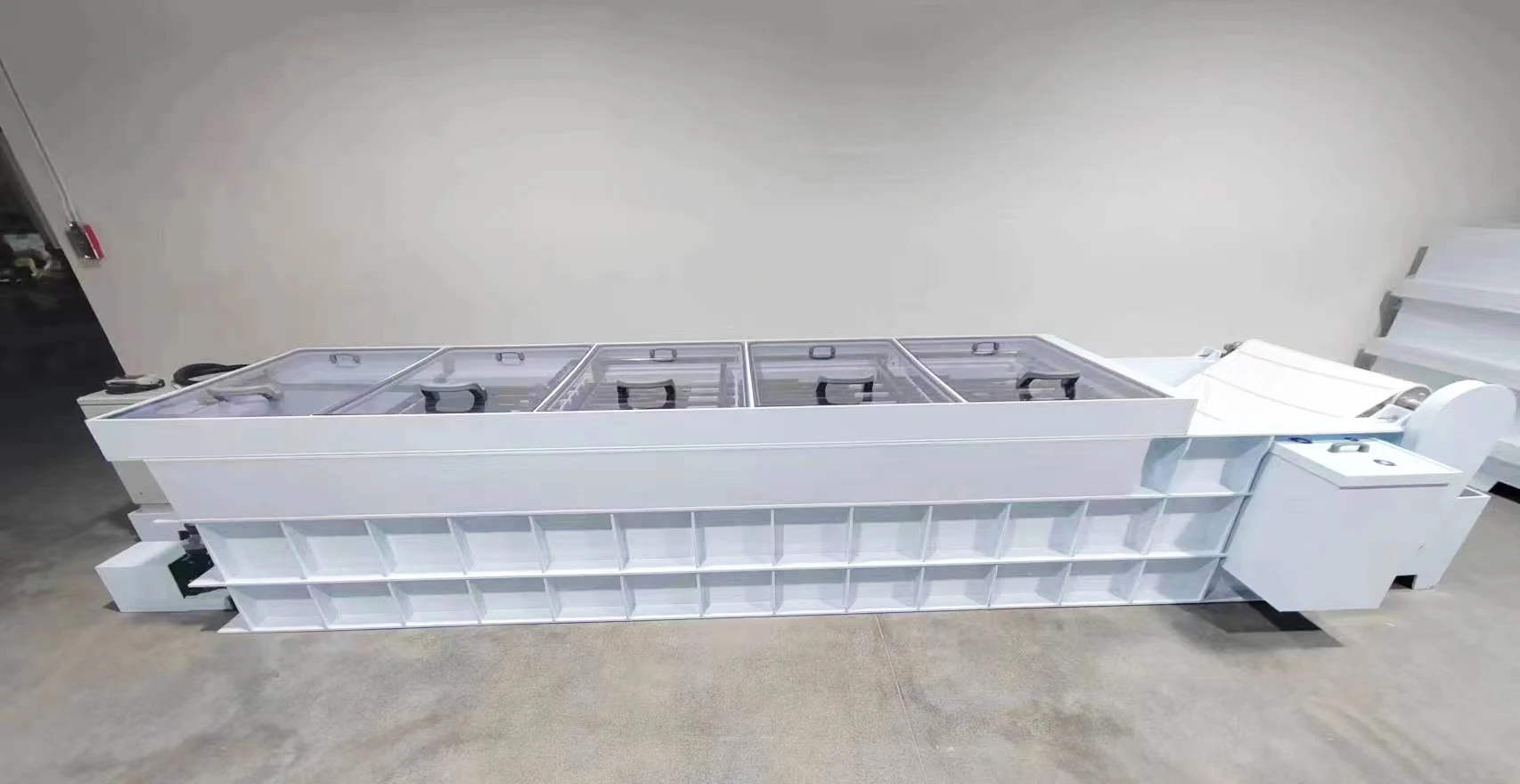
Retrofitting And Improving A Silver Electrolysis Refining Machine
Two things decide whether an existing silver cell produces consistent metal: whether the electrolyte is agitated, and whether its acidity is measured properly. This article covers both.
Quality Risks From Concentration Gradients
If the silver electrolyte has neither convective circulation nor mechanical agitation, and diffusion-based mass transfer of ions is the rate-limiting step, ions continue to deposit at the cathode while silver ions from the bulk solution cannot diffuse in quickly enough to replenish the supply.
The silver ion concentration in the layer next to the cathode surface then drops steadily and a concentration gradient forms. Gradients for impurity metals and for hydrogen ions develop in the cathode zone as well. These gradients compromise product quality and can prevent the process from proceeding smoothly.
Mechanical Agitation Is An Essential Component
To dissipate concentration gradients, accelerate diffusion-based mass transfer and keep a continuous supply of silver ions at the cathode, the cell needs a mechanical agitation system. Agitation also helps hydrogen ions diffuse, which slows their depletion in the cathode zone and prevents metal hydrolysis and the formation of hydroxides.
Reciprocating Mechanical Agitation
Driven by a motor, a rotating cam moves agitation rods back and forth between the anodes and cathodes. With one rod between each anode and cathode pair the system does two jobs at once.
- It agitates the electrolyte to prevent concentration polarisation and promote diffusion.
- It performs a branch-breaking action that prevents silver crystals forming and short circuiting the electrodes.
Agitation Parameters
- Electrolyte mechanical agitation speed: 20-22 cycles per minute.
- Motor power: 1.5 kW is sufficient.
Control Range For Electrolyte Acidity
When the raw material is mainly silver-copper alloy such as 72AgCu scrap, or an alloy containing other impurities such as 56AgCuZnSn, impurities including copper, zinc, tin, lead and iron enter the electrolyte during refining.
Different metals hydrolyse under different conditions. Tin dissolves slowly in dilute nitric acid to form Sn(NO3)2 and NH4NO3 and is prone to hydrolysis: Sn(OH)x species begin to hydrolyse at pH 0 and Sn(OH)2 at pH 0.9, while Fe(OH)3 hydrolyses at pH 1.5.
Since these raw materials are essentially free of palladium and platinum, the electrolyte acidity is not constrained by the 10-20 g/L upper limit. However, a target of pH 1-2 is hard to work with because both pH 1 and pH 2 read red on wide-range pH paper. A pH of 2 corresponds to 10 to the minus 2 mol/L of hydrogen ions, which converts to 0.63 g/L of HNO3, so the nitric acid concentration has to be raised to prevent base metals hydrolysing.
Measuring And Adjusting Electrolyte Acidity
The control standard for electrolyte acidity is set in g/L rather than pH, and the acidity level is roughly ten times the previous standard. pH test strips are therefore neither scientific nor suitable for monitoring it. Titration equipment such as burettes and stands should be used, and acidity measured by titration.
Electrolyte acidity, electrolysis current density and electrolyte temperature must be measured hourly and adjusted as necessary so that all control indicators stay consistent throughout 24 hours of operation.
Conclusion
An older silver cell can usually be brought up to standard with two changes: a reciprocating agitation system running at 20-22 cycles per minute, and titration-based acidity control checked every hour.
Machines Mentioned In This Article
Equipment For This Process
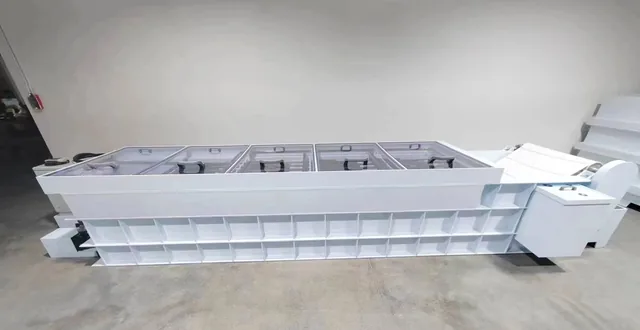
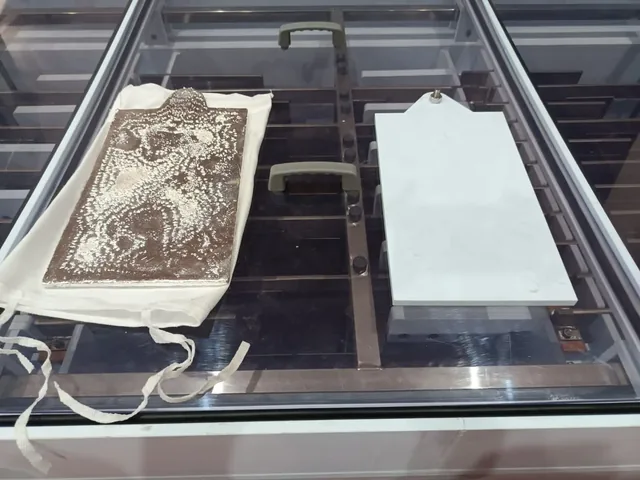
Large Silver Electrolysis Refining Machine 250kg Per 24h
Industrial silver cell with high frequency pulse rectifier and circulating electrolyte
View machine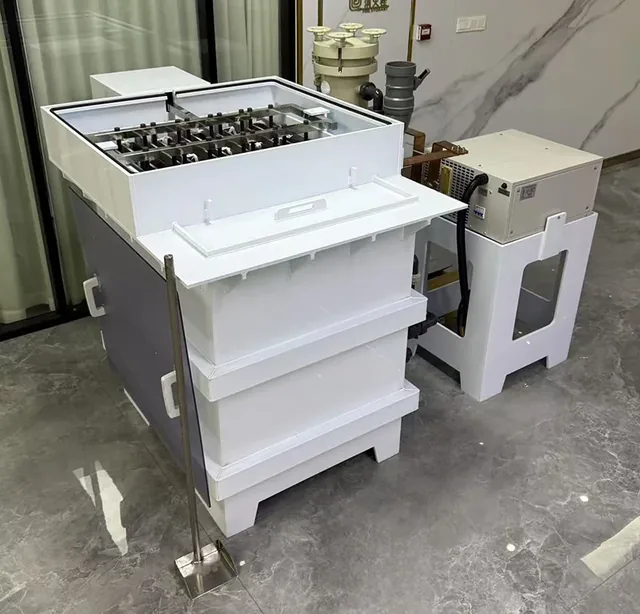
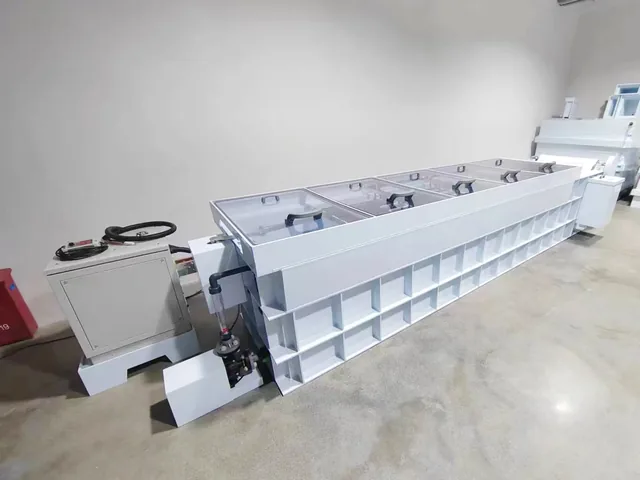
Silver Electrolysis Refining Machine 50kg Per 24h
Sloped bottom cell with automatic scraper and electrolyte filtration for production scale silver refining
View machine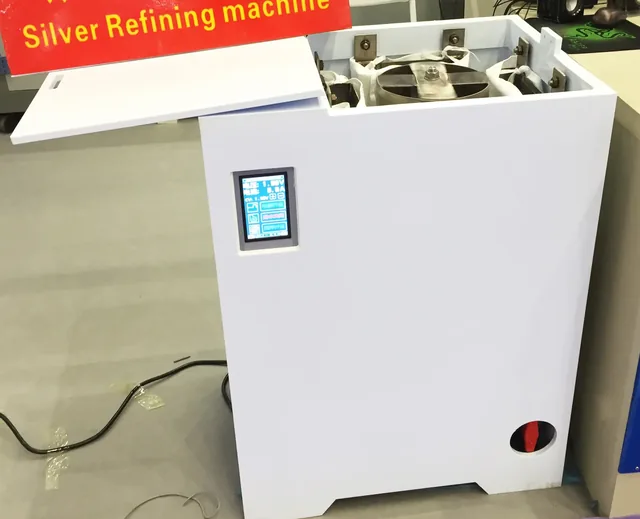
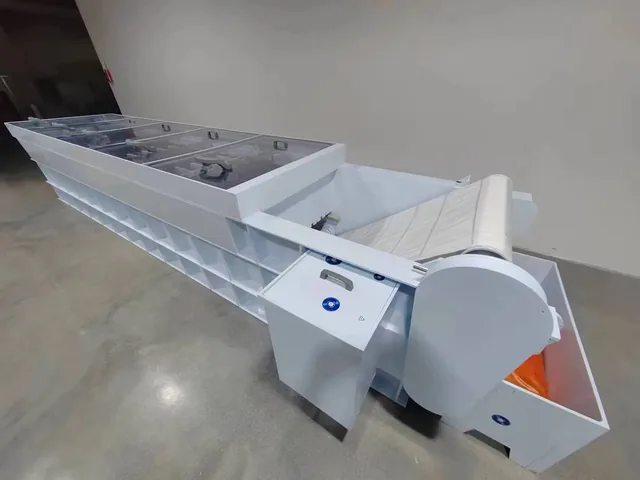
Silver Electrolysis Refining Machine 10kg Per 24h
Workshop scale silver cell for 80-90% silver bars and old jewelry
View machineQuestions About This Topic
What agitation speed should the electrolyte run at?
20-22 cycles per minute, driven by a motor of 1.5 kW.
Why does the agitation rod sit between each anode and cathode pair?
It serves two purposes: agitating the electrolyte to prevent concentration polarisation, and breaking off silver branches that would otherwise short circuit the electrodes.
Can I use pH paper to check electrolyte acidity?
No. pH 1 and pH 2 both read red on wide-range paper, and the control standard is now set in g/L. Use burettes and measure by titration.
How often should acidity be checked?
Hourly, along with current density and electrolyte temperature, so all control indicators stay consistent over a 24 hour run.
What happens without agitation?
Silver ion concentration next to the cathode drops steadily, gradients form for silver, impurity metals and hydrogen ions, product quality suffers and the process may not run smoothly at all.
Talk To Us About This Process
Our engineers answer WhatsApp messages directly, including the technical ones.