Tungsten Carbide Rolls
These are cemented carbide rolls used in cold and hot rolling applications for bar reducing, sizing, wire flattening, and foil production. They are made from tungsten carbide with cobalt binder and are designed for high hardness, wear…
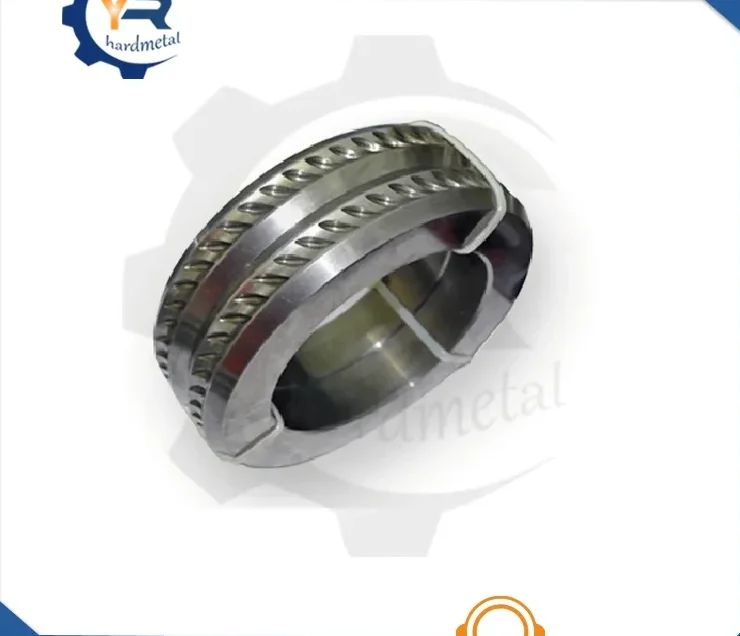
Product Overview
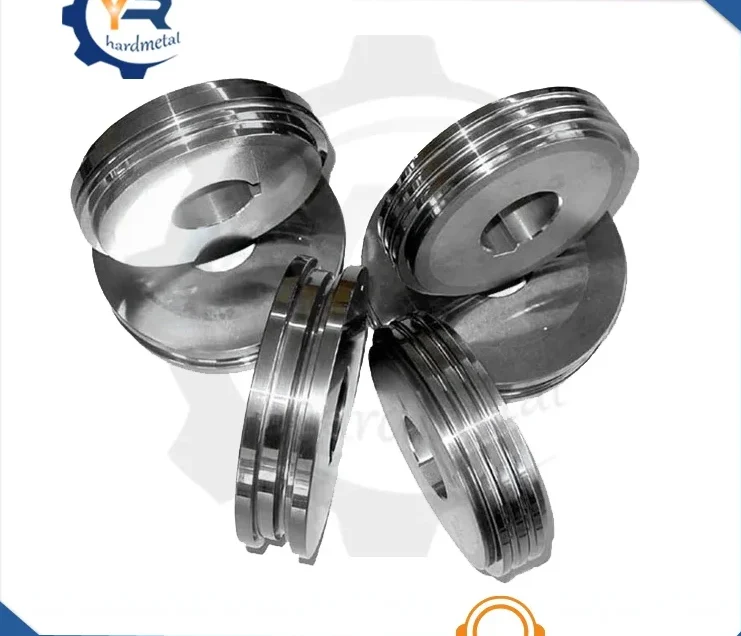
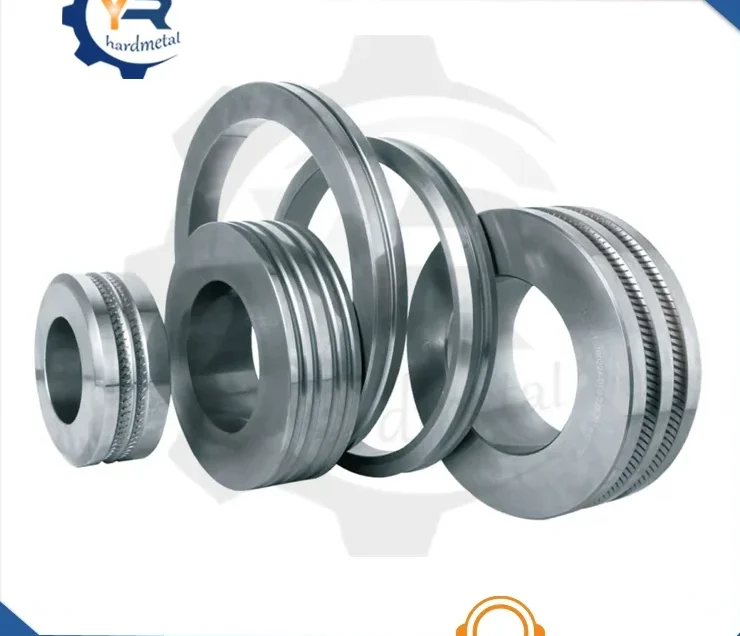
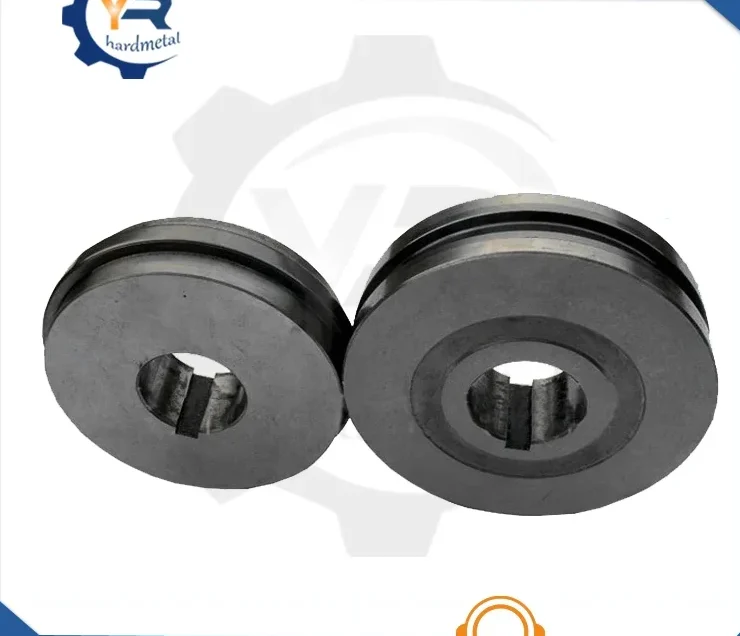
These are cemented carbide rolls used in cold and hot rolling applications for bar reducing, sizing, wire flattening, and foil production. They are made from tungsten carbide with cobalt binder and are designed for high hardness, wear resistance, and precision. The rolls are available in standard sizes or customised to drawing. They are used in front stands of rolling mills to reduce groove and roll changes, improve surface quality, and increase yield.
Key Benefits
- 20 to 30 times longer life than standard iron rolls, reducing downtime and replacement frequency
- 2 times longer life than HSS rolls, lowering total cost of ownership
- High precision and surface quality in rolled material due to stable geometry and wear resistance
- Reduced groove and roll changes in front stands of rebar and rod rolling machines
- Lower labor intensity and higher productivity in high-speed wire rolling
- Minimal maintenance after offline, especially in high-speed applications over 100m/s
Technical Data
Values below come from the product data we publish. Anything not listed is confirmed against your drawing at quotation.
| Material | Cemented tungsten carbide (WC-Co) |
|---|---|
| Diameter Range | Φ300-450mm |
| Thickness Range | 30-150mm |
| Shape | Roller or composite roll ring |
| Finish | Ground to drawing |
| Dimensions | To customer drawing or standard sizes |
| Lead Time | Stock items 3-5 days after payment; customised items quoted per order |
| Grades Available | YG6 YG8 YG10 YG15 YL10.2 and equivalents, selected for service conditions |
Problems It Solves
- Frequent roll changes due to rapid wear in abrasive or high-speed rolling environments
- Surface defects and dimensional inaccuracies from roll deformation or wear
- High downtime and labor cost from frequent groove and roll replacements
- Cracking and breakage of rolls under high-speed or high-impact conditions
- Short service life of iron or HSS rolls in continuous or high-precision rolling
Who It Is For
- Rolling mill operators in steel and metal processing industries
- Manufacturers of wire, rebar, rod, and foil requiring long-lasting roll tools
- Machinery builders integrating wear-resistant rolls into new rolling stands
- Maintenance teams replacing worn rolls in high-speed or abrasive environments
- Engineering firms specifying roll solutions for new rolling line designs
Application Scenarios
- Cold rolling of wire for hair springs and flat steel with high surface finish requirements
- Foil rolling where dimensional stability and surface quality are critical
- High-speed wire rolling with speeds over 100m/s, where crack and breakage are common in other materials
- Hot rolling of bars and rebars using composite roll rings to reduce roll change frequency
- Bar reducing and sizing machines with roll diameters between Φ300-450mm and thicknesses of 30-150mm
Technical Features
- Made from cemented tungsten carbide with cobalt binder, selected for hardness and toughness
- Available in diameters Φ300-450mm and thicknesses 30-150mm for bar reducing and sizing
- Composite roll rings for hot rolling of bars and rebars with reduced groove change frequency
- Precision rotation maintained within ±0.05mm circular runout and runout
- Transitional fit between roll rings and assembly for secure mounting
- No internal cooling or water/oil emulsion cooling to prevent thermal shock
Materials and Grades
- WC-Co cemented carbide with cobalt content selected for wear resistance and toughness
- Lower cobalt grades like YG6 for clean abrasive environments with high hardness needs
- Higher cobalt grades like YG15 for applications with impact or pressure shock
- Composite roll rings with carbide outer layer and steel core for thermal and mechanical stability
Customisation Options
- Manufactured to customer drawings including non-standard and specially shaped roll rings
- Groove machining and rib notching available as part of the service
- Composite roll rings designed for hot rolling of bars and rebars
- Grade selected based on material, speed, temperature, and load conditions
- Samples produced for pre-testing before bulk release
How This Part Is Made
Drawing review and grade selection
Powder blending and pressing
Hot isostatic pressing to achieve high density and stability
Machining of roll rings and grooves
Grinding to final dimensions and surface finish
Dimensional and physical property inspection
Packing and shipping
Quality Control
- Physical properties, shape and tolerance are checked before shipping
- Every order is tested before bulk production is released
- Inspection photographs of the finished order are sent for confirmation before delivery
Use Guide
- Do not cool the roll rings with water or oil-water emulsion to avoid thermal shock
- Install the assembly with tight bearing clearance to maintain precision
- Ensure the circular runout and runout are within ±0.05mm for consistent rolling quality
- Use transitional fit for roll ring mounting and secure fastening to prevent movement
- Avoid striking or collision with roll rings during handling or installation
How It Compares With The Alternatives
| Alternative | Trade-off |
|---|---|
| Standard iron rolls | Iron rolls wear out quickly in abrasive or high-speed rolling, requiring frequent replacement; carbide rolls last 20-30 times longer |
| HSS rolls | HSS rolls have shorter life than carbide rolls and are more prone to cracking under high-speed conditions |
| Ceramic rolls | Ceramic rolls are harder but more brittle; carbide tolerates impact and thermal cycling better in rolling environments |
Tungsten Carbide Rolls FAQ
Are you a trade company or a manufacturer?
A manufacturer. The company has produced tungsten carbide parts for over 15 years and takes on design and processing of carbide products with technical support.
Where is your factory located?
Zhuzhou City, Hunan Province, China, which is the country's tungsten carbide production base.
Can you produce the products according to my own drawing?
Yes. OEM and ODM to customer drawings is standard for this product, including non-standard and specially shaped roll rings.
Can I get a sample before placing a bulk order?
Yes. Samples are available for pre-testing. Send the drawing and service conditions and a sample can be quoted.
How long does an order take?
Stock items are shipped 3-5 days after payment is received. Customised items are given a delivery time in the quotation.
How do I know the parts were checked before they shipped?
Physical properties, shape and tolerance are inspected before shipping, and detailed inspection photographs of the order are sent for confirmation before delivery.
Which grade should I choose?
It depends on the material, speed, temperature, and load. Lower cobalt grades like YG6 offer better wear resistance in clean abrasive service; higher cobalt grades like YG15 tolerate impact and pressure shock better. Send the operating conditions and a grade will be recommended.
Related Products
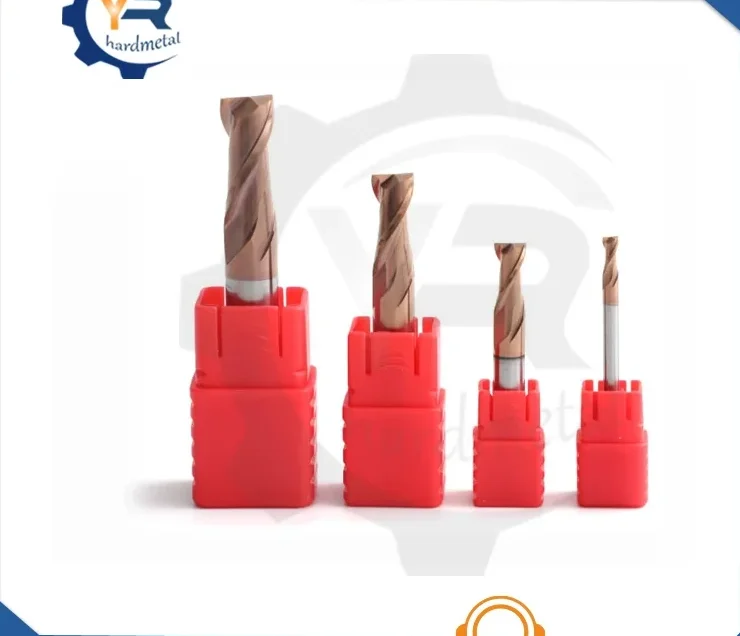
Solid Carbide Hrc 55 2f End Mill
This is a solid tungsten carbide end mill with a hardness of HRC 55, designed for high-speed…
View Details →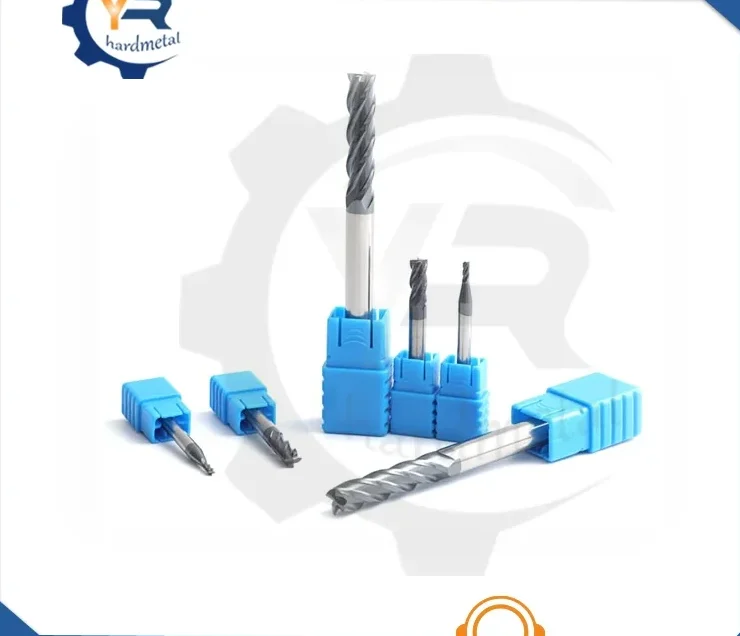
Solid Carbide Hrc 45 4f Endmill
This is a solid tungsten carbide endmill with HRC 45 hardness, designed for high-speed milling…
View Details →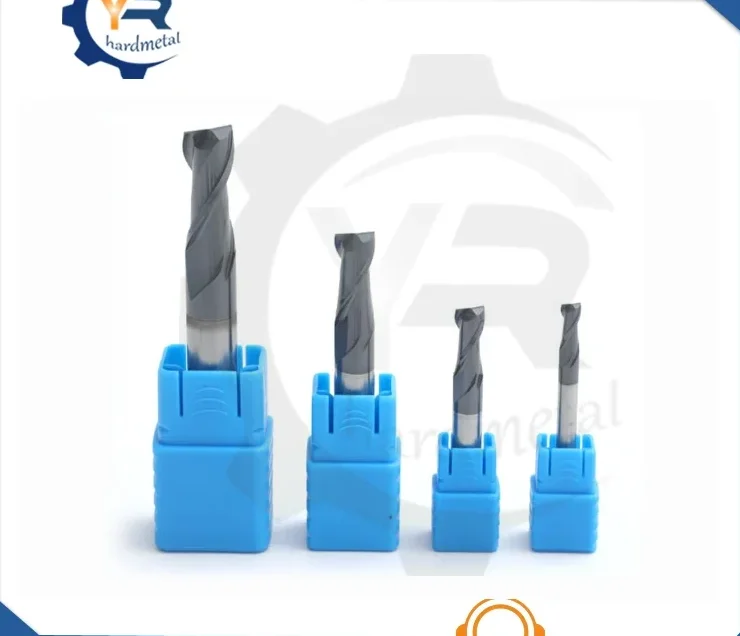
Solid Carbide Hrc 45 2f End Mill
This is a solid tungsten carbide end mill with a hardness of HRC 45, designed for high-speed…
View Details →
Hrc 60 Round Nose End Mill Bit
This is a solid carbide round nose end mill with a hardness of HRC 60, designed for high-speed…
View Details →Get A Price For Tungsten Carbide Rolls
Send the drawing or the dimensions plus what the part runs against. Samples are available for pre-testing before a bulk order.