Tungsten Carbide Die
This is a tungsten carbide die for cold heading and cold punching operations. It is pressed on an imported press and sintered in an over-pressure furnace to achieve high density and dimensional stability. The die is made to the buyer's…
Product Overview
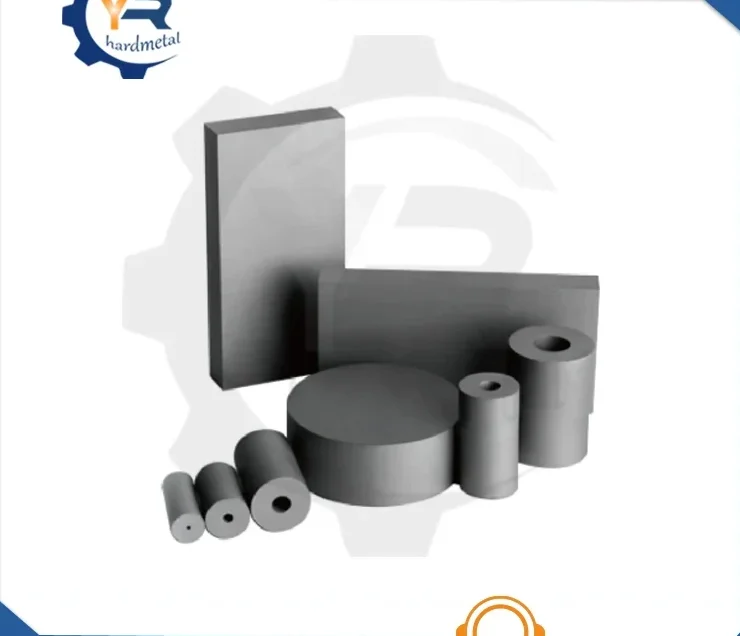
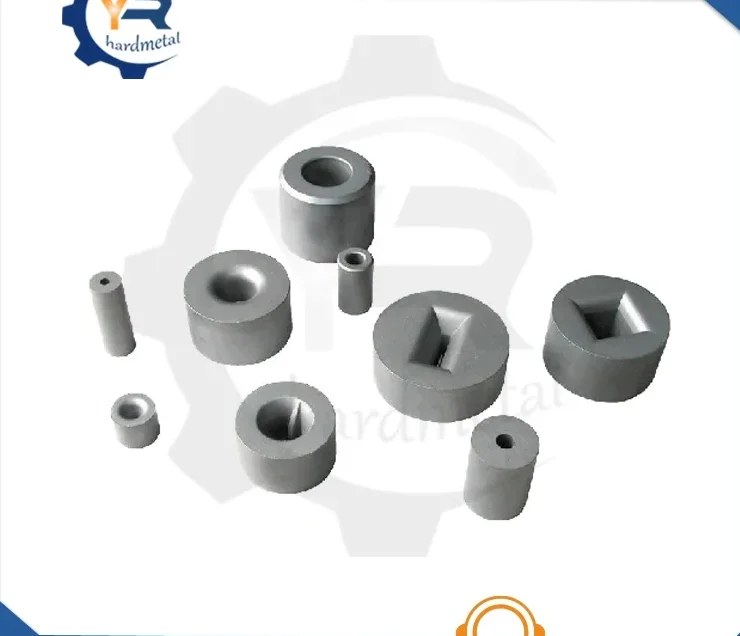
This is a tungsten carbide die for cold heading and cold punching operations. It is pressed on an imported press and sintered in an over-pressure furnace to achieve high density and dimensional stability. The die is made to the buyer's drawing or from standard stock types. It is used in high-volume forming of bolts, fasteners and small metal parts where wear resistance and dimensional consistency are critical.
Key Benefits
- Longer service life than tool steel dies in high-volume cold heading and punching
- Maintains shape and tolerance over thousands of cycles, reducing downtime for tool change
- Resists wear from abrasive materials such as stainless steel and high-strength alloys
- Available in standard stock types or customised to drawing for non-standard shapes
- Stock items ship 3-5 days after payment is received
Technical Data
Values below come from the product data we publish. Anything not listed is confirmed against your drawing at quotation.
| Material | Cemented tungsten carbide (WC-Co) |
|---|---|
| Grades Available | YG20C YG22C YG25C, selected for wear or impact resistance |
| Density | 13.1-13.5 g/cm3 |
| Hardness | 82.5-83.5 HRA |
| TRS | 3300-3600 MPa |
| Shaping | Pressed and sintered from existing or new moulds |
| Finish | Ground to drawing |
| Dimensions | To customer drawing or standard stock type |
| Lead Time | Stock items 3-5 days after payment; customised items quoted per order |
Problems It Solves
- Tool steel dies wear out quickly when forming abrasive materials like stainless steel or high-strength alloys
- Dimensional drift in worn dies causes inconsistent part quality and rejects
- Frequent die changes interrupt production and increase downtime and labour cost
- Inconsistent hardness or density in low-grade carbide leads to premature cracking
- Lack of standard sizes forces custom tooling with long lead times
Who It Is For
- Cold heading and cold punching machine manufacturers
- Fastener and small parts producers using high-speed forming presses
- Tooling suppliers sourcing durable dies for industrial machinery
- Machinery builders requiring wear-resistant components for forming tools
- Maintenance teams replacing dies that fail prematurely in abrasive forming
Application Scenarios
- Cold heading of stainless steel bolts in high-speed automatic screw machines
- Punching of precision parts from hardened or high-tensile sheet metal
- Forming of small fasteners in automotive and appliance manufacturing
- High-volume production of M4 to M24 fasteners where tool wear causes frequent stoppages
- Replacement of worn tool steel dies that fail due to abrasion in metal forming
Technical Features
- Pressed on an imported press for consistent green density
- Sintered in an over-pressure furnace to close porosity and stabilise density
- Available in grades YG20C YG22C YG25C selected for wear or impact resistance
- Standard stock types available with defined d D L ranges for common fastener sizes
- Custom dies made to drawing, including non-standard shapes and internal hex types
Materials and Grades
- YG20C for general wear-resistant forming with moderate impact
- YG22C for high impact resistance in forging and heavy-duty heading
- YG25C for stainless steel bolt header dies and rollers where toughness is key
- Cobalt content adjusted to balance hardness and fracture resistance for the duty
Customisation Options
- Manufactured to customer drawings including non-standard and specially shaped dies
- Grade selected based on material being formed, load and impact
- Standard stock types available for M1 to M24 fasteners with defined d D L ranges
- Internal hexagonal (BF) and sink-type (BC) blanks supplied for specific tooling needs
- Samples produced for pre-testing before bulk release
How This Part Is Made
Drawing review and grade selection
Mould selection or new mould design
Powder blending
Pressing on imported press
Over-pressure sintering
Grinding to drawing
Dimensional and physical property inspection
Packing and shipping
Quality Control
- Physical properties, shape and tolerance are checked before shipping
- Every order is tested before bulk production is released
- Inspection photographs of the finished order are sent for confirmation before delivery
Use Guide
- Send the drawing and the material being formed so the grade can be matched correctly
- For high-impact applications, select YG22C or YG25C over YG20C
- Use internal hex (BF) or sink-type (BC) blanks only when the tool design requires them
- Keep one sample from the first batch for comparison when measuring wear in future orders
- Avoid sudden thermal shock to cold carbide dies; let the tool warm up gradually
How It Compares With The Alternatives
| Alternative | Trade-off |
|---|---|
| Tool steel die | Tool steel is cheaper per piece and easier to machine, but wears out faster in abrasive forming, leading to higher downtime and more frequent replacements |
| Ceramic die | Ceramic has higher hardness but is more brittle under impact; carbide tolerates shock better in high-speed forming |
| Coated die | A coating wears through and then the base metal fails quickly; solid carbide wears uniformly and lasts longer |
Tungsten Carbide Die FAQ
Are you a trade company or a manufacturer?
A manufacturer. The company has produced tungsten carbide parts for over 15 years and takes on design and processing of carbide products with technical support.
Where is your factory located?
Zhuzhou City, Hunan Province, China, which is the country's tungsten carbide production base.
Can you make dies to my own drawing?
Yes. OEM and ODM to customer drawings is standard, including non-standard shapes, internal hex, and sink-type blanks.
Can I get a sample before placing a bulk order?
Yes. Samples are available for pre-testing. Send the drawing and the service conditions and a sample can be quoted.
How long does an order take?
Stock items are shipped 3-5 days after payment is received. Customised items are given a delivery time in the quotation.
How do I know the parts were checked before they shipped?
Physical properties, shape and tolerance are inspected before shipping, and detailed inspection photographs of the order are sent for confirmation before delivery.
Which grade should I choose?
It depends on the material and load. YG20C for general wear; YG22C for high impact; YG25C for stainless steel and heavy forming. Send the forming conditions and a grade will be recommended.
Related Products
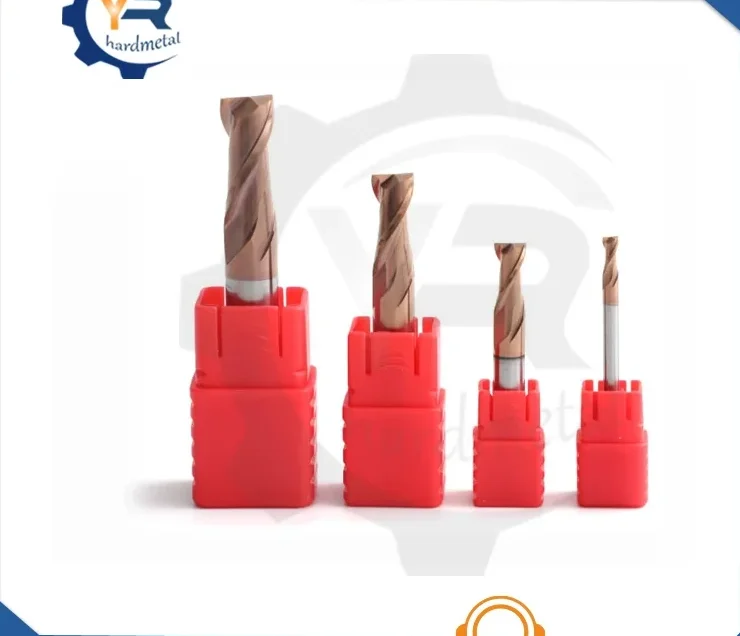
Solid Carbide Hrc 55 2f End Mill
This is a solid tungsten carbide end mill with a hardness of HRC 55, designed for high-speed…
View Details →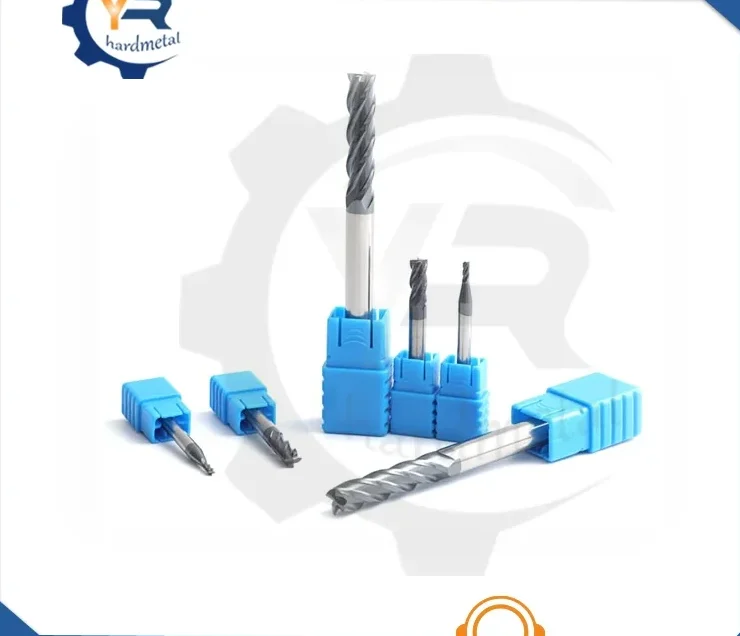
Solid Carbide Hrc 45 4f Endmill
This is a solid tungsten carbide endmill with HRC 45 hardness, designed for high-speed milling…
View Details →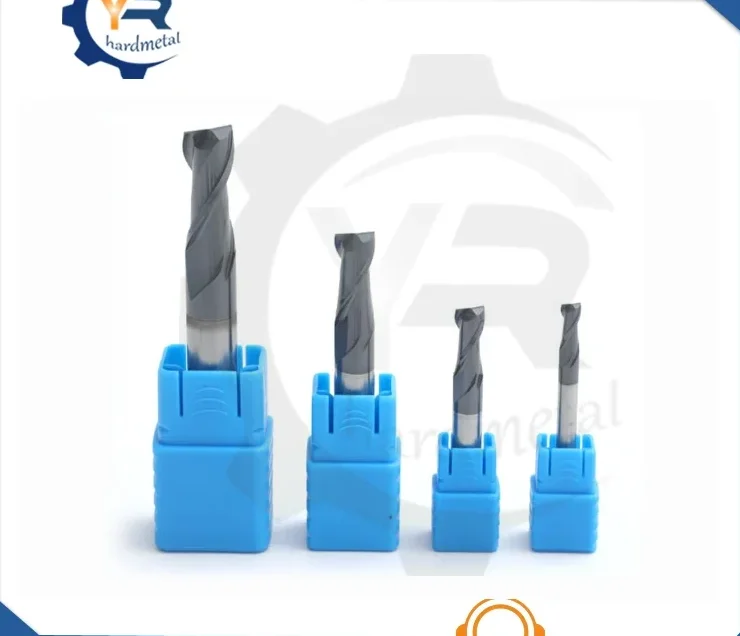
Solid Carbide Hrc 45 2f End Mill
This is a solid tungsten carbide end mill with a hardness of HRC 45, designed for high-speed…
View Details →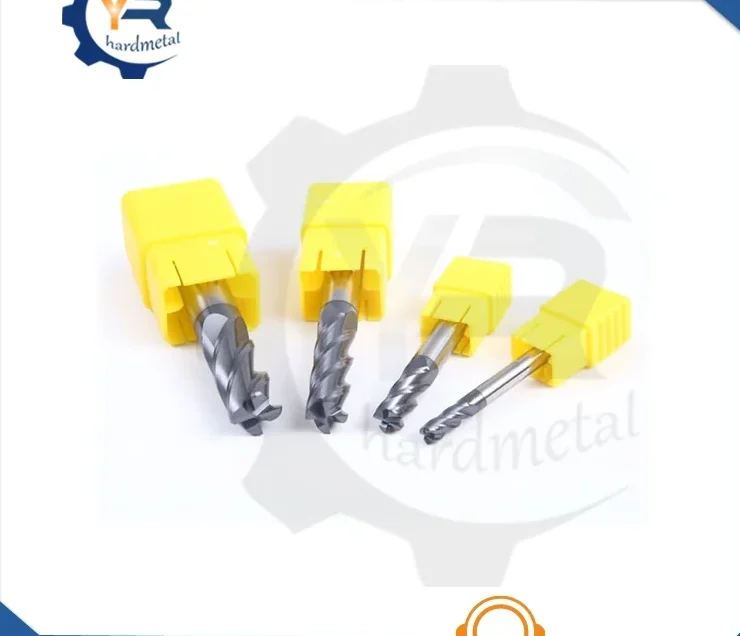
Hrc 60 Round Nose End Mill Bit
This is a solid carbide round nose end mill with a hardness of HRC 60, designed for high-speed…
View Details →Get A Price For Tungsten Carbide Die
Send the drawing or the dimensions plus what the part runs against. Samples are available for pre-testing before a bulk order.