Carbide Saw Blade
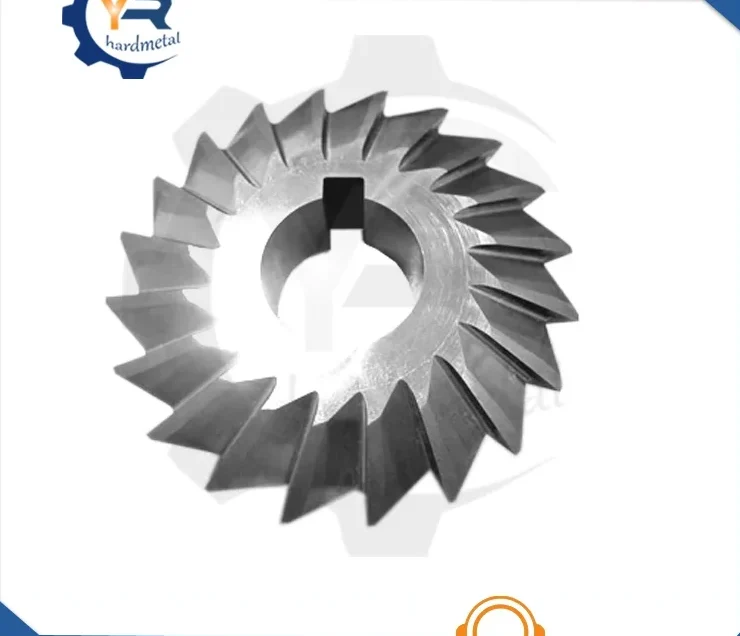
This is a circular carbide saw blade for cutting metal and non-metal materials. It is made from tungsten carbide inserts and high-performance tool steel, designed for precision cutting with low noise and long service life. The blade is…
Product Overview
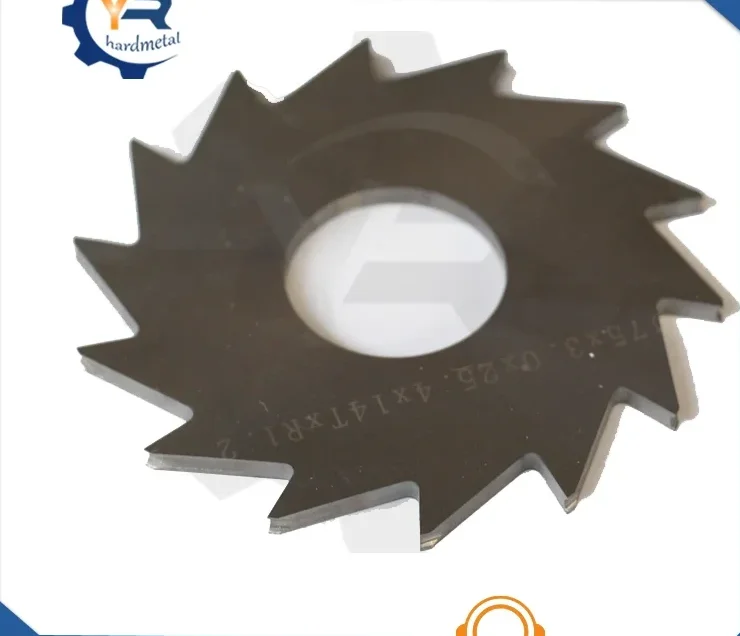
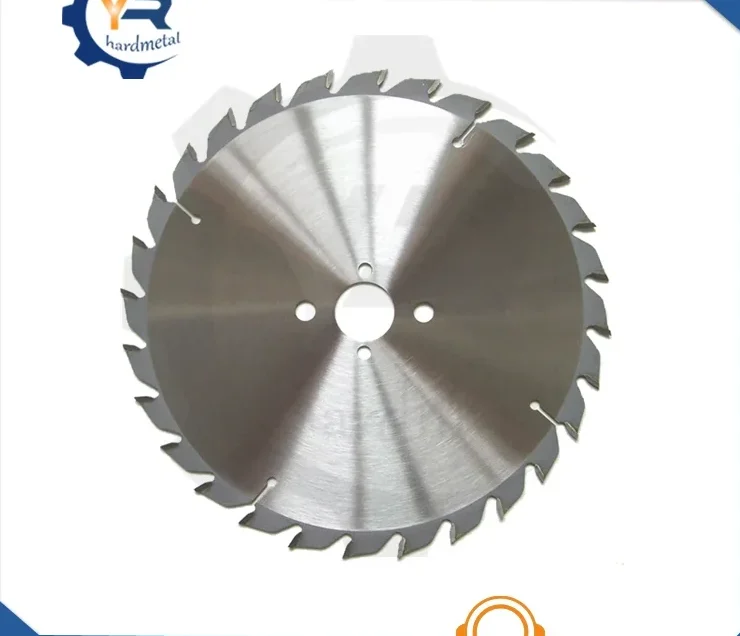
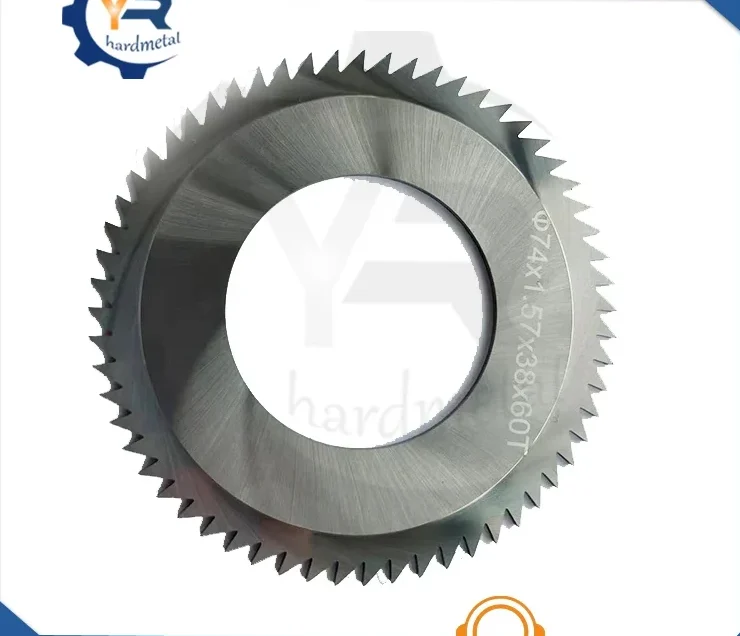
This is a circular carbide saw blade for cutting metal and non-metal materials. It is made from tungsten carbide inserts and high-performance tool steel, designed for precision cutting with low noise and long service life. The blade is manufactured to customer drawings or samples, with options for tooth type, tooth arrangement, coating, and dimensional customisation. It is supplied directly from the factory with guaranteed delivery times.
Key Benefits
- Long service life in cutting abrasive and tough materials such as stainless steel, titanium alloy, and high manganese steel
- Low cutting noise due to serration and expansion groove design, improving workshop conditions
- High cutting accuracy from precise tooth geometry and stable blade structure
- Direct factory supply ensures fast delivery and on-time shipment for stock and custom orders
- Custom tooth types and coatings allow optimisation for specific materials and cutting conditions
Technical Data
Values below come from the product data we publish. Anything not listed is confirmed against your drawing at quotation.
| Outer Diameter | φ20–400mm |
|---|---|
| Inner Diameter | φ5–40mm |
| Thickness | 0.2–7.0mm |
| Tooth Type | Toothless, coarse tooth, middle tooth, fine tooth |
| Tooth Opening Mode | Milling, grinding, non-grinding, full grinding |
| Tooth Shape | Sharp tooth, circular arc tooth, staggered tooth, R-shaped tooth, angle tooth, opposite tooth |
| Surface Coating | Natural color, various coatings available |
| Material | Hard alloy (tungsten carbide K10, K15), forged high-performance high-speed steel M42, W18Cr4V (W18), 6542 (M2), W9Mo3Cr4V (W9) |
| Lead Time | Stock items 3-5 days after payment; customised items quoted per order |
Problems It Solves
- Steel saw blades wear out quickly when cutting hard or abrasive materials, increasing downtime and replacement frequency
- Inconsistent tooth geometry leads to poor cut quality and vibration during operation
- Standard blades do not match the specific material or section thickness, reducing efficiency and increasing blade failure
- Lack of custom tooth patterns or coatings limits performance in high-toughness or corrosive materials
- Long lead times from third-party suppliers delay production schedules
Who It Is For
- Metal fabrication shops requiring durable saw blades for repetitive cutting tasks
- Machinery manufacturers integrating saw blades into automated cutting lines
- Tooling suppliers sourcing custom blades for industrial clients
- Aerospace and automotive component makers needing precision cuts on tough alloys
- Workshops processing high-strength materials where blade wear affects throughput
Application Scenarios
- Cutting stainless steel and alloy steel in structural fabrication and mechanical workshops
- Sawing titanium alloy and heat-resistant alloys in aerospace and high-performance engineering
- Processing aluminum alloy and brass in automotive and electronics component manufacturing
- Cutting plastic and composite materials in industrial moulding and sheet processing
- Trenching and blanking operations in metalworking and pipe fabrication
Technical Features
- Tooth types include toothless, coarse tooth, middle tooth, fine tooth, and special configurations like staggered, R-shaped, and angle teeth
- Tooth opening modes: milling, grinding, non-grinding, full grinding, allowing customisation for cutting speed and chip removal
- Blade geometry designed with expansion grooves to reduce heat build-up and vibration
- Available in multiple outer diameters (φ20–400mm), inner holes (φ5–40mm), and thicknesses (0.2–7.0mm)
- Blade body made from high-performance tool steel (M42, W18Cr4V, 6542, W9Mo3Cr4V) for strength and heat resistance
Materials and Grades
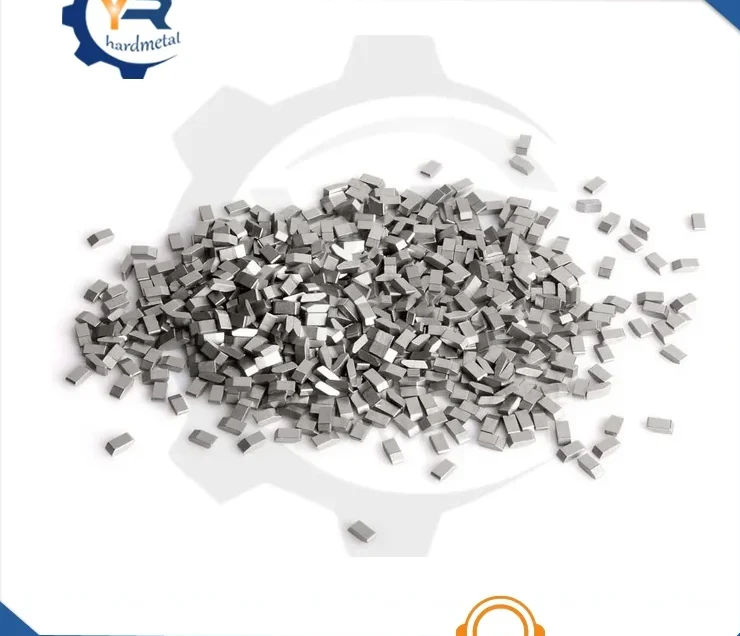
- Tungsten carbide inserts (K10, K15 grades) for wear resistance and cutting edge stability
- High-speed steel bodies (M42, W18Cr4V, 6542, W9Mo3Cr4V) for toughness and heat resistance
- Coatings available to enhance edge retention and reduce friction in specific materials
- Material selection based on the workpiece hardness, toughness, and cutting speed
Customisation Options
- Manufactured to customer drawings or physical samples
- Custom outer diameter, inner hole, thickness, and number of teeth
- Special tooth types and arrangements such as staggered, R-shaped, or angle teeth
- Coating applied based on material and cutting environment
- Blade balance and vibration testing available on request
How This Part Is Made
Drawing or sample review for tooth pattern, dimensions, and coating
Material selection for carbide inserts and steel body based on application
Blade body forging and heat treatment for structural integrity
Insert mounting and tooth shaping via milling or grinding
Tooth opening and edge finishing according to specified mode
Coating application if required
Dimensional and balance inspection before packaging
Packing and shipping with delivery confirmation
Quality Control
- Physical properties, shape, and tolerance are checked before shipping
- Every order is tested before bulk production is released
- Inspection photographs of the finished order are sent for confirmation before delivery
Use Guide
- Perform a full running-in process with reduced feeding speed for 10 minutes after installing a new or reground blade
- Reduce feeding speed for high-toughness or hard materials to extend blade life
- Increase machine speed when cutting thin sections to improve efficiency
- Use coarse-tooth blades when increasing feed speed to prevent chip clogging
- Match tooth type and coating to the material being cut for optimal performance
How It Compares With The Alternatives
| Alternative | Trade-off |
|---|---|
| Standard steel saw blade | Steel is cheaper but wears quickly in hard or abrasive materials; carbide blades last longer and maintain cutting accuracy over time |
| Ceramic-tipped blade | Ceramic offers high hardness but is brittle; carbide tolerates impact and vibration better in industrial cutting environments |
| Coated steel blade | Coatings wear through quickly, exposing the base metal; carbide inserts wear uniformly and can be reground |
Carbide Saw Blade FAQ
Are you a trade company or a manufacturer?
A manufacturer. The company has produced tungsten carbide parts for over 15 years and takes on design and processing of carbide products with technical support.
Where is your factory located?
Zhuzhou City, Hunan Province, China, which is the country's tungsten carbide production base.
Can you make saw blades to my own drawing?
Yes. OEM and ODM to customer drawings is standard. We accept non-standard and specially shaped blades with custom tooth patterns and dimensions.
Can I get a sample before placing a bulk order?
Yes. Samples are available for pre-testing. Send the drawing and service conditions and a sample can be quoted.
How long does an order take?
Stock items are shipped 3-5 days after payment is received. Customised items are given a delivery time in the quotation.
How do I know the parts were checked before they shipped?
Physical properties, shape and tolerance are inspected before shipping, and detailed inspection photographs of the order are sent for confirmation before delivery.
Which material or tooth type should I choose?
It depends on the material and cutting conditions. K10 and K15 carbide inserts suit general-purpose cutting; tooth type and coating are selected based on material hardness, toughness, and required cut quality.
Related Products
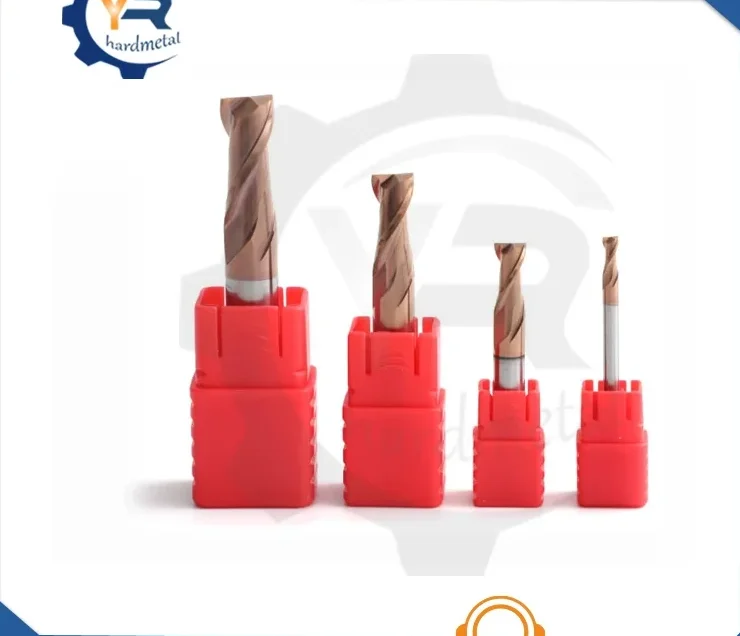
Solid Carbide Hrc 55 2f End Mill
This is a solid tungsten carbide end mill with a hardness of HRC 55, designed for high-speed…
View Details →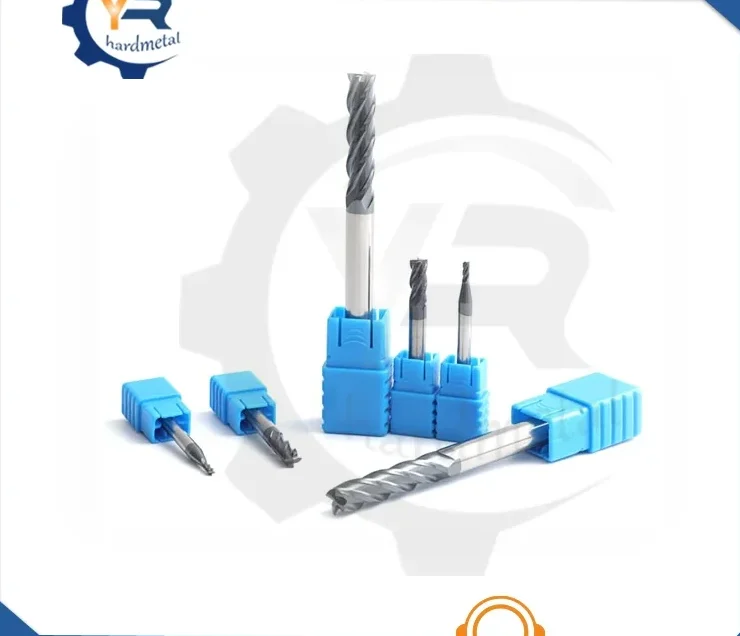
Solid Carbide Hrc 45 4f Endmill
This is a solid tungsten carbide endmill with HRC 45 hardness, designed for high-speed milling…
View Details →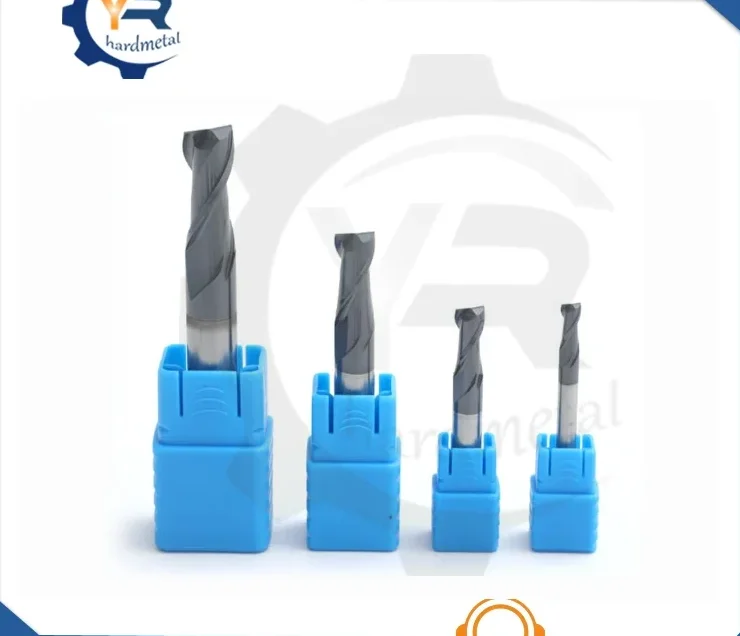
Solid Carbide Hrc 45 2f End Mill
This is a solid tungsten carbide end mill with a hardness of HRC 45, designed for high-speed…
View Details →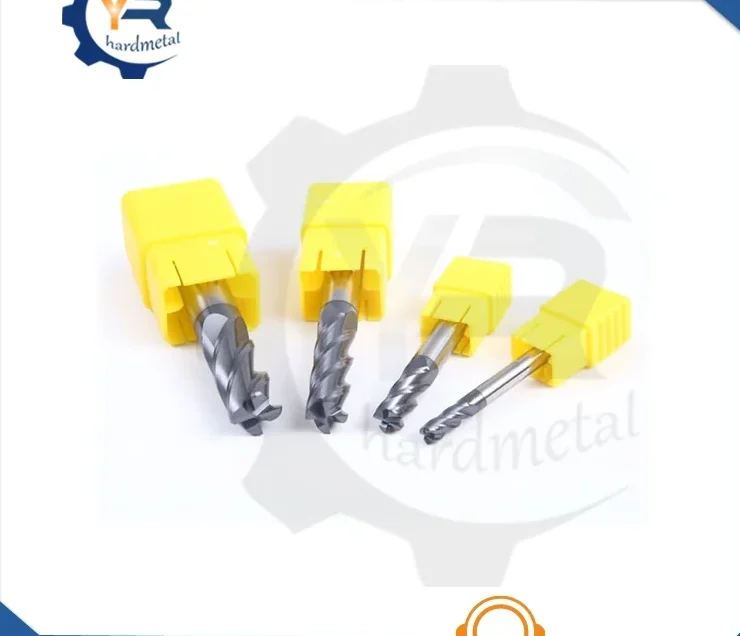
Hrc 60 Round Nose End Mill Bit
This is a solid carbide round nose end mill with a hardness of HRC 60, designed for high-speed…
View Details →Get A Price For Carbide Saw Blade
Send the drawing or the dimensions plus what the part runs against. Samples are available for pre-testing before a bulk order.