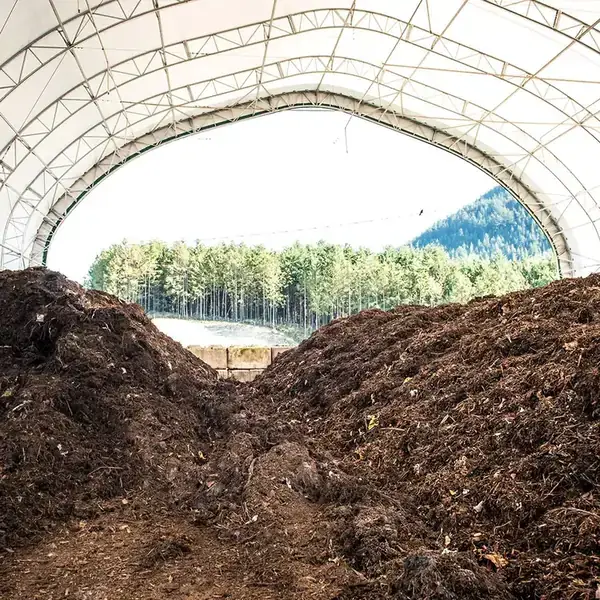
The Role of Microbes in Aerobic and Anaerobic Waste Solutions
Projections indicate global waste will reach 46 billion tons by 2050. Microbes are the mechanism behind both of the main biological answers to it.
Two Microbial Routes
Microbes are natural decomposers, breaking organic matter into simpler materials the environment can reuse. There are two main microbial processes in waste management. Anaerobic processes occur where oxygen is limited or absent; bacteria and archaea break organic matter down through fermentation, producing biogas, a blend of methane and carbon dioxide that can be used as renewable energy. Aerobic processes require oxygen; bacteria and fungi break matter down through aerobic respiration, producing carbon dioxide and water.
What Anaerobic Digestion Does Well
Anaerobic digestion is commonly used in landfills and wastewater treatment plants. The microbial community is dynamic and responds rapidly to changes in temperature, pH and substrate composition, shifting considerably during startup or when feedstock changes. The breakdown runs through hydrolysis, where complex molecules become sugars, amino acids and fatty acids, then acidogenesis, where those are converted into organic acids.
Why TMK Machines Run Aerobic
Aerobic composting produces nutrient-rich compost that improves soil fertility, and its by-products, carbon dioxide and water, are less harmful than methane. For a machine sitting inside or beside an occupied building, the aerobic route is also the one that can be kept odour-controlled, because odour in composting is largely a symptom of the process going anaerobic.
Related machine: TMK-500 Composter — 500 kg Per Day Organic Waste Composter With Built-In Bin Lifter at 500 kg/day.
Keeping the Culture Working
Microbial communities need conditions held steady. TMK machines manage temperature, moisture and aeration continuously, and micro-organism is replenished every 3 to 6 months on the commercial range and about monthly on the household models, rather than being dosed with every load.
Machines Mentioned in This Guide
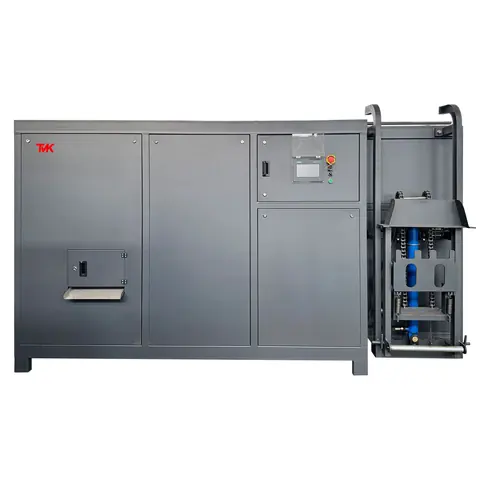
TMK-500 Composter
500 kg Per Day Organic Waste Composter With Built-In Bin Lifter
View specifications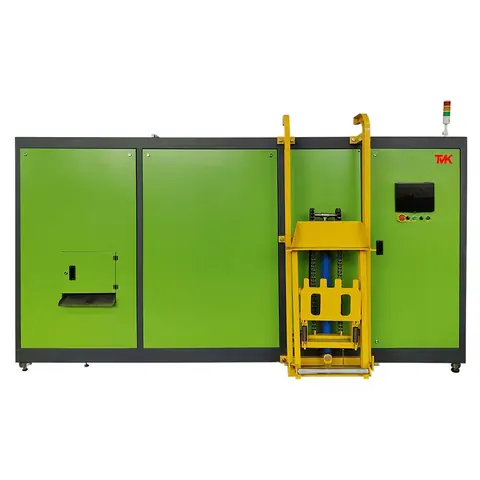
TMK-1000 Composter
1000 kg Per Day Industrial Composting Machine
View specifications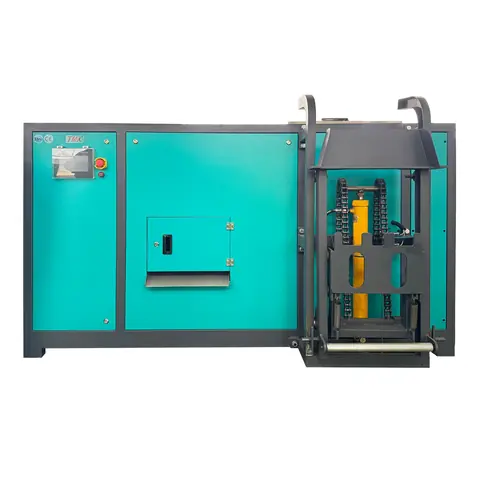
TMK-300 Composter
300 kg Per Day Waste Decomposer Machine for Commercial Sites
View specificationsRelated Industries and Solutions
Questions From This Guide
What is the difference between the two processes
Anaerobic digestion works without oxygen and produces biogas. Aerobic composting requires oxygen and produces compost, carbon dioxide and water.
Why does compost smell bad sometimes
Odour is largely a sign of anaerobic conditions. Adequate aeration is what prevents it, which is why the machines agitate the mass continuously.
How often are microbes added
Every 3 to 6 months on the commercial models, about monthly on the TMK-1 and TMK-5.
Have a Specific Site in Mind
Send your daily organic waste weight and your power supply. We will come back with the model, the footprint and the lead time.