
What Moldflow simulation actually catches, and when to bother
Simulation is worth running on some parts and a waste of money on others. The difference is whether one of six specific questions is actually open.
6 min read · TJ-Teck engineering notes
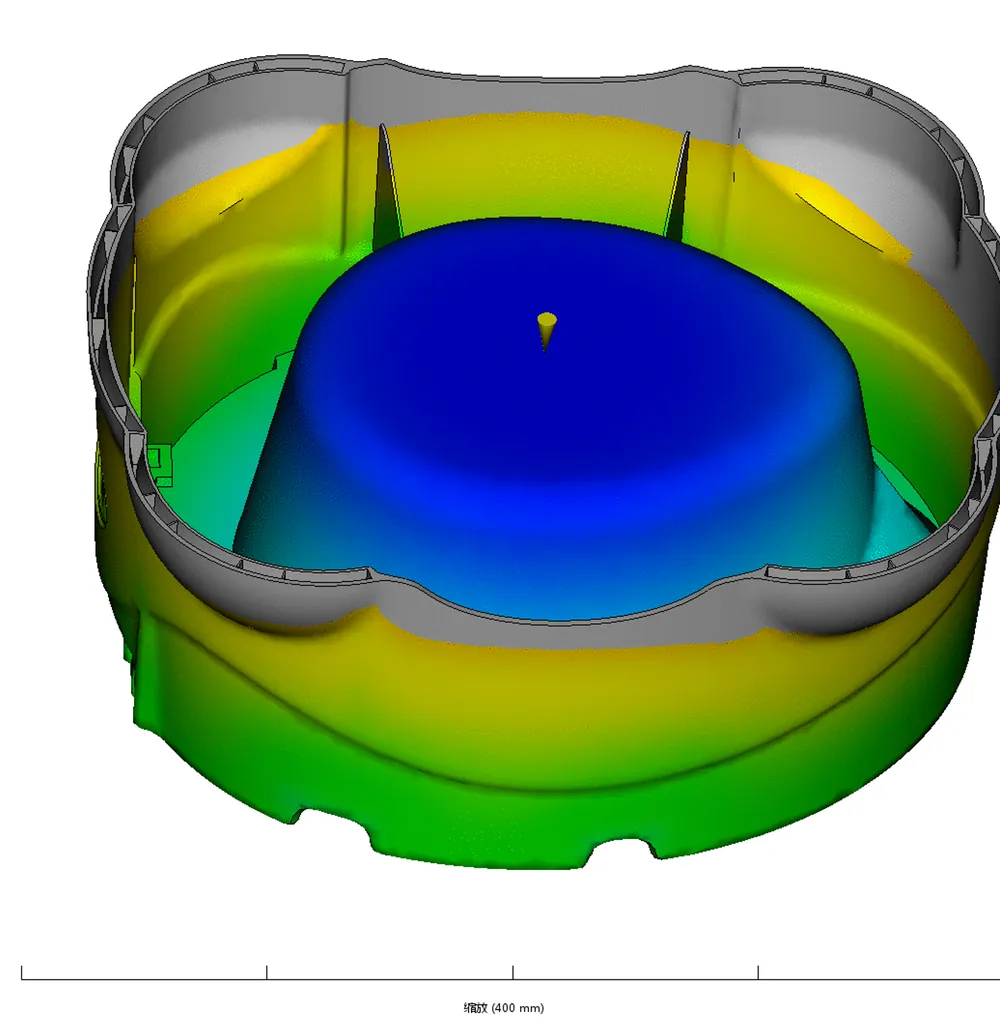
Gating position and filling
The first and most valuable answer. Move the gate and you move the weld lines, the last-filled areas and the pressure required to fill. On a cosmetic part this is usually the whole reason to run the study.
Cycle time
Cycle is piece price on a high-volume part. The simulation shows where the part is still too hot to eject and therefore what is actually setting the cooling time, which is often one thick section rather than the part as a whole.
Venting, air traps and sinking marks
An air trap is an enclosed volume that fills last. Trapped air burns the material or leaves a short shot, and the fix is a vent in a specific place. The result view marks those positions on the model.
Clamping force and machine tonnage
Projected area times cavity pressure decides the machine. Getting it wrong means either a tool that flashes on the machine you own or a machine rate you did not budget for.
Cooling efficiency
Cooling circuits that look symmetrical on a drawing are often not symmetrical in effect. The study shows which side of the part is running hotter, which is where warpage comes from.
Deformation and distortion
The last question, and the one buyers usually ask first. Distortion is a consequence of the five answers above, which is why it is addressed by fixing them rather than by adding a straightening fixture.
The six questions, as TJ-Teck states them
- To verify gating position and filling
- To shorten molding cycle time
- To optimize venting and avoid air traps and sinking marks
- To define clamping force and IMM tonnage
- To check cooling efficiency
- To reduce deformation and distortion
Frequently asked questions
When is simulation not worth it?
On a simple straight-pull part with one obvious gate position, a generous wall section and no cosmetic requirement. Say what the part is and you will get an honest answer.
Does the study come with the tooling quotation?
It is offered where the part warrants it and is listed as its own line, so you can see what it costs and decide.
Related notes
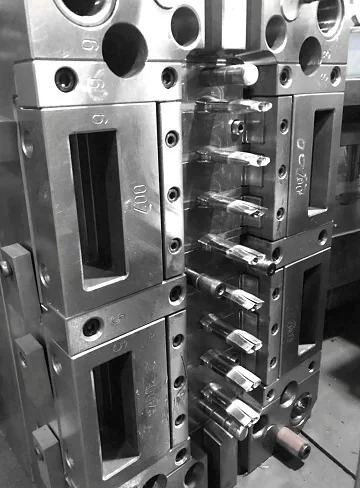
The fourteen DFM checks, and what each one catches
De-molding direction through markings and graining: the fourteen items in a TJ-Teck DFM report and the defect each one exists to prevent.
8 min read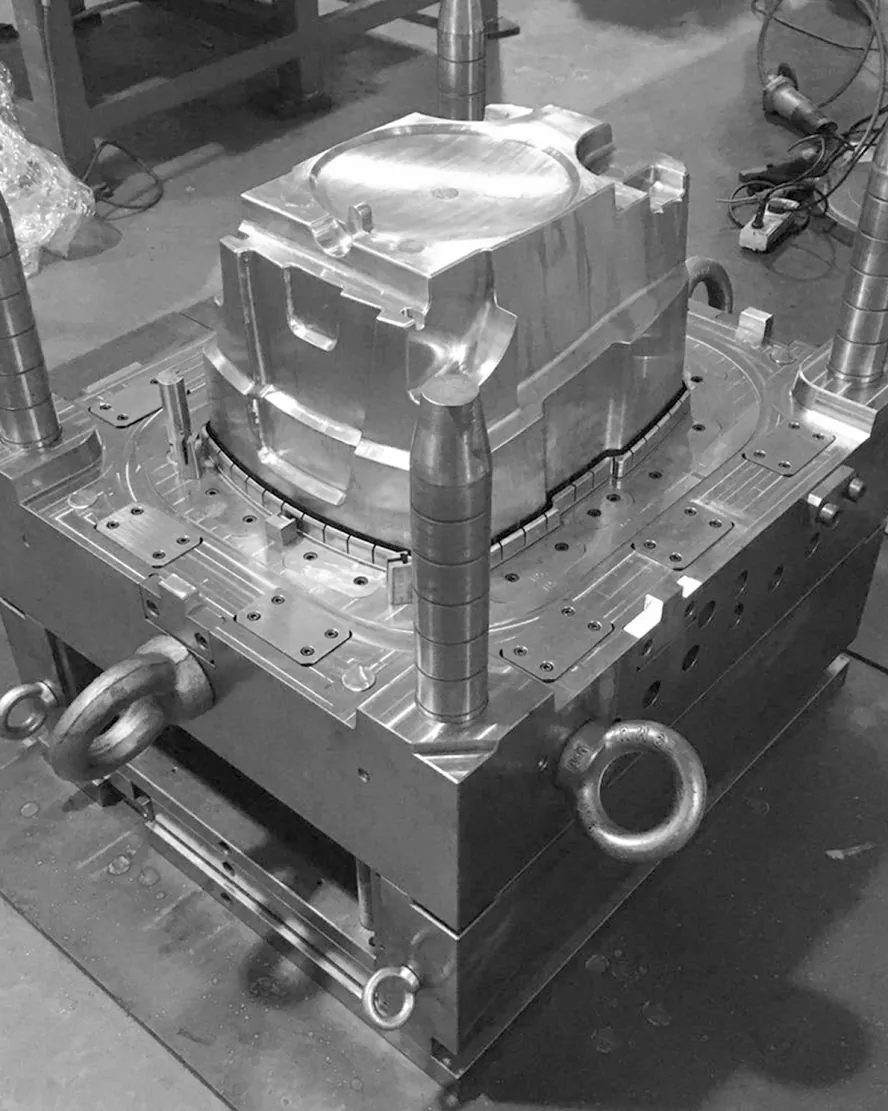
Mould steel grades and standard component brands, and why they appear on the quotation
A reference list of the steel grades, mould base suppliers, component suppliers and hot runner brands TJ-Teck quotes, with notes on when each grade is the right one.
7 min readApply this to your own part
Send 2D and 3D data with the annual volume and the surface requirement. A quotation comes back in 1-3 working days.