
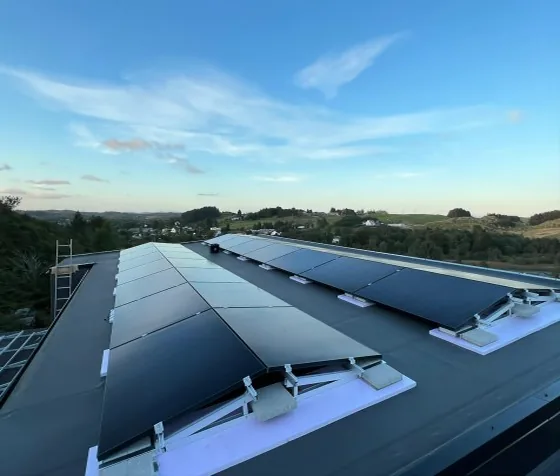
Sizing a Residential Solar Array on a Real Roof
How to get from a roof plan to a module count without discovering on install day that three rows do not fit.
Every Installation Is a Custom Plan
Switching to solar power is easy to do, but every enrollment is basically a custom plan. Local climate, power regulations, the shape of the roof and the household's actual energy consumption all need to be factored in when choosing a solar panel solution. The mistake most quotes make is starting from the target kW instead of starting from the roof.
Start with the Obstructions Not the Ridge
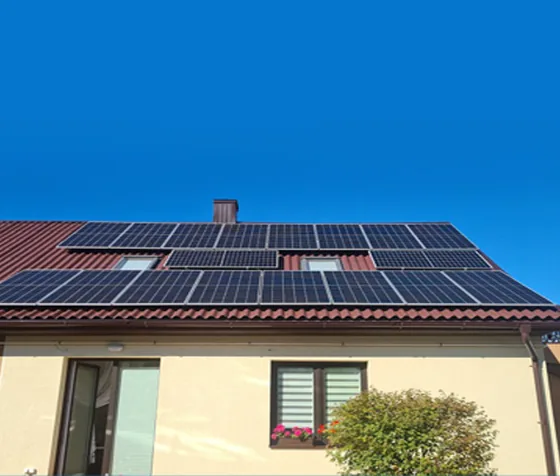
Mark the chimneys, vents, roof windows, dormers and setback lines first. What is left is your usable plane. Fit full rows into the clean areas before deciding whether any part-rows are worth the extra labour and cable.
Then Choose the Module Width
On a fragmented pitched roof, module width matters more than module wattage. The TTM 530-550 W is 1134 mm wide against 1303 mm for the higher-power platform, and that difference is often the reason an extra full row fits. Length is 2279 mm, so check your rafter run before committing to portrait rows.
Check the Load and the Lift
Each module is 32.2 kg - a two-person lift on a ladder. Aluminium alloy racking is specified to decrease pressure on the roof compared with heavier alternatives, but the total array load still depends on your module count, so confirm it against the roof structure rather than assuming.
Plan the Cable Before You Order
Order 300 mm cables for portrait rows and 1200 mm for landscape. This is decided at order, not on site. Getting it wrong means the crew spends the install managing slack or stretching connections.
Account for Shading in the String Plan
With 3 or 6 bypass diodes per module, group the modules that will be shaded by the chimney into the same string rather than spreading them across all strings. That contains the loss to one string instead of degrading all of them.
Consider Tilt on a Shallow Roof
At high latitudes, a shallow roof pitch wastes usable irradiance. Tilted frames raise the array to a useful angle, as on the Norwegian rooftop in our project portfolio - at the cost of extra wind load, which the racking layout then has to handle.
Round to Whole Cartons
Modules pack 31 per carton. Once you have your module count, round up to a whole carton rather than ordering a part-filled one.
Need this applied to your project? Email [email protected] with the roof plan or plot layout and the capacity you are targeting.
Products This Guide Refers To
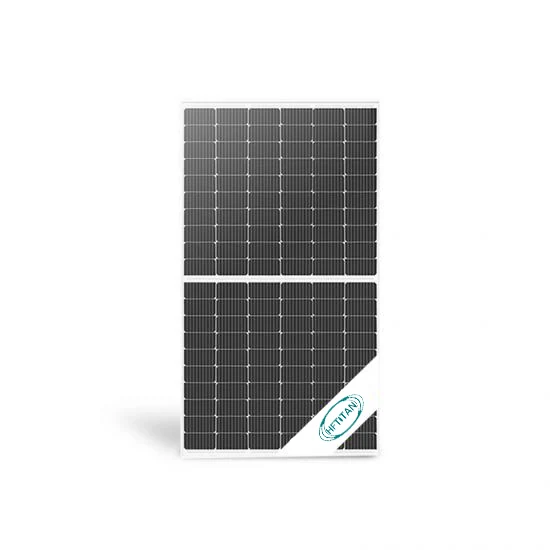
TTM Solar Panel 530-550W
A 182 mm monocrystalline half-cell module in a 144 (6x24) layout, 2279 x 1134 x 35 mm, 32.2 kg, with 2.0 mm AR-coated front glass and a...
View Specification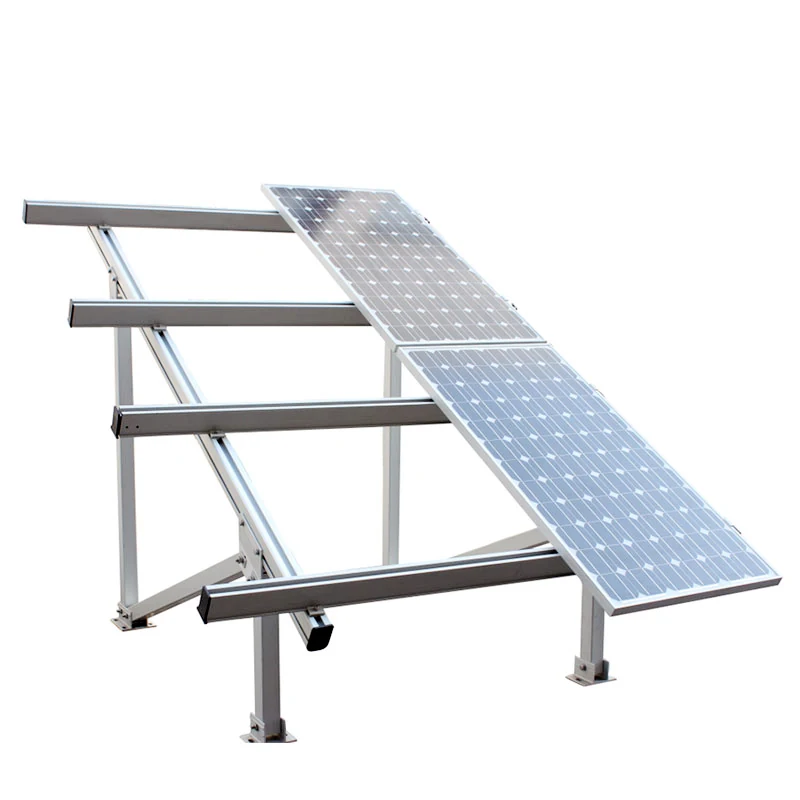
Mounting Structure
Solar racking and mounting structure in aluminium alloy, designed with flexibility for commercial and residential systems, suitable for...
View SpecificationRelated Guides
Solar Racking Material Guide Aluminium Alloy vs Steel
Why racking material decides your roof load, your install days and whether frameless modules need a separate system.
Read the Guide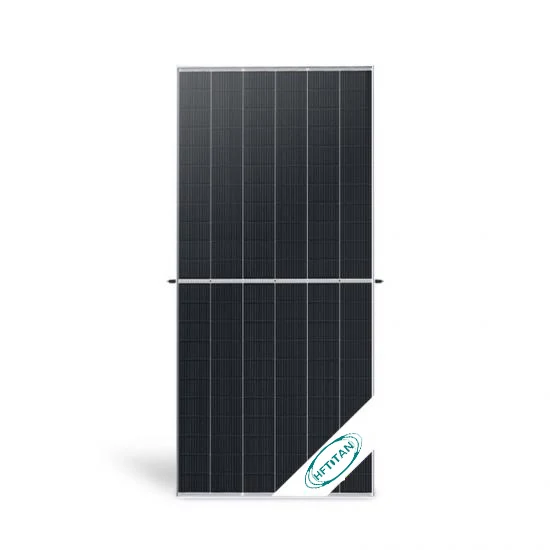
How to Read a PV Module Datasheet Before You Buy
Cell size, cell count, glass thickness, junction box rating and packing configuration - what each line actually tells you about the module.
Read the GuideQuestions About This Guide
Which TITAN X POWER product does this apply to
TTM Solar Panel 530-550W; Mounting Structure.
Can you advise on my specific site
Yes. Email the roof plan or plot layout with the capacity you are targeting and we will apply this to your project.
Where do these figures come from
From the published TITAN X POWER product documentation. Anything that was never published is marked TBC rather than estimated.
Put This Into Practice
Send us your site details and we will apply the guidance above to your actual project.