
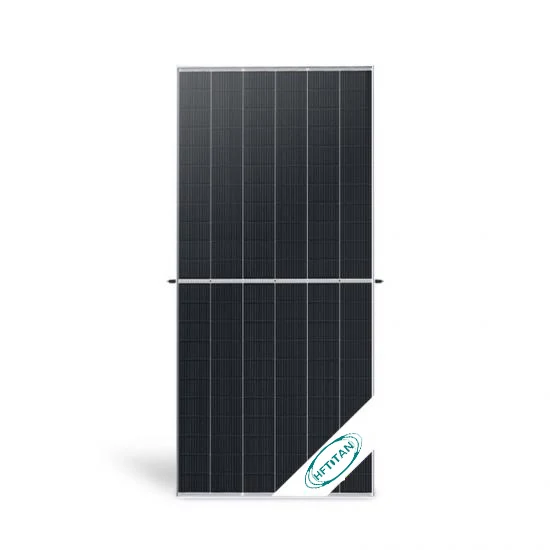
How to Read a PV Module Datasheet Before You Buy
Cell size, cell count, glass thickness, junction box rating and packing configuration - what each line actually tells you about the module.
Most Datasheet Lines Are Decisions in Disguise
A module datasheet looks like a list of facts. It is really a list of decisions the manufacturer made, each of which has a consequence on your site. Here is how to read the mechanical specification lines that most buyers skip.
Cell Type and Cell Dimensions
Monocrystalline means the highest silicon purity and the highest efficiency. Cell dimension tells you the platform: 182 mm and 210 mm are the two current mainstream wafer sizes. A 210 mm cell carries more power, which is why a 120-cell 210 mm module can outrank a 144-cell 182 mm module.
Cell Arrangement
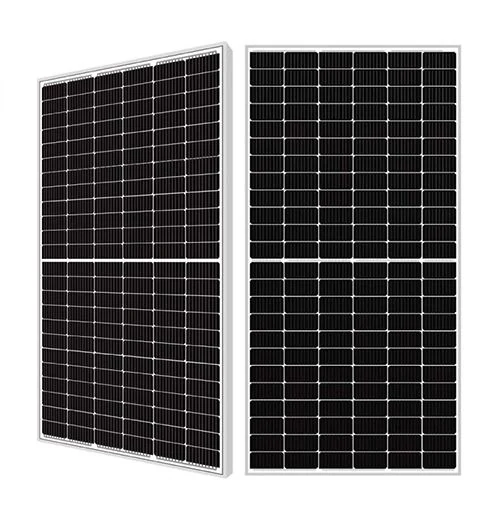
A figure like 144 (6x24) or 120 (6x20) tells you the module is a half-cell design and how the cells are laid out. Half-cell layouts, combined with bypass diodes, contain the loss when part of the module is shaded instead of letting one shaded cell drag down a whole string.
Module Dimensions and Weight
Do the area arithmetic yourself. 2172 x 1303 mm is 2.83 m2; 2279 x 1134 mm is 2.58 m2. That is the number that decides how many modules fit your roof. Weight decides your handling plan - anything above 30 kg is a two-person lift on a ladder.
Front Glass and Rear Glass
AR coating means anti-reflective - more of the light that hits the glass gets to the cell. Thickness tells you what the module was designed to survive. A 3.2 mm semi-tempered front sheet is specified for exposed ground-mount and open-roof sites; 2.0 mm keeps the module lighter for rooftop work. A glazed semi-tempered rear glass means a glass-glass build rather than a polymer backsheet.
Junction Box and Bypass Diodes
IP68 means dust-tight and protected against prolonged immersion. That is the rating you want in monsoon, coastal and dusty environments. The diode count - 3 or 6 - tells you how finely the module can isolate a shaded section.
Cable Length and Cross Section
Portrait 300 mm and landscape 1200 mm are not arbitrary. Order the wrong one and your crew spends the install managing slack or stretching to reach the next module. TUV 4 mm2 and UL 12 AWG are the two regional cable standards - pick the one your market certifies against.
Packing Configuration - the Line Buyers Ignore
31 pcs per carton and 558 or 620 pcs per 40HQ is how you cost freight before you have a price. Divide your project's module count by the container figure and you know how many containers you are shipping. Order in carton multiples so the last carton is not part-filled.
What to Do About TBC Lines
If a supplier will not put a number in writing, treat it as unknown rather than as implied. We mark warranty, tolerance and certification as TBC on our own pages where the published documentation did not state them, and confirm them per order instead of guessing.
Need this applied to your project? Email [email protected] with the roof plan or plot layout and the capacity you are targeting.
Products This Guide Refers To
TTM Solar Panel 585-605W
A 210 mm monocrystalline half-cell module in a 120 (6x20) layout, 2172 x 1303 x 35 mm, 31.6 kg, with 3.2 mm AR-coated front glass and a...
View Specification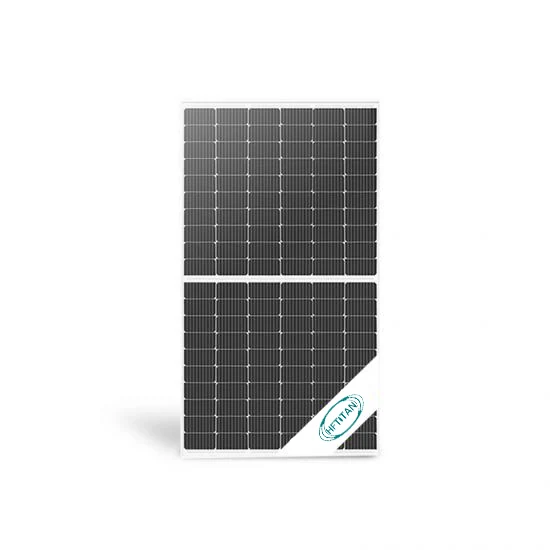
TTM Solar Panel 530-550W
A 182 mm monocrystalline half-cell module in a 144 (6x24) layout, 2279 x 1134 x 35 mm, 32.2 kg, with 2.0 mm AR-coated front glass and a...
View SpecificationRelated Guides

Container Loading and Packing for PV Modules
Cartons, 40HQ counts and why the packing configuration line decides your landed cost per watt.
Read the GuideMonocrystalline vs Multicrystalline vs Thin Film Solar Panels
The three panel technologies you will be quoted, what each one costs you in area and budget, and which one belongs on your project.
Read the GuideQuestions About This Guide
Which TITAN X POWER product does this apply to
TTM Solar Panel 585-605W; TTM Solar Panel 530-550W.
Can you advise on my specific site
Yes. Email the roof plan or plot layout with the capacity you are targeting and we will apply this to your project.
Where do these figures come from
From the published TITAN X POWER product documentation. Anything that was never published is marked TBC rather than estimated.
Put This Into Practice
Send us your site details and we will apply the guidance above to your actual project.