
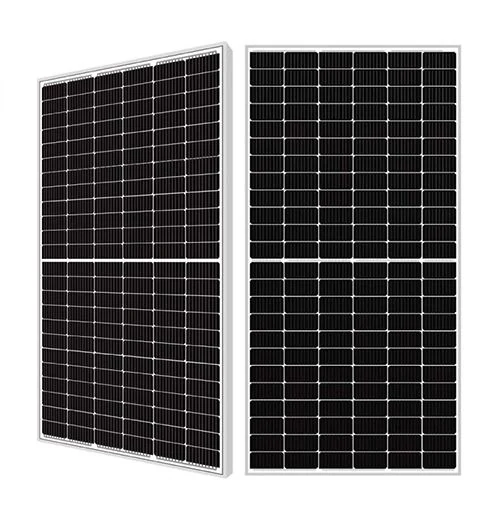
Monocrystalline vs Multicrystalline vs Thin Film Solar Panels
The three panel technologies you will be quoted, what each one costs you in area and budget, and which one belongs on your project.
There Are Three Panel Types and Only One Will Suit Your Site
There are many ways to get solar panels onto a home or a business, and the choice of cell technology is the first fork in the road. Get it wrong and you either overpay for efficiency you did not need, or you run out of roof before you reach your target capacity. Here is what each option actually gives you.
Monocrystalline Solar Panels
These panels are the highest in silicon purity, and they are also the most efficient choice. They convert about 20% of sunlight into usable energy. Monocrystalline panels have also been on the market longer than the other types, so their long-term behaviour is better understood. They are a good choice when space is a concern. If you have a limited budget, though, there are more cost-efficient options.
Both TITAN X POWER module platforms are monocrystalline: the TTM 530-550 W on 182 mm cells and the TTM 585-605 W on 210 mm cells. Both use half-cell layouts, which limits how much output a partly shaded row costs you.
Multicrystalline Solar Panels
These panels have a speckled blue appearance, caused by the multiple silicon crystals fused together to make them. They are cheaper than monocrystalline panels, but they are also a bit less efficient. Because of that, you need more of them to reach the same energy conversion - which means more area, more racking and more labour, so the saving per panel is not always a saving per project.
Thin Film Solar Panels
The least expensive and the most convenient to install, thin film panels have a uniform black colour, which makes them a good-looking choice. Because they convert less sunlight into energy, it typically takes more of them to power a house than the available roof space allows. They suit someone with a lot of land and smaller buildings to power.
How to Decide
Work backwards from your constraint. If area is what limits you - a fixed roof, a leased plot - buy efficiency and go monocrystalline. If you have far more land than you need and budget is the binding limit, the cheaper technologies start to make sense. For most rooftop and commercial projects, the constraint is area, which is why monocrystalline dominates the market.
Roof Installation and Ground Mount
You are probably used to seeing rooftop solar panels. Ground-mounted panels are the other option when you need more space, or when you do not want to cut into the roof at all. That decision changes your module economics, and is covered separately in our rooftop versus ground mount guide.
Need this applied to your project? Email [email protected] with the roof plan or plot layout and the capacity you are targeting.
Products This Guide Refers To
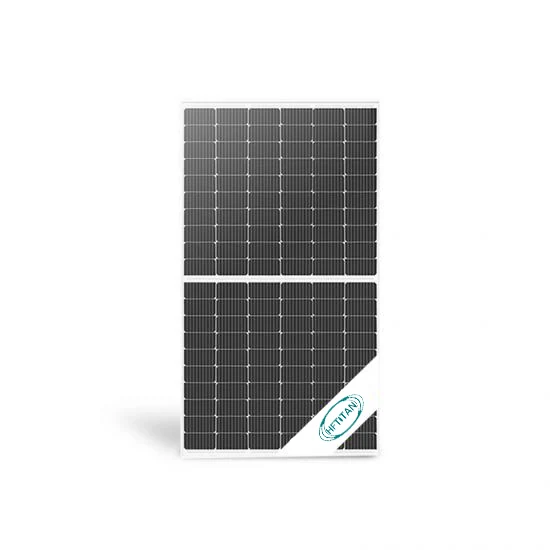
TTM Solar Panel 530-550W
A 182 mm monocrystalline half-cell module in a 144 (6x24) layout, 2279 x 1134 x 35 mm, 32.2 kg, with 2.0 mm AR-coated front glass and a...
View Specification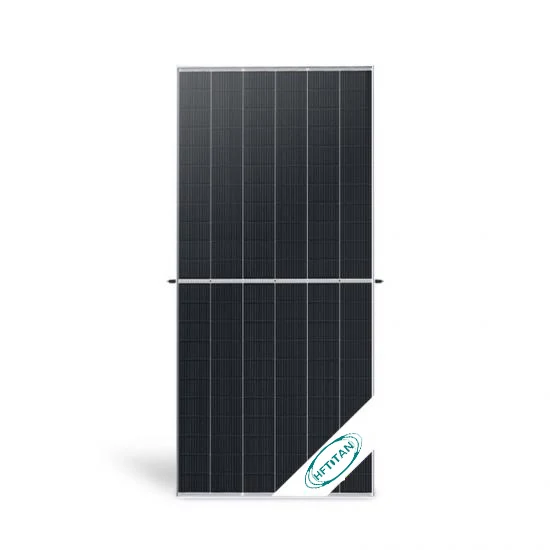
TTM Solar Panel 585-605W
A 210 mm monocrystalline half-cell module in a 120 (6x20) layout, 2172 x 1303 x 35 mm, 31.6 kg, with 3.2 mm AR-coated front glass and a...
View SpecificationRelated Guides
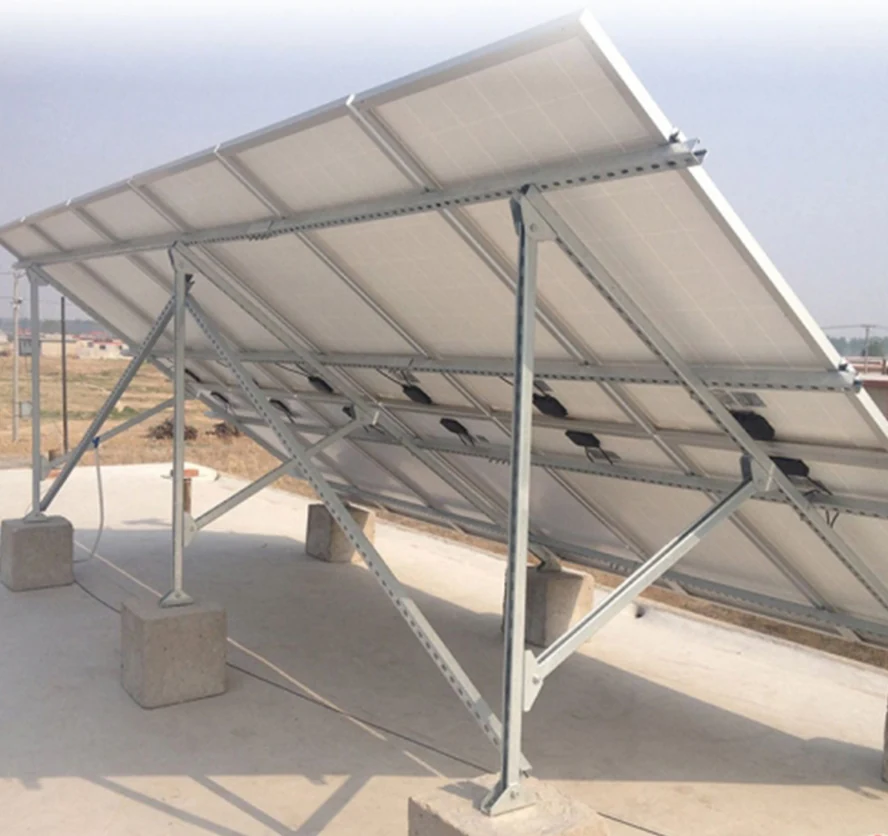
Rooftop vs Ground Mount Solar Which One Fits Your Project
Roof or ground changes your module choice, your racking, your labour cost and your parts count. Here is how to make the call.
Read the GuideHow to Read a PV Module Datasheet Before You Buy
Cell size, cell count, glass thickness, junction box rating and packing configuration - what each line actually tells you about the module.
Read the GuideQuestions About This Guide
Which TITAN X POWER product does this apply to
TTM Solar Panel 530-550W; TTM Solar Panel 585-605W.
Can you advise on my specific site
Yes. Email the roof plan or plot layout with the capacity you are targeting and we will apply this to your project.
Where do these figures come from
From the published TITAN X POWER product documentation. Anything that was never published is marked TBC rather than estimated.
Put This Into Practice
Send us your site details and we will apply the guidance above to your actual project.