
Capability
Six Branding Methods, Matched to the Material They Sit On
The same logo file produces very different results on suede-feel leather, natural bamboo and water-resistant fabric. Choosing the method is part of the specification, not an afterthought at artwork stage.
Embossing and debossing
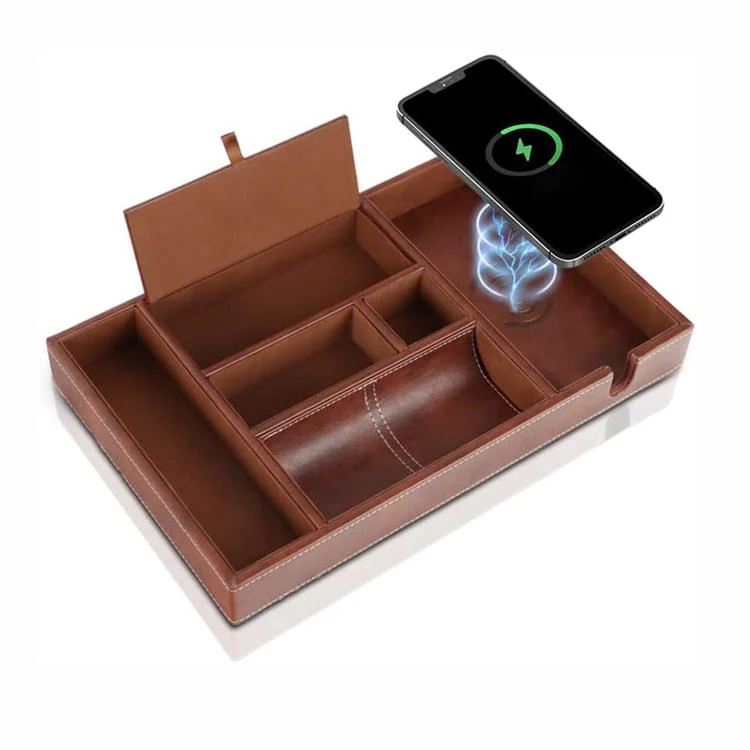
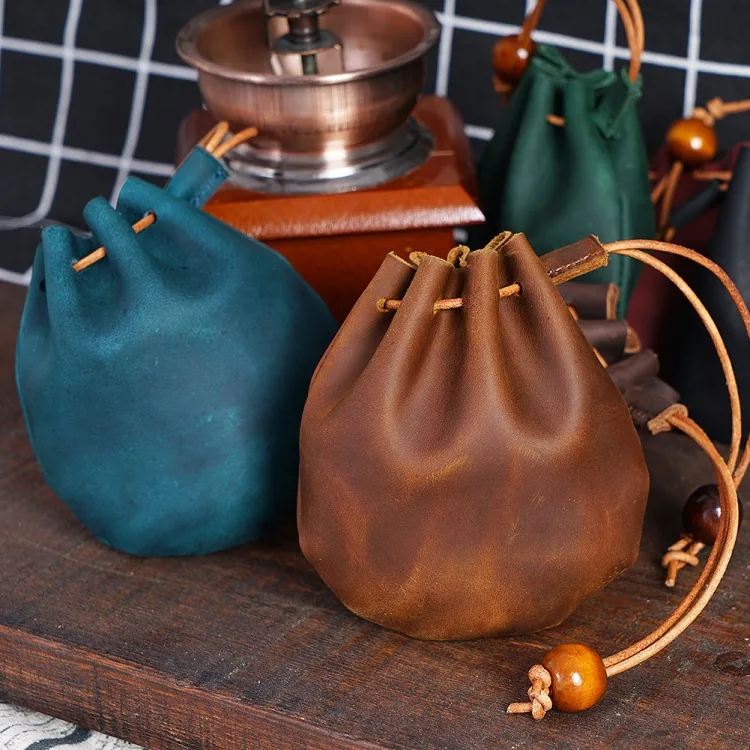
The default on leather. It does not wear off, and on full-grain and crazy horse leather it deepens as the surrounding surface develops patina. Branding areas run from 2x2in on the compact charger to 10x5in on the leather charging desk organiser.
Gilding
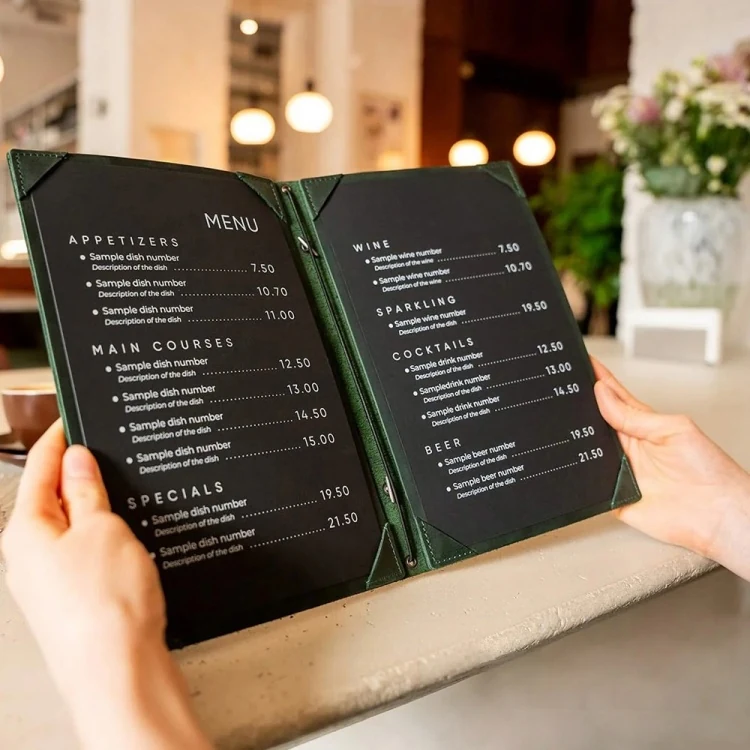
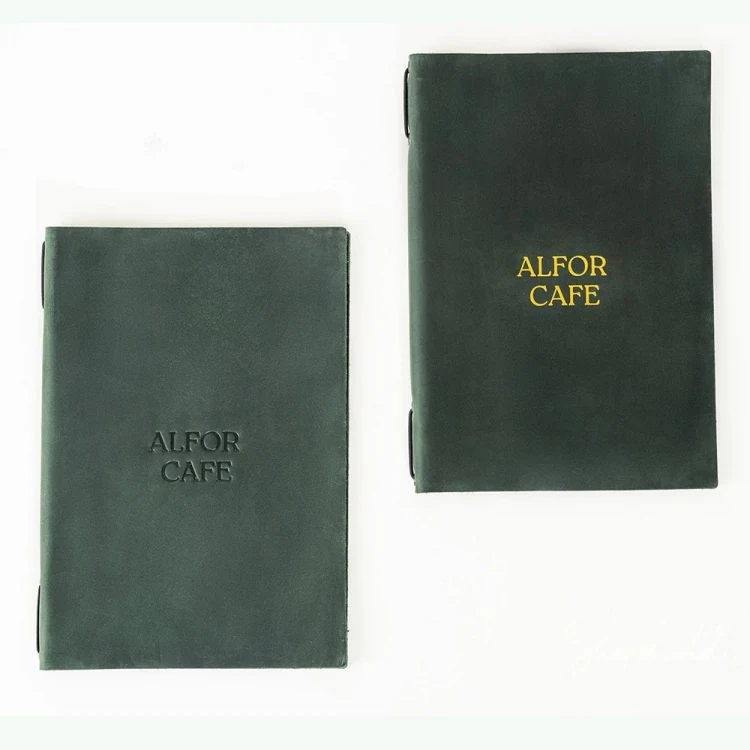
Available on the suede-feel menu holders as an alternative to a plain emboss, for brands that need the logo to read across a dim dining room. Emboss and gilt can be mixed within one order.
Engraving
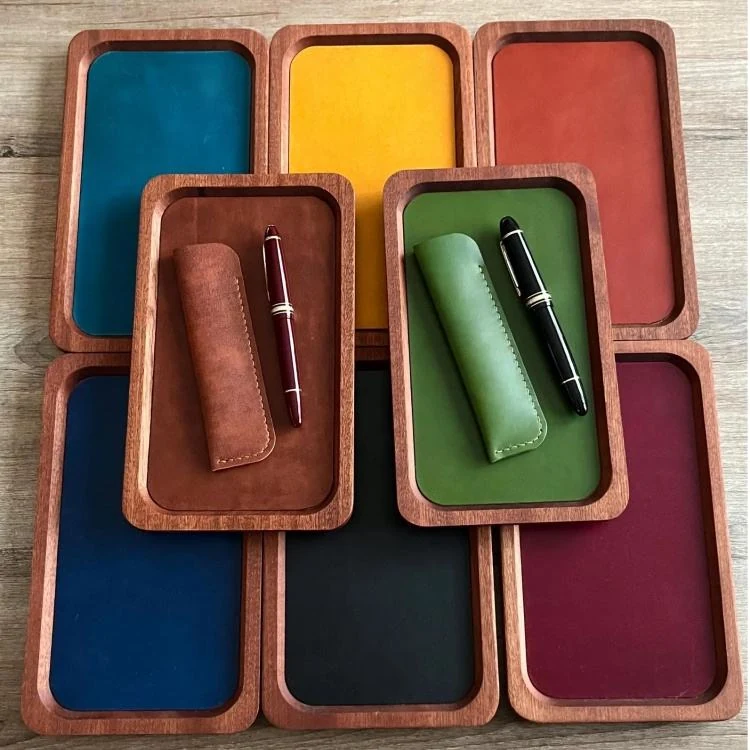
Used on the solid wood frame of the wooden leather tray, where a printed mark would look applied rather than made in.
Screen and DTF printing
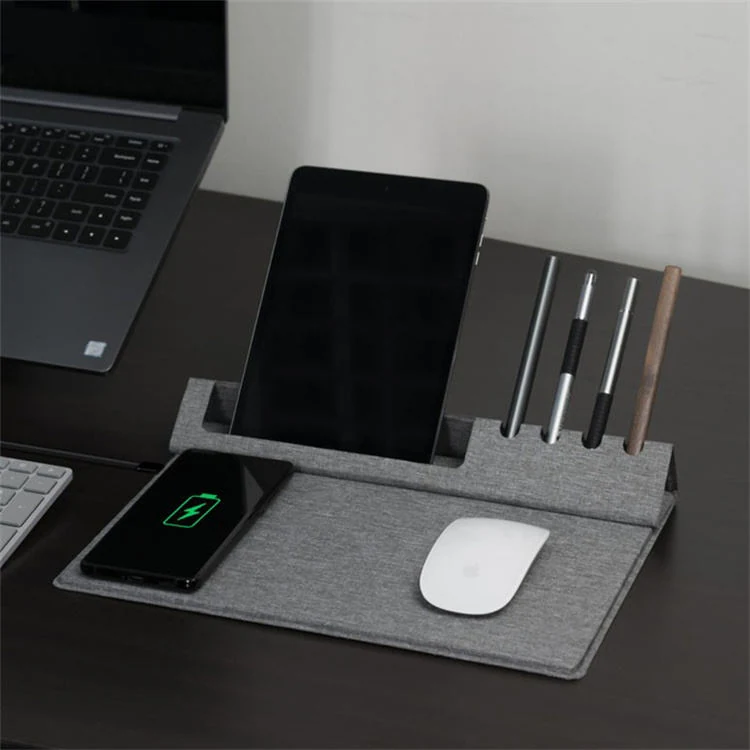
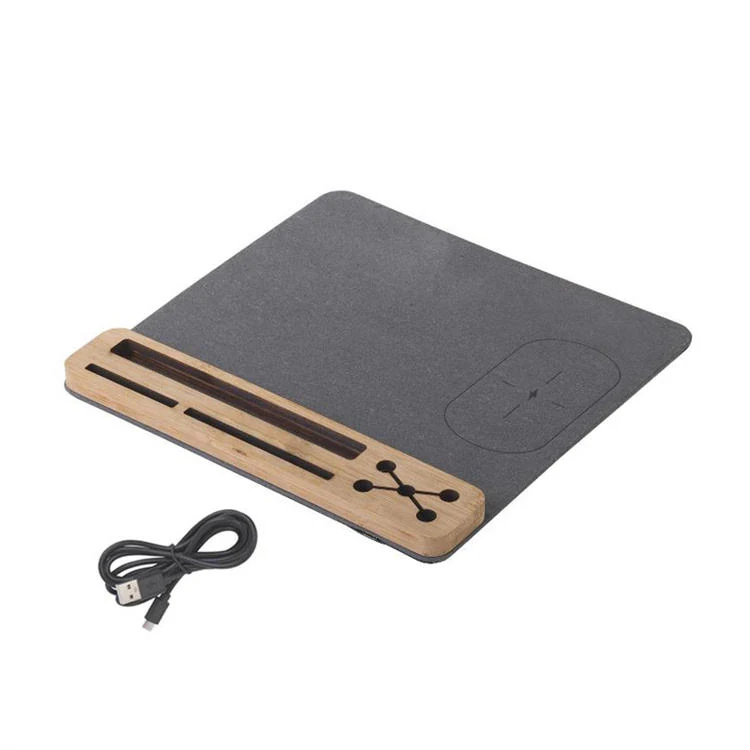
Specified on fabric and on the bamboo-module pad, which supports debossing, screen printing and DTF printing within a 100x100mm area.
Embroidery
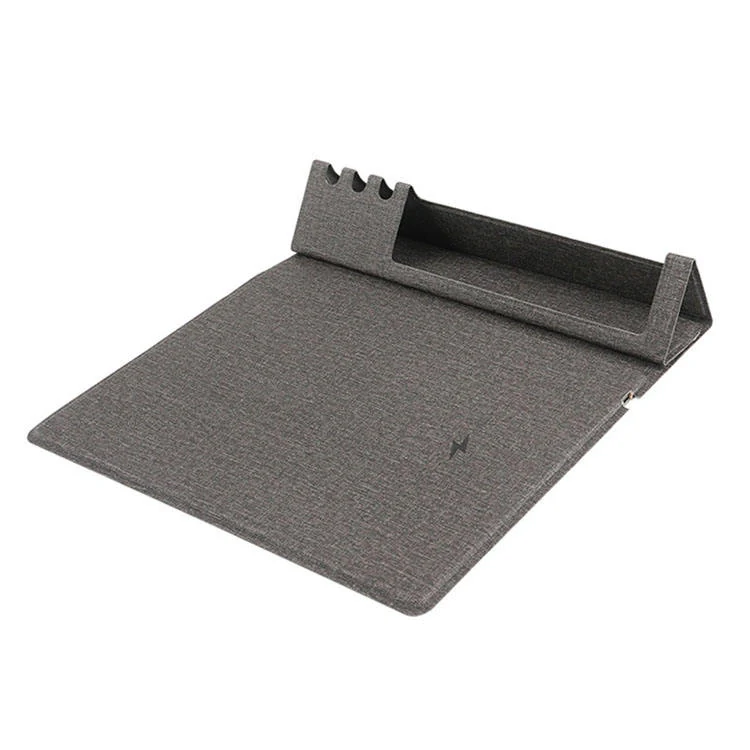
Offered on the water-resistant fabric desk mats, where a printed logo tends to read as low-value against the weave.
Artwork and proofing
AI or CDR vector files are required. A colour confirmation proof is supplied at sampling, and on leather the emboss depth is checked against a signed strike-off before production.
Related
Other capabilities
OEM & ODM Development
Most enquiries here are not for a catalogue item exactly as shown. They are for that item with three more compartments, a differen...
Wireless Charging Integration
Putting a charging coil under a soft surface is the part that goes wrong. It goes wrong when the module is not sealed and someone ...
Low-MOQ Programmes
The usual obstacle to a branded range is not the unit price, it is a minimum applied per variant. Here the 100-unit minimum applie...
Start the specification
A sketch, your device dimensions or a Pantone reference is enough to begin. Sampling dates are confirmed with the quotation.