
Diagnostic Consumables
Reaction Cup
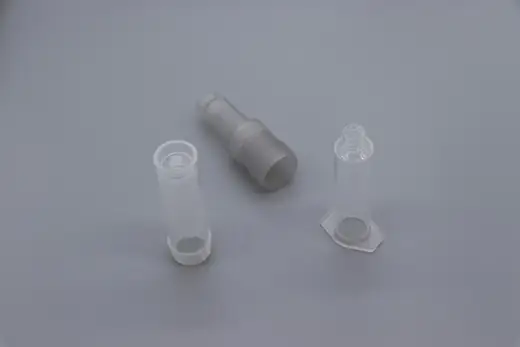
Molded reaction cups for automated analysers, where the optical path runs through the wall and a thickness variation reads as a result error.
View Component →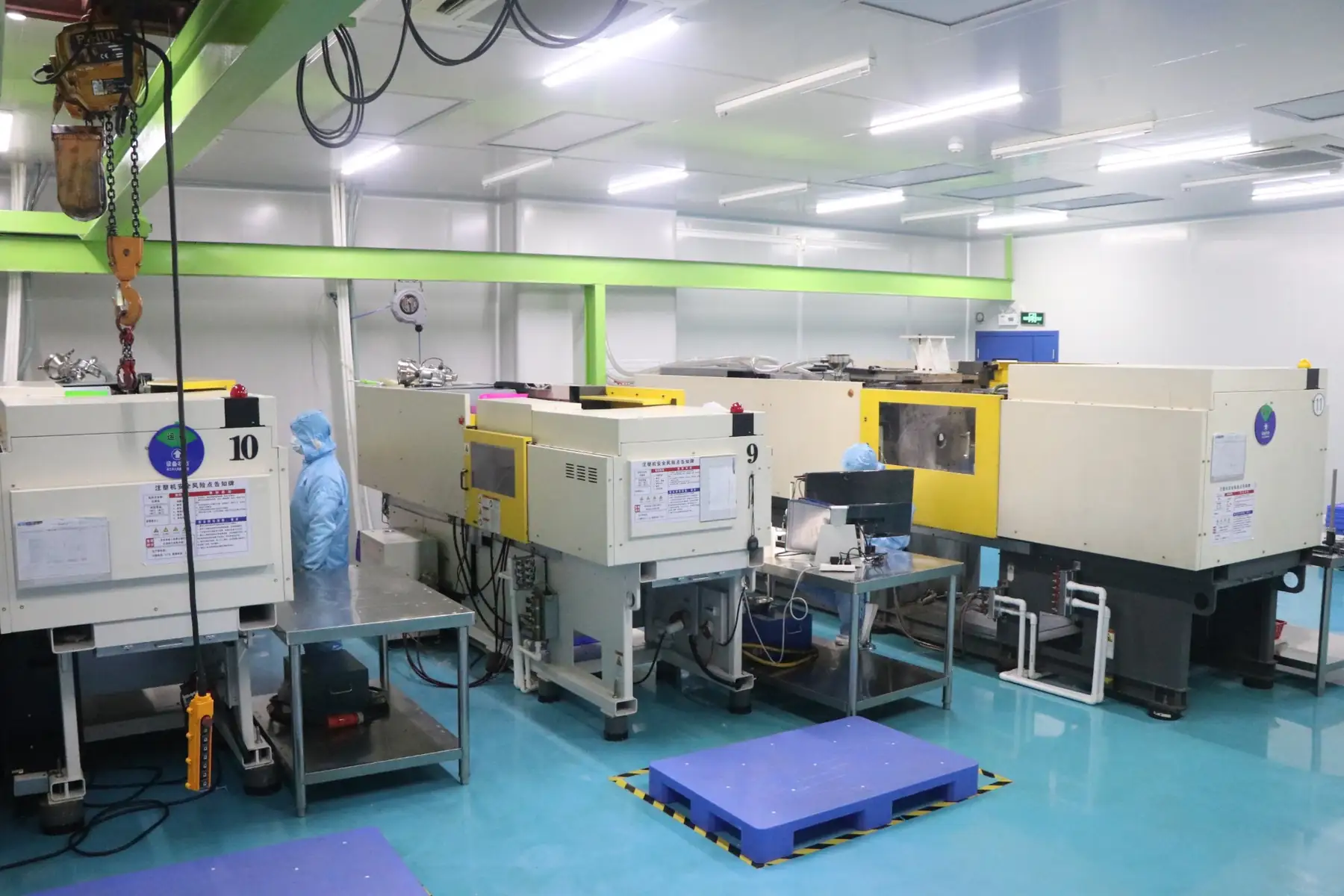
The questions that actually predict whether a medical molding program will run smoothly, and the ones that only sound impressive.
The single most useful question is whether the molder can cut steel. A molder without a tool room can only ship the tool somewhere else when a dimension drifts, which turns a two day correction into a three week one. When tooling and molding sit on the same site, a correction is a machine booking.
A good first shot proves very little. What matters is whether every cavity was measured against the drawing before the tool was released, and whether those results were recorded against the tool number. Ask to see the format of that record rather than asking whether it exists.
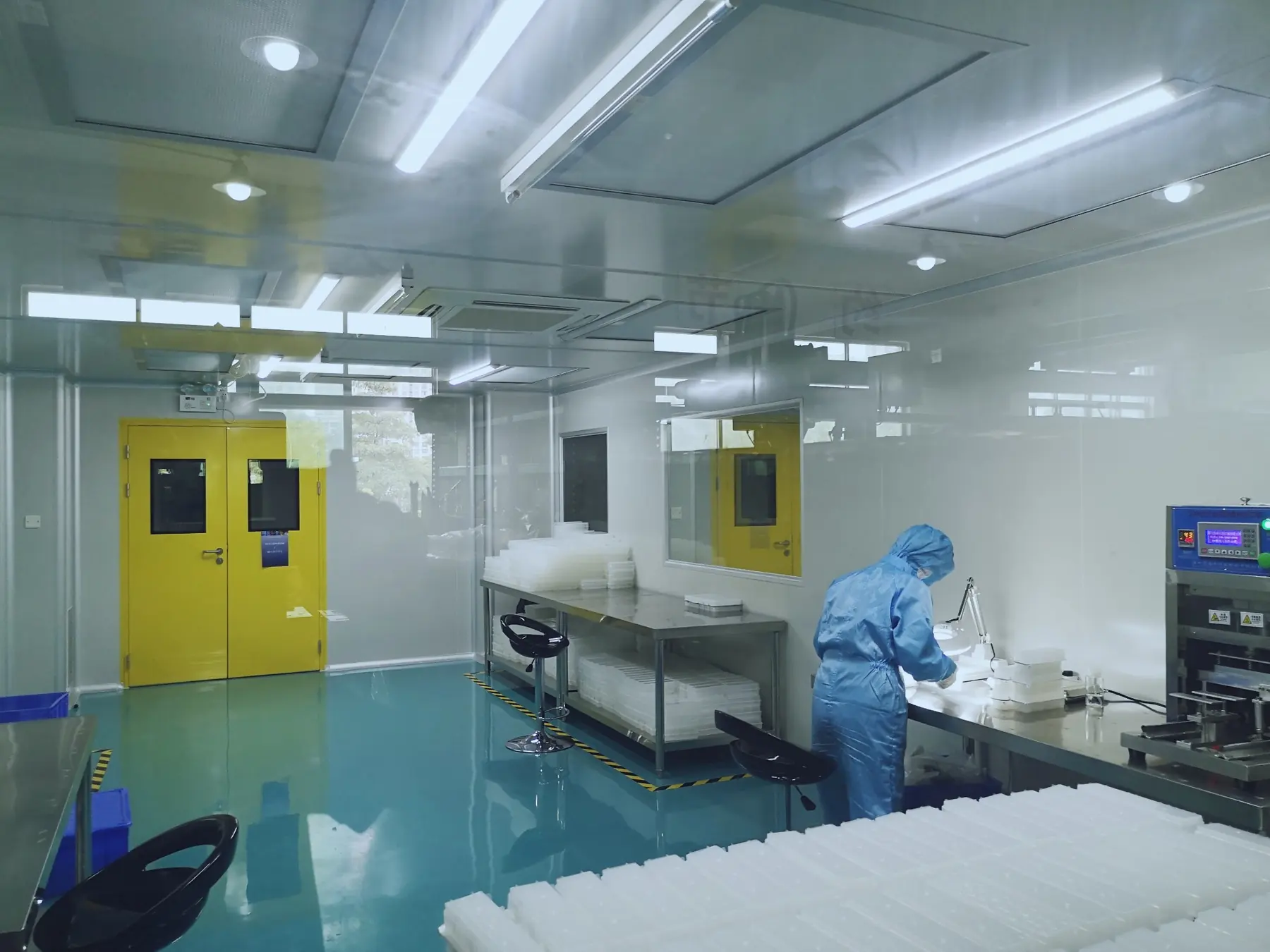
Clean room molding and clean room packing are two different claims. A part molded in an ISO 8 area and bagged in a corridor has gained nothing from the clean room. Ask specifically where the bag is sealed.
ISO 13485:2016 is the relevant certification for medical device work, and ISO 9001:2015 alongside it covers the general quality system. Both should be current and both should cover the site doing the work, not a group headquarters somewhere else.
A supplier who says yes to everything is telling you they have not read your drawing. We do not sterilise, we do not release finished devices, and we will say when a material pairing is not going to bond. A clear boundary is more useful than an enthusiastic one.
For medical parts, usually yes. The cost difference is small compared with the schedule cost of moving a tool between companies every time a dimension needs adjusting.
It is the right baseline. What it does not tell you is whether the tool room, the clean room and the molding floor are on the same site, which is where schedules are actually won or lost.
Molded reaction cups for automated analysers, where the optical path runs through the wall and a thickness variation reads as a result error.
View Component →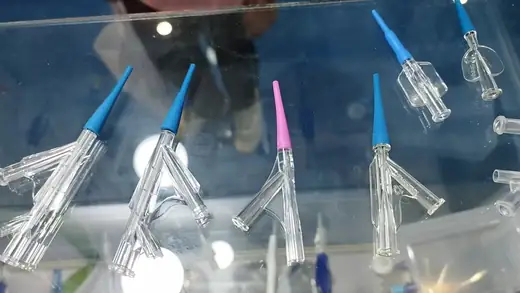
Molded hubs, wings and housings for intravenous catheters, shown here coming off the production line.
View Component →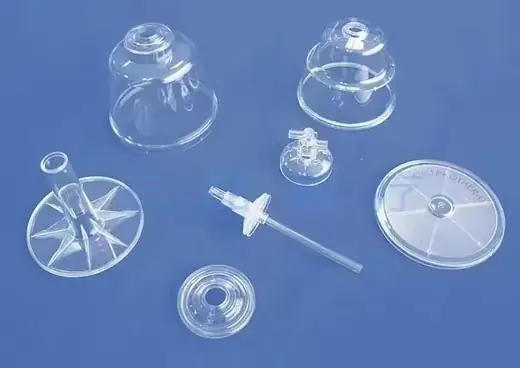
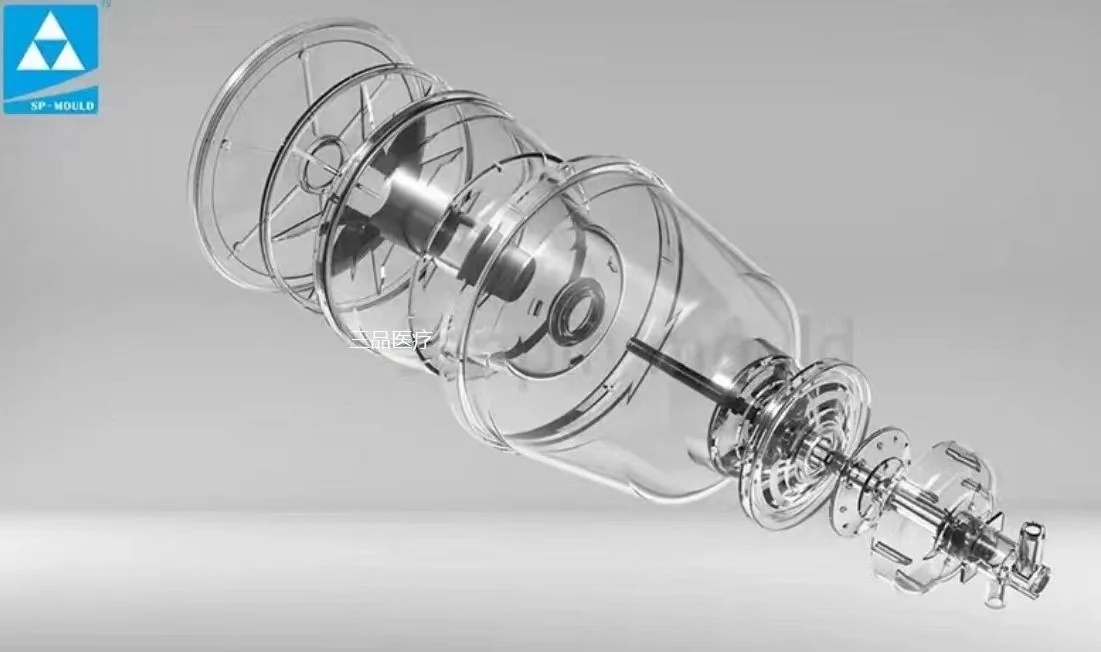
Molded blood separator bodies, discs and internals, carried over from the original product catalogue.
View Component →Thin clear sections warp as they cool, and a separator has to stay both dimensionally stable and optically clear across every cavity of every part in the assembly.
Read The Case →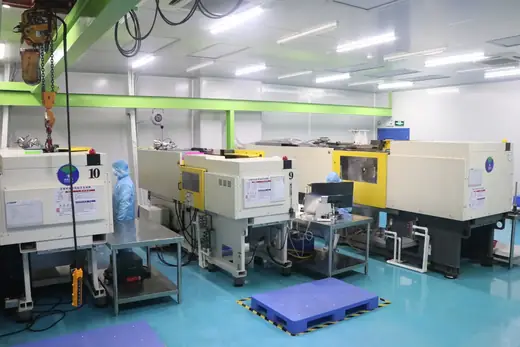
Single use delivery and access devices where the tool, not the moulding machine, decides whether the device works.
See Applications →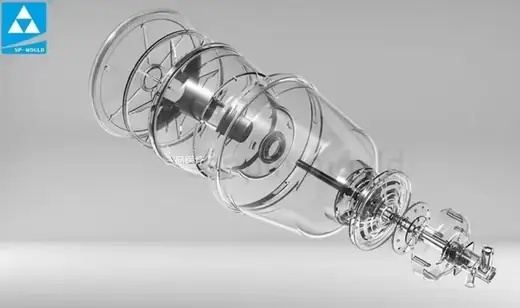
From your 3D part data to a sampled, released production tool, without the part leaving our site.
See The Stages →Send the drawing and we will apply exactly what this guide describes to your geometry, and tell you where it will not work.