
NR-B Boomerang Tensioner Device
Types NR-B tensioner devices are built for tensioning very long chain and belt drives using a boomerang configuration that provides triple compensation. Produced by NOWARUN, these units combine a powder metallurgy housing, a steel inner core, and Rubmix 10 rubber inserts rated for operating temperatures from -40 C to +80 C. External steel parts are finished with Nowarun grey printing to protect the assembly in industrial drive systems.
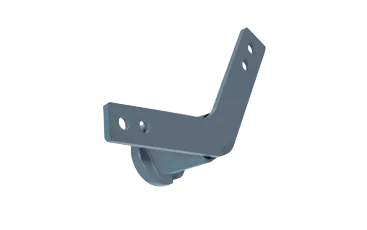
Published Data for NR-B Boomerang Tensioner Device
Every value below is taken from NOWARUN's own specification for this part.
| Model | Types NR-B |
|---|---|
| Design Characteristic | Boomerang with triple compensation |
| Housing Material | Powder metallurgy |
| Inner Core Material | Steel |
| Rubber Inserts | Rubmix 10 |
| Working Temperature | -40 C to +80 C |
| Surface Finish | Nowarun grey printed steel parts |
| Packaging | PP bag, carton, crate, box or to customer requirement |
| Origin | Hangzhou, Zhejiang, China |
Key Benefits
- Triple compensation geometry handles the excessive slack that develops across very long chain and belt spans
- Rubmix 10 rubber inserts maintain consistent elastomeric damping and pretension across a -40 C to +80 C range
- Sintered powder metallurgy housing provides dimensional uniformity and solid support for the inner core
- Durable steel inner core carries the mechanical pivot loads exerted by continuous drive tension
- Boomerang profile allows wide take-up movement without requiring oversized mounting brackets
- Nowarun grey printed steel parts resist surface corrosion in dusty or exposed factory operating environments
Problems It Solves
- Excessive belt or chain slack on long center drives that standard single-arm tensioners cannot fully absorb
- Frequent downtime caused by manual retensioning of stretched industrial roller chains and drive belts
- Elastomeric insert degradation under extreme plant temperatures between -40 C and +80 C
- Premature chain link and sprocket tooth wear caused by uncontrolled drive vibration and shock loads
Who It Is For
- Machine design engineers laying out long chain or belt transmissions that exceed standard tensioner stroke
- Procurement specialists sourcing elastomeric tensioning units built with powder metallurgy housings
- Maintenance managers looking to replace rigid idlers on long drives to reduce chain fatigue
- OEM equipment manufacturers needing reliable automatic tensioning between -40 C and +80 C
Application Scenarios
- Long center distance roller chain drives in agricultural equipment requiring continuous take-up
- Extended belt conveyors in wood processing machinery where drive belts stretch over time
- Bulk material handling systems in mining and aggregate plants subject to harsh operating temperatures
- Packaging and sorting line chain drives where mechanical vibration causes belt and chain slapping
- Industrial machine construction drives requiring triple compensation without manual readjustment
Technical Features
- Boomerang lever geometry designed specifically for triple compensation take-up
- Internal elastomeric damping elements made from Rubmix 10 rubber quality
- High-density housing formed via powder metallurgy processing
- Solid steel inner core engineered to transmit sustained torsional loads
- Nowarun grey printed coating applied directly to external steel components
- Continuous operational temperature window spanning -40 C to +80 C
Materials
- Powder metallurgy formulation used for the outer tensioner housing
- Structural steel used for the central pivot inner core
- Rubmix 10 elastomeric compound used for internal damping inserts
- Industrial protective finish used for Nowarun grey printed steel components
How It Is Made
- 1
Powder metallurgy pressing and sintering to form the outer tensioner housing
- 2
Precision machining and preparation of the steel inner core
- 3
Insertion of Rubmix 10 rubber elements between the housing and steel core
- 4
Application of Nowarun grey printed coating to exposed steel components
- 5
Final assembly and pretension deflection testing of the boomerang mechanism
- 6
Packaging in PP bags, cartons, or crates per customer specifications
Quality Control
- Visual and dimensional inspection of the sintered powder metallurgy housing
- Verification of the Rubmix 10 rubber insert positioning and pretension resistance
- Adhesion and coverage check of the Nowarun grey printed steel surface
- Verification of mechanical movement across the triple compensation stroke
- Packaging validation to prevent damage during overseas container shipping
Customization Options
- Mounting interface adaptations tailored to customer machinery frames and brackets
- Custom idler sprockets or belt rollers fitted to the boomerang arm
- Packaging configurations adapted to production line kitting or distributor shelving
- Custom labeling and barcode options applied directly to exterior shipping cartons
Compared With the Alternatives
| Alternative | Honest trade off |
|---|---|
| Standard single-arm tensioners | Types NR-B provides triple compensation stroke for very long spans but requires greater swing clearance around the mounting point |
| Rigid screw-adjusted idlers | Types NR-B automatically absorbs dynamic chain shock and elongation but does not provide a fixed, non-deflecting center |
| Linear spring-loaded tensioners | Boomerang elastomeric designs have no exposed coil springs to jam with debris but offer a rotational rather than linear take-up path |
Use Guide
- Position the tensioner on the slack run of the drive to maximize compensation efficiency
- Ensure surrounding machine clearance accommodates the full swing of the boomerang arm
- Verify operating ambient temperatures stay within the rated -40 C to +80 C threshold
- Fasten the steel inner core securely to the machine frame using the recommended torque
- Inspect the Rubmix 10 inserts periodically during major machinery overhauls
NR-B Boomerang Tensioner Device Questions
What makes the Types NR-B tensioner suitable for very long drives?
It uses a boomerang configuration engineered for triple compensation, providing the broad take-up range needed for extended chain and belt spans.
What is the working temperature range for Types NR-B?
Types NR-B operates continuously in ambient temperatures ranging from -40 C to +80 C using Rubmix 10 rubber inserts.
What materials are used to manufacture Types NR-B?
The housing is made from powder metallurgy, the inner core is made from steel, and the internal damping inserts are Rubmix 10 rubber.
What surface protection is applied to the steel components?
All exposed steel parts are finished with Nowarun grey printing to protect the base metal from environmental wear.
How is the Types NR-B packaged for international export?
Parts are packaged in PP bags, cartons, crates, or boxes according to customer specifications for safe transit.
Can Types NR-B be used on both belt and chain drives?
Yes. The triple compensation mechanism is designed for the automatic tensioning of both very long chain drives and belt drives.
Related Products
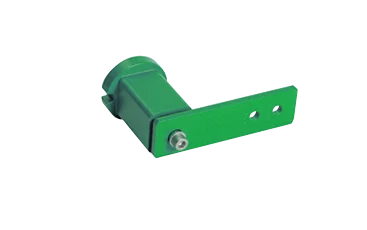
NR-F Front Mounting Tensioner Device
Types NR-F front mounting tensioner devices provide chain and belt tensioning on frames where rear access is…
View specifications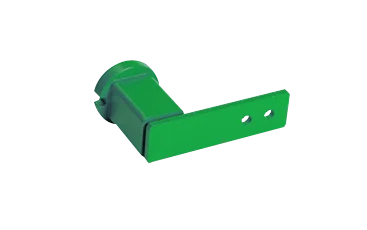
NR Standard Tensioner Device
Types NR is a standard tensioner device manufactured with a powder metallurgy housing, a steel inner core, and Rubmix…
View specifications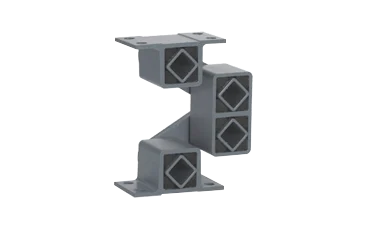
AB Oscillating Mounting
Type AB oscillating mountings are elastic suspension elements engineered for high vibration isolation and low…
View specifications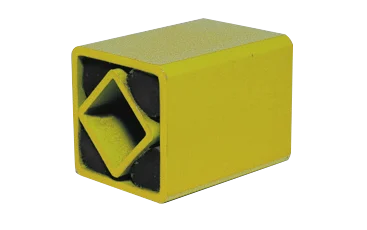
DR-S Rubber Suspension Unit
The DR-S is a rubber suspension unit engineered with a steel housing, a steel inner core, and a steel tube intended…
View specificationsQuote NR-B Boomerang Tensioner Device to Your Drawing
Send the print with the quantity, material, tolerance and surface treatment. Missing details get asked about, not assumed.