
CNC Puncher Die
CNC puncher dies are tooling components manufactured to drawing or customer specifications for industrial CNC punching equipment. NOWARUN produces customized punch and die tooling in tool steels including D2, DC53, SKD-11, SKH51, M2, and tungsten steel, heat treated to hardness ranges of HRC 50 to 64. Tooling is supplied with custom coatings and packaging options to suit metal fabrication requirements.
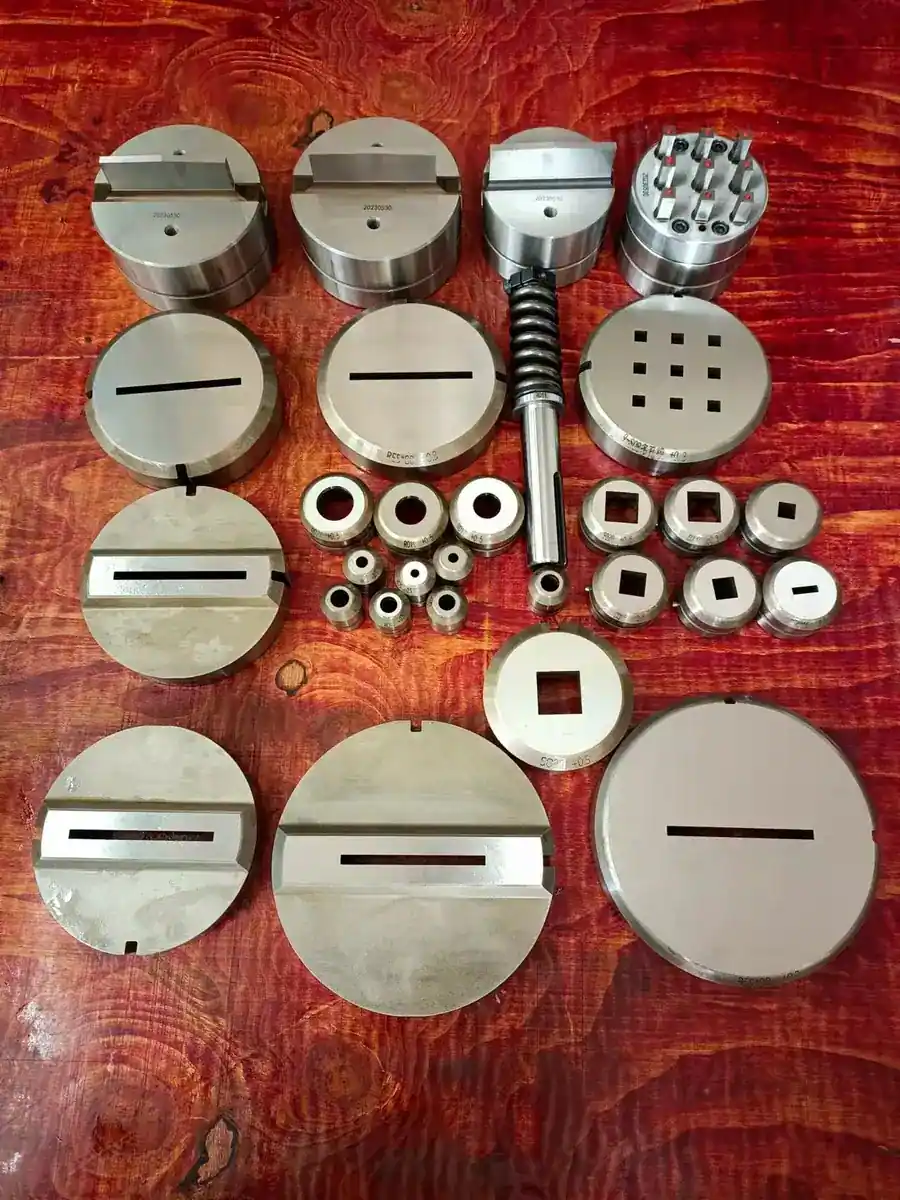
Published Data for CNC Puncher Die
Every value below is taken from NOWARUN's own specification for this part.
| Hardness | HRC 50-64 |
|---|---|
| Production Capacity | 1000 pcs/month |
| Materials | SKH51, DC53, M2, D2, 42CrMo, 65Mn, 9CrSi, 6CrW2Si, Cr12MoV, SKD-11, W18Cr4V, tungsten steel |
| Coating | Customized |
| Application | CNC Punch Tool type |
| Heat Treatment | Quenching, tempering, QT, induction hardening |
| Surface Treatment | Oiling, plating, or custom coating per specification |
| Packaging | PP bag, carton, crate, box or to customer requirement |
Key Benefits
- Hardness held between HRC 50 and HRC 64 to resist edge wear during repetitive sheet metal punching operations
- Choice of high-wear tool steels including DC53, SKD-11, M2, and tungsten steel matched to your target sheet material
- Production capacity of 1000 pieces per month accommodates regular consumable tool restocking schedules
- Custom coatings applied to punch working faces to reduce galling and lower cutting friction
- Made to drawing to fit specific CNC turret or single-station punch press tooling holders
- Surface treatments and protective packaging prevent edge chipping and corrosion during transit
Problems It Solves
- Rapid edge wear and chipping when punching abrasive or hard sheet stock with standard tool grades
- Sheet material galling and sticking to punch flanks caused by lack of application-specific surface coatings
- Difficulty sourcing replacement punch tooling for non-standard or legacy CNC punch press holder profiles
- Inconsistent punch service life caused by uncontrolled core and surface hardness variation
Who It Is For
- Tooling procurement engineers sourcing custom punch and die inserts for CNC sheet metal punching presses
- Fabrication shop maintenance managers seeking reliable replacement punch tooling ground to print
- Metal stamping and perforated sheet manufacturers needing monthly batches of wear-resistant punch dies
- OEM machinery builders integrating custom punch dies into specialized sheet processing machines
Application Scenarios
- Sheet metal fabrication shops running high-volume punching cycles that require extended die wear life
- Machine construction applications requiring custom-profile punch and die sets for proprietary stamping patterns
- Replacement of worn punch dies in CNC turret punch presses where original tooling is obsolete
- Heavy-gauge sheet piercing operations requiring tough alloy tool steels such as DC53 or 42CrMo
- High-speed punching lines using specialty coatings to avoid material pickup on punch working faces
Technical Features
- Controlled heat treatment delivering final hardness between HRC 50 and HRC 64
- Selection of high-speed, cold-work, and tungsten carbide tool materials including SKH51, D2, and DC53
- Custom protective surface coatings matched to the punched metal grade
- Monthly production capacity of 1000 pieces for puncher and bender tooling
- Packaged in PP bags, cartons, crates, or boxes to protect precision cutting edges
Materials
- D2, SKD-11, and Cr12MoV cold-work tool steels for balanced wear resistance and edge holding
- DC53 for improved toughness and chipping resistance over standard D2 tooling
- SKH51, M2, and W18Cr4V high-speed steels for high-cycle punching applications
- Hard alloy tungsten steel for extreme abrasion resistance in high-volume production
- 42CrMo, 65Mn, 9CrSi, and 6CrW2Si for specialized tool bodies and shock-loaded components
How It Is Made
- 1
Tool drawing analysis to evaluate punching geometry, clearance specifications, and tool steel grade
- 2
Rough machining and profile turning of the punch die blank
- 3
Precision heat treatment and tempering to achieve the target hardness within HRC 50 to 64
- 4
Finish grinding of punch working surfaces and mounting shanks
- 5
Application of customized anti-wear coating if specified on the drawing
- 6
Dimensional check, protective oiling, and packaging in protective crates or cartons
Quality Control
- Hardness testing across punch working faces to verify compliance with HRC 50 to 64 specification
- Dimensional inspection of critical die diameters, clearance angles, and mounting locations
- Visual check of sharpened cutting edges for burrs, cracks, or grinding marks
- Edge protection and corrosion-preventive oiling applied prior to sealing in cartons or crates
Customization Options
- Manufactured directly to customer tooling prints, CAD models, or physical tool samples
- Material selection tailored to the sheet gauge and material being punched
- Hardness targeted to your specific requirement between HRC 50 and HRC 64
- Custom surface coatings applied to enhance wear life and reduce material adhesion
Compared With the Alternatives
| Alternative | Honest trade off |
|---|---|
| Standard catalogue punch tooling | Catalogue punches ship from stock but cannot accommodate non-standard hole profiles, modified clearances, or custom shanks |
| Standard D2 punch dies | DC53 or tungsten steel dies provide higher chipping resistance and longer runs, but material cost is significantly higher |
| Uncoated punch dies | Custom-coated dies resist adhesive wear and galling on stainless sheet, though they add processing time to production |
Use Guide
- Submit your punch drawing specifying mounting style, die clearance, and material grade
- Indicate the thickness and type of sheet metal being punched to select appropriate hardness
- Specify your required hardness within the HRC 50 to 64 range on the drawing
- Inspect alignment of the punch and mating die in the press turret before running full-speed cycles
- Maintain appropriate lubrication on cutting faces during sheet punching operations
CNC Puncher Die Questions
What hardness range can you achieve on CNC puncher dies?
Tooling is heat treated to between HRC 50 and HRC 64, depending on the tool steel grade and your application requirements.
What tool steel materials are available for custom punch dies?
Materials include SKH51, DC53, M2, D2, 42CrMo, 65Mn, 9CrSi, 6CrW2Si, Cr12MoV, SKD-11, W18Cr4V, and tungsten steel.
What is your monthly manufacturing capacity for punch tooling?
Production capacity is 1000 pieces per month for CNC puncher and bender tooling.
Can you supply punch dies with customized surface coatings?
Yes. Customized coatings can be applied to the punch working surfaces according to your drawing and operational needs.
How are precision punch dies packaged to protect cutting edges?
Tooling is oiled and packed using PP bags, individual boxes, cartons, or crates to prevent cutting edge damage in transit.
Related Products
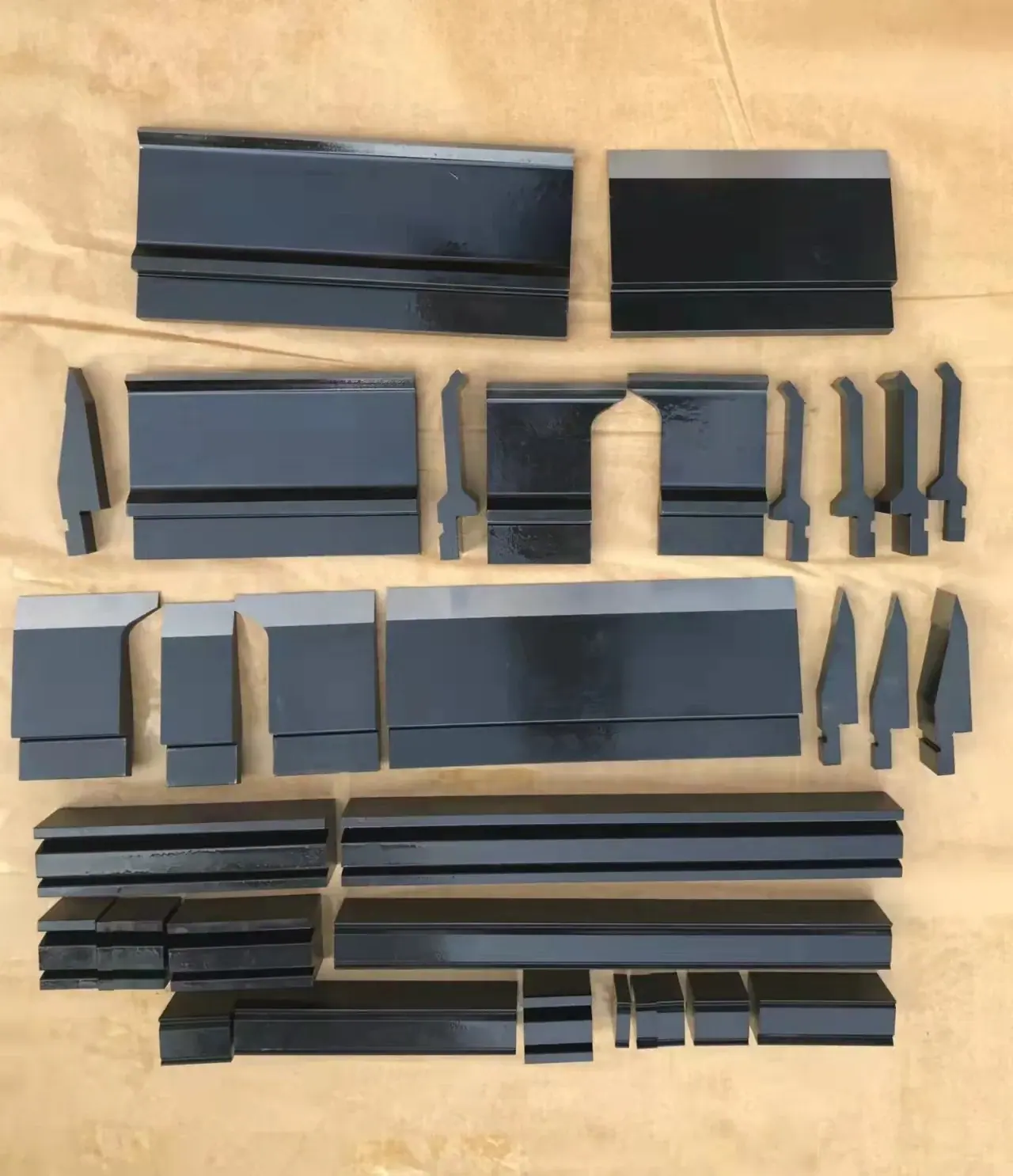
CNC Bender Tooling
NOWARUN produces custom tooling for CNC benders and punch presses according to customer drawings and specifications.…
View specifications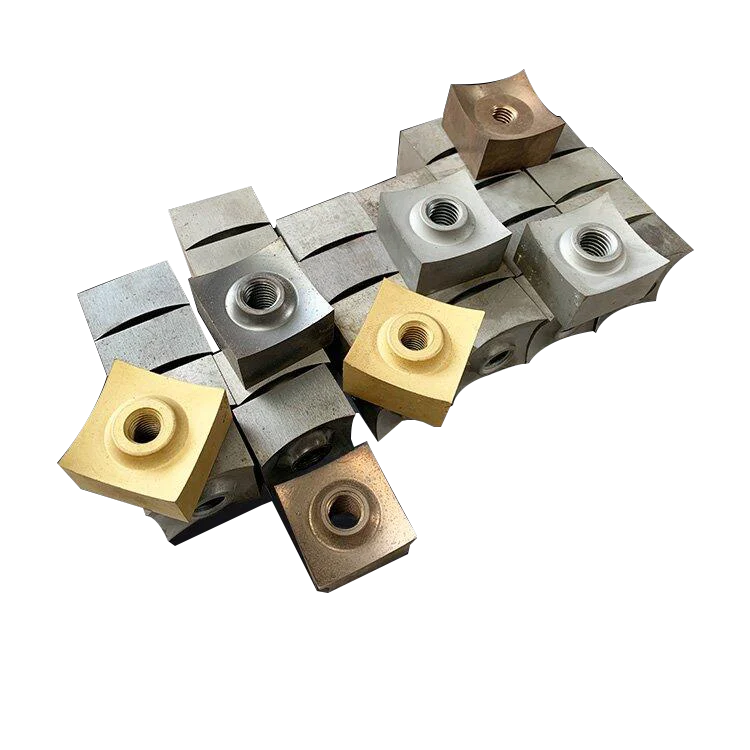
Shredder and Cutting Blades
NOWARUN produces custom tools and cutting blades made to print or specification for CNC punchers, CNC press brakes,…
View specifications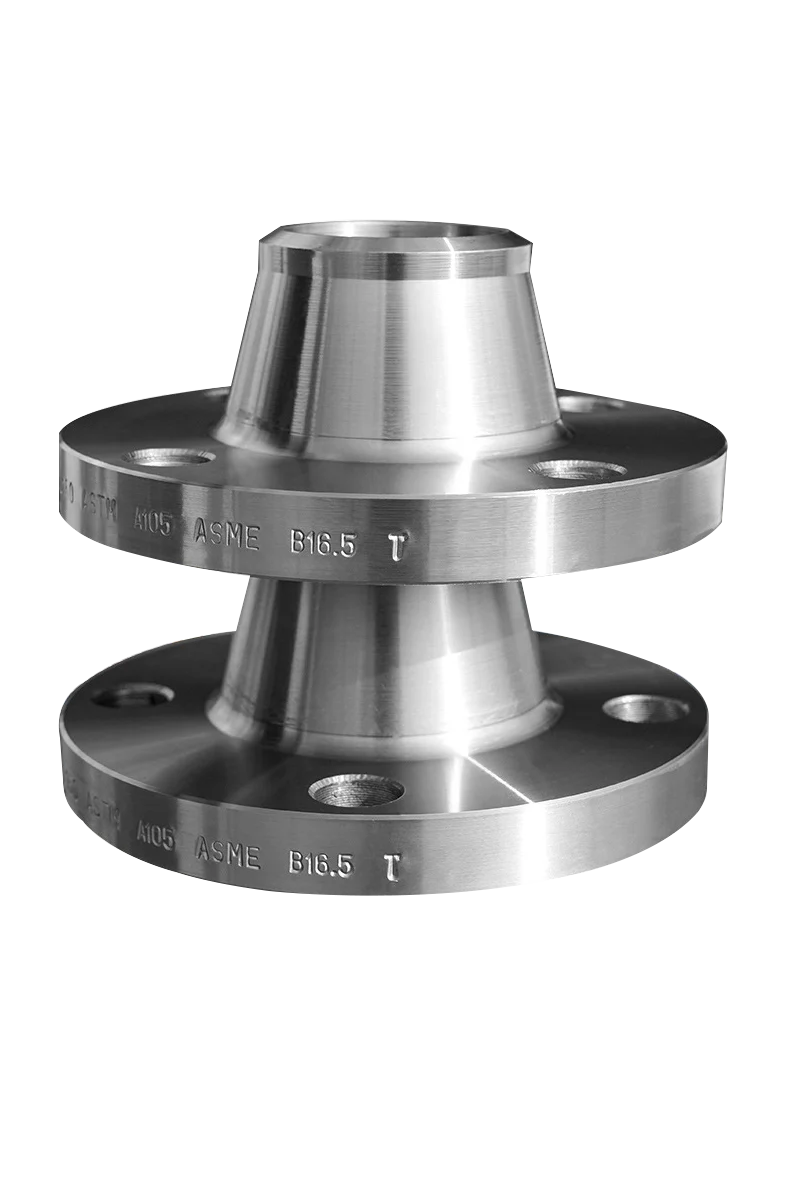
Flange Stainless Steel
Stainless steel flanges connect industrial piping systems across nominal sizes from DN10 to DN800 and pressure…
View specifications
Ball Valve Stainless Steel
Stainless steel ball valves handle flow isolation for water, oil, gas, and base media in industrial piping systems.…
View specificationsQuote CNC Puncher Die to Your Drawing
Send the print with the quantity, material, tolerance and surface treatment. Missing details get asked about, not assumed.