Syringe filters, chromatography vials, SPE and biotechnology products are produced according to the ISO 9001 standard system. [email protected] +86-15306778688
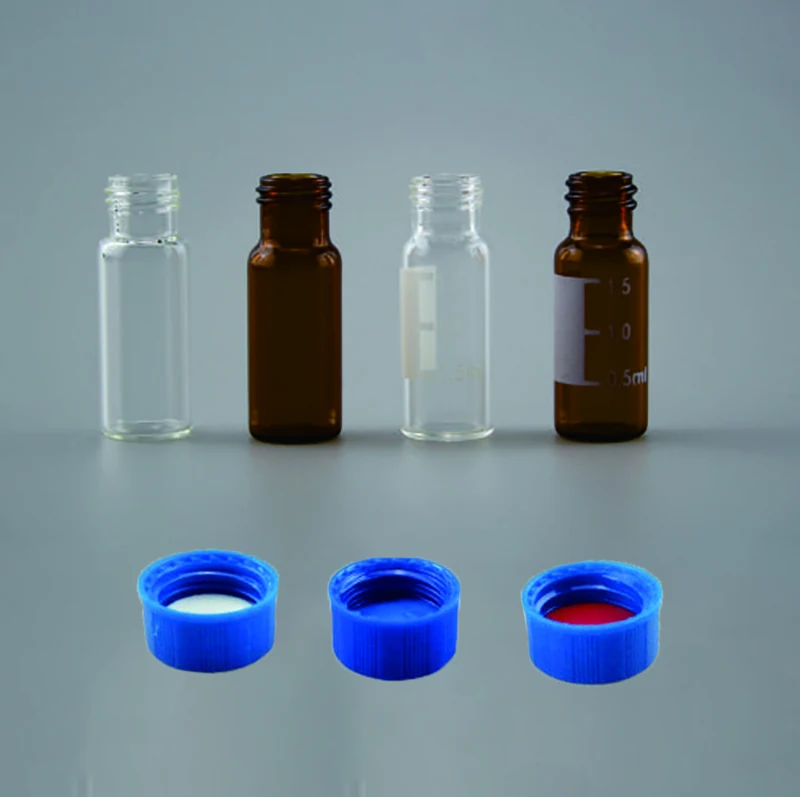
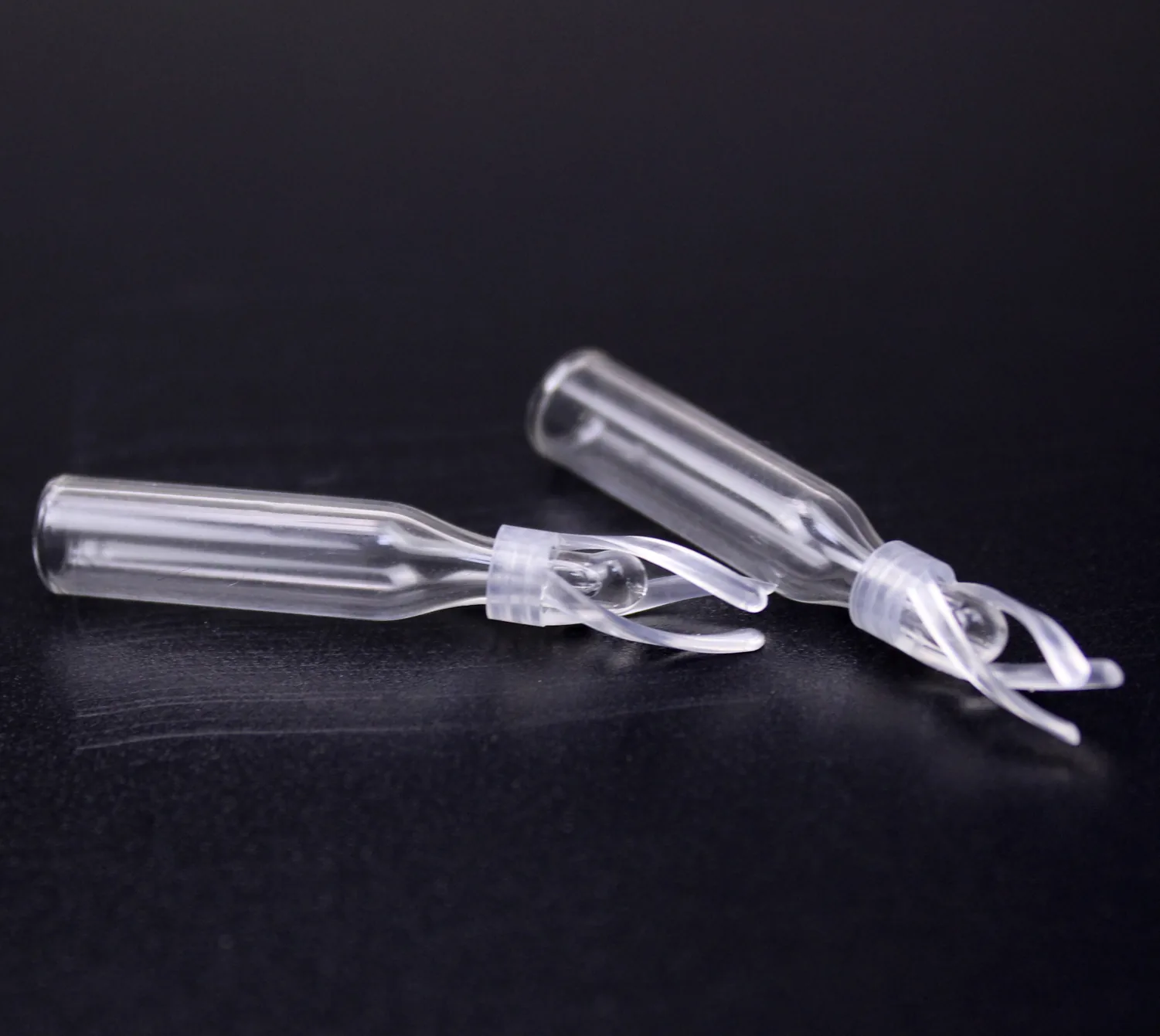
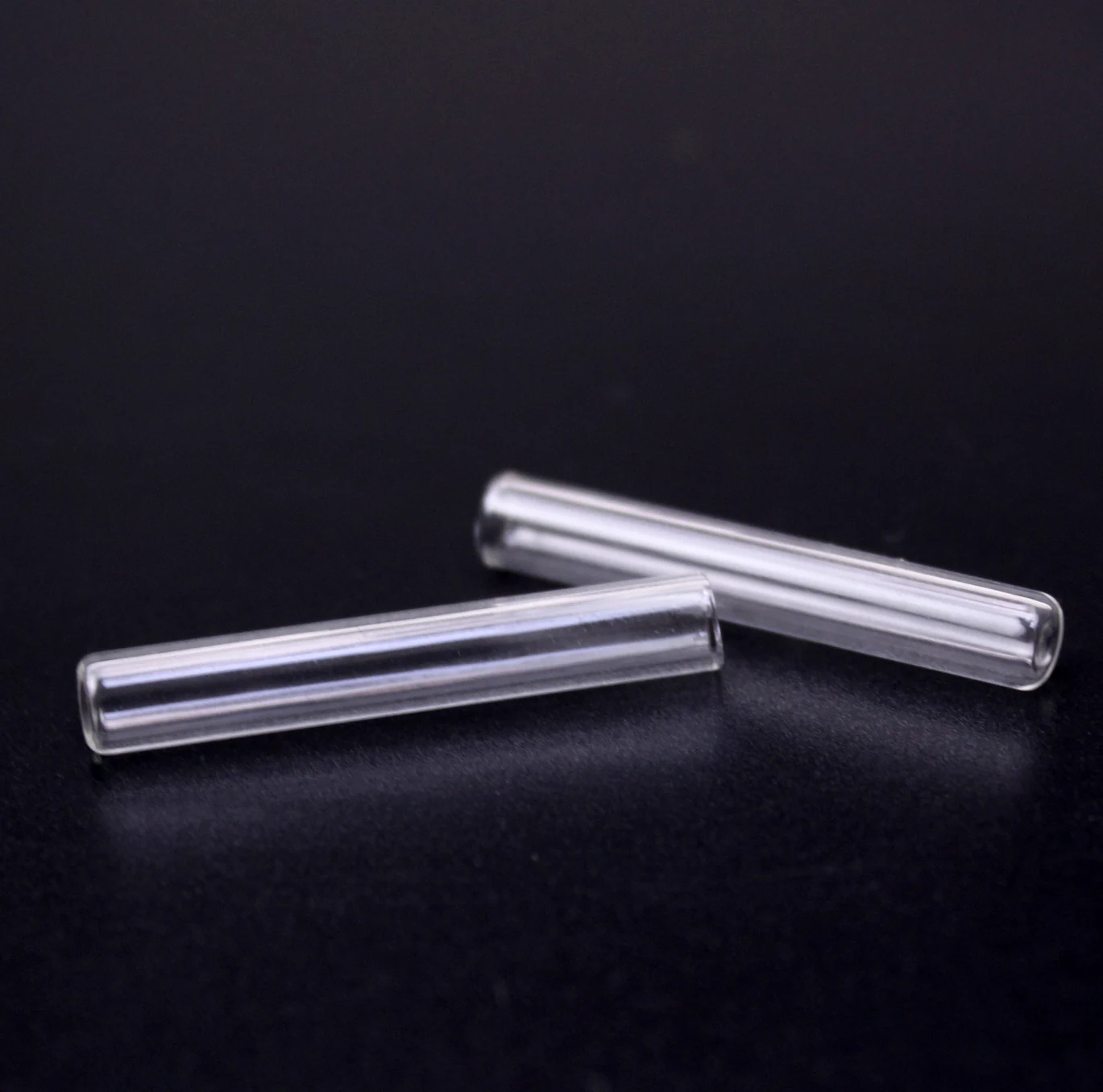
Micro Insert product photo 1
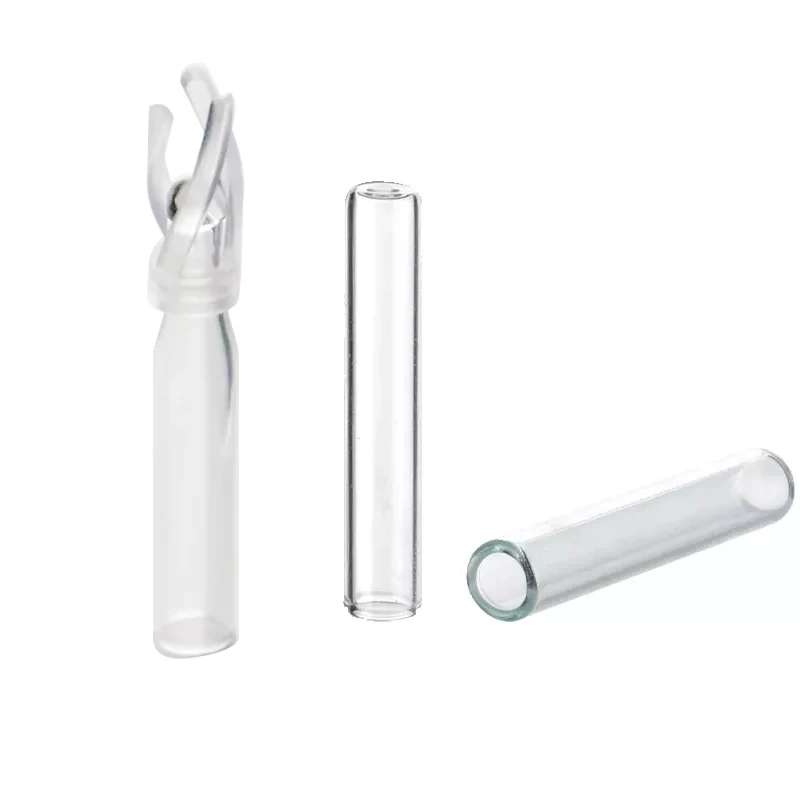
Micro Insert product photo 2Micro Insert product photo 3
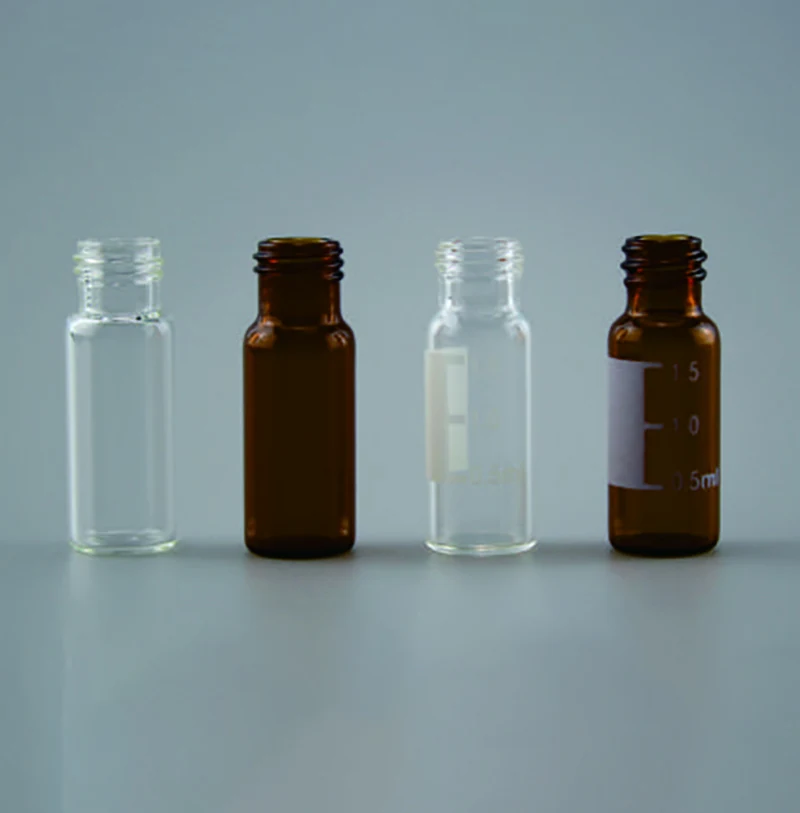
Autosampler Vial

Micro Insert

Micro Insert is a precision component designed to reduce internal surface area in HPLC autosampler vials, improving sample recovery and reducing adsorption losses. The insert fits standard vial geometries and is used to maintain consistent injection volumes and enhance reproducibility in chromatographic analysis.

  • Reduces internal surface area in vials, minimizing sample adsorption and improving recovery for trace-level analysis
  • Available in conical bottom, flat bottom, and conical bottom with polyspring configurations for different sample types
  • PolySpring inserts self-align and cushion needle contact, reducing vial damage and needle wear
  • Glass inserts offer low extractables for sensitive HPLC and GC methods
Key Benefits

What This Product Gives You

  • Reduces internal surface area in vials, minimizing sample adsorption and improving recovery for trace-level analysis
  • Available in conical bottom, flat bottom, and conical bottom with polyspring configurations for different sample types
  • PolySpring inserts self-align and cushion needle contact, reducing vial damage and needle wear
  • Glass inserts offer low extractables for sensitive HPLC and GC methods
  • Available for 8-425 vials (100ul, 200ul, 300ul) and 9-425/11mm vials (250ul, 300ul, 400ul)
  • Three bottom configurations: conical, flat, and conical with polyspring
  • Dimensions: 29×4.8mm (100ul), 31×5mm (200ul, 300ul), 29×5.7mm (250ul), 31×6mm (300ul, 400ul)
  • Designed for use with standard autosampler vials and crimp or snap caps
  • PolySpring inserts provide self-alignment and cushioning during needle insertion
Where It Is Used

Applications And Buyers

Application Scenarios

  • Improving sample recovery in trace analysis where adsorption to vial walls causes signal loss
  • Reducing carry-over in high-throughput pharmaceutical QC labs using 8-425 and 9-425 vials
  • Minimizing needle impact damage during repeated injections in automated autosamplers
  • Maintaining consistent injection volume in methods sensitive to vial geometry changes
  • Supporting routine HPLC and GC analysis with low-cost, high-reliability inserts

Who It Is For

  • Pharmaceutical and biotech labs conducting trace-level quantification where sample loss affects accuracy
  • Environmental and food testing labs using 8-425 and 9-425 vials in automated autosamplers
  • Contract testing labs requiring consistent injection performance across multiple clients and methods
  • Lab managers seeking cost-effective solutions for routine sample preparation without sacrificing reproducibility
  • OEM partners needing custom inserts for branded autosampler systems

Problems It Solves

  • Sample adsorption to vial walls leading to low recovery and inaccurate quantification
  • Inconsistent injection volumes due to variable internal surface area in standard vials
  • Needle damage and vial breakage from repeated injection impacts
  • Carry-over between samples in high-throughput workflows
  • Lack of standardisation in insert geometry across different vial types and suppliers
Data

Specifications

Product NameMicro-insert
MaterialBorosilicate Glass, PP
For Vial Type8-425 Vials, 9-425 Vials, 11mm Crimp Vials, 11mm Snap Vials
Volume100ul (29×4.8mm), 200ul (31×5mm), 300ul (31×5mm), 250ul (29×5.7mm), 300ul (31×6mm), 400ul (31.6mm)
Bottom TypeConical, Flat, Conical with Polyspring
Packing100 pcs per pack
Insert ShapeCylindrical with precision fit
CompatibilityStandard autosampler vials with 8-425 and 9-425 geometry

Materials

  • Borosilicate glass for low extractables and high chemical resistance

Customization Options

  • OEM private-label printing available through the Microlab OEM division
  • Custom dimensions and configurations can be developed for specific vial types
  • Private-label packing and branding supported for lab distributors and OEM partners
  • Different bottom types and materials can be selected per application
How It Is Made

Manufacturing And Quality Control

Manufacturing Process

  • Glass forming and annealing for borosilicate inserts
  • Dimensional inspection to match vial specifications
  • Assembly of polyspring components where applicable
  • Packing in PP boxes at 100 pieces per pack

Quality Control

  • Dimensional verification against vial geometry standards
  • Visual inspection for defects in glass and plastic inserts
  • Fit test with standard 8-425 and 9-425 vials to ensure proper seating
  • Polyspring alignment and spring tension checked for consistent performance
Comparison

Compared With The Alternatives

Versus Standard vials without inserts

Micro Inserts reduce internal surface area, lowering adsorption and improving recovery, especially for polar or low-concentration analytes

Versus Plastic inserts only

Borosilicate glass inserts offer lower extractables and better compatibility with aggressive solvents and high-temperature methods

Versus Non-self-aligning inserts

Polyspring inserts reduce needle misalignment and vial damage during repeated injections

Versus Reusable vial inserts

Single-use inserts eliminate carry-over risk and reduce cleaning burden in high-throughput labs
Use Guide

How To Use It

  • Select insert based on vial type: 8-425 for 100ul-300ul, 9-425/11mm for 250ul-400ul
  • Choose glass inserts for low extractables in sensitive HPLC/GC methods
  • Select conical bottom for better sample recovery, flat bottom for stability
  • Use polyspring inserts to reduce needle impact and vial breakage in automated systems
  • Ensure insert fits securely in the vial before capping and autosampling
Photos

Product Gallery

Also In This Category

Related Products

Read Next

Related Industries And Guides

FAQ

Questions Buyers Ask

What is the difference between 8-425 and 9-425 vials?

8-425 vials have a 29mm diameter and are used for 100ul-300ul inserts. 9-425 vials have a 31mm diameter and are used for 250ul-400ul inserts with 11mm crimp or snap caps.

Can I use glass inserts with 11mm snap vials?

Yes. Glass inserts are available for 9-425 and 11mm snap vials in 250ul, 300ul, and 400ul sizes.

Do the inserts affect injection volume?

No. The inserts are designed to fit precisely within the vial, maintaining consistent liquid volume and injection reproducibility.

What is the purpose of the polyspring?

The polyspring provides self-alignment and cushions needle contact, reducing vial damage and needle wear during repeated injections.

How are the inserts packed?

Each insert is packed in PP boxes with 100 pieces per pack. The part number is printed on the box for traceability.

Can you supply these under our own brand?

Yes. The Microlab OEM division supports private-label printing, custom packaging, and contract manufacturing for lab distributors and OEM partners.

Get A Quote For Micro Insert

Tell us the membrane, pore size, diameter and quantity you need, or describe the sample and we will specify it.