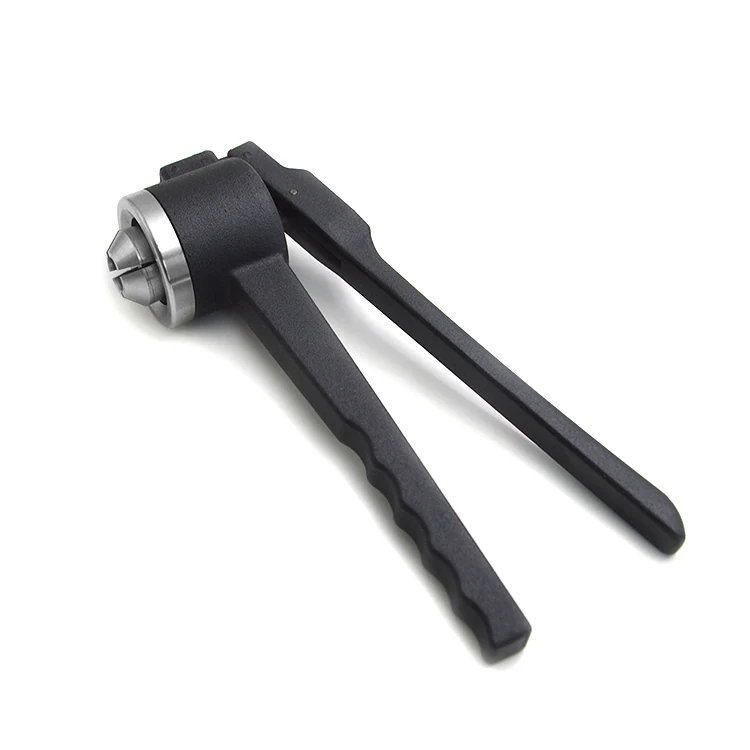
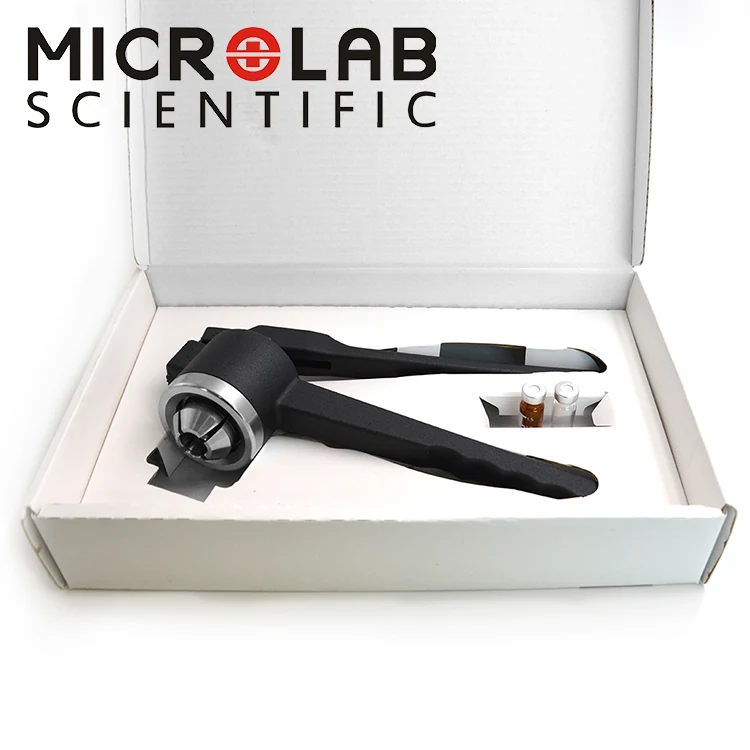
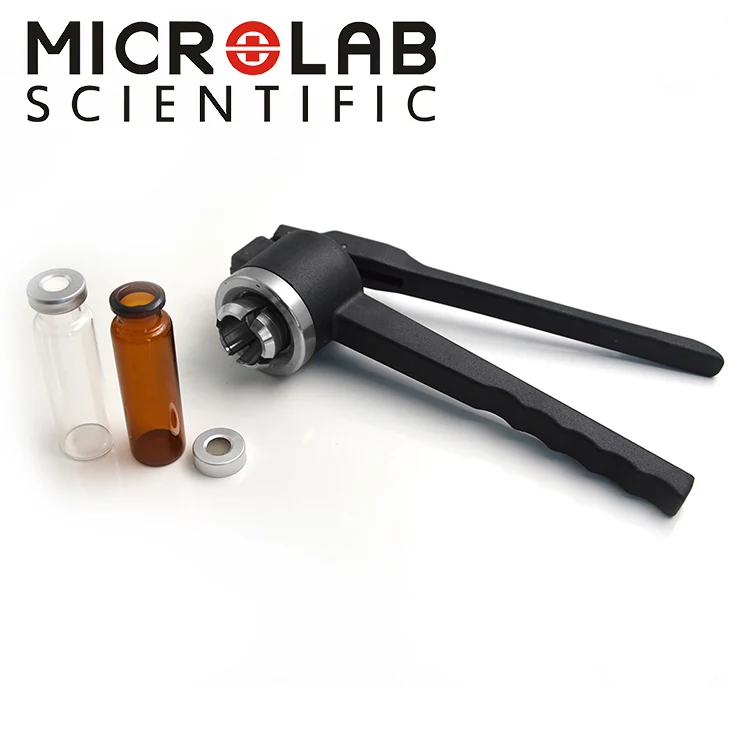
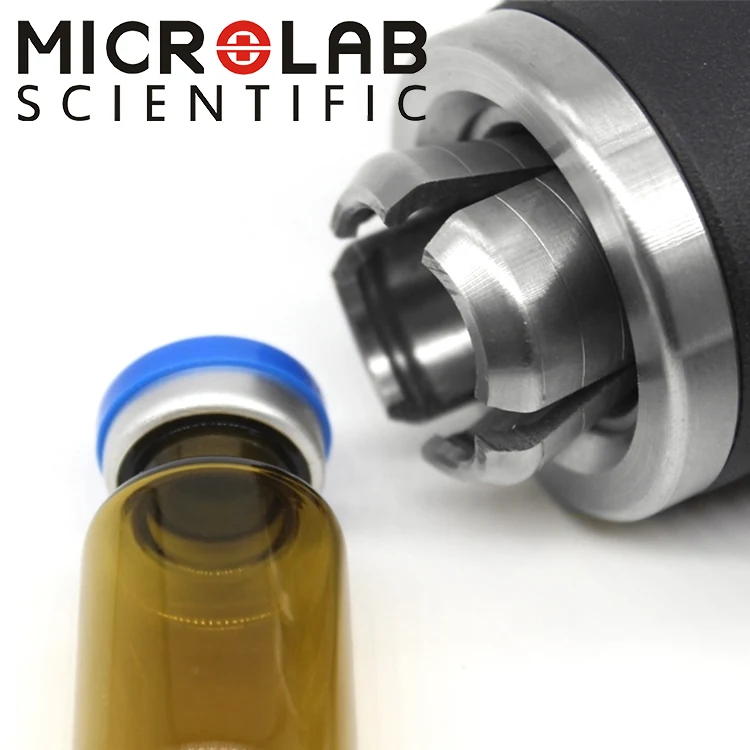
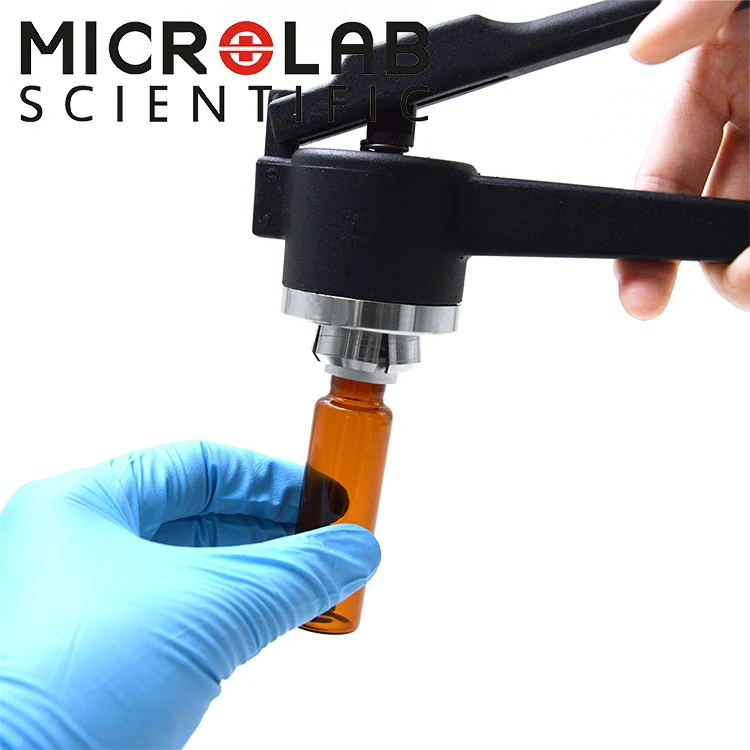
The Crimper and Decrimper are manual tools made from stainless steel for securing and removing aluminium crimp seals on 11 mm and 20 mm HPLC vials. They are used to ensure consistent seal integrity during sample storage and transport, preventing leaks and contamination. The tools are compatible with vials from Agilent, Waters, Varian and Thermo-Fisher brands, supporting standardised workflows in chromatography laboratories.
| Model | CR11, CR20, DCR20 |
|---|---|
| Size | 11 mm, 20 mm |
| Material | Stainless steel |
| Compatibility | Agilent, Waters, Varian, Thermo-Fisher |
| Function | Crimper (CR11, CR20), Decrimper (DCR20) |
| Usage | Aluminium cap crimping and removal |
| Operation | Manual |
| Seal Type | Aluminium crimp seal |
| Vial Diameter | 11 mm, 20 mm |
Stainless steel construction resists wear and maintains shape over repeated use, unlike plastic tools that can deform under pressure
Manual tools are lower cost and require no setup or power, suitable for low-volume or portable lab use
Designed specifically for 11 mm and 20 mm HPLC vials, ensuring correct seal alignment and avoiding vial damage
DCR20 allows safe removal of crimp seals without damaging the vial or cap, reducing waste and risk of contamination
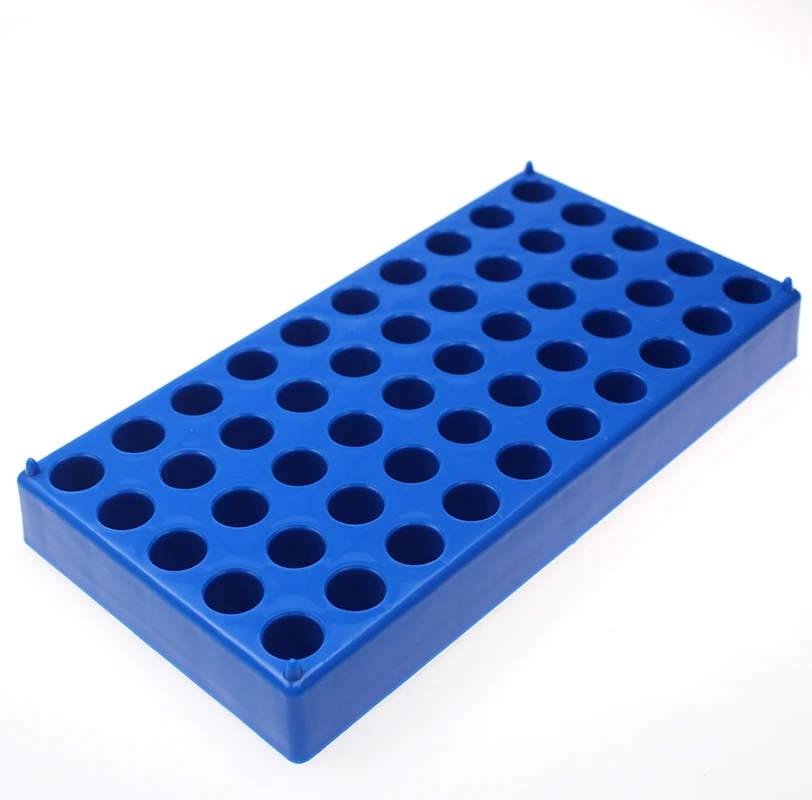
Vials Racks are designed for stable storage, handling, and transportation of HPLC and GC sample vials in analytical…
View Details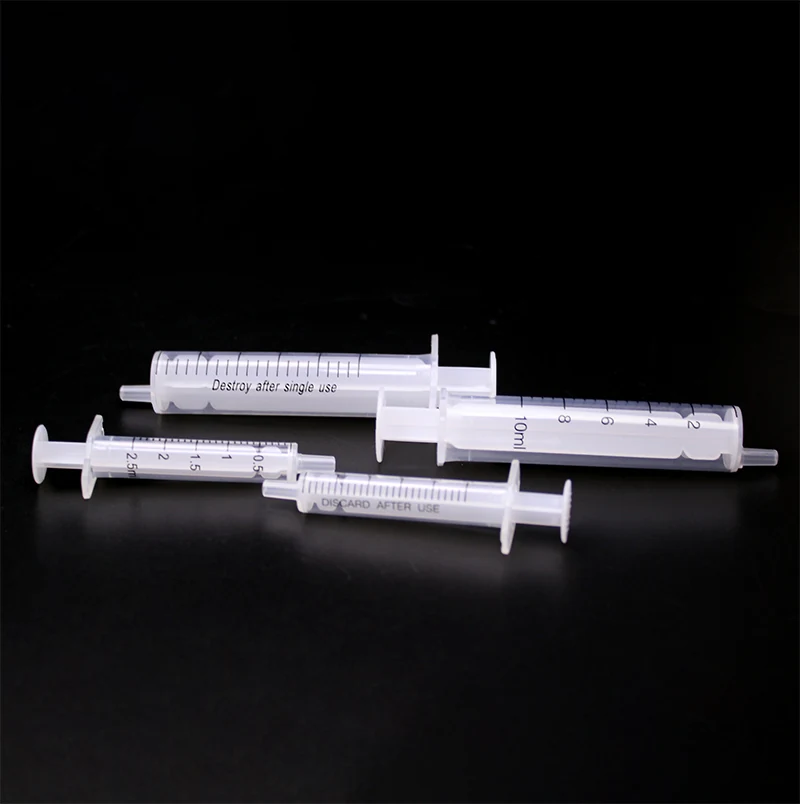
HPLC syringes are disposable laboratory syringes designed for precise sample handling in HPLC, GC, and analytical…
View DetailsUse the CR11 model, which is designed specifically for 11 mm aluminium crimp seals
No. Use the DCR20 model, which is designed for safe removal of 20 mm crimp seals
Yes. The tools are compatible with Agilent, Waters, Varian and Thermo-Fisher vial systems
All tools are made from stainless steel for durability and corrosion resistance
Yes. The Microlab OEM division supports private-label printing and packaging for distributors and OEM partners
Clean with a dry cloth after use. Avoid abrasive cleaners that could damage the surface
Tell us the membrane, pore size, diameter and quantity you need, or describe the sample and we will specify it.