
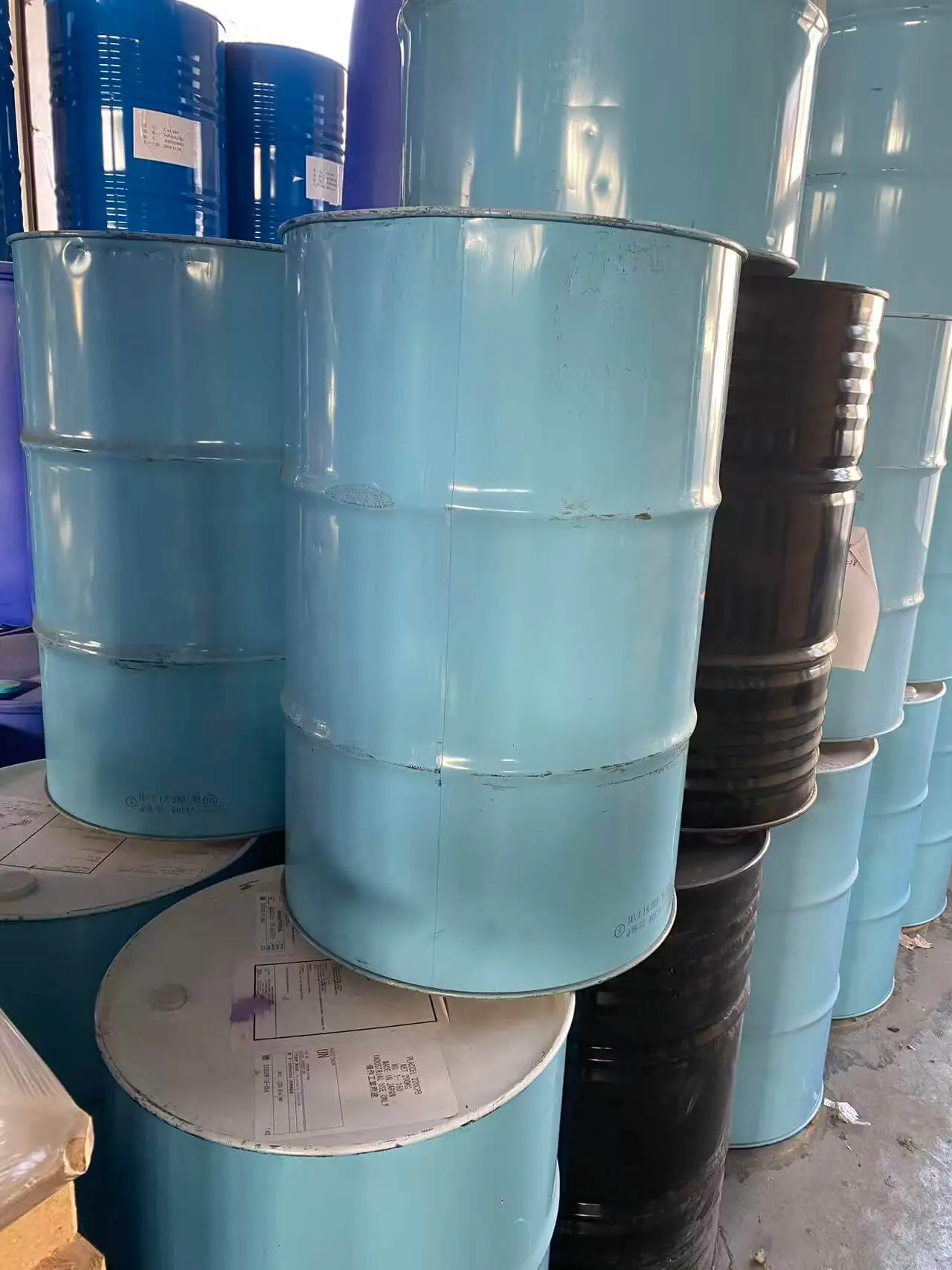
Polycaprolactone Polyol Selection by Molecular Weight
Molecular weight sets flexibility, hydroxyl value sets stoichiometry, and acid value quietly sets service life.
The Three Numbers That Matter
Molecular weight decides how soft the soft segment is. Hydroxyl value decides how much isocyanate it consumes. Acid value decides how well the finished part survives hydrolysis. All three are listed per grade in our table.
The 200 Series Diols
PCL 205 at 530 molecular weight and 207 to 217 mgKOH/g hydroxyl value is the short chain end of the range. PCL 220 at 2000 molecular weight and 53 to 59 mgKOH/g is the general purpose grade. PCL 240 at 4000 and H1P at 10000 sit at the flexible end, supplied as waxy solid and granules respectively.
Acid Value Options
Standard grades are specified at 1.0 mgKOH/g maximum. Low acid value grades such as 210CP, 212CP and 220CPB come in at 0.5 or below, and 220CPT at 0.05 maximum. Where a part sits in warm humid service, that difference is the difference between three years and ten.
Hydrolysis Resistant and Narrow Distribution Grades
205H and 220EB are hydrolysis resistant liquid grades. 210B, 210N, 220N and 230N carry narrow molecular weight distribution, which tightens the mechanical property spread from batch to batch.
Triols Tetrols and Modified Grades
The 300 series triols run from 303 at 300 molecular weight and 530 to 550 mgKOH/g through to 320 at 2000. The 400 series tetrol 410 sits at 1000 molecular weight. The L series modified polyols such as L212AL and L220AL are liquid grades offering solubility stability and elastic recovery.
Physical Form and Handling
Liquid, paste, waxy solid and granular forms are all supplied. Melting points between 20 and 60 degrees C are listed per grade, because a grade that has to be melted changes what equipment you need on the day it arrives.
Products Covered in This Guide
Diols triols tetrols and modified grades from 300 to 10000 molecular weight
View Specifications
High purity BDO at 99.8 percent with matched amine catalysts
View Specifications
Premium aromatic diisocyanate for high dynamic load elastomers
View SpecificationsRelated Reading
Aromatic isocyanates are faster and cheaper. Aliphatic isocyanates keep their colour. This guide sets out which property actually decides the choice.
Read The Guide
Both are aliphatic HDI derivatives and both give light stable coatings. Their crosslink density, viscosity and flexibility are not the same.
Read The Guide
EEW, colour, viscosity and softening point are the four numbers that decide whether a resin grade fits your process.
Read The GuideQuestions About This Guide
Where do the figures in this guide come from?
From the manufacturer grade tables published on our own product pages. Every number quoted here appears on a product page on this site.
Can you help me apply this to my formulation?
Yes. Send us your performance target, processing conditions and the grade you currently use, and we will come back with a recommendation within 24 hours.
Can I get samples of the grades discussed here?
Yes. Samples are free of charge with shipping at your cost, and take about 7 days.
What if my requirement sits between two grades?
That happens often. Ask for both samples and decide on your own line, because pot life and cure behaviour depend on your catalyst, temperature and humidity rather than on a datasheet.
Apply This to Your Own Formulation
Send the constraint and we will name the grade. Samples in about 7 days.