
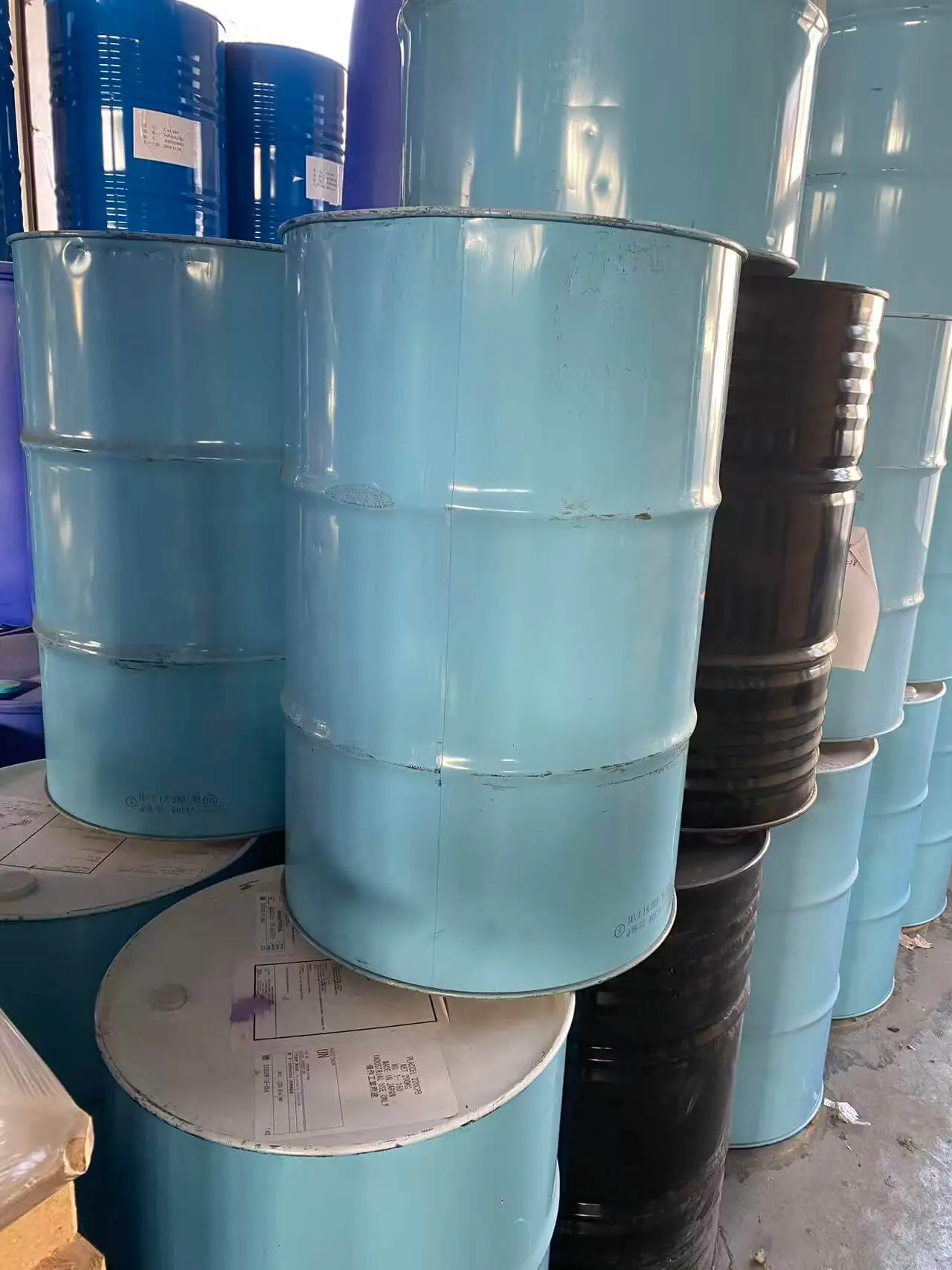
Polycaprolactone Polyol PCL
Diols triols tetrols and modified grades from 300 to 10000 molecular weight
What This Product Is and Who Buys It
Polycaprolactone polyols carry multiple hydroxyl groups and serve as the soft segment in polyurethanes, coatings, adhesives, elastomers and synthetic resins. Thirty four grades are listed here with molecular weight, appearance, acid value, water content, hydroxyl value and melting point.
Key Benefits
- Low acid value and low moisture content, with ultra low acid value grades down to 0.05 mgKOH/g
- Controlled molecular weight distribution, with narrow distribution grades available
- Excellent processing properties across the range
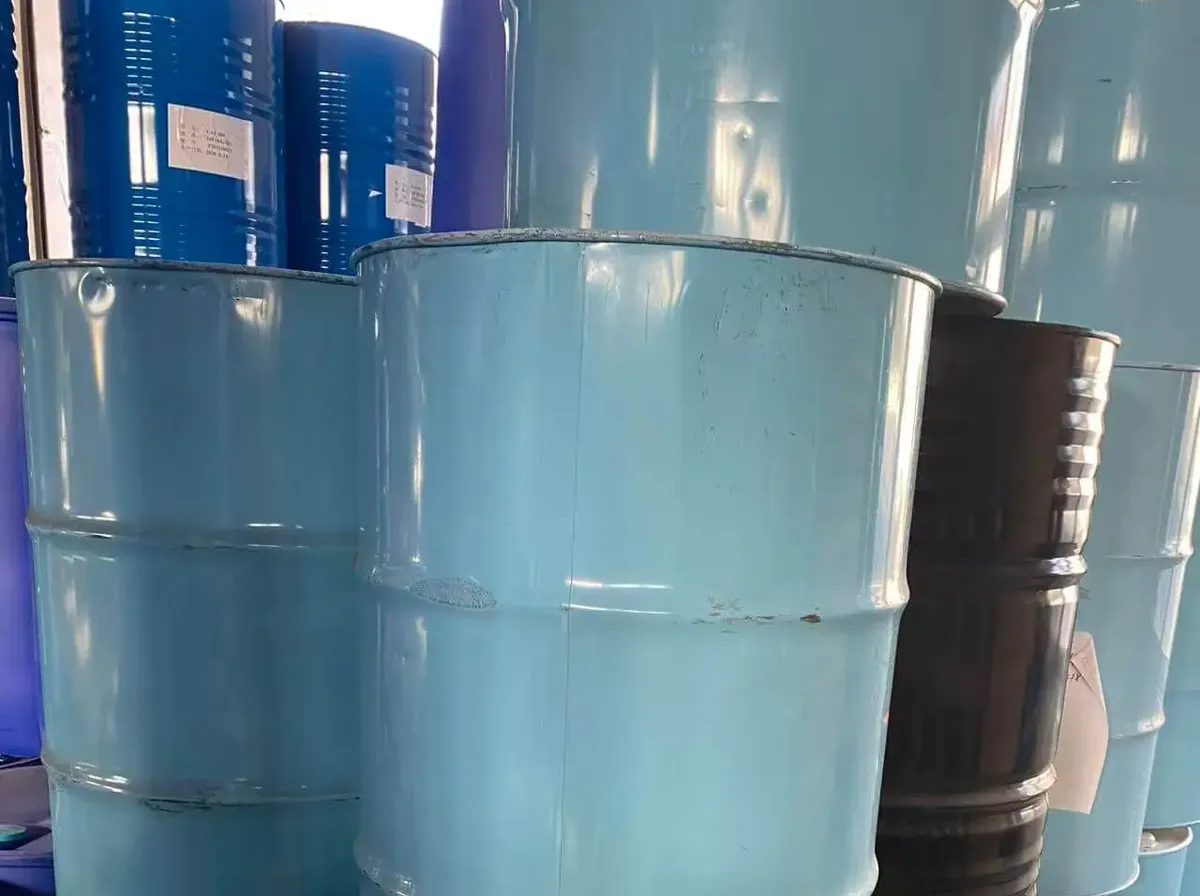
- Available in liquid, paste, waxy solid and granular forms
Where This Material Is Used
Who It Is For
- Cast elastomer and roller producers
- TPU and synthetic leather manufacturers
- Polyurethane coating and adhesive formulators
- Casting and potting system developers
Problems It Solves
- Hydrolysis shortening the service life of parts used in warm humid conditions
- Batch to batch mechanical property spread caused by wide molecular weight distribution
- Crystallinity in the drum making dosing unpredictable
Technical Features
- 200 series diols from 205 at 530 molecular weight to H1P at 10000
- 300 series triols from 303 at 300 to 320 at 2000 molecular weight
- 400 series tetrol 410 at 1000 molecular weight
- L series modified liquid polyols L205AL, L212AL, L220AL and L320AL
Specifications
These figures are the manufacturer grade data as published for this product family. Anything not listed below has not been confirmed and is marked TBC on request rather than estimated.
| Series | Grade | Molecular Weight | Features | Appearance | Acid Value (mgKOH/g) | Water (%) | OH Value (mgKOH/g) | Melting Point (°C) |
|---|---|---|---|---|---|---|---|---|
| 200 Series Diols | 205 | 530 | — | Paste | ≤1.0 | ≤0.05 | 207–217 | N/A |
| 205H | 530 | Hydrolysis resistant | Liquid | ≤1.0 | ≤0.05 | 207–217 | N/A | |
| 205U | 530 | Low acid value, low viscosity | Liquid | ≤0.5 | ≤0.05 | 207–217 | N/A | |
| 208 | 830 | — | Waxy solid | ≤1.0 | ≤0.05 | 130–140 | 35–45 | |
| 210 | 1000 | — | Waxy solid | ≤1.0 | ≤0.10 | 109–119 | 46–48 | |
| 210B | 1000 | Narrow MW distribution | Waxy solid | ≤0.5 | ≤0.05 | 107–113 | N/A | |
| 210CP | 1000 | Low acid value | Paste | ≤0.5 | ≤0.03 | 107–117 | 31–33 | |
| 210N | 1000 | Narrow MW distribution | Waxy solid | ≤1.0 | ≤0.05 | 107–117 | 32–37 | |
| 212 | 1250 | — | Waxy solid | ≤1.0 | ≤0.05 | 86–94 | 40–52 | |
| 212CP | 1250 | Low acid value | Waxy solid | ≤0.4 | ≤0.02 | 89–91 | 37–40 | |
| 220 | 2000 | — | Waxy solid | ≤1.0 | ≤0.05 | 53–59 | 45–55 | |
| 220CPB | 2000 | Low acid value | Waxy solid | ≤0.5 | ≤0.05 | 53–59 | 40–50 | |
| 220CPT | 2000 | Ultra-low acid value | Waxy solid | ≤0.05 | ≤0.02 | 53–59 | N/A | |
| 220EB | 2000 | Hydrolysis resistant | Liquid | ≤1.0 | ≤0.05 | 53–59 | N/A | |
| 220N | 2000 | Narrow MW distribution | Waxy solid | ≤1.0 | ≤0.05 | 53–59 | 48–51 | |
| 220NP1 | 2000 | Low crystallinity | Waxy solid | ≤1.0 | ≤0.05 | 53–59 | 33–44 | |
| 220UA | 2000 | — | Waxy solid | ≤1.0 | ≤0.05 | 53–59 | N/A | |
| 230 | 3000 | — | Waxy solid | ≤1.0 | ≤0.05 | 36–39 | 55–58 | |
| 230CP | 3000 | — | Waxy solid | ≤1.0 | ≤0.30 | 34–41 | 55–58 | |
| 230N | 3000 | Narrow MW distribution | Waxy solid | ≤1.0 | ≤0.05 | 36–39 | 52–54 | |
| 240 | 4000 | — | Waxy solid | ≤1.0 | ≤0.05 | 26–31 | 48–58 | |
| 240CP | 4000 | — | Waxy solid | ≤1.0 | ≤0.30 | 24–32 | 57–60 | |
| H1P | 10000 | — | Granules | ≤3.0 | N/A | 9–16 | 60 | |
| 300 Series Triols | 303 | 300 | — | Liquid | ≤1.5 | ≤0.05 | 530–550 | N/A |
| 305 | 550 | — | Liquid | ≤1.0 | ≤0.05 | 300–310 | N/A | |
| 308 | 850 | — | Liquid | ≤1.5 | ≤0.05 | 190–200 | 20–30 | |
| 309 | 950 | — | Liquid | ≤1.0 | ≤0.05 | 182–192 | N/A | |
| 312 | 1250 | — | Waxy solid | ≤1.0 | ≤0.05 | 130–140 | 33–37 | |
| 320 | 2000 | — | Waxy solid | ≤1.0 | ≤0.05 | 81–87 | 40–45 | |
| 400 Series Tetrols | 410 | 1000 | — | Liquid | ≤1.0 | ≤0.05 | 216–232 | N/A |
| L Series Modified Polyols | L205AL | 500 | — | Liquid | ≤1.0 | ≤0.05 | 219–229 | N/A |
| L212AL | 1250 | Excellent solubility stability | Liquid | ≤1.0 | ≤0.10 | 87–93 | N/A | |
| L220AL | 2000 | Excellent elastic recovery | Liquid | ≤1.0 | ≤0.05 | 53–59 | N/A | |
| L320AL | 2000 | — | Liquid | ≤1.0 | ≤0.10 | 79–89 | N/A |
Grades listed are representative and not exhaustive. Ask for the batch certificate of analysis on the grade you intend to buy.
Packaging Storage and Shelf Life
- Physical Forms
- Liquid, paste, waxy solid and granular
- Melting Points
- Listed per grade, from around 20 to 60°C on solid grades
- Storage
- Sealed containers, dry conditions; water content specifications are tight so moisture ingress matters
- Packaging
- Contact us for the drum format available on the grade you select
How to Work With This Product
- Select molecular weight first, since it sets soft segment flexibility
- Use the hydroxyl value to calculate isocyanate stoichiometry
- Where the part will see warm humid service, specify a low acid value or hydrolysis resistant grade
- Check the melting point before ordering, because waxy solid and granular grades need melting equipment
- For tight batch to batch consistency choose a narrow distribution grade such as 210B, 210N, 220N or 230N
How It Compares
Within the Polyether Polyol category this product is positioned by the numbers in the table above rather than by a marketing claim. Compare NCO content, viscosity, equivalent weight or hydroxyl value against the alternative you are considering, and if the two are close, ask us for both samples and decide on your own line.
Quality and Documentation
Quality control runs across incoming raw materials, production and finished product inspection. A batch certificate of analysis is supplied with every shipment. We are a supply and trading company working with named manufacturers and OEM partners, so certification held by the producing plant is provided on request per grade rather than claimed here as ours.
Customisation
Customised grades and packing formats are available through our OEM partners and specialised manufacturing facilities. Tell us the property you need to move and we will say whether it is a grade change, a packaging change or not possible.

Where This Product Fits In A Wider System
PCL Polyol Questions
Which is the general purpose grade?
PCL 220 at 2000 molecular weight, 53 to 59 mgKOH/g hydroxyl value, acid value 1.0 maximum and a melting point of 45 to 55 degrees C. It is supplied as a waxy solid.
Which grades are hydrolysis resistant?
205H at 530 molecular weight and 220EB at 2000 are both listed as hydrolysis resistant liquid grades.
What is the lowest acid value available?
220CPT at 2000 molecular weight, with acid value 0.05 mgKOH/g maximum and water content 0.02 percent maximum.
Do you have liquid grades at 2000 molecular weight?
Yes. 220EB is a hydrolysis resistant liquid, and the L series grades L220AL and L320AL are liquid at 2000 molecular weight with good elastic recovery and solubility stability.
What is H1P used for?
H1P is the 10000 molecular weight grade supplied as granules, with hydroxyl value 9 to 16 mgKOH/g and a melting point around 60 degrees C, at the most flexible end of the range.
Products Often Bought Alongside This One
High purity BDO at 99.8 percent with matched amine catalysts
View Specifications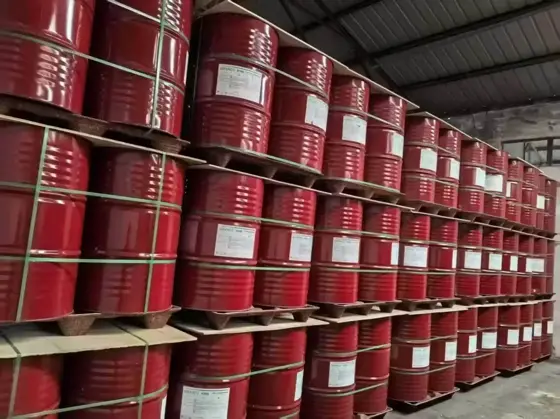
Premium aromatic diisocyanate for high dynamic load elastomers
View Specifications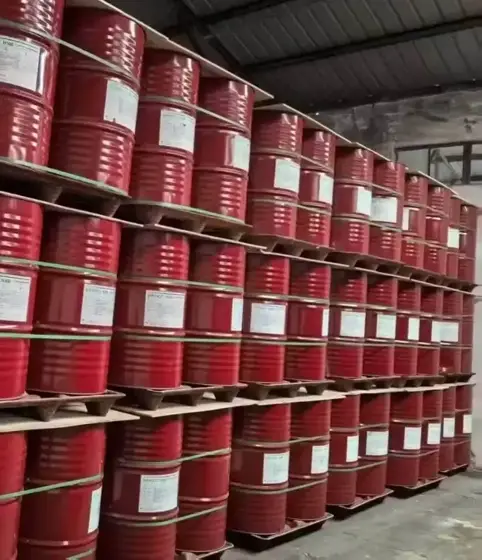
The rigid foam and elastomer workhorse supplied as 4,4'-MDI
View Specifications
Biuret and isocyanurate grades for light stable 2K polyurethane coatings
View SpecificationsRequest a Quote or a Sample of PCL Polyol
Samples take about 7 days and are free of charge with shipping at your cost. Production orders ship 20-30 days after the deposit is received.