
Engine Parts
Throttle Body
The throttle body controls how much air reaches the engine, and on modern vehicles it does so electronically, in conversation with the engine management system.
Overview
Throttle Body
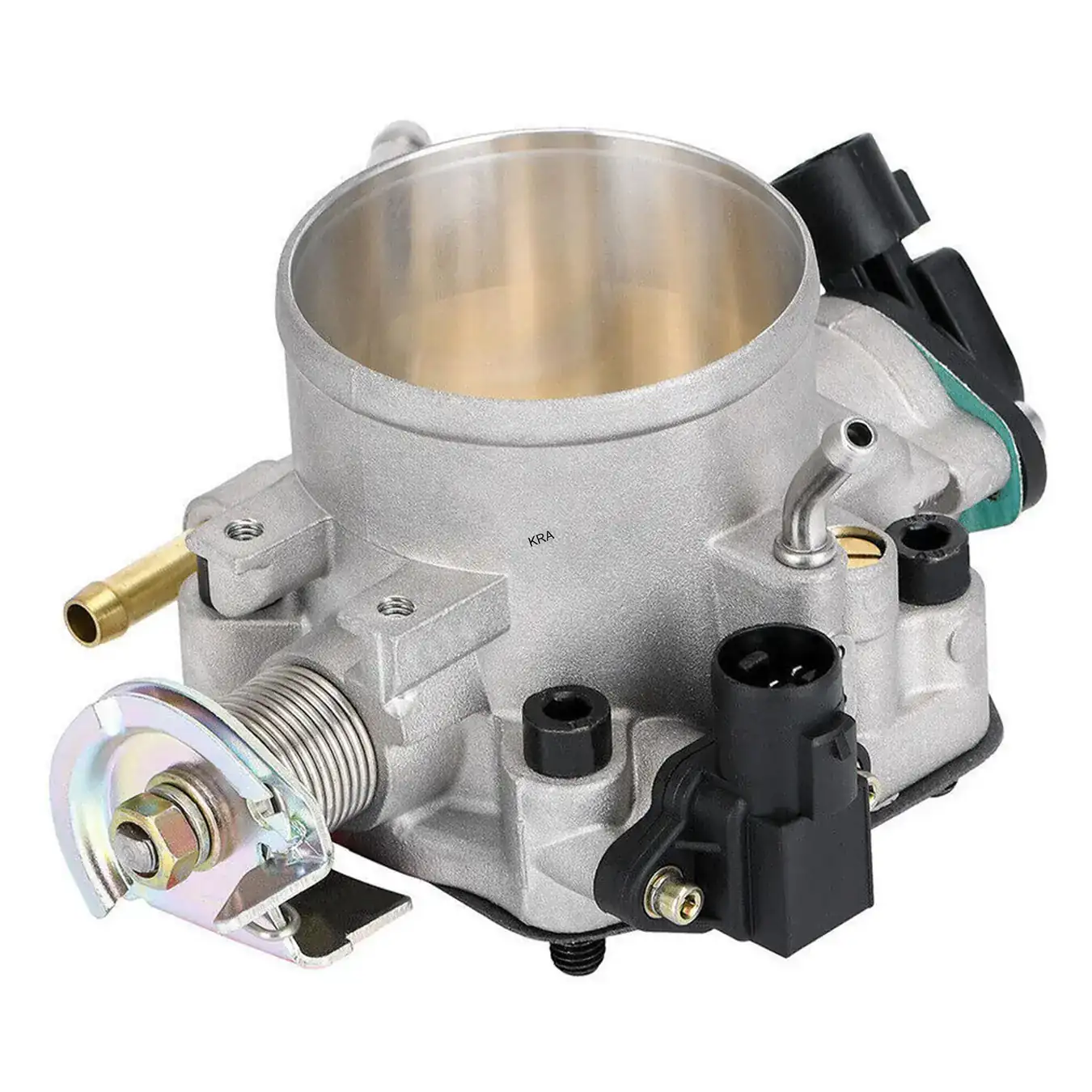
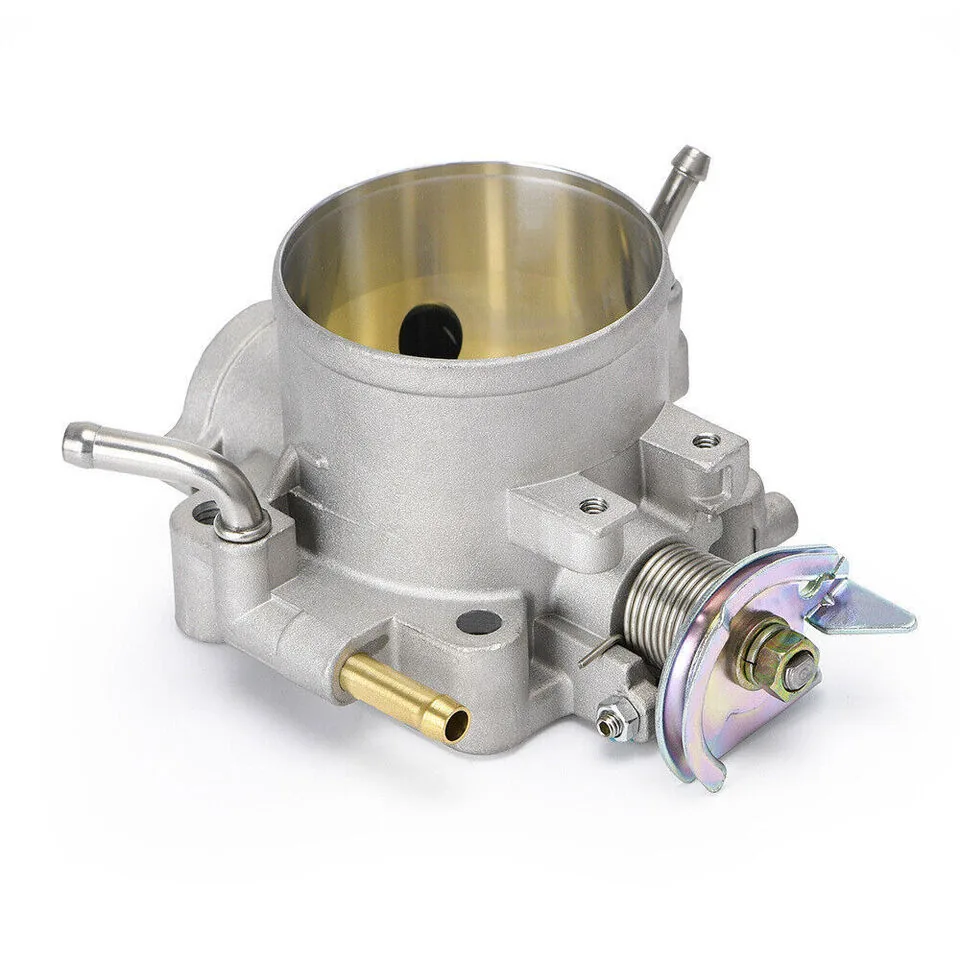
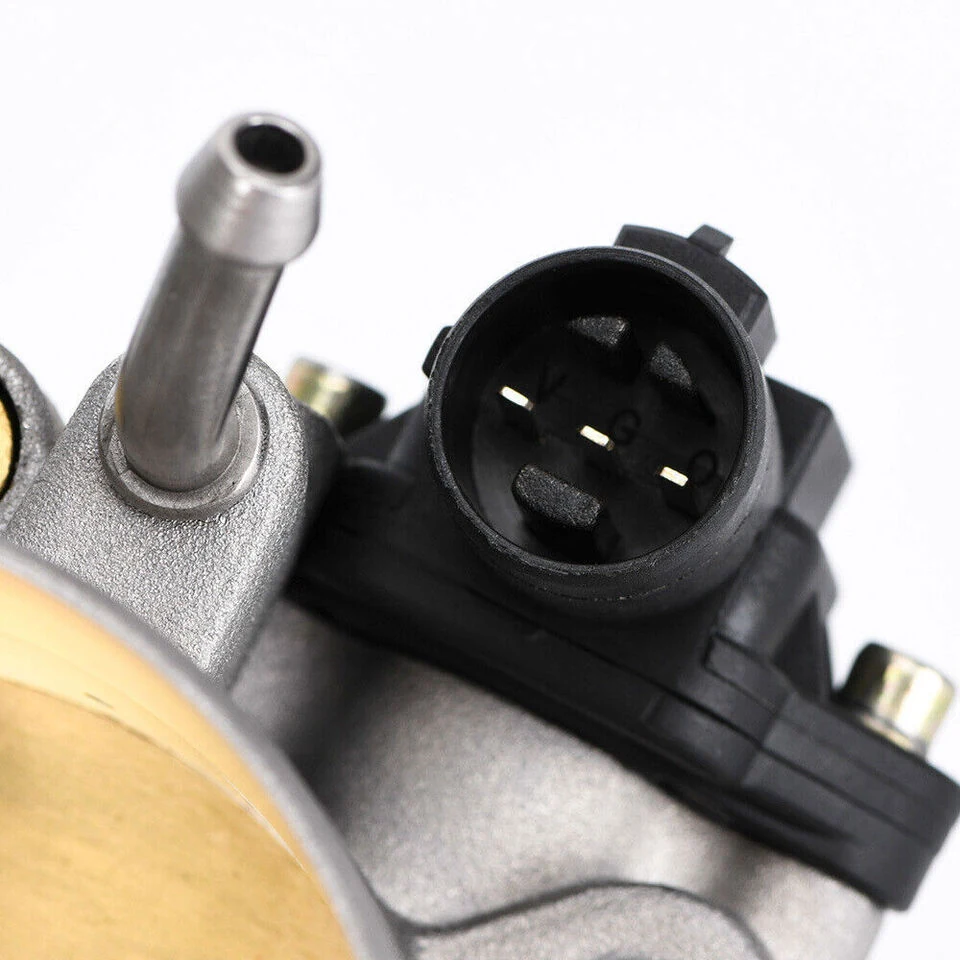
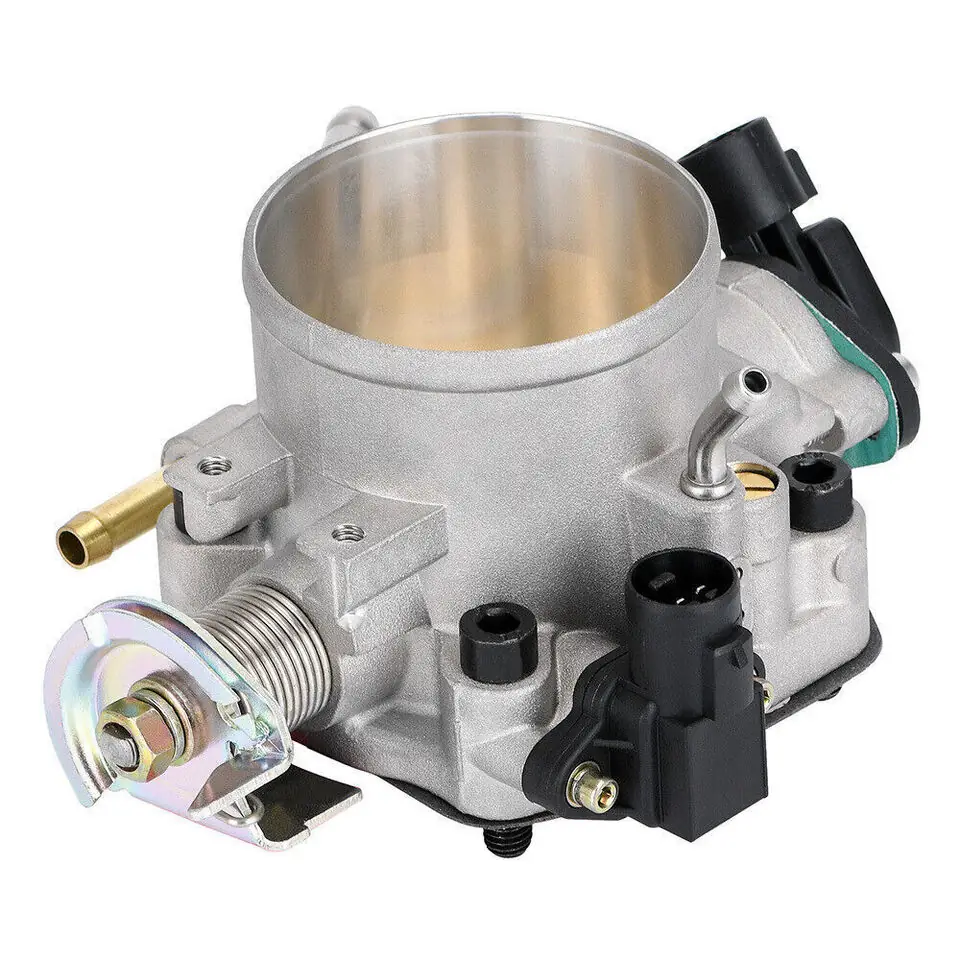
The throttle body controls how much air reaches the engine, and on modern vehicles it does so electronically, in conversation with the engine management system. When it is dirty or the position sensor drifts, the customer reports rough idling, stalling and hesitation off the line. We supply electronic and cable operated throttle bodies matched by OE number, with the sensor and connector specified to the original application.
Key Benefits
- Electronic throttle bodies supplied with the correct position sensor and connector, not a generic housing
- Aluminium bodies where the original is aluminium, composite where the original saves weight
- Matched by OE number so the bore, the flange and the mounting pattern all agree
- Covers passenger, performance and commercial applications from one range
- 1 piece minimum order for a trial fit before a reference is stocked
Who It Is For
- Engine management parts distributors
- Workshops diagnosing idle and drivability faults
- Exporters combining throttle bodies with pulleys and timing chain kits
- Buyers matching Bosch, Hitachi or OE references
Problems It Solves
- A dirty throttle body that causes rough idling, stalling and poor acceleration
- A faulty throttle position sensor giving inconsistent engine performance and a check engine light
- Throttle lag from an electronic throttle control fault
- Aftermarket units whose connector does not match the vehicle loom
Application Scenarios
- Rough idle and stalling traced to carbon build-up or a failed throttle position sensor
- Check engine light with throttle position codes that cleaning does not clear
- Throttle lag complaints on electronically controlled throttles
- Distributor stock for common Ford, Nissan and Toyota engine families
Engineering
Technical Features
- Electronic throttle control provides more precise control and integrates with other engine management systems
- Throttle position sensor specified to the original application and checked before packing
- Aluminium body, commonly used for throttle bodies for its light weight and durability
- Plastic or composite construction where the original uses it for reduced weight and cost
Materials
- Aluminium, commonly used for throttle bodies due to its light weight and durability
- Plastic or composite materials, used in some modern throttle bodies for reduced weight and cost
At a glance
| Control type | Electronic, and cable operated where the application uses it |
|---|---|
| Materials | Aluminium, plastic or composite as per application |
| Matched by | OE number and supplier cross reference |
| Minimum order | 1 piece |
| Lead time, regular items | 45 days |
| Bore diameter | Quoted per OE reference, TBC until the number is confirmed |
Values not present in the source part record are marked TBC and confirmed against your OE number before the order is placed.
Manufacturing
How It Is Made and Checked
Casting and machining of the bore and flange
Fitting of the throttle plate, motor and position sensor
Functional and electrical check
Packing
Quality Control
Each unit is checked for plate movement and sensor output before packing. The company runs to ISO 9001 and IATF 16949 quality management systems.
Customisation Options
Throttle bodies can be developed against an OE sample. Newly developed items run 30 to 45 days.
Comparison
A cable operated throttle is simple and cheap to replace, but it only opens the plate. An electronic throttle body lets the engine management system control airflow independently of the pedal, which improves fuel efficiency and emissions and allows traction and cruise systems to intervene. The two are not interchangeable: fit what the vehicle was built with.
Use Guide
Step 1
Confirm the OE number, and any Bosch or Hitachi cross reference printed on the old unit
Step 2
Fit the new throttle body with a new gasket and torque the flange bolts evenly
Step 3
Connect the sensor plug and check it latches
Step 4
Carry out the throttle relearn or idle adaptation procedure the vehicle requires
Step 5
Clean the throttle body at service intervals to keep carbon build-up from affecting idle
Component reference
How a Throttle Body Works
The throttle is a crucial component in an internal combustion engine that regulates the engine's power and speed by controlling the amount of air and fuel mixture entering the combustion chamber. It plays a vital role in the vehicle's acceleration and overall performance .
Key Characteristics of a Throttle:
- Functionality: The throttle controls the engine's air intake by adjusting the opening of the throttle valve. It influences the amount of air that mixes with fuel for combustion, directly affecting engine speed and power output. In modern vehicles, it also communicates with the engine control unit (ECU) to optimize fuel delivery and combustion efficiency.
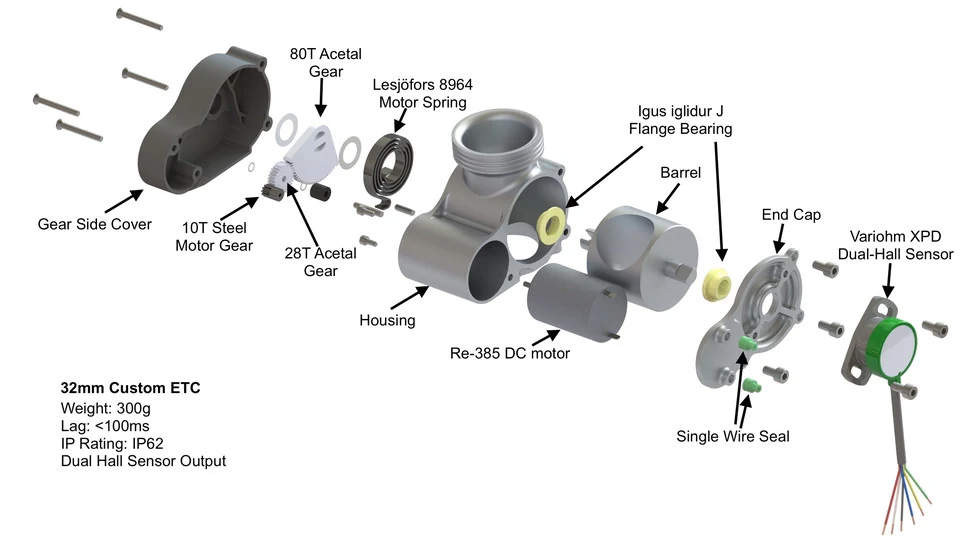
- Components: Throttle Body: The housing that contains the throttle valve. It is usually mounted on the intake manifold. Throttle Valve (Butterfly Valve): A rotating disc or plate that opens and closes to regulate airflow into the engine. Throttle Position Sensor (TPS): A sensor that monitors the position of the throttle valve and sends this information to the ECU. Throttle Cable or Electronic Throttle Control (ETC): Links the accelerator pedal to the throttle body. In older vehicles, a cable mechanically connects the pedal to the throttle. In modern vehicles, ETC uses electronic signals.
- Types of Throttles: Mechanical Throttle: Uses a cable or linkage to connect the accelerator pedal directly to the throttle body. Electronic Throttle Control (ETC): Also known as drive-by-wire, uses sensors and actuators to control the throttle electronically, providing more precise control and integration with other engine management systems.
- Materials: Aluminum: Commonly used for throttle bodies due to its light weight and durability. Plastic or Composite Materials: Used in some modern throttle bodies for reduced weight and cost.
- Applications: Passenger Vehicles: Found in all types of cars, trucks, and SUVs. Performance Vehicles: High-performance throttles designed for enhanced airflow and response. Commercial Vehicles: Used in trucks, buses, and other heavy-duty vehicles.
- Advantages: Control: Provides precise control over engine power and speed. Efficiency: Modern electronic throttles enhance fuel efficiency and reduce emissions. Integration: Can be integrated with other vehicle systems for improved overall performance and safety.
- Maintenance: Regular cleaning of the throttle body to remove carbon buildup that can affect performance. Inspection of the throttle position sensor for proper operation. Ensuring the throttle cable (if applicable) is in good condition and properly adjusted.
- Common Issues: Dirty Throttle Body: Can cause rough idling, stalling, and poor acceleration. Faulty Throttle Position Sensor: Can result in inconsistent engine performance and trigger the check engine light. Throttle Lag: Delay in throttle response, often due to issues with the electronic throttle control system.
Related products
Often Ordered Together
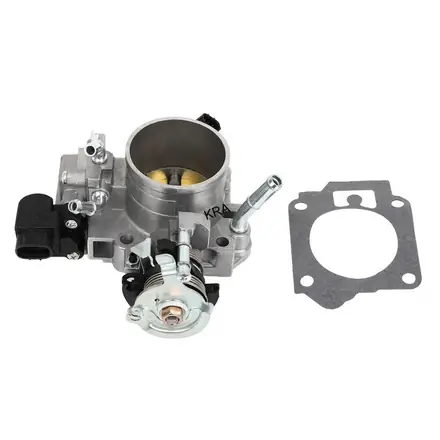
Nissan Throttle Body 16119-AE013
This is the throttle body for the Nissan 2.5 litre QR25DE family, covering Altima, Sentra and X-Trail between 2001…
Ford Throttle Body CM5E-9F991-AD
This throttle body covers the Ford Focus III 1.6 petrol range and the Kuga II 2.0 TDCi, and it is the reference to…
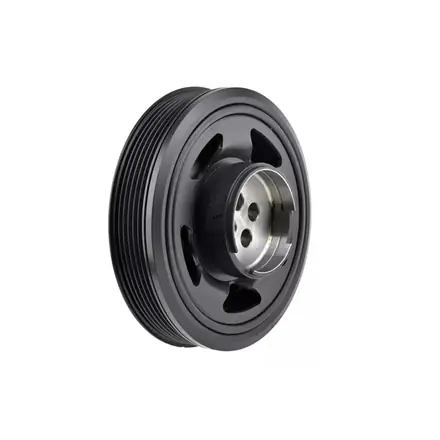
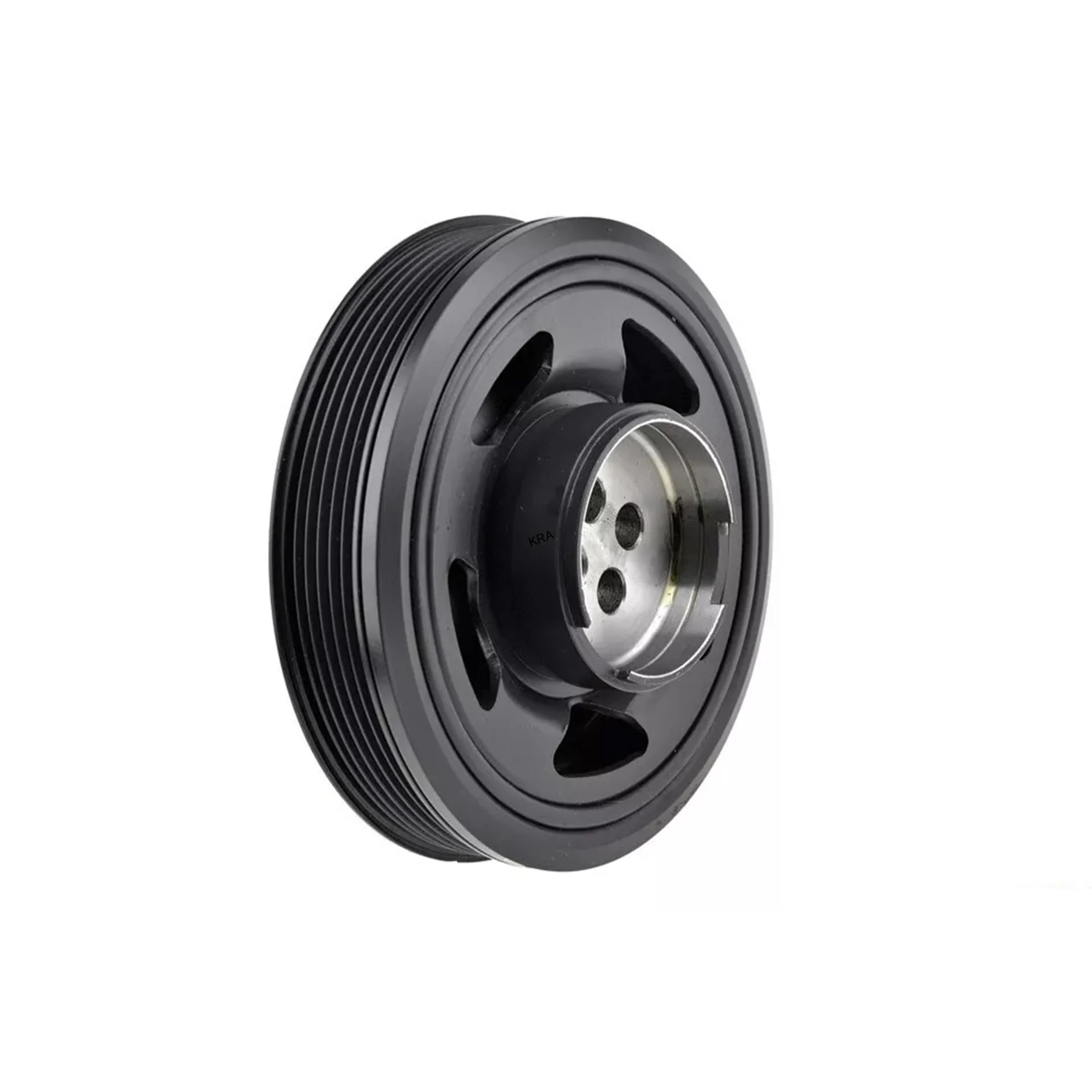
Crankshaft Pulley
The crankshaft pulley sits at the front of the engine and drives the accessory belt that turns the alternator, the…
FAQ
Throttle Body FAQ
Do I need to reset anything after fitting a throttle body?
Most electronically controlled vehicles need a throttle relearn or idle adaptation after replacement. Follow the procedure in the vehicle service data.
Can you match a Bosch or Hitachi number?
Yes. Send the supplier reference and we check it against the OE numbers we hold.
Is the throttle position sensor included?
Yes on electronic units, specified to the application. Confirm the reference in the quotation.
Would cleaning fix my fault instead of replacing the unit?
Carbon build-up causes rough idling and stalling and often cleans off. A drifting or dead position sensor does not, and that is when the unit is replaced.
What is the minimum order?
One piece.
How long is the lead time?
45 days for regular items and 30 to 45 days for newly developed references.
Next step
Confirm the Fit Before You Order
Send the OE number and the vehicle. We return the interchange references and the applications that number covers, and quote against them.
+86 159 9582 0129
[email protected]
Monday to Friday 08:30-18:00 China Standard Time (GMT+8)