
Brake Parts
Brake Caliper
A brake caliper turns hydraulic pressure from the master cylinder into clamping force on the rotor.
Overview
Brake Caliper
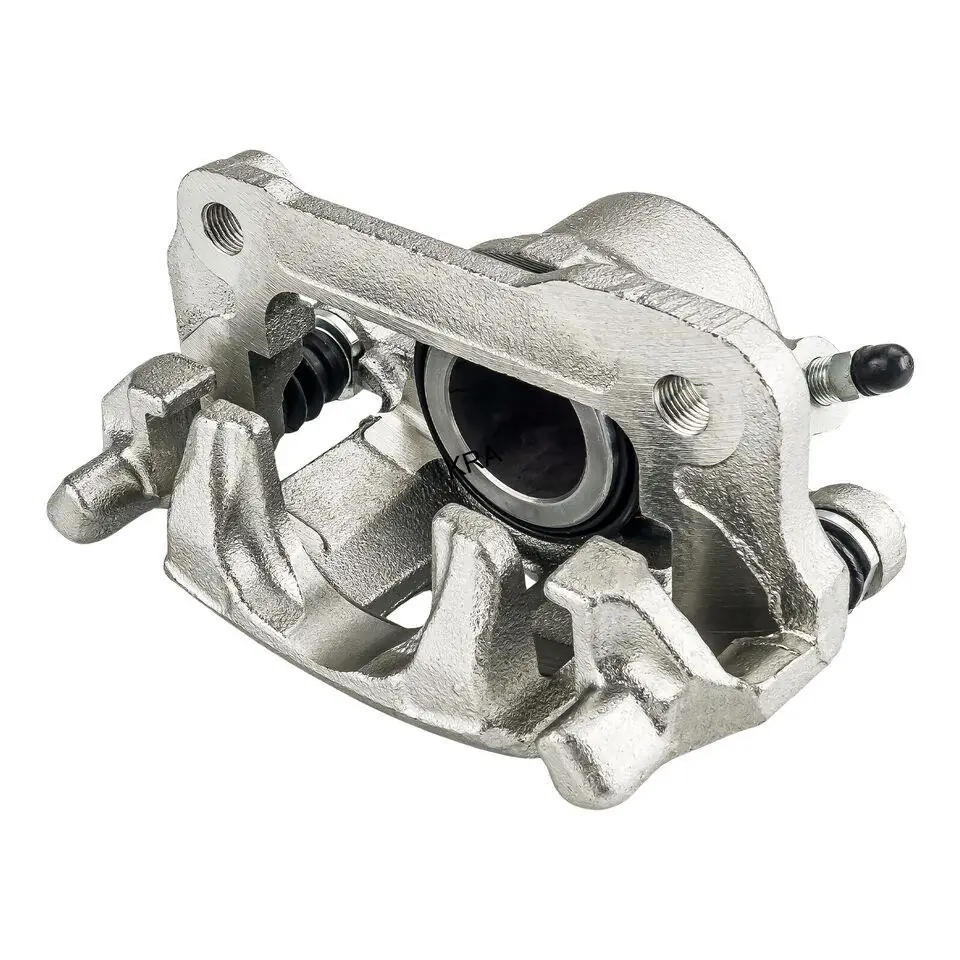
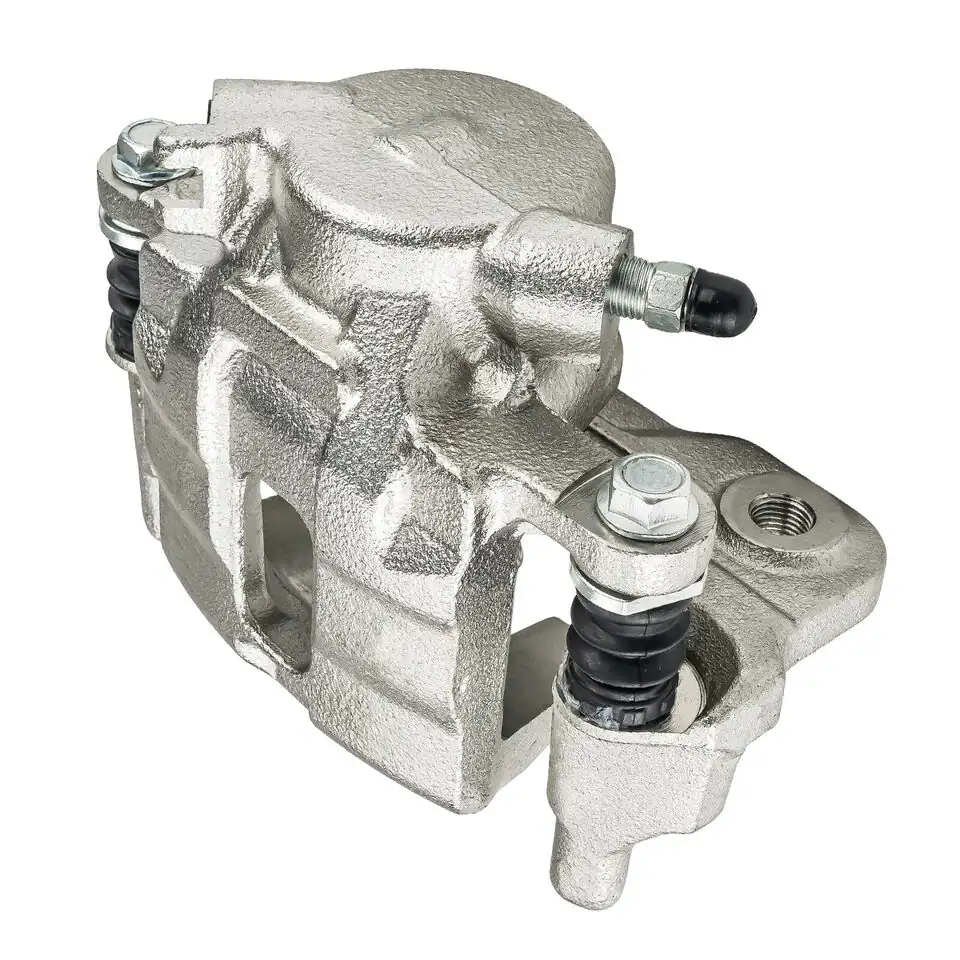
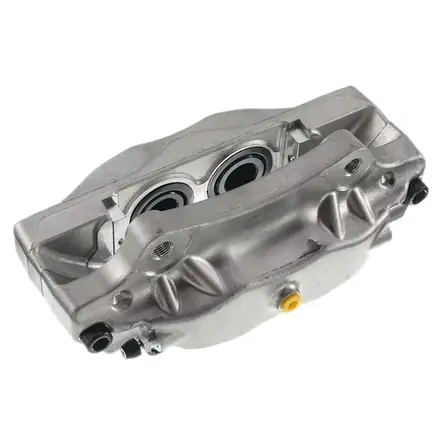
A brake caliper turns hydraulic pressure from the master cylinder into clamping force on the rotor. It carries the pads and the pistons, and when it stops sliding freely the pads drag, the rotor overheats and the customer comes back. We supply floating and fixed calipers by OE number so the bore count, the bracket geometry and the bleed port all match what came off the car.
Key Benefits
- Quoted against the OE number you send, so the piston count and bracket pattern are confirmed before the order is placed
- Cast iron and aluminium bodies to suit the original application rather than one universal casting
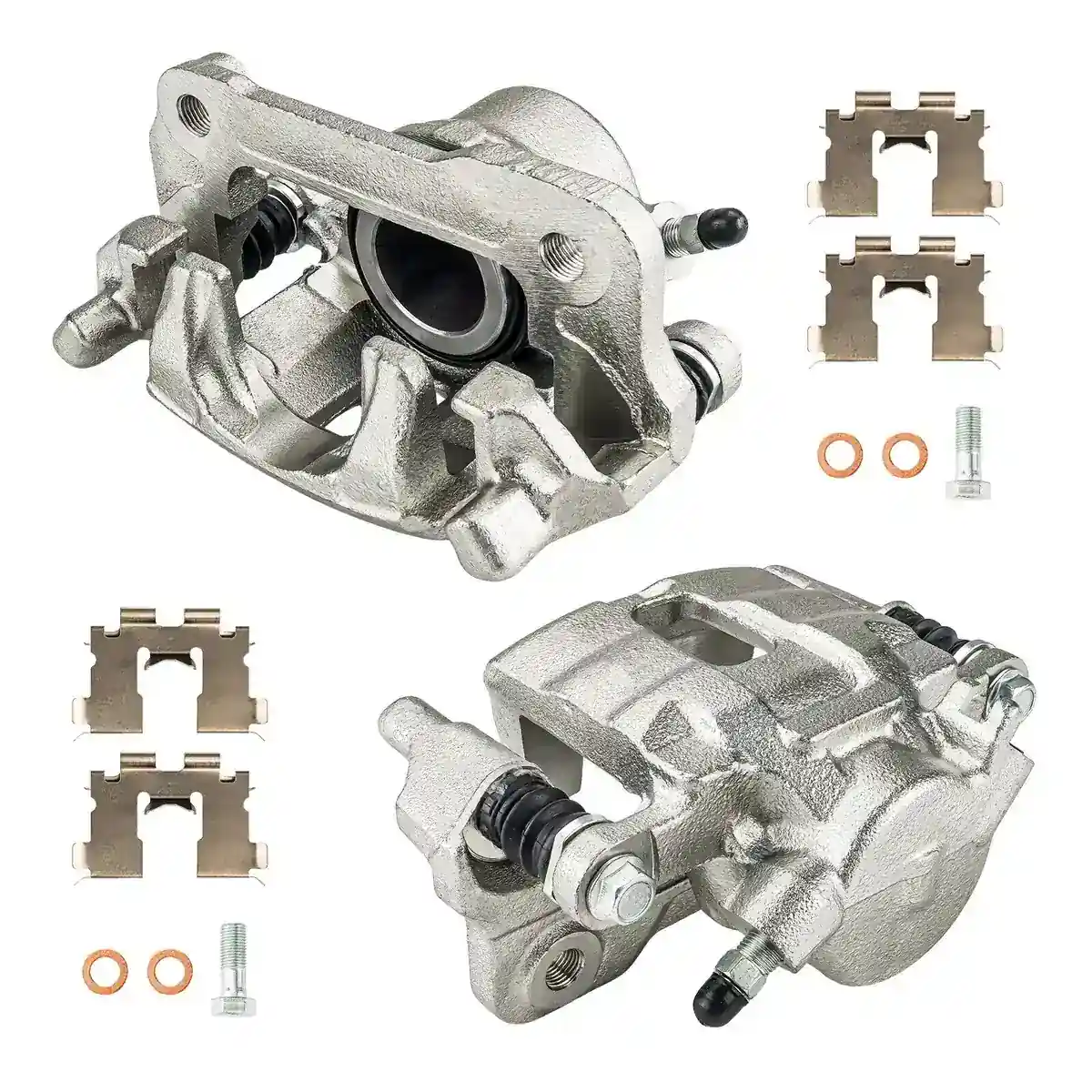
- Supplied with the pads and fitting hardware shown in the product photo so the box is complete at the bench
- 1 piece minimum order lets a workshop trial a reference before a distributor stocks it
- Ships alongside pulleys, knuckles and hub units on the same order and packing list
Who It Is For
- Auto parts distributors building a braking range
- Independent repair chains that fit calipers as a complete unit
- Exporters consolidating brake parts with engine and suspension parts
- Fleet workshops replacing calipers axle by axle
Problems It Solves
- Sticking calipers that keep the pads against the rotor and cook the friction material
- Worn pads left in service long enough to score the rotor and cut braking effectiveness
- Aftermarket calipers whose bracket does not line up with the original carrier
- Sourcing a single caliper reference from a supplier with a pallet-sized minimum order
Application Scenarios
- Brake overhaul on high mileage passenger cars where the original caliper has seized
- Workshop repair jobs where a sticking caliper has already ruined one set of pads
- Distributor shelf stock for common European and Asian platforms
- Fleet servicing where a stuck caliper causes uneven pad wear across an axle
Engineering
Technical Features
- Floating or sliding design with a single piston that moves in and out relative to the rotor, the common arrangement on everyday vehicles
- Fixed design with pistons on both sides of the rotor and no caliper movement, used where higher and more even clamping force is needed
- Caliper body houses the pads and pistons and receives brake fluid from the master cylinder
- Bleed screw, piston seals and dust boots specified to the original application
Materials
- Cast iron for standard duty caliper bodies
- Aluminium where the original part is aluminium
At a glance
| Caliper types supplied | Floating / sliding and fixed |
|---|---|
| Body materials | Cast iron, aluminium |
| Matched by | OE number |
| Minimum order | 1 piece |
| Lead time, regular items | 45 days |
| Piston diameter and count | Quoted per OE reference, TBC until the number is confirmed |
Values not present in the source part record are marked TBC and confirmed against your OE number before the order is placed.
Manufacturing
How It Is Made and Checked
Machining of the bore and slide surfaces
Assembly of pistons, seals and dust boots
Pressure and leak check before packing
Quality Control
Every rotating and pressure carrying part goes through inspection before packing. Calipers are checked for bore finish and for free movement of the piston, and the company runs to ISO 9001 and IATF 16949 quality management systems.
Customisation Options
Packaging, labelling and carton marking can follow your own scheme. If you need a caliper that is not in the current range, the development programme adds 80 to 100 new varieties a year and a newly developed item runs 30 to 45 days.
Comparison
A floating caliper uses one piston and slides on its carrier, which keeps the part simple and the price low, and it is what most passenger cars leave the factory with. A fixed caliper puts pistons on both sides of the rotor and does not move, which spreads clamping force more evenly but costs more and needs more space in the wheel. Fit what the vehicle originally had unless the customer is deliberately upgrading.
Use Guide
Step 1
Confirm the OE number stamped on the old caliper or taken from the vehicle catalogue
Step 2
Check that the new caliper carries the same piston count and bracket pattern
Step 3
Fit the caliper, connect the hose with a new washer and torque the bracket bolts to the vehicle specification
Step 4
Bleed the circuit until the pedal is firm and no air comes out of the bleed screw
Step 5
Bed the pads in with a series of moderate stops before returning the vehicle
Component reference
How a Brake Caliper Works
Brake Caliper Description
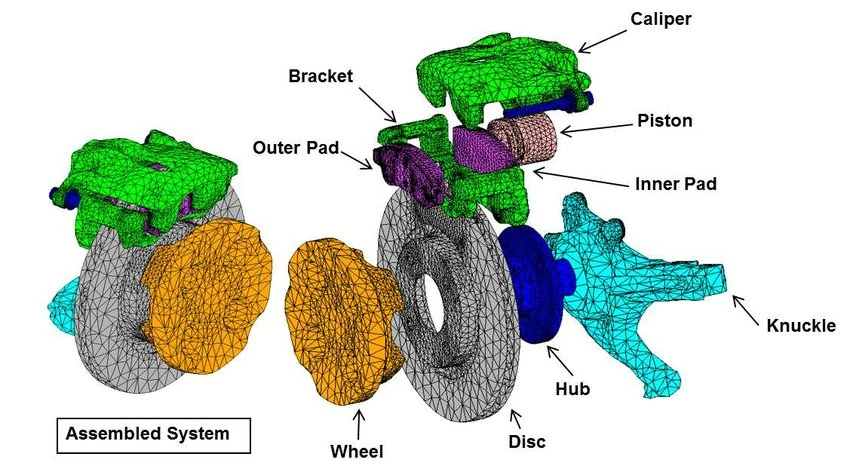
A brake caliper is a vital component of a vehicle's disc brake system, responsible for applying pressure to the brake pads, which in turn press against the brake rotor to slow down or stop the vehicle. It acts as a mechanical device that converts hydraulic pressure into braking force.
Key Characteristics of a Brake Caliper:
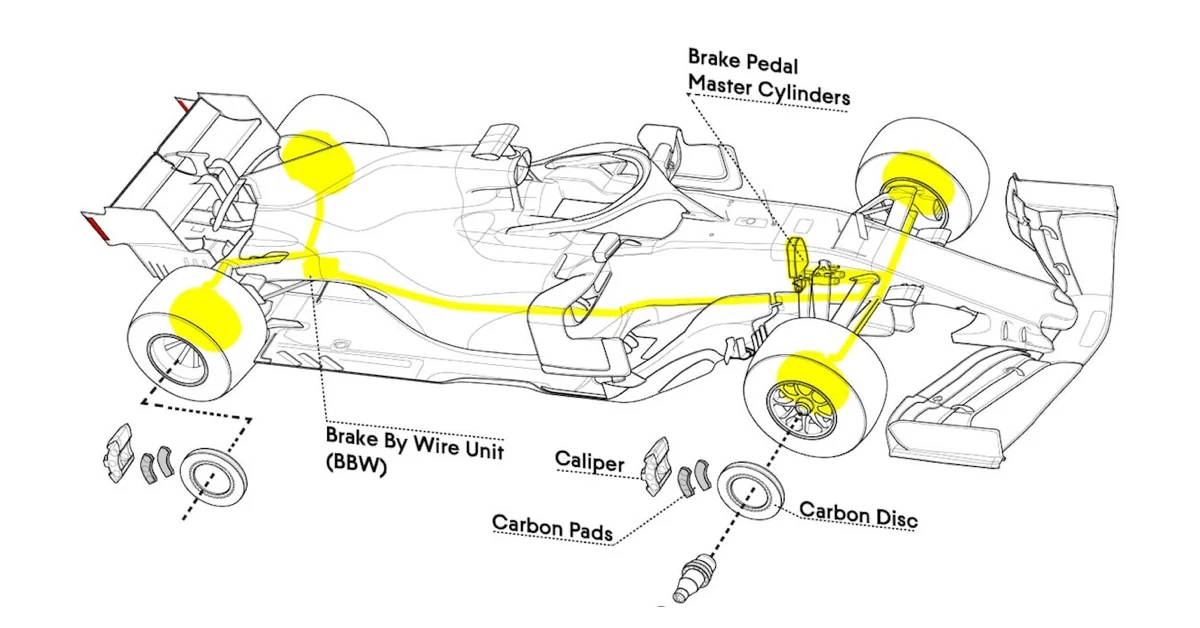
- Functionality: The brake caliper houses the brake pads and pistons. When the brake pedal is pressed, brake fluid flows from the master cylinder to the caliper, causing the pistons to push the brake pads against the rotor. This friction between the pads and rotor slows down or stops the wheel's rotation.
- Types of Brake Calipers: Floating/Sliding Calipers: Have a single piston and move in and out relative to the rotor. They are simpler and more common in everyday vehicles. Fixed Calipers: Have pistons on both sides of the rotor and do not move. They provide more consistent braking and are often found in high-performance vehicles.
- Components: Caliper Housing: The main body that contains the brake fluid and houses the pistons. Pistons: Cylindrical components that are pushed by hydraulic fluid to press the brake pads against the rotor. Brake Pads: Friction material that contacts the rotor to create braking force. Bleeder Valve: Allows air to be purged from the brake system during bleeding. Brake Hose/Line: Transfers brake fluid from the master cylinder to the caliper. Materials: Typically made from cast iron, aluminum, or composite materials. Must withstand high temperatures and pressures generated during braking. Maintenance: Regular inspection is required to check for wear and tear, especially on the pistons and seals. Brake fluid should be checked and replaced as per the manufacturer's recommendations to ensure proper hydraulic function. Common Issues: Sticking Caliper: Can cause uneven brake pad wear and reduce braking efficiency. Leaking Caliper: Can lead to loss of brake fluid and reduced hydraulic pressure. Worn Pads: Can damage the rotor and reduce braking effectiveness.
Related products
Often Ordered Together
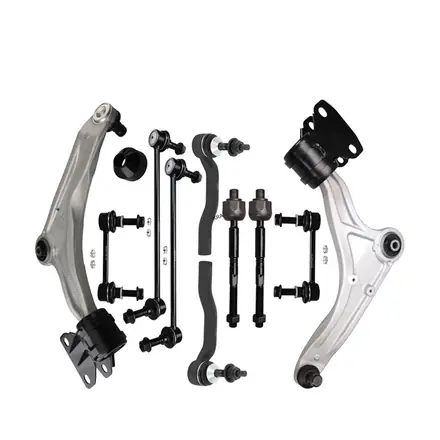
Control Arm
The control arm ties the wheel hub to the body and lets the suspension move without losing alignment. When the…
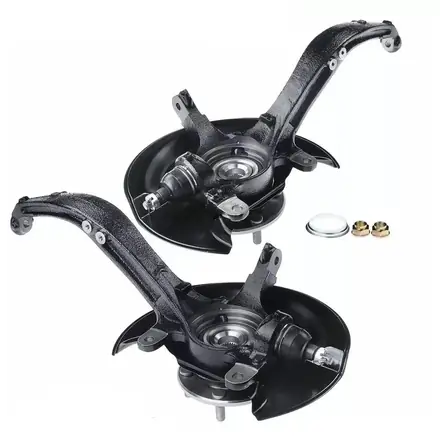
Steering Knuckle
The steering knuckle is the joint between the suspension, the steering and the wheel. It carries the hub and…
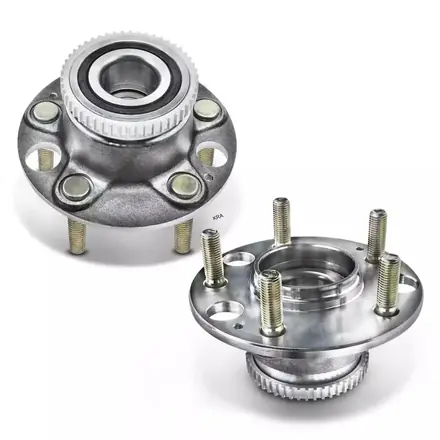
Wheel Hub Unit
The wheel hub unit connects the wheel to the suspension and carries the bearing that lets it turn. Modern units are…
Knowledge
Guides That Cover This Part
How Long a Car Lasts and Which Parts Decide It
Service life is set by a handful of systems rather than by odometer reading. A maintenance guide covering what actually wears out…
The Brake Pad Market and What It Means for Caliper Supply
Friction material demand tracks vehicle parc rather than new vehicle sales, which is why braking is a defensive line for a…
FAQ
Brake Caliper FAQ
Can you match a caliper from an OE number alone?
Yes. Send the OE number and we come back with the interchange references we hold and the applications that number covers. If the number is not in the range we say so rather than shipping a near match.
Do the calipers come with pads and hardware?
The assortment shown on this page includes pads and fitting hardware. Confirm the exact content for your reference when you ask for the quotation, because it varies by application.
What is the minimum order for one caliper reference?
One piece. The company supports small quantities specifically so you can test a reference before committing shelf space.
How long does an order take?
Regular items run 45 days. A caliper that has to be newly developed runs 30 to 45 days.
Which materials do you use for the caliper body?
Cast iron or aluminium, matched to what the original application used. We do not substitute one for the other.
How are calipers packed for export?
In high strength packing material, and cartons can be marked to your own scheme. Brake parts ship on the same order as engine, steering and suspension parts.
Next step
Confirm the Fit Before You Order
Send the OE number and the vehicle. We return the interchange references and the applications that number covers, and quote against them.
+86 159 9582 0129
[email protected]
Monday to Friday 08:30-18:00 China Standard Time (GMT+8)