
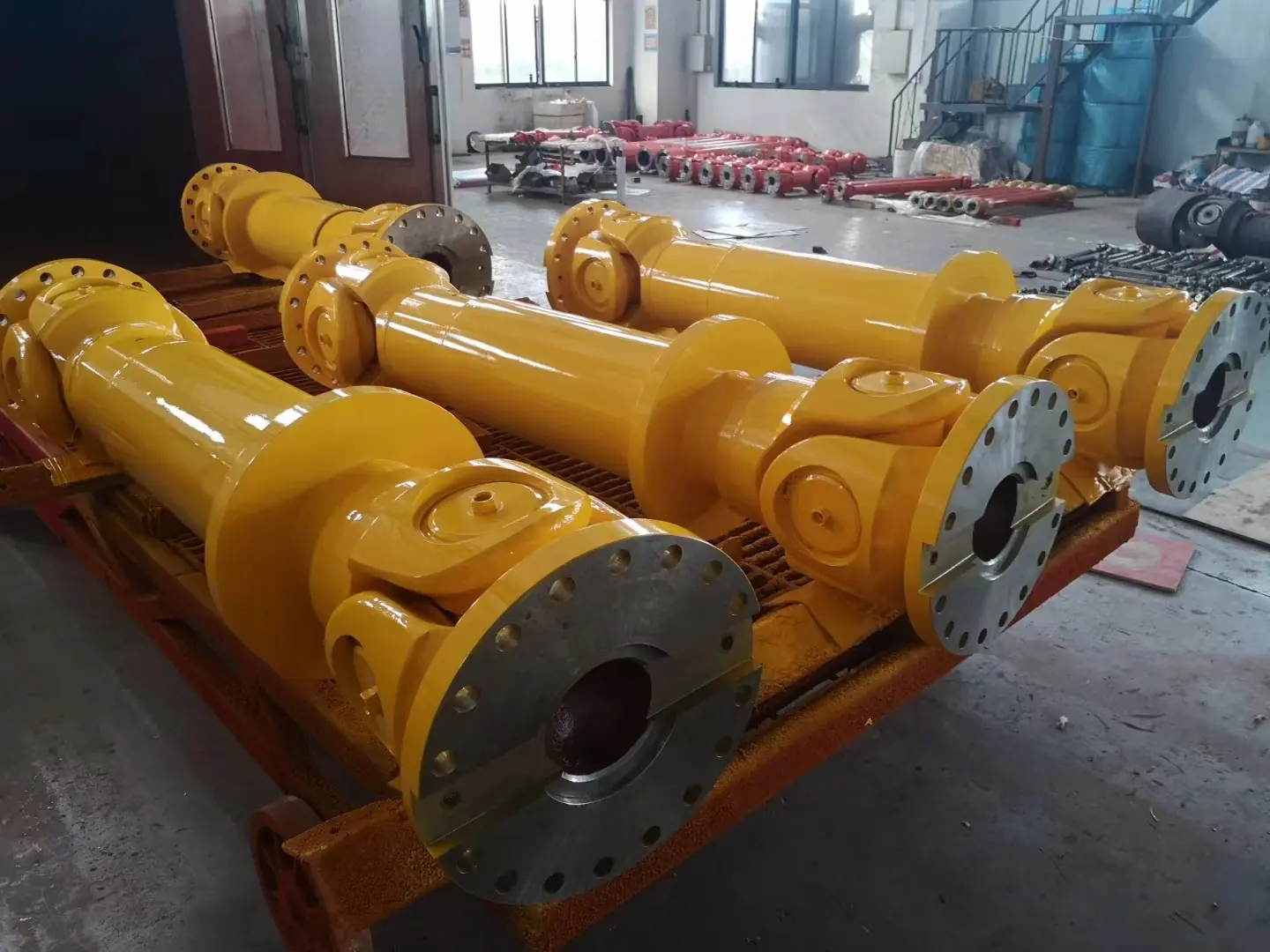
Transmission System
Drive Shaft and Rear Axle Shaft Assemblies
The drive shaft carries torque from the transmission to the differential and on to the wheels, and it has to do that while the suspension moves and the distance between the two ends keeps changing.
Overview
Drive Shaft and Rear Axle Shaft
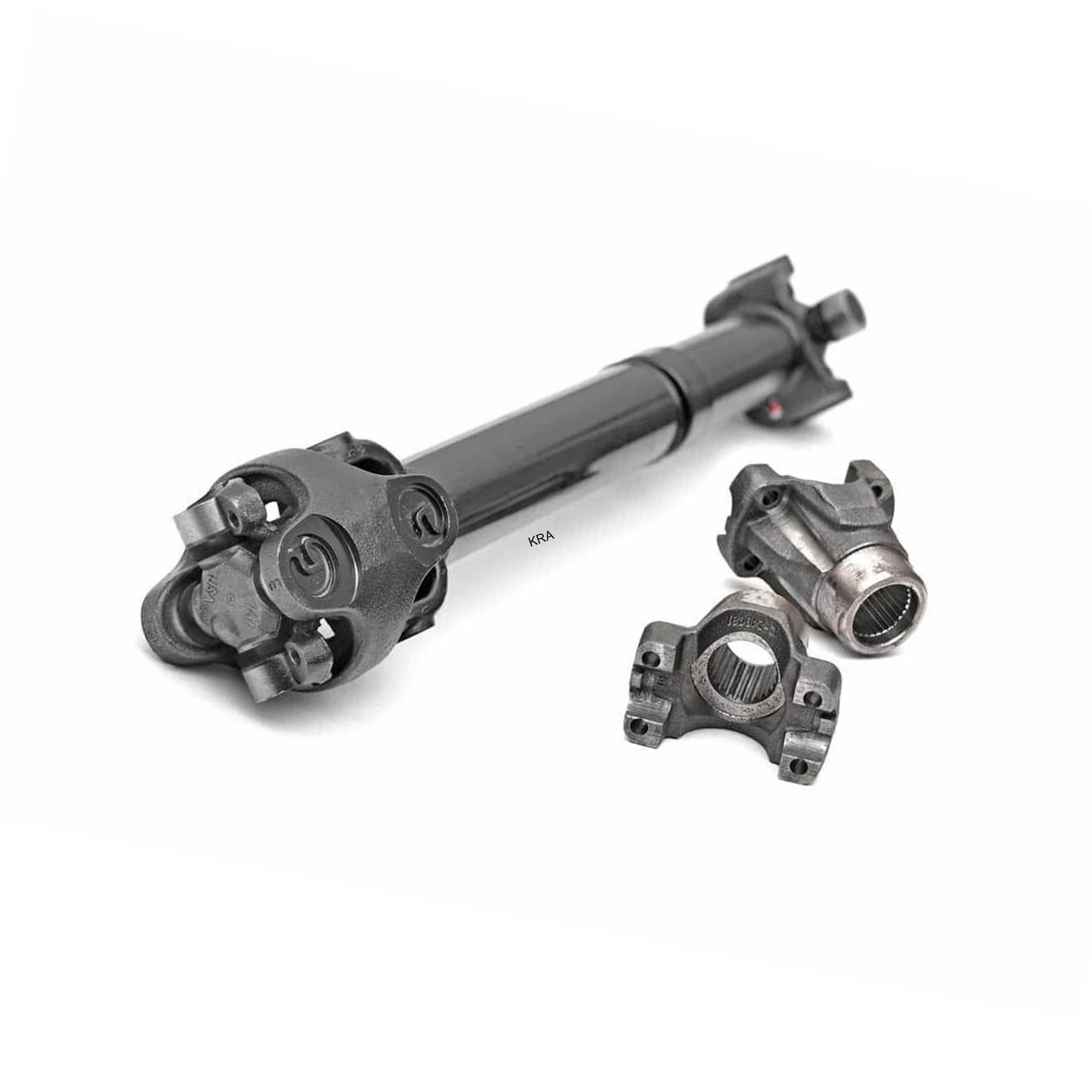
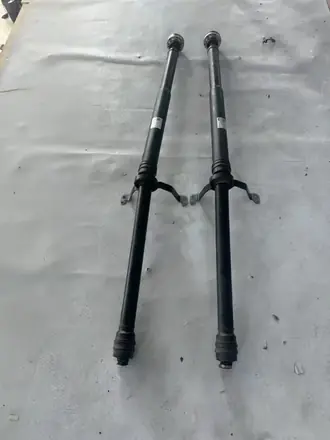
The drive shaft carries torque from the transmission to the differential and on to the wheels, and it has to do that while the suspension moves and the distance between the two ends keeps changing. It is a rotating assembly, so balance is not optional: an out of balance shaft is felt through the floor at motorway speed. Every shaft we ship has had a 100% dynamic balance test to G16.
Key Benefits
- 100% dynamic balance test to G16 on every shaft, which is what keeps motorway vibration out of the cabin
- Single piece, two piece and constant velocity configurations to match the original layout
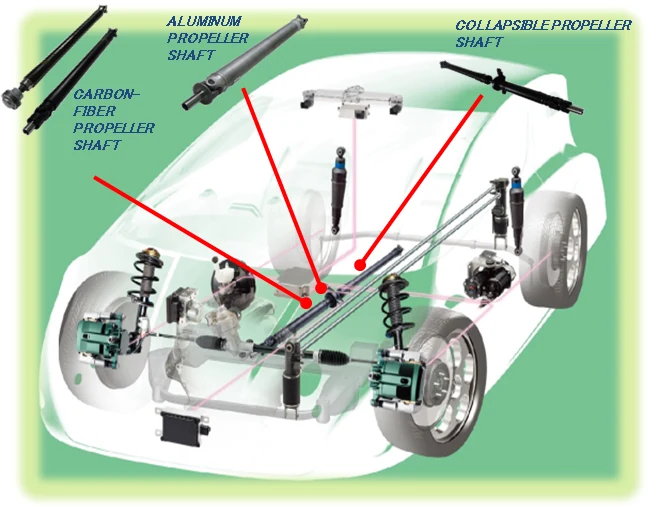
- Steel, aluminium and carbon fibre options matched to the application
- Centre bearing, universal joints and slip yoke supplied as part of the assembly
- Matched by OE number rather than by measuring the old shaft with a tape
Who It Is For
- Transmission and driveline distributors
- Workshops replacing shafts as a complete balanced assembly
- Exporters covering rear and four wheel drive platforms
- Buyers who need the centre bearing and joints supplied with the shaft
Problems It Solves
- Worn universal joints that cause clunking noises and vibration
- Imbalance that leads to excessive vibration and wear on other drivetrain components
- A bent or damaged shaft that causes severe vibration and compromises vehicle handling
- Rebuilt shafts that were never balanced after the joints were pressed in
Application Scenarios
- Vibration at motorway speed traced to an out of balance or bent shaft
- Clunking on take-up traced to worn universal joints
- Rear axle shaft replacement on rear and four wheel drive vehicles
- Distributor stock for platforms where the propeller shaft is a recurring replacement
Engineering
Technical Features
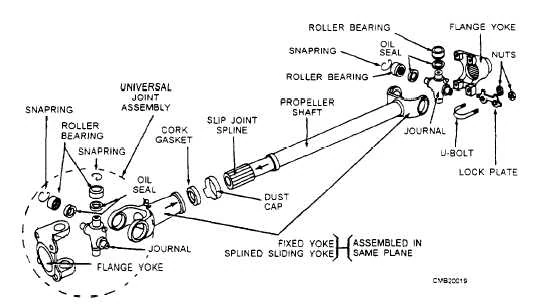
- Shaft body typically made of steel, aluminium or carbon fibre for strength and durability
- Universal joints at either end allow changes in angle between the transmission and the differential
- Slip yoke lets the shaft expand and contract with suspension movement
- Centre bearing supports the middle of a two piece shaft and reduces vibration
- Flanges connect the shaft to the transmission and to the differential
Materials
- Steel, strong and durable, commonly used in most vehicles
- Aluminium, lighter than steel, used in performance and some luxury vehicles
- Carbon fibre, extremely lightweight and strong, used in high performance and racing applications
At a glance
| Configurations | Single piece, two piece with centre bearing, constant velocity |
|---|---|
| Balance test | 100% dynamic balance to G16 |
| Materials | Steel, aluminium, carbon fibre |
| Matched by | OE number |
| Minimum order | 1 piece |
| Lead time, regular items | 45 days |
| Overall length and spline count | Quoted per OE reference, TBC until the number is confirmed |
Values not present in the source part record are marked TBC and confirmed against your OE number before the order is placed.
Manufacturing
How It Is Made and Checked
Tube preparation and end forming
Joint and yoke assembly
Welding and straightening
100% dynamic balance test to G16
Protective finish and packing
Quality Control
Every shaft receives a 100% dynamic balance test based on the G16 standard before it leaves the plant, and accessories are processed by CNC centre in one time so precision is held. The company runs to ISO 9001 and IATF 16949 quality management systems.
Customisation Options
Shafts can be built to a sample or an OE number, including length, spline and flange variations. Newly developed items run 30 to 45 days.
Comparison
A single piece shaft suits shorter wheelbases and keeps the assembly simple. A two piece shaft with a centre bearing is used on longer wheelbases, where it adds support and flexibility but also adds a bearing that will eventually need replacing. A constant velocity shaft is what front wheel drive vehicles use, delivering power more smoothly with less vibration. Match the original configuration: swapping between them changes the driveline angles.
Use Guide
Step 1
Confirm the OE number, and mark the flange orientation before removing the old shaft
Step 2
Refit in the same orientation so the balance of the assembly is preserved
Step 3
Torque the flange bolts and the centre bearing carrier to the vehicle specification
Step 4
Lubricate the universal joints where the design has grease nipples
Step 5
Inspect for wear and damage at each service, particularly the joints and slip yoke, and investigate any new vibration or noise promptly
Component reference
How a Drive Shaft and Rear Axle Shaft Works
A drive shaft, also known as a propeller shaft or driveline, is a critical component in a vehicle's drivetrain. Its primary function is to transmit torque and rotational energy from the engine and transmission to the vehicle's wheels, allowing it to move. Drive shafts are commonly used in rear-wheel drive, all-wheel drive, and four-wheel drive vehicles.
Key Characteristics of a Drive Shaft:
- Functionality: The drive shaft transfers power from the transmission to the differential, which then distributes the power to the wheels. It accommodates changes in the distance between the transmission and the differential as the vehicle moves over uneven terrain.
- Components: Shaft: The main tubular body, typically made of steel, aluminum, or carbon fiber for strength and durability. Universal Joints (U-Joints): Flexible joints at either end of the shaft that allow for changes in angle between the transmission and the differential. Slip Yoke: Allows the drive shaft to expand and contract with suspension movement. Center Bearing: Used in two-piece drive shafts to support the middle of the shaft and reduce vibrations. Flanges: Connect the drive shaft to the transmission and differential.
- Types of Drive Shafts: Single-Piece Drive Shaft: Common in shorter wheelbase vehicles, consisting of a single, solid tube. Two-Piece Drive Shaft: Used in longer wheelbase vehicles, with two shafts connected by a center bearing to provide additional support and flexibility. CV (Constant Velocity) Drive Shaft: Used in front-wheel drive vehicles, allowing for smoother power delivery with less vibration.
- Materials: Steel: Strong and durable, commonly used in most vehicles. Aluminum: Lighter than steel, used in performance and some luxury vehicles. Carbon Fiber: Extremely lightweight and strong, used in high-performance and racing applications.
- Maintenance: Regular inspection for signs of wear or damage, especially on the U-joints and slip yokes. Lubrication of U-joints to ensure smooth operation and prevent wear. Checking for and addressing any unusual vibrations, noises, or signs of imbalance.
- Common Issues: Worn U-Joints: Can cause clunking noises and vibrations. Imbalance: Can lead to excessive vibration and wear on other drivetrain components. Bent or Damaged Shaft: Can cause severe vibration and compromise vehicle handling.
Related products
Often Ordered Together
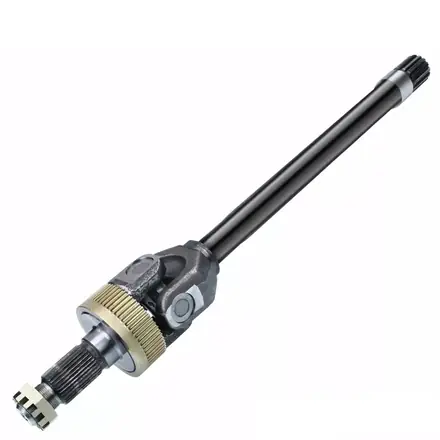
Honda CR-V Drive Shaft 40100-S9A-E01
This propeller shaft covers the Honda CR-V 2.4 litre from 2002 to 2006 across the Base, LX, EX, EX-L and SE trims.…
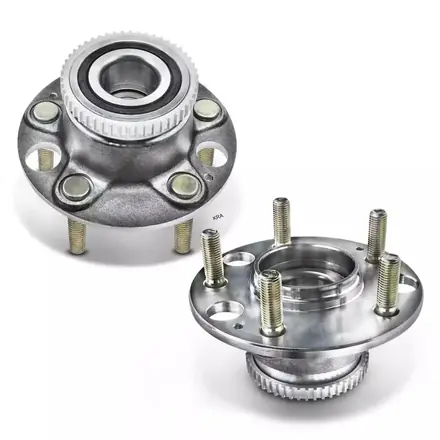
Wheel Hub Unit
The wheel hub unit connects the wheel to the suspension and carries the bearing that lets it turn. Modern units are…
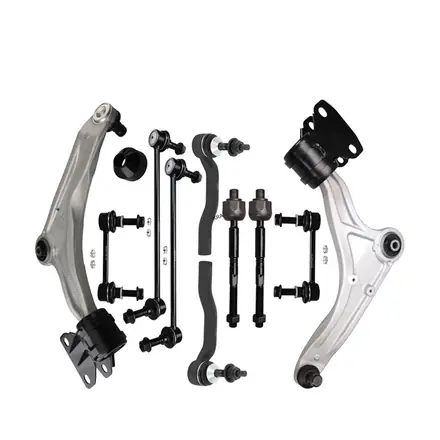
Control Arm
The control arm ties the wheel hub to the body and lets the suspension move without losing alignment. When the…
Case studies
Enquiries We Matched
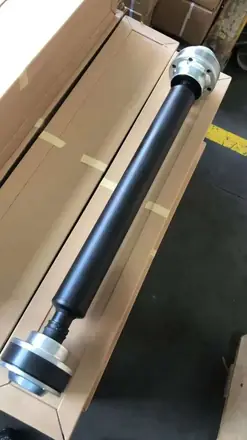
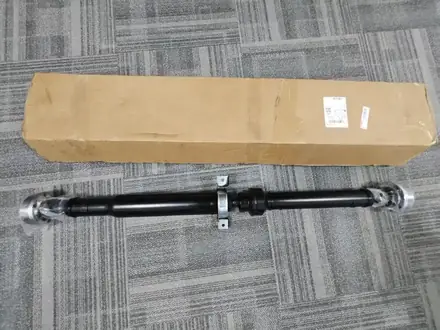
Drive Shaft Sample Approval on OE 68261528AD
A drive shaft sample against OE 68261528AD was produced and delivered for customer approval, taking a new reference…
Sourcing a Mercedes-Benz Vito Drive Shaft From the Factory
A buyer with a damaged Vito drive shaft needed a source factory rather than a trading intermediary. The enquiry set…
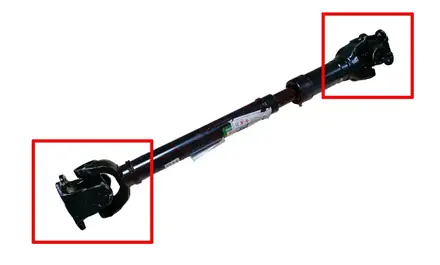
Matching Jeep Grand Cherokee Rear Propeller Shafts by OE Code
Rear propeller shafts for the Jeep Grand Cherokee carry several OE codes that separate otherwise identical looking…
Knowledge
Guides That Cover This Part
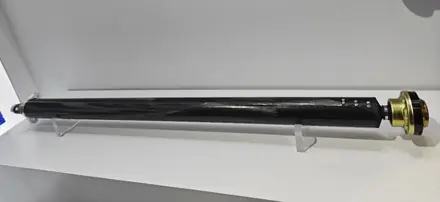
What Makes a Carbon Fibre Drive Shaft Difficult to Build
Carbon fibre shafts are light and strong but hard to produce consistently. Winding tension, resin impregnation, the metal to…
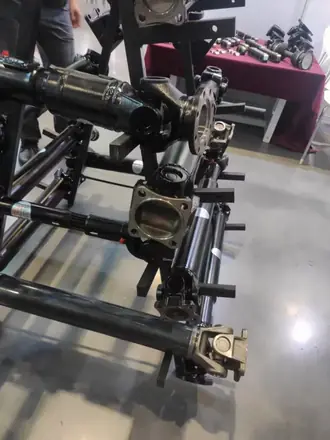
Mercedes-Benz Drive Shaft References Coming Off the Line
A run-down of the Mercedes-Benz drive shaft models produced in a recent batch, and how the references map to the vehicle…
Mitsubishi Pajero Drive Shaft Availability
Pajero drive shafts held in stock, with notes on how to confirm the right reference for the four wheel drive…
FAQ
Drive Shaft and Rear Axle Shaft FAQ
Are your shafts balanced?
Yes. Every shaft receives a 100% dynamic balance test based on the G16 standard before packing.
Do you supply two piece shafts with the centre bearing?
Yes, the assembly includes the centre bearing where the original design uses one.
Can you match a shaft from an OE number?
Yes. That is the preferred route, because length and spline count are what separate similar shafts on the same platform.
Do you make carbon fibre shafts?
Carbon fibre is used in high performance and racing applications. Tell us the application and we confirm whether it is available for that reference.
What is the minimum order?
One piece.
How long is the lead time?
45 days for regular items and 30 to 45 days for newly developed shafts.
Next step
Confirm the Fit Before You Order
Send the OE number and the vehicle. We return the interchange references and the applications that number covers, and quote against them.
+86 159 9582 0129
[email protected]
Monday to Friday 08:30-18:00 China Standard Time (GMT+8)