
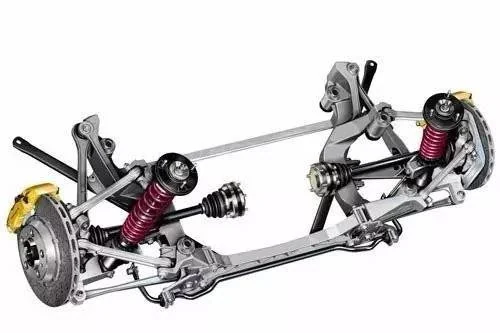
Steering System
Steering Knuckle
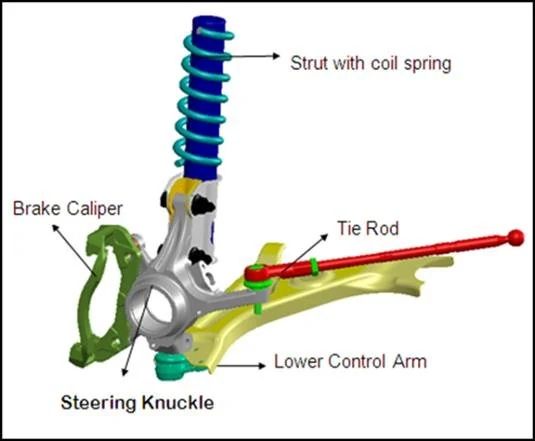
The steering knuckle is the joint between the suspension, the steering and the wheel.
Overview
Steering Knuckle
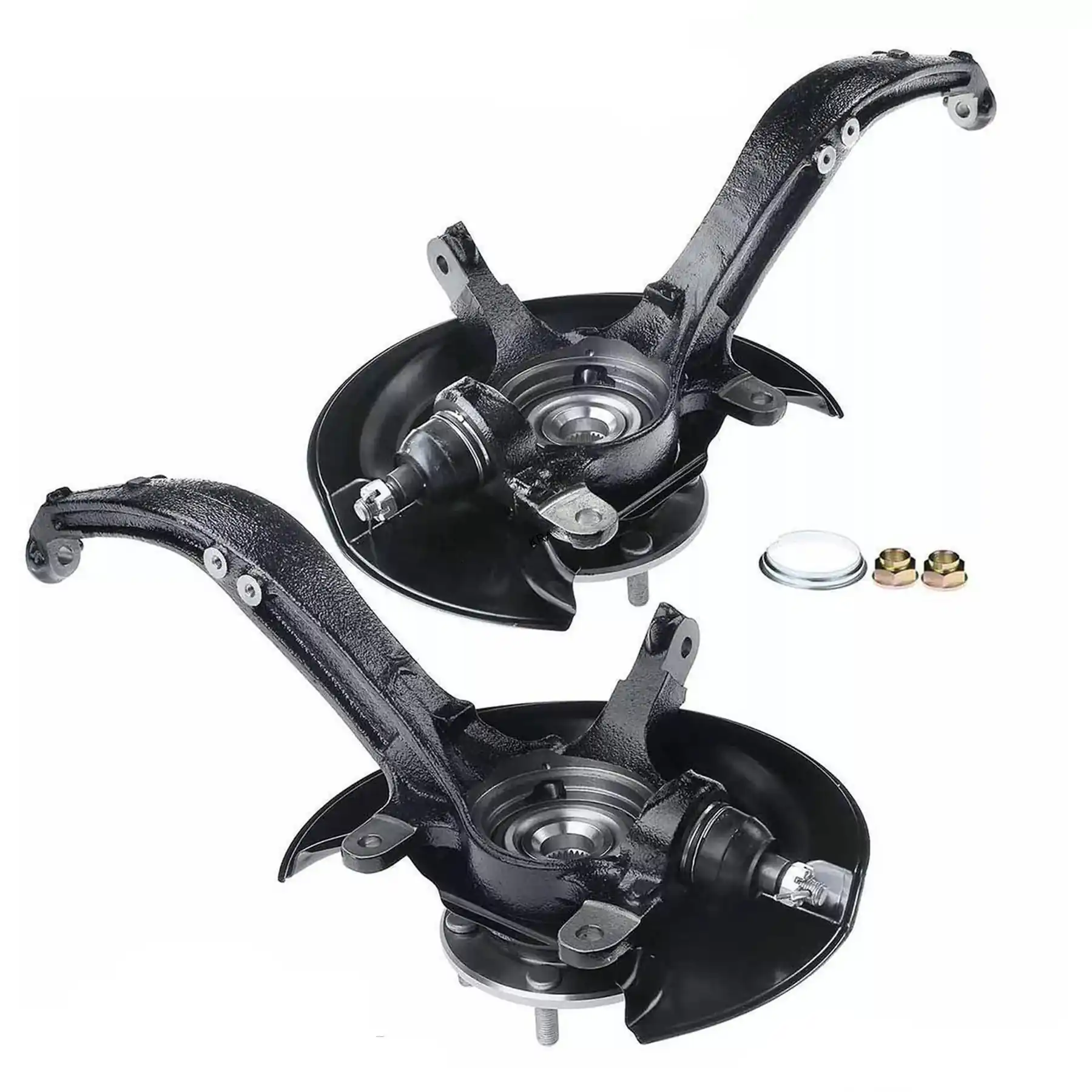
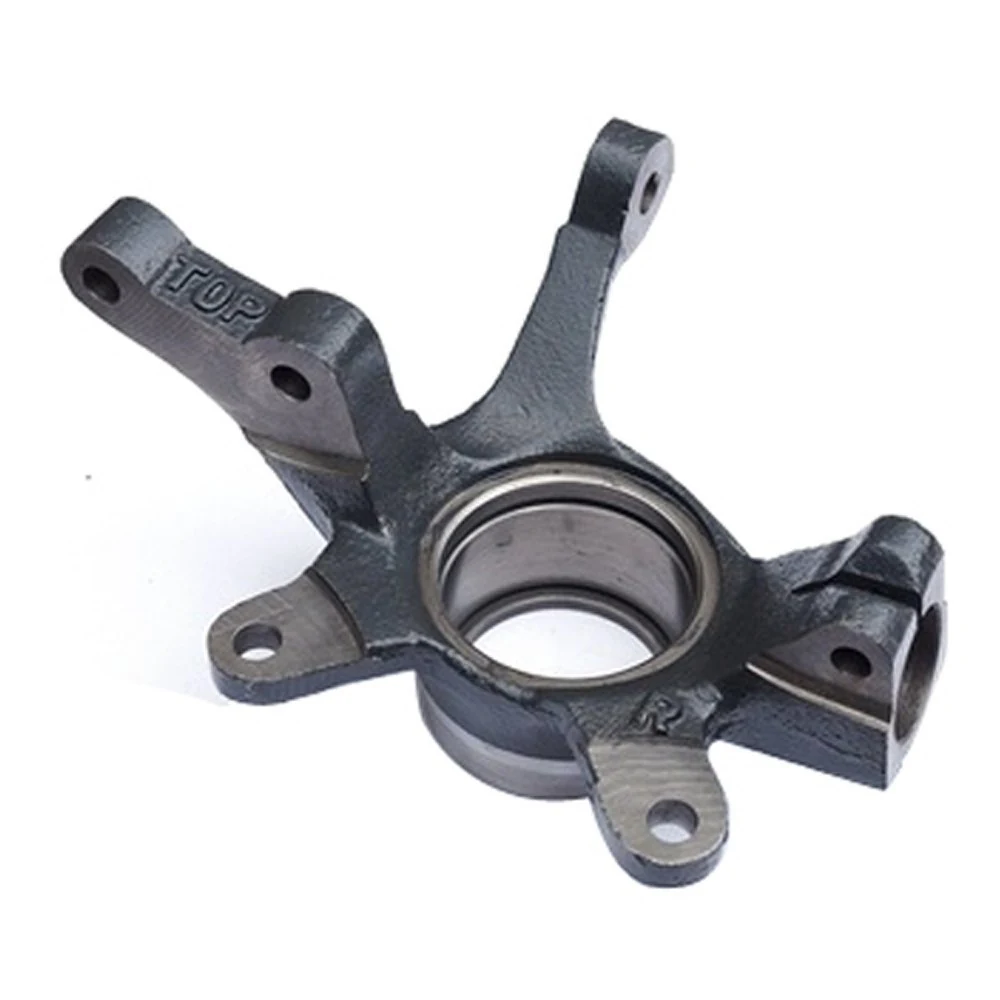
The steering knuckle is the joint between the suspension, the steering and the wheel. It carries the hub and bearings, provides the caliper mounting points and takes the tie rod that turns the wheel. Because it holds all three systems together, a knuckle that is out of specification shows up as alignment that will not hold and as brake drag. We supply knuckles in cast iron, cast aluminium and forged steel, matched by OE number.
Key Benefits
- Ball joint bores, caliper mounts and hub seat machined to the original geometry rather than a generic casting
- Cast iron, cast aluminium and forged steel to match what the original application used
- Matched by OE number, including left and right hand parts that look similar but are not interchangeable
- Supplied with the fixings shown in the product photograph
- 1 piece minimum order so a workshop can prove the fit before a distributor stocks it
Who It Is For
- Chassis and steering parts distributors
- Collision repair workshops rebuilding a damaged corner
- Exporters covering steering and suspension together
- Buyers who need a left and right pair identified correctly
Problems It Solves
- Alignment that will not stay set because the knuckle geometry is wrong
- Worn hub seats that let the bearing move and set off ABS faults
- Caliper mounting points that do not line up after an aftermarket knuckle is fitted
- Left and right parts supplied the wrong way round
Application Scenarios
- Accident repair where the knuckle has taken an impact and the alignment will not hold
- Corner rebuild where the hub bearing seat has worn oversize
- Workshop repair of a vehicle that has failed a safety inspection on steering play
- Distributor stock for platforms where the knuckle is a common accident replacement
Engineering
Technical Features
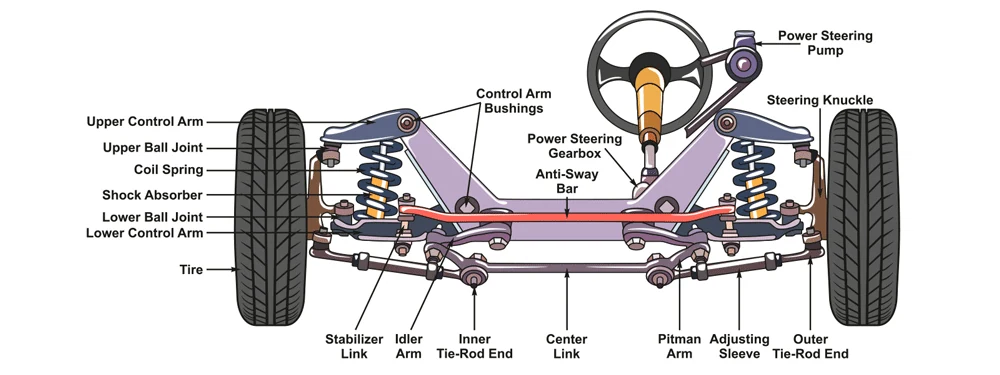
- Upper and lower ball joint or strut mounting points attach the knuckle to the suspension
- Tie rod end connects to the knuckle and transfers steering input from the rack or linkage to the wheel
- Wheel hub or spindle is typically incorporated into the knuckle and houses the wheel bearings and the brake rotor mounting
- Caliper mounting points position the brake pads over the rotor
Materials
- Cast iron, chosen for strength and durability under driving, braking and cornering loads
- Cast aluminium, where the original part saves unsprung weight
- Forged steel, where the original part carries the highest loads
At a glance
| Matched by | OE number, with side stated |
|---|---|
| Materials | Cast iron, cast aluminium, forged steel |
| Integrated features | Hub or spindle seat, caliper mounts, ball joint and tie rod bores |
| Minimum order | 1 piece |
| Lead time, regular items | 45 days |
| Bearing bore tolerance | Quoted per OE reference, TBC until the number is confirmed |
Values not present in the source part record are marked TBC and confirmed against your OE number before the order is placed.
Manufacturing
How It Is Made and Checked
Casting or forging of the knuckle body
Machining of the bearing bore, ball joint tapers and caliper mounts
Dimensional inspection
Packing
Quality Control
Knuckle design and integrity are safety critical, so bores and mounting faces are dimensionally checked before packing. The company runs to ISO 9001 and IATF 16949 quality management systems.
Customisation Options
Knuckles can be developed from an OE sample. Newly developed items run 30 to 45 days and the development programme adds 80 to 100 new varieties a year.
Comparison
Cast iron knuckles are the most common and the most tolerant of rough roads. Cast aluminium saves unsprung weight and suits platforms that were designed around it, but it is less forgiving of impact. Forged steel goes where loads are highest. A knuckle is not a place to change material away from the original, because the suspension geometry and the bearing fit were designed for it.
Use Guide
Step 1
Confirm the OE number and the side, left or right, before ordering
Step 2
Transfer or renew the hub bearing according to the vehicle procedure
Step 3
Fit the ball joints and tie rod end with new nuts and torque to specification
Step 4
Refit the caliper carrier and check pad clearance across the rotor
Step 5
Set the wheel alignment and road test for steering pull
Component reference
How a Steering Knuckle Works
The steering knuckle is a critical component in a vehicle's suspension and steering systems. It connects the wheel hub to the suspension and steering components, playing a key role in allowing the wheels to turn and the suspension to articulate. Here's a detailed description:
Functions:
- Steering : The steering knuckle provides a mounting point for the steering components, enabling the wheels to turn in response to the driver's input via the steering wheel.
- Suspension : It connects to the suspension components, allowing for up-and-down movement to absorb road shocks while maintaining wheel alignment.
- Wheel Hub : The wheel hub or spindle is often part of the steering knuckle, where the wheel bearings are mounted, allowing the wheel to rotate smoothly.
Components and Connections:
- Mounting Points : Upper and Lower Ball Joints or Strut Mounts : These attach the knuckle to the control arms in double wishbone suspension or to the strut in a MacPherson strut suspension. Tie Rod End : Connects to the steering knuckle to transfer the steering input from the steering rack or linkage to the wheels.
- Wheel Hub/Spindle : Typically, the knuckle incorporates the wheel hub or spindle, which houses the wheel bearings and provides a mounting point for the brake rotor and wheel.
- Brake Components : Caliper Mounting Points : Locations where the brake caliper is attached, allowing the brake pads to clamp onto the brake rotor.
Functions:
- Steering : The steering knuckle provides a mounting point for the steering components, enabling the wheels to turn in response to the driver's input via the steering wheel.
- Suspension : It connects to the suspension components, allowing for up-and-down movement to absorb road shocks while maintaining wheel alignment.
- Wheel Hub : The wheel hub or spindle is often part of the steering knuckle, where the wheel bearings are mounted, allowing the wheel to rotate smoothly.
Materials:
- Typically made from cast iron, cast aluminum, or forged steel, chosen for their strength and durability to withstand the forces exerted during driving, braking, and turning.
Importance:
The steering knuckle's design and integrity are vital for vehicle safety and performance. A failure in the steering knuckle can lead to a loss of control, making its maintenance and inspection crucial during vehicle service.
Related products
Often Ordered Together
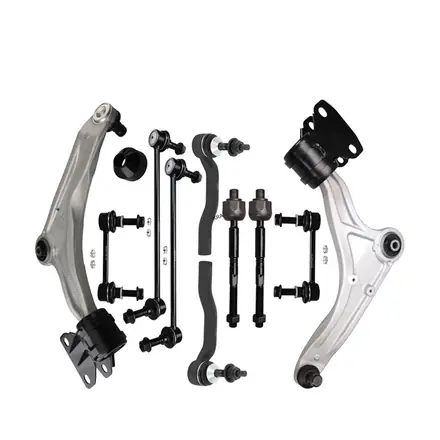
Control Arm
The control arm ties the wheel hub to the body and lets the suspension move without losing alignment. When the…
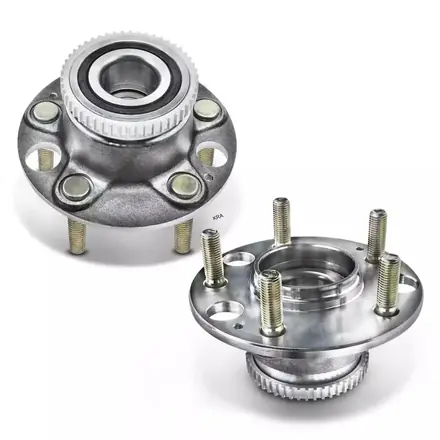
Wheel Hub Unit
The wheel hub unit connects the wheel to the suspension and carries the bearing that lets it turn. Modern units are…
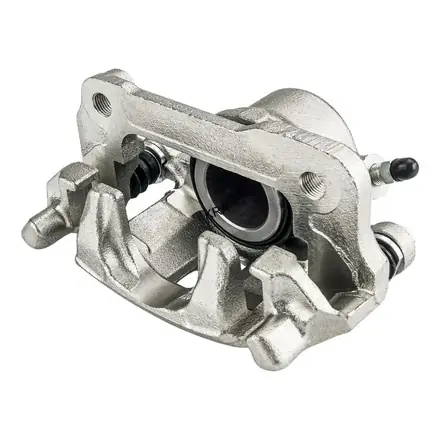
Brake Caliper
A brake caliper turns hydraulic pressure from the master cylinder into clamping force on the rotor. It carries the…
Knowledge
Guides That Cover This Part
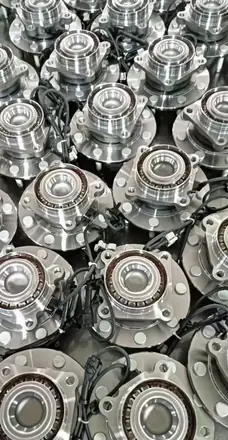
Wheel Hub Units Explained
What a hub unit assembly does, why modern units are sealed and non serviceable, and how to tell a driven unit from a non driven…
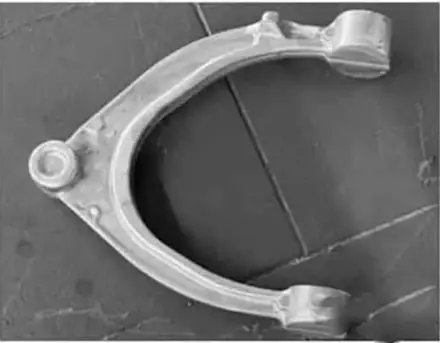
The Forging Process Behind an Aluminium Control Arm
Aluminium control arms are forged, not cast, and the process decides how much load the finished arm will take. A detailed walk…
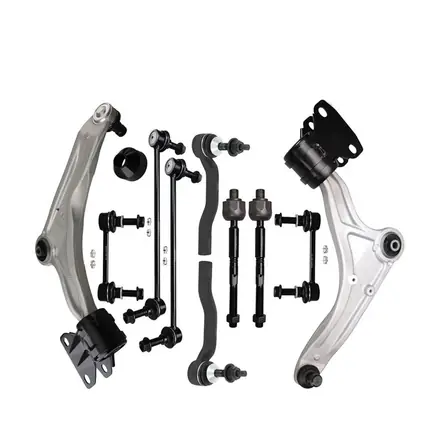
Control Arm Maintenance and What Worn Bushings Cost You
Control arm bushings and ball joints wear slowly enough that the driver adapts to it. This guide covers the inspection routine,…
FAQ
Steering Knuckle FAQ
How do I order the correct side?
State left or right with the OE number. The two sides normally carry different part numbers and we quote against the number you give.
Does the knuckle come with a wheel bearing?
Content varies by reference. Confirm in the quotation whether the bearing and hub are included or whether the knuckle is supplied bare.
Which material will I receive?
The material the original application used: cast iron, cast aluminium or forged steel. We do not substitute.
What is the minimum order?
One piece, so you can check the fit on a vehicle before stocking the reference.
How long is the lead time?
45 days for regular items and 30 to 45 days for a newly developed reference.
Is a knuckle replacement safety critical?
Yes. A failure in the steering knuckle can lead to loss of control, so inspection during service and correct torque on every fastener matter.
Next step
Confirm the Fit Before You Order
Send the OE number and the vehicle. We return the interchange references and the applications that number covers, and quote against them.
+86 159 9582 0129
[email protected]
Monday to Friday 08:30-18:00 China Standard Time (GMT+8)