
Suspension Parts
Wheel Hub Unit Assembly
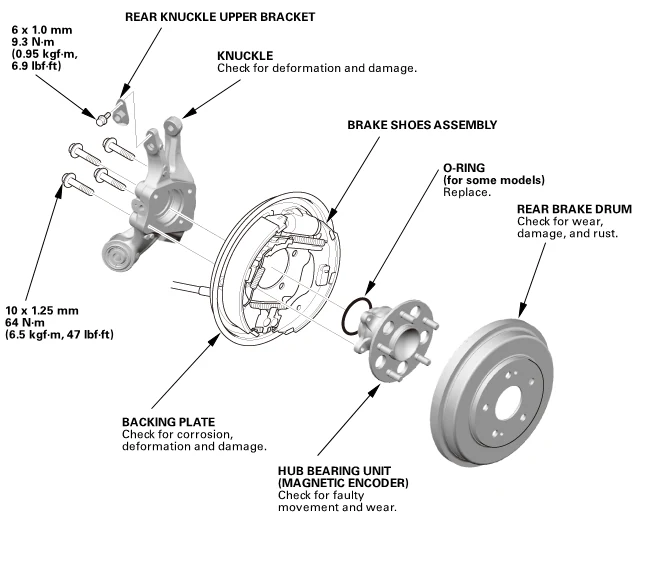
The wheel hub unit connects the wheel to the suspension and carries the bearing that lets it turn.
Overview
Wheel Hub Unit
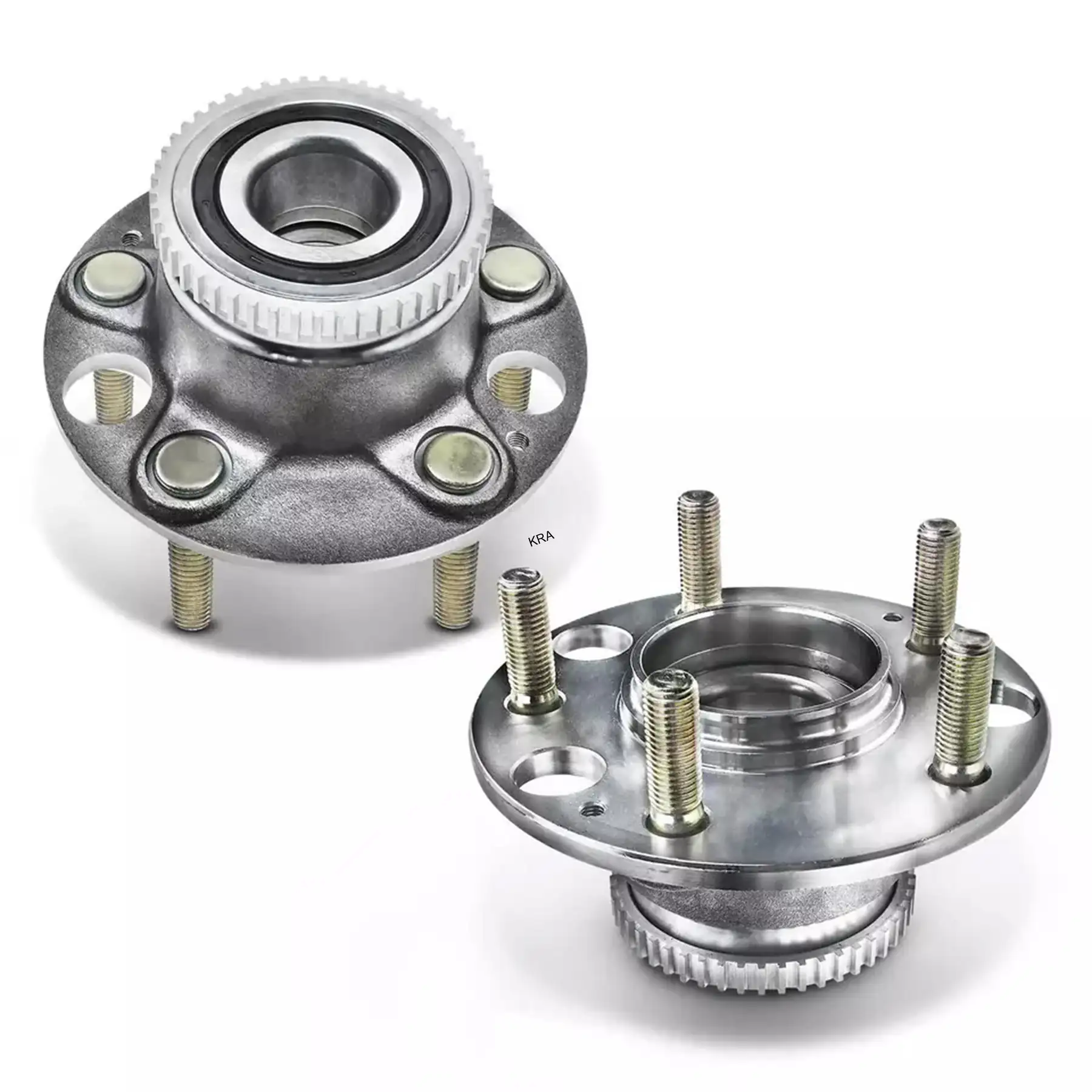
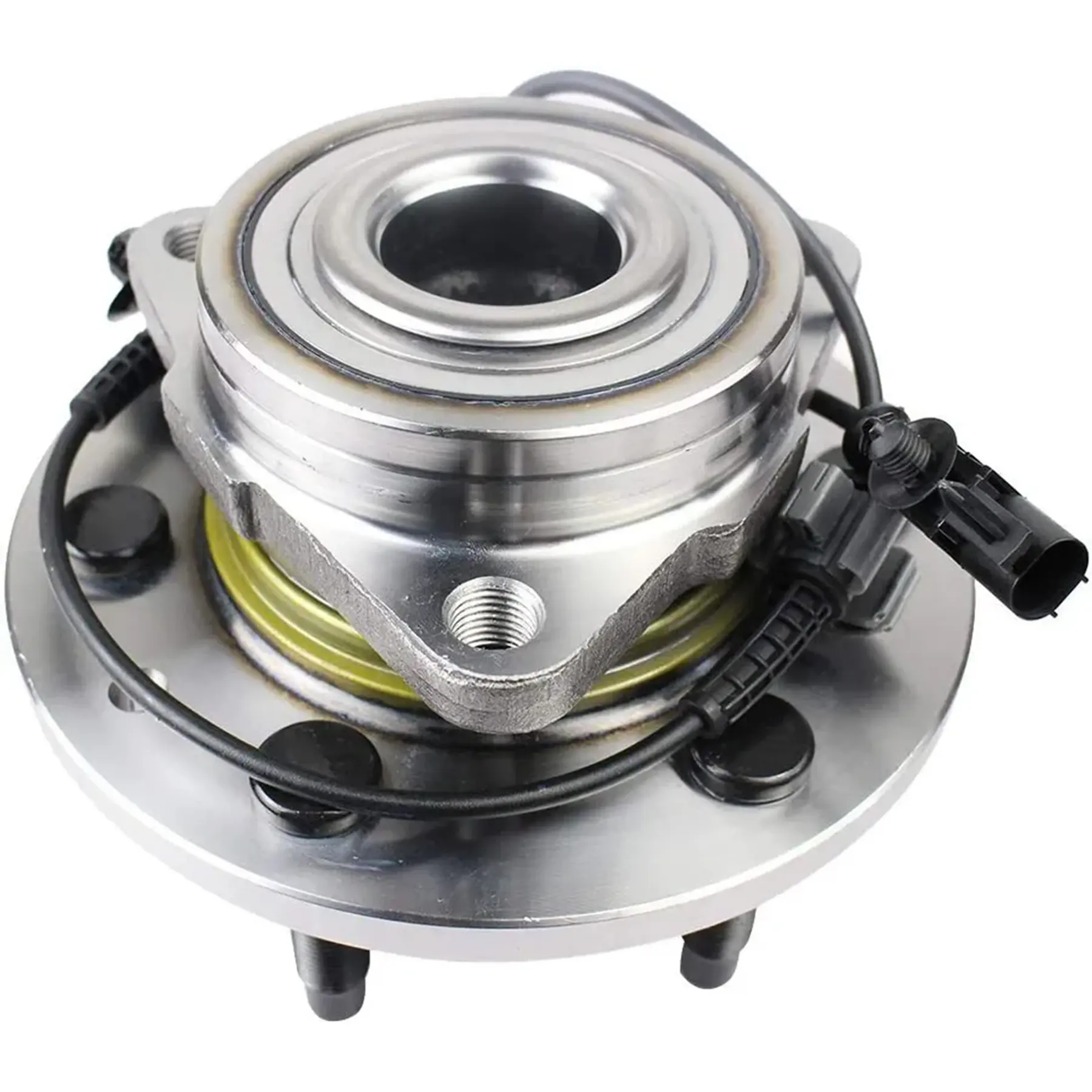
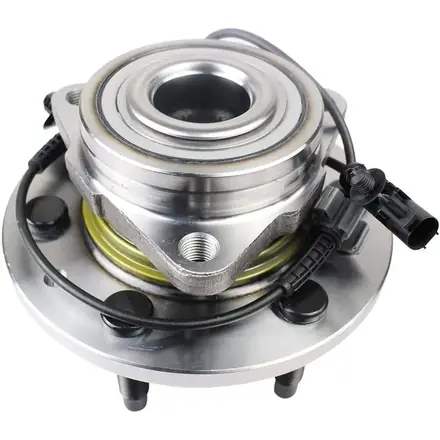
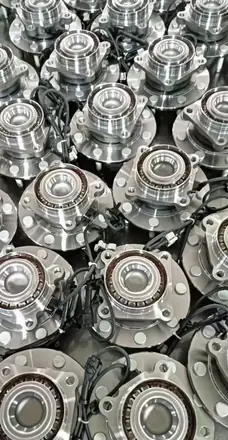
The wheel hub unit connects the wheel to the suspension and carries the bearing that lets it turn. Modern units are sealed and non-serviceable, so when the bearing starts humming the whole unit is replaced. We supply driven and non-driven units, with and without an integrated ABS sensor, matched by OE number so the bolt pattern, the spline count and the sensor connector all agree with the vehicle.
Key Benefits
- Sealed bearing design that removes the regreasing interval from the service schedule
- Integrated ABS sensor versions available where the original unit has one, with the correct connector
- Driven versions with splines to take the drive shaft, non-driven versions for trailing axles
- Integrated design keeps installation to one part and one torque procedure
- Matched by OE number, 1 piece minimum order
Who It Is For
- Distributors stocking bearings and hub assemblies
- Workshops that replace the complete unit rather than pressing bearings
- Exporters combining hub units with knuckles and control arms
- Buyers matching driven against non-driven versions by OE number
Problems It Solves
- Bearing wear that produces humming or growling noise at higher speeds
- ABS sensor failure that lights the warning lamp and affects braking
- Wheel looseness that leads to poor handling and increased tyre wear
- Units bought without checking whether the original had an integrated sensor
Application Scenarios
- Bearing noise diagnosis where a humming or growling grows with road speed
- ABS warning light traced to a failed sensor inside the hub unit
- Wheel play found at inspection and traced to the bearing rather than the suspension
- Fleet servicing where hub units are replaced in axle pairs
Engineering
Technical Features
- Hub unit with integrated ABS sensor includes the sensor for the vehicle ABS system
- Driven wheel hub incorporates splines to connect with the drive shaft, used on driven wheels
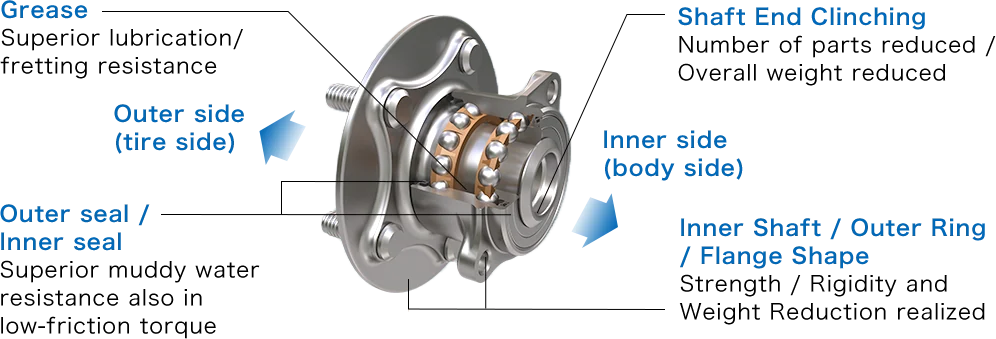
- Sealed bearings reduce the need for regular lubrication and maintenance
- Built to withstand high loads and harsh conditions in passenger, commercial and performance vehicles
Materials
- Steel, commonly used for durability and strength
- Aluminium, used in high performance and lightweight applications to reduce unsprung weight
At a glance
| Versions supplied | Driven with splines, non-driven, with or without integrated ABS sensor |
|---|---|
| Materials | Steel, aluminium where the original is aluminium |
| Serviceability | Sealed, non-serviceable, replaced as a unit |
| Matched by | OE number |
| Minimum order | 1 piece |
| Lead time, regular items | 45 days |
Values not present in the source part record are marked TBC and confirmed against your OE number before the order is placed.
Manufacturing
How It Is Made and Checked
Machining of the hub flange and bearing races
Bearing assembly and sealing
Sensor fitting where the reference includes one
Rotation and noise check before packing
Quality Control
Units are checked for free rotation and seal integrity before packing. The company runs to ISO 9001 and IATF 16949 quality management systems.
Customisation Options
Packaging and labelling follow your scheme. References outside the current range can be developed in 30 to 45 days.
Comparison
A sealed hub unit costs more than a loose bearing but removes the press work, the grease specification and the preload setting from the workshop, which is why it is now the standard repair. A loose bearing is only worth considering where the original design used one. Between a unit with and without an integrated sensor, fit what the vehicle had: a missing sensor leaves the ABS without a wheel speed signal.
Use Guide
Step 1
Confirm the OE number and whether the original unit carried an ABS sensor
Step 2
Check the bolt pattern, the spline count and the sensor connector against the old unit
Step 3
Fit the unit and torque the axle nut and hub bolts to the vehicle specification
Step 4
Clear any stored ABS fault codes and confirm the light goes out on a road test
Step 5
Replace the unit rather than the bearing, because most units are non-serviceable
Component reference
How a Wheel Hub Unit Works
is a critical component in a vehicle's wheel system. It provides the mounting point for the wheel and facilitates its smooth rotation. The wheel hub unit typically integrates the wheel bearing and the hub into a single assembly, making it easier to install and maintain.
Key Characteristics of a Wheel Hub Unit:
- Functionality: The wheel hub unit serves as the central attachment point for the wheel and brake rotor or drum. It supports the wheel's rotation and maintains the wheel's alignment with the suspension system. The integrated bearing allows for smooth and low-friction rotation of the wheel.
- Components: Hub: The central part of the assembly that connects to the vehicle's axle or spindle. Wheel Bearing: An integrated bearing that supports the wheel's rotation and handles radial and axial loads. Wheel Studs/Bolts: Protrude from the hub and provide mounting points for the wheel. ABS Sensor (Optional): Some wheel hub units include an integrated anti-lock braking system (ABS) sensor for monitoring wheel speed.
- Types of Wheel Hub Units: Non-Driven Wheel Hub: Used on non-driven wheels (e.g., rear wheels of a front-wheel-drive vehicle). Driven Wheel Hub: Incorporates splines to connect with the drive shaft, used on driven wheels (e.g., front wheels of a front-wheel-drive vehicle or all-wheel-drive vehicles). Hub Unit with Integrated ABS Sensor: Includes a sensor for the vehicle's ABS system.
- Materials: Steel: Commonly used for durability and strength. Aluminum: Used in high-performance and lightweight applications to reduce unsprung weight.
- Applications: Passenger Vehicles: Found in cars, trucks, and SUVs. Commercial Vehicles: Used in larger trucks and buses. Performance Vehicles: Enhanced wheel hub units for improved durability and performance.
- Advantages: Ease of Installation: Integrated design simplifies installation and maintenance. Durability: Built to withstand high loads and harsh conditions. Reduced Maintenance: Sealed bearings reduce the need for regular lubrication and maintenance.
- Maintenance: Regular inspection for signs of wear or damage, such as noise, vibration, or looseness in the wheel. Timely replacement of the entire hub unit if the bearing is worn or damaged, as most units are non-serviceable.
- Common Issues: Bearing Wear: Can cause humming or growling noises, especially at higher speeds. ABS Sensor Failure: Can trigger the ABS warning light and affect braking performance. Wheel Looseness: Can lead to poor handling and increased tire wear.
Related products
Often Ordered Together
Steering Knuckle
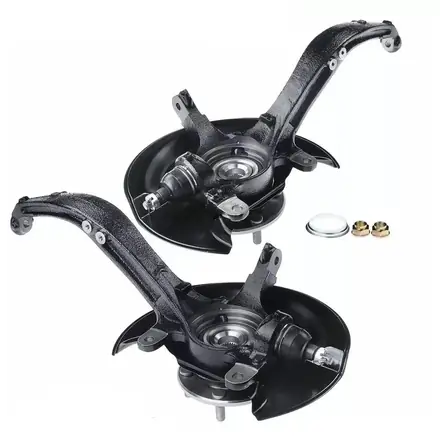
The steering knuckle is the joint between the suspension, the steering and the wheel. It carries the hub and…
Control Arm
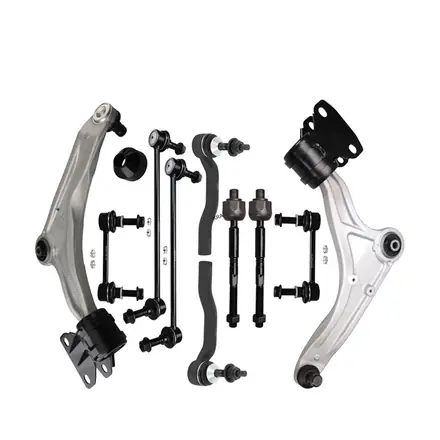
The control arm ties the wheel hub to the body and lets the suspension move without losing alignment. When the…
Drive Shaft and Rear Axle Shaft
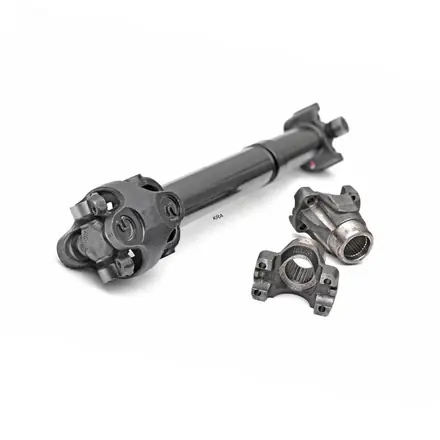
The drive shaft carries torque from the transmission to the differential and on to the wheels, and it has to do that…
Knowledge
Guides That Cover This Part
Wheel Hub Units Explained
What a hub unit assembly does, why modern units are sealed and non serviceable, and how to tell a driven unit from a non driven…
How Long a Car Lasts and Which Parts Decide It
Service life is set by a handful of systems rather than by odometer reading. A maintenance guide covering what actually wears out…
Why Drive Shaft Noise Is a Safety Problem Not an Annoyance
A clunk on take-up or a hum that rises with speed is the driveline telling you something has worn. Here is how those noises map…
FAQ
Wheel Hub Unit FAQ
How do I know whether I need the version with an ABS sensor?
Look at the connector on the old unit, or give us the OE number and the vehicle. Fitting a unit without a sensor where the vehicle expects one will leave the ABS light on.
Can the bearing be replaced separately?
No. These units are sealed and non-serviceable, so the whole unit is replaced when the bearing is worn or damaged.
What noise does a failing hub unit make?
Humming or growling that rises with road speed. Wheel looseness and uneven tyre wear often follow.
What is the minimum order?
One piece.
How long is the lead time?
45 days for regular items, 30 to 45 days for a newly developed reference.
Do you supply hub units for commercial vehicles?
The range covers passenger vehicles, commercial vehicles and performance applications. Send the OE number and we confirm coverage.
Next step
Confirm the Fit Before You Order
Send the OE number and the vehicle. We return the interchange references and the applications that number covers, and quote against them.
+86 159 9582 0129
[email protected]
Monday to Friday 08:30-18:00 China Standard Time (GMT+8)